Tag: Regenerative Luxury

Regenerative Luxury describes a value system in which luxury is measured by its ability to renew the systems it depends on: materials, landscapes, skills, communities, cultural memory and human wellbeing. It is the active dimension of The Silent Luxury value architecture: the level at which value is judged by the continuity it creates.

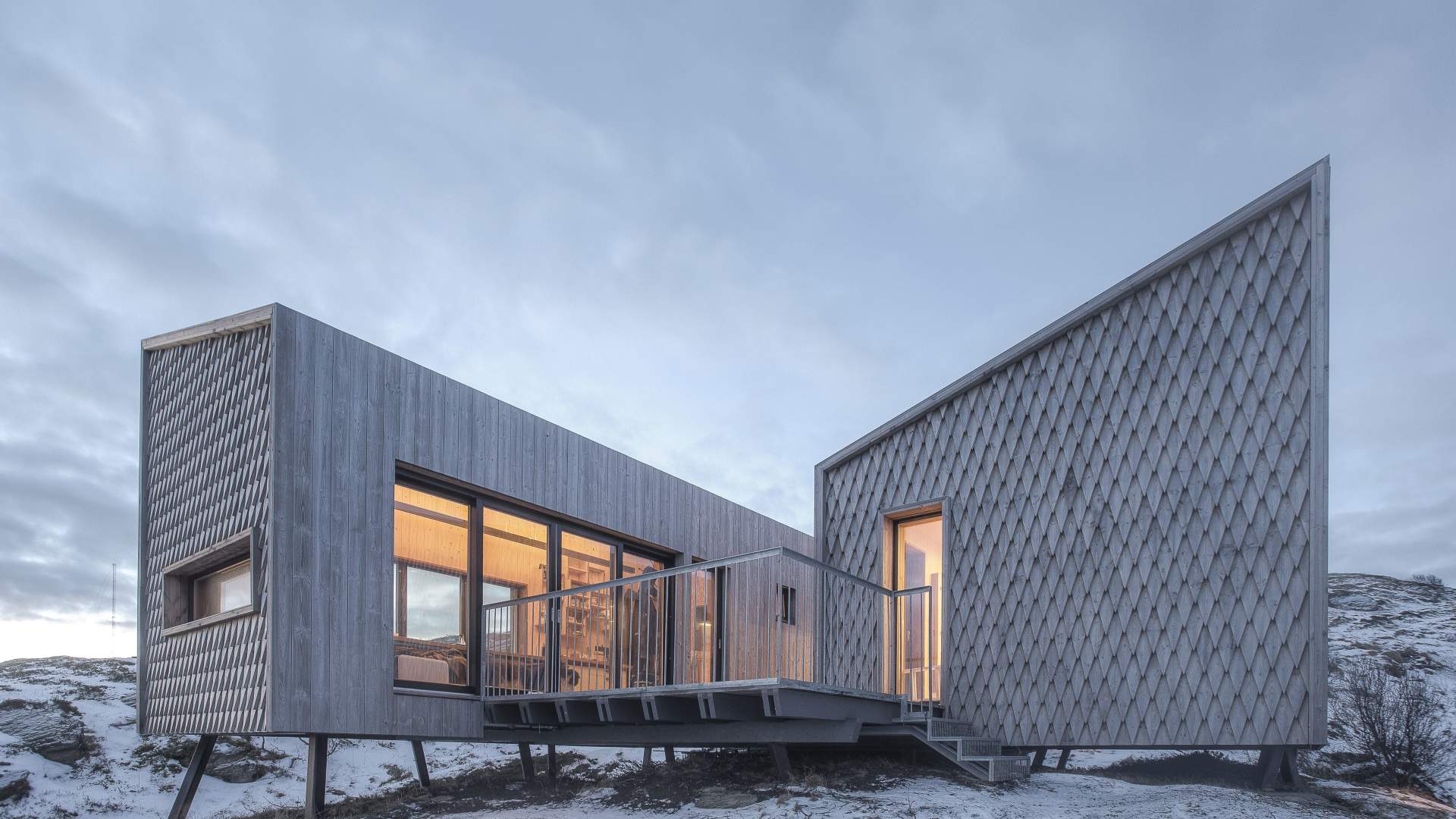
Albergo Diffuso: The Streets Are the Corridors

How an earthquake in northeastern Italy produced the most consequential hospitality idea of the last forty years and what the Report Alberghi Diffusi 2026 reveals about where it stands today.

The Albergo Diffuso is an Italian hospitality model in which historic buildings distributed across a living community are managed as a single hotel, with unified reception, hotel-grade services, and guests who move through the village streets as temporary residents. The model was developed by Giancarlo Dall’Ara in 1982 in Carnia, Friuli-Venezia Giulia, following the 1976 earthquake, and is documented annually by the Associazione Nazionale Alberghi Diffusi in the Report Alberghi Diffusi. The 2026 edition records 10.6 months average annual opening, a 47% international guest share, and active expansion into Japan, Albania, northern Scandinavia and Germany.

A Walk Through the Hotel

Someone walks from her room to breakfast. The path takes her through a gate, along a cobblestone street, past a neighbour hanging laundry, through a piazza where two men are arguing about football. She arrives at the common room, sits down, and realises she has already experienced more of the place than most guests will in a week at a resort. What she walked through is the hotel — the streets, the neighbours, the argument about football and all.

This is the Albergo Diffuso. Giancarlo Dall’Ara, the Italian hospitality consultant who coined the term in 1982 and later founded the Associazione Nazionale Alberghi Diffusi, calls it “a hotel that is not built.” The rooms are distributed across multiple historic buildings within a living community. The reception is a central hub. The corridors, as Dall’Ara puts it, are “the narrow streets of the village.” The guests are “temporary residents rather than tourists.”

The Report Alberghi Diffusi 2026 — the most comprehensive current survey of the model — documents 10.6 months average annual opening per property, a 47% international guest share, and active expansion into Japan, Albania, Northern Europe and Germany. The USA ranks among the top four international source markets. These figures describe a hospitality concept that has been answering questions the broader industry is only beginning to ask.

How the model works

One Village, One Management

Rooms A Bldg. 1775 Rooms B Bldg. 17c. Restaurant Local producers Rooms C Bldg. 19c. Museum Common space Reception Central hub Piazza Residents · daily life BLDG. A BLDG. B BLDG. D BLDG. E BLDG. C ONE MANAGEMENT · ONE VILLAGE · ONE PRODUCT

“The corridors of this hotel are the narrow streets of the village.” — Giancarlo Dall’Ara

The Albergo Diffuso operates as one hotel across several buildings. Reception, rooms, restaurant and common spaces are distributed through the village, while one management system holds the experience together.


Carnia, 1976

In May 1976, a 6.5-magnitude earthquake struck the Friuli-Venezia Giulia region of northeastern Italy. The Carnia valley suffered heavily. The years that followed brought thorough reconstruction: buildings repaired, streets repaved, infrastructure renewed. The populations, however, had dispersed, and the economic conditions that once sustained those communities returned more slowly than the stone walls. Restored houses stood largely empty through the late 1970s and into the 1980s.

It was in this condition that Dall’Ara began the work that would define his career. The restored buildings held architectural quality and no productive purpose. New construction would have required capital that the region lacked and would have altered the character of places whose character was the only remaining asset. The question he asked was how to make what already stood economically productive, on its own terms, through its own qualities.

The term “Albergo Diffuso” appeared for the first time in 1982, in the Progetto pilota Comeglians, a working group study for a village in Carnia. The first operational prototype followed in 1989 in San Leo, Emilia-Romagna. Sardinia enacted the world’s first regional law recognising the model in 1998. The Associazione Nazionale Alberghi Diffusi was founded in 2006 in Termoli. In 2010, an article in the New York Times brought the model to international attention; in the same year, Dall’Ara received recognition at the World Travel Market in London. In 2021, the model won the Global Human Settlements Outstanding Contribution Award in Beijing.

The origin matters because it defines every subsequent decision. The Albergo Diffuso was designed for places with architectural value and diminished economic vitality, and tourism becomes the monetisation of what the place already is.
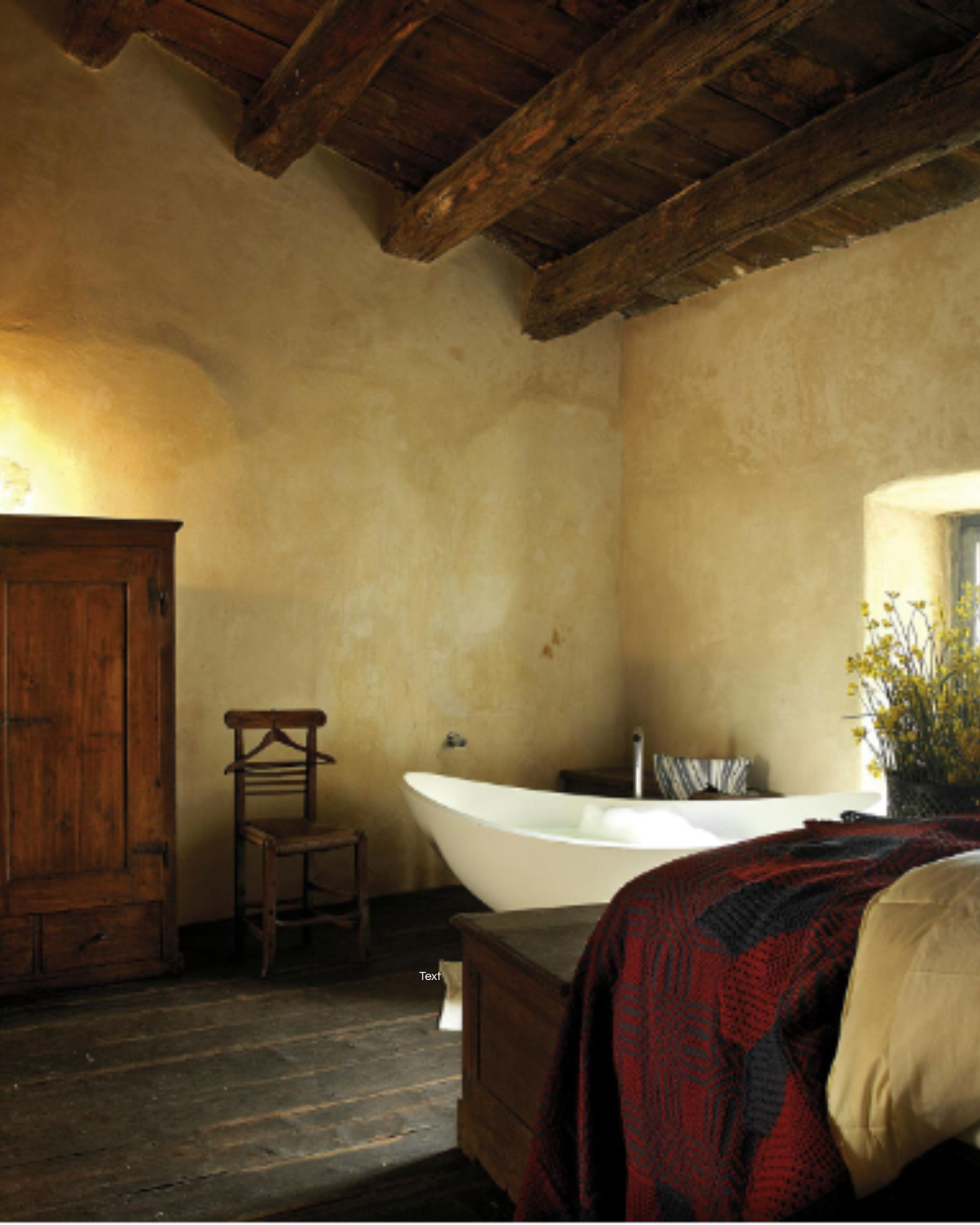
  • The Albergo Diffuso model preserves the character of historic village buildings rather than renovating them into a standard hospitality product. At Sextantio in Santo Stefano di Sessanio, Abruzzo, original stone walls, hand-hewn ceiling beams and period furniture define the guest experience — the building provides what no designed interior can replicate. Photo: Courtesy Sextantio.
  • The Albergo Diffuso approach to restoration preserves original materials and fittings as part of the hospitality experience. At Sextantio in Santo Stefano di Sessanio, a centuries-old wooden towel rail remains in place — the kind of provenance that cannot be sourced, only inherited. This is what Giancarlo Dall'Ara means when he describes the Albergo Diffuso as a place where guests become temporary residents rather than tourists. Photo: Courtesy Sextantio

Sextantio in Santo Stefano di Sessanio, Abruzzo, is one of Italy’s most established Alberghi Diffusi — a cluster of medieval stone houses in a hilltop village in the Apennines, managed as a single hotel since 2004. The stone walls were never plastered smooth. The wooden beams were never replaced. The towel rail has been in this room longer than the hotel has had a name. This is what the Albergo Diffuso model means by provenance: not a designed reference to history, but the thing itself. Photo: Courtesy Sextantio.


When the Street Is the Corridor

The rooms occupy historic buildings distributed across the village. The reception operates from a central hub. The restaurant may be in a third building; the common spaces may be a piazza, a courtyard, a garden that predates the project by three centuries. The management is unified. The services — daily cleaning, assistance, breakfast — are hotel-grade throughout. What holds it together is management; what gives it meaning is the place.

Dall’Ara’s phrase “temporary residents rather than tourists” carries the weight of an operational specification. A temporary resident walks through the same gate the neighbours do, encounters the same weather, hears the same sounds in the early morning that the people who live there hear. She is inside the community, moving through it on its own terms, and the authenticity she encounters belongs to a place that is genuinely inhabited rather than staged for her arrival.

Dall’Ara draws the boundary of the term precisely. “Not all forms of scattered hospitality are alberghi diffusi,” he writes. A cluster of holiday apartments with a shared booking platform meets none of the model’s conditions. The management must be unified, the services hotel-grade, and the community genuinely inhabited. Where these three conditions hold simultaneously, the model functions. Where any one of them falls away, the name survives but the substance does not.


The Logic of the Village

The hospitality industry has spent two decades attaching sustainability to its operations as an additional layer — the solar panel on the roof, the locally sourced line on the menu, the carbon offset programme at checkout. The Albergo Diffuso carries sustainability in its architecture.

The model requires an inhabited community, which means local employment is a condition of existence rather than a policy aspiration. The village must have residents; residents must have economic reasons to remain; the Albergo Diffuso creates those reasons by placing its guests inside the local economy rather than alongside it. The restaurant that serves the guests is the restaurant the neighbours also use. The craftspeople and producers who supply the property benefit from foot traffic that the presence of guests sustains. Regional products reach the breakfast table because the person at reception knows the person who made them. The circular logic arises from the structure, not from a sustainability strategy document.

The social dimension follows the same pattern. In villages where Alberghi Diffusi have taken root, the pace of depopulation has slowed. Young people have found work and reasons to stay. Buildings held together for another generation. The model addresses the structural economic vulnerability of rural Italy within its constraints, and in the places where it functions well it extends the timeline within which other solutions remain possible.

Ten Months Open

Italian tourism has struggled for decades to distribute demand beyond July and August, which account for roughly 54% of annual Albergo Diffuso stays even within a model specifically suited to multi-seasonal travel. The remaining 46% spreads across ten months in which the properties remain open and productive — a deseasoning performance that beach resorts and mountain stations rarely approach.

The Report Alberghi Diffusi 2026 records an average annual opening of 10.6 months. Only 12% of properties operate for fewer than nine months per year. These figures reflect a product structure built around a specific place rather than a specific type of weather. The Carnia valley in October, the Baroque quarter of Lecce in February, the sassi of Matera in November — each holds a distinct quality that functions as a hospitality argument independent of season. Guests who choose an Albergo Diffuso choose a place, and a place is available in all twelve months.

Associazione Nazionale Alberghi Diffusi

Italy in Numbers · 2026

Annual opening

10.6 months

International guests

47 %

Avg. buildings

7 per property

Renovated in 2025

72 %

Geographic distribution

Southern Italy & islands50%
Central Italy31%
Northern Italy19%

Top international markets

1 Germany
2 France
3 Northern Europe
4 USA

~20

Avg. rooms

5 + 11

Perm. + seasonal staff

164 m

Max. room distance

Source: Report Alberghi Diffusi 2026 · Associazione Nazionale Alberghi Diffusi / Giancarlo Dall’Ara · © The Silent Luxury

One Hotel, Many Owners

The Report 2026 records that in two-thirds of Italian properties, the buildings are operated through rental agreements with private owners rather than direct ownership. This structure lowers the capital threshold for entry significantly; the Albergo Diffuso can be assembled incrementally, room by room, without a single large property acquisition. The same structure introduces the model’s principal management challenge.

A unified hotel requires unified decision-making. When the buildings belong to multiple private owners with different priorities, timelines and financial situations, the management’s capacity for renovation investment, standard maintenance and market responsiveness is negotiated rather than decided. The 72% of properties that made renovation investments in 2025 signals an industry in active development, and also one that must align multiple stakeholder interests on every capital decision.

Legal clarity matters in proportion to this complexity. Sardinia enacted the first regional legislation in 1998, creating a recognised category within which operators could structure their agreements and obtain appropriate permits. In regions without specific Albergo Diffuso legislation, the combination of hospitality regulations, property law and community planning requirements can make unified management administratively burdensome. The regions where the model has developed most consistently are generally those where the legal framework has kept pace with the operational reality

From Sardinia to Yakage

The Report 2026 places 50% of Italian Alberghi Diffusi in southern Italy and the islands, 31% in central Italy. Sardinia remains the legislative and conceptual anchor — first regional law, early prototypes, a concentration of established properties. Matera, as a UNESCO World Heritage Site, carries the model into international visibility with several properties operating within the sassi. Puglia, with its masserie, its Pietra Leccese Baroque cities and its growing profile among American and Northern European travellers, is an increasingly active zone of development.

Internationally, Japan has become the model’s most significant expansion frontier. The first Japanese Albergo Diffuso opened in Yakage in 2018, and the model has found a conceptually receptive environment in a country with deep traditions of authentic local experience, widespread rural depopulation, and a tourism culture that values place over product. Albania, Croatia, Switzerland, Germany and Lapland have active projects. Dall’Ara has described this internationalisation as having begun in earnest in 2009 with Swiss projects, accelerating after the 2010 recognition in London.

The common thread across every successful international transfer is the simultaneous presence of historic building stock, genuine community inhabitation, and a local authority willing to provide legal clarity.


The Human at the Reception

The Report 2026 marks the first significant penetration of artificial intelligence into Albergo Diffuso management. Almost one third of properties now use Revenue Management systems. Chatbot adoption for direct guest assistance stands at 6.3%, with a further 9.4% in active implementation.

Revenue Management translates well into the Albergo Diffuso context: it optimises pricing across a defined inventory and responds to demand signals that are as legible for a distributed property as for a conventional hotel. The open question is chatbot-mediated guest assistance, which supplements or replaces the human reception relationship at precisely the point where the Albergo Diffuso’s product is most distinct. The temporary resident model depends on a human mediator — someone who knows the village, who can tell the guest which bakery opens earliest, which trail is most rewarding in November, which table at the restaurant the regulars prefer. Whether a language model can carry that function, or whether it can support the reception staff who do, is among the more consequential questions the model will work through in the next five years.

The Market, Forty Years Later

The USA ranks among the top four international source markets for Italian Alberghi Diffusi, alongside Germany, France and Northern Europe. A growing cohort of travellers — from North America, from Northern Europe, from Japan — seeks something that the standardised product has never been able to supply: genuine uncontrolled presence. A community that has its own reasons for existing and has agreed to share its daily life with a guest for a few days. A neighbour hanging laundry whose presence requires no hospitality training and is, for that reason, the most convincing thing in the experience.

The traveller who researches a destination for forty hours before booking, who asks where the olive oil on the breakfast table was pressed and who returns to the same village three years running because she knows the person at reception by name, is the traveller the Albergo Diffuso was built for — even if it was built in 1982 and she had not yet begun to travel. Five-star hotels have responded to this shift with local sourcing programmes, cultural programming teams and carefully curated regional references. The Albergo Diffuso responds with a different architecture entirely: the guest is placed inside the community, and the community provides the experience on its own terms, at its own pace, in its own language. Slow Hospitality as a framework rests on this premise — that depth accumulates through time and place, and that the guest who is given a genuine relationship with a specific location returns to it in ways that no amount of amenity programming achieves.

The Albergo Diffuso has held this position since 1982. The market has taken forty years to reach the same address.


Three Houses in Lecce

La Fiermontina in Lecce operates outside the Associazione Nazionale Alberghi Diffusi membership, and its structure embodies the model’s logic with unusual clarity. Three historic properties in the Baroque quarter — a 17th-century Masseria, Palazzo Bozzi Corso from 1775, and the Fiermonte Museum — share a management, a pool, a restaurant and a family biography that runs from a boxing ring in New York to the IMAGINE memorial in Central Park’s Strawberry Fields.

The Filali family assembled a collection of places that already existed and gave them a shared logic. The guest who moves between the Masseria and Palazzo Bozzi Corso moves through Lecce — through Pietra Leccese, through a Baroque quarter that is still genuinely inhabited, through a family story the city has been keeping for a century. The street between the properties belongs to the stay. It is where the place speaks at its own pace, without intermediary.

The Conditions

The Albergo Diffuso demands conditions: a historic built environment of sufficient density and quality, a community genuinely inhabited, a legal framework that recognises the model as a distinct category, and an operator capable of managing distributed complexity across multiple property relationships simultaneously. In the places where these conditions coincide, the model produces a hospitality experience whose core value is generated by the place itself and whose economic logic returns value to the place rather than extracting it.

The places still carrying Dall’Ara’s original question — how to make what already stands economically productive without altering the qualities that give it worth — are numerous, and growing. The rebuilt valley in Carnia, the depopulated borgo in Umbria, the historic quarter of a southern city, the Japanese village whose traditional architecture is outliving its original inhabitants: each holds the building stock, the atmospheric quality and the community character that the model requires. Each is waiting for the management capacity, the legal framework and the editorial attention that would make the argument visible to the travellers already looking for it.

Dall’Ara walked into that question in 1982 in a village that an earthquake had emptied. The answer he built is still being built.


Questions on the Albergo Diffuso

The Albergo Diffuso is an Italian hospitality model in which historic buildings distributed across a living community are managed as a single hotel, with unified reception, hotel-grade services, and guests who move through the village streets as temporary residents. The model was developed by Giancarlo Dall’Ara in 1982 in Carnia, Friuli-Venezia Giulia, and is documented annually by the Associazione Nazionale Alberghi Diffusi in the Report Alberghi Diffusi.

  • What is an Albergo Diffuso and how does it differ from other hotel models?

    An Albergo Diffuso is a hotel distributed across multiple historic buildings within a living community, managed as a single entity with full hotel services. Boutique hotels occupy a single building with a designed identity. Heritage resorts restore a property and operate it as a self-contained world. The Albergo Diffuso requires the genuine presence of residents — people who live in the place and whose presence is the product’s most authentic signal.

  • Where and why did the Albergo Diffuso originate?

    The concept originated in Carnia, Friuli-Venezia Giulia, following the 1976 earthquake. Restored village buildings were architecturally sound and economically dormant. Giancarlo Dall’Ara developed the model as a way to make existing buildings productive through tourism, without new construction or alteration of community character. The term first appeared in 1982 in the Progetto pilota Comeglians.

  • Why is the Albergo Diffuso considered a model of sustainable hospitality?

    Sustainability is embedded in the operating structure. The model requires an inhabited community, which means local employment, local supply chains and local economic activity are structural conditions. The circular economy logic arises from the model’s architecture: guests placed inside the local economy generate benefit for local producers, craftspeople and residents whose presence makes the product possible.

  • What does the Report Alberghi Diffusi 2026 show about the model’s scale?

    The average Albergo Diffuso in Italy involves 7 buildings, approximately 20 rooms and 45 beds, employs 5 permanent and 11 seasonal staff, opens 10.6 months per year, and receives 47% international guests. Germany, France, Northern Europe and the USA are the top international source markets. 72% of properties made renovation investments in 2025.

  • Is the Albergo Diffuso model transferable outside Italy?

    The model has active projects in Japan, Albania, Croatia, Switzerland, Germany and northern Scandinavia. Japan’s expansion, beginning with Yakage in 2018, is the most developed international case. Successful transfer requires historic building stock, genuine community inhabitation, appropriate legal frameworks and management capacity for distributed operations.

  • What are the economic conditions and limits of the Albergo Diffuso model?

    The distributed ownership of buildings — in two-thirds of Italian cases operated through rental agreements with private owners — creates management complexity around renovation investment and standard maintenance. Legal clarity, as Sardinia established with the world’s first regional law in 1998, significantly reduces this complexity. The model functions best where historic building quality, community inhabitation, legal recognition and operational management capacity coincide.

Continue reading

Local Soul: The Quiet Rise of Independent Luxury

The structural shift in the luxury market in 2026 creates significant room for smaller, independent luxury and premium brands. As the major conglomerates over-distributed, elevated frequency and lost creative distance, the conditions they had long held became precisely the conditions smaller houses had always built on: provenance, controlled scarcity, genuine craft and the depth of the relationship between maker and buyer.

From Guochao 3.0 in China to emerging local luxury in Africa and India, the same structural logic is taking shape across markets that the western luxury industry has long treated as secondary. Local Soul, defined as value rooted in a specific place, a specific knowledge and specific people, is what the buyers who have moved on from the conglomerates are now seeking. The demand was always there. The space to answer it is growing.

The Space That Opens When Magic Is Spent

The Q1 2026 results of the major luxury conglomerates tell one part of the story. The fuller part is found in the ateliers, the small houses and the independent brands that built their value proposition on something the conglomerates spent during their decade of growth: provenance, controlled distribution, genuine craft and the relationship with the buyer that makes an object matter across time.

As documented in The Silent Luxury’s structural analysis of the luxury market in 2026, sixty to seventy million luxury consumers have left the market since 2022. They left because the silent contract at the heart of luxury, built on superior materials, genuine craft, controlled scarcity and lasting worth, had been broken by the very houses that defined the category. When eighty percent of luxury market growth between 2023 and 2025 came from price increases rather than genuine value gains, the buyers who understood the difference between luxury as perception and luxury as discipline registered the gap and moved elsewhere.

Where they moved is precisely where smaller and independent luxury brands have been building all along. The structural disenchantment of the major conglomerates creates room for authentic alternatives: for brands that prove their value through daily decisions about material, production and the quality of the relationship they maintain with their buyers. As Eva Winterer, Publisher of The Silent Luxury, puts it: “The Q1 results are a starting point. Industrial over-extension creates room for brands whose value is real.”

This development reaches well beyond a European or western phenomenon. The same structural logic is taking shape simultaneously in China, India, Africa and the Middle East, in markets and cultural contexts that have each arrived at the same conclusion through entirely different histories.

The Silent Luxury Local Soul · Global Market Scale

Local Soul Geographies — Where Demand Is Growing

Market scale and growth rates across the new geographies of luxury value · 2025/2026

Market Growth Rates — Local Soul Geographies

South Africa LuxuryFastest growing MEA geography
+11.03% CAGR
MEA Luxury Overall2026–2031 projection
+10.6% CAGR
Wellness Real EstateGlobal · 2019–2024
+19.5% p.a.
Wellness Economy Globalvs. GDP growth rate
2× GDP
Guochao Market 2028Projected volume
¥3 Trillion

New Geographies Combined

€45Billion

MEA, India, LatAm, SEA — matching mainland China in scale. 2025.

Wellness Economy 2024

$6.8Trillion

Global Wellness Institute. Doubling since 2013. Projected $9.8T by 2029.

Chinese Consumers

70% prefer local

Domestic brand preference citing quality and innovation. Daxue Consulting 2025.

Sources: GWI Economy Monitor 2025 · Mordor Intelligence 2026 · Daxue Consulting · Research and Markets · © Silent Communications GmbH


What Small Brands Carry Into the Shift

The brands gaining ground in 2026 and beyond share a set of structural characteristics that are embedded in the architecture of how a house makes decisions, and that accumulate over years rather than being acquired through a rebranding strategy.

The first is provenance. Small luxury brands know where their materials come from, who worked on them and how. This traceable origin is an operational reality: a house working at limited scale makes visible decisions that a supply chain of industrial size obscures. In a market where buyers are actively applying what analysts call the investment check to every purchase, asking whether an object carries genuine value across time, traceable provenance has become the most credible answer a brand can give.

The second is frequency. A small house releasing two collections a year, building objects on order or producing in quantities dictated by the time the work actually requires, is structurally aligned with the desire economy that the major conglomerates spent years contradicting. “The houses with a future replace the concept of the collection with the concept of the wardrobe,” says Winterer. “They are selling time.” Objects whose meaning accumulates across years of use, repair and continuation.

The third is creative distance. The process behind closed doors. The finished piece that arrives without explanation or justification. A small house with deep conviction about what it stands for carries its identity in its production philosophy, its material choices and its pace. This is the creative distance that generates desire, and it is structurally available to every independent brand that stays true to its founding logic. As Winterer has observed: “Visible desperation is the opposite of spell.”

The fourth is the relationship. The ongoing connection between a house and the people who carry its objects through their lives. Small luxury brands, by definition, work at a scale where this relationship is real. The buyer who returns for a repair, who commissions a continuation of an earlier piece, who recommends the house to someone they trust: this is the Relationship Economy operating at the scale where it creates compounding value.

Where Landscape becomes the object: Objects that outlast the season they were made in — carrying landscape, knowledge and the specific hands that made them. FARUTA. This is what Local Soul looks like in practice. | Photo: Courtesy of Faruta

The Flight of the Cranes

FARUTA

Read more


China: Guochao 3.0 and the Cultural Confidence of Local Soul

China in 2026 illustrates the structural logic of Local Soul with particular clarity. What is happening there is a generational reorientation toward value rooted in cultural identity, and it is reshaping the luxury category from within.

Guochao (国潮), literally “national wave,” has evolved through three distinct phases that trace a deepening of cultural confidence in Chinese consumer culture. Guochao 1.0, emerging around 2011, focused on Made in China as a quality signal, a direct response to decades in which Chinese manufacturing had been associated primarily with export volume production. Guochao 2.0, taking shape around 2018, brought Chinese streetwear and brand collaborations to the centre of youth culture, with the Forbidden City’s consumer products becoming an unlikely symbol of the shift. Guochao 3.0, the phase now defining China’s luxury conversation in 2025 and 2026, goes deeper: it integrates traditional Chinese culture, history, aesthetics and high craft into contemporary consumer goods, with traditional knowledge forming the structural logic of the product rather than serving as surface decoration.

The numbers reflect the scale of this shift. Forecasts project the Guochao market to reach over three trillion yuan by 2028. Daxue Consulting research indicates that approximately 70 percent of Chinese consumers now prefer domestic brands, citing quality and innovation gains. Hub of China’s 2026 research identifies what analysts call the “Identity Filter” as the dominant psychological force in Chinese retail: consumers are buying to signal alignment with their values. This shift in consumer psychology maps precisely onto the structural movement The Silent Luxury has been documenting in western markets, the transition from aspiration-based consumption to value-based engagement.

The Silent Luxury Guochao 3.0 · China Local Soul

Guochao 3.0 — China’s Local Soul in Numbers

Brand performance and consumer confidence data · 2024/2025 · Sources: AlixPartners, Daxue Consulting, Hub of China

Laopu GoldFine Jewellery · 2022–2024
×7
SongmontLeather Goods · Online 2025
+90%
Li-NingFashion · Revenue Growth
+65%
FlorasisBeauty · Craft Premium
+55%
Anta SportsSportswear · Market Share
+40%

Domestic Brand Preference

70%

of Chinese consumers prefer domestic brands, citing quality and innovation gains. Daxue Consulting 2025.

Guochao Market 2028

¥3Tprojected

Over three trillion yuan. The Identity Filter drives purchasing decisions toward cultural alignment over status signalling.

Sources: AlixPartners China Luxury Report 2025 · Daxue Consulting · Hub of China 2026 · © Silent Communications GmbH

The brands carrying this shift span every category relevant to the Well Living framework. In fashion and sportswear, Li-Ning pioneered the Guochao aesthetic by fusing traditional Chinese motifs with contemporary design at international fashion weeks, creating a cultural proposition built on knowledge that western luxury houses operating in China cannot import. Anta Sports has applied the same logic, combining technological performance with cultural relevance to reclaim market share from international competitors. In beauty, Florasis (花西子) integrates traditional Chinese craftsmanship, including relief carving and ancient cosmetic formulations, into products that carry cultural memory as a material quality. In wellness and lifestyle, TCM-based skincare formulations, Song Dynasty colour palettes in home décor and the integration of traditional health philosophies into contemporary wellness brands all express the same structural conviction.

In fine jewellery, Laopu Gold has built a practice that reinterprets traditional Chinese iconography, from gourds and dragons to Taoist motifs, as the foundation of a contemporary luxury proposition. Its pricing structure, which describes its premium as a processing fee above gold by weight, offers transparency in place of mystification. The brand was on track to surpass Richemont’s jewellery sales in China in 2025. As Howard H. Yu and Jialu Shan observed in their February 2026 analysis for IMD: “Laopu operates in a space where it mixes traditional Chinese craftsmanship and contemporary modernity, with high product versatility, and stays away from livestreaming. Its positioning is for the urban middle classes.”

What unites these developments across categories is what The Silent Luxury calls Local Soul: value that can only be made in a specific place, at a specific time, by specific people. “Luxury in 2026 and beyond is no longer a global player. It is a local soul,” says Winterer. “What What survives is what can only be made in a specific place, at a specific time, by specific people.”

Time is being read differently. As India gains weight in the global watch market, the wrist becomes a point where economic power, personal knowledge, and cultural codes meet.

The Codes of a New World Order on the Wrist

WATCH MARKET | INDIA

Read more

India: Craft, Wellness and the Relational Consumer

India’s position in the global luxury shift carries its own structural logic. According to a Deloitte India consumer study reported in Luxebook India in March 2026, discretionary spending among affluent urban Indians has shifted toward experiences, wellness, travel and personalised services. The same study identifies Indian luxury consumers as highly relational and community-driven, a consumer profile that aligns structurally with the Well Living framework and the five movements The Silent Luxury tracks as the defining forces of luxury value creation through 2028 and beyond.

Indian independent luxury brands are gaining relevance because they carry what global conglomerates operating in India build with difficulty: genuine cultural provenance. Sabyasachi has built an international reputation by rooting his practice in Indian textile traditions, craft knowledge and aesthetic vocabulary, creating objects that carry cultural memory as their primary material value. Forest Essentials and Kama Ayurveda have done the same in wellness, building product propositions on Ayurvedic formulations, traceable Indian botanical sources and craft production methods that generate genuine scarcity through the time they require.

The McKinsey State of Fashion 2026 report confirms that Gen Z and millennial luxury consumers in India now prioritise brand values, storytelling and community over overt status signalling. Jessica Singh, Founder of Stanley Communications, told Luxebook India: “One insight that fundamentally changed how we approach luxury storytelling is that Indian consumers are highly relational and community-driven.” The shift from transaction to relationship, from global reach to Local Soul, is happening in India with a cultural specificity that gives it structural depth.


The Silent Luxury Africa · Luxury Market 2025/2026

Africa — The Rational Collector

South Africa luxury search trends and MEA market growth · Sources: Luxity 2025, Research and Markets, Mordor Intelligence 2026

South Africa — Category Search Growth 2025

JewelleryHighest growth category
+43.8%
BagsGrowing craft demand
+14.6%
South Africa Luxury MarketOverall growth 2025
+15%

LV + Gucci Combined Search Share — South Africa

2023Before the shift
30%
2025Buyers moved toward craft
21%

MEA Market 2026

$21.85Billion

Growing to $36.15bn by 2031. CAGR 10.6%. South Africa fastest growing at 11.03% CAGR. Mordor Intelligence 2026.

MEA + India + LatAm + SEA

€45Billion

Combined market value in 2025, matching mainland China in scale. The new geographies of luxury value.

Sources: Luxity State of the Luxury Market Africa 2025 · Mordor Intelligence MEA Luxury 2026 · Research and Markets · © Silent Communications GmbH

Africa: The Emergence of a Creative Luxury Geography

Africa represents the most structurally significant and systematically underestimated geography in global luxury for the decade ahead. The Middle East, Latin America, Southeast Asia, India and Africa together reached a combined market value of approximately 45 billion euros in 2025, matching mainland China in scale. The luxury goods market in the Middle East and Africa is projected to grow from 21.85 billion dollars in 2026 to 36.15 billion by 2031, at a compound annual growth rate of 10.6 percent, according to Research and Markets.

The structural story carries more weight than the market size figures alone. A 2025 analysis by Luxity, South Africa’s leading luxury resale platform, found that luxury consumers in South Africa evolved into what the report describes as rational collectors: buyers who curate luxury assets for their combination of emotional connection and long-term value retention. Jewellery searches rose 43.8 percent, bag searches grew 14.6 percent. Louis Vuitton and Gucci saw their combined search share fall from 30 to 21 percent, as buyers shifted toward brands carrying deeper craft credentials. This is the investment check operating in an African luxury market: the same structural dynamic visible in every market where the major conglomerates over-extended.

African designers and brands are building a luxury proposition from the conditions that Local Soul requires. Made in Africa is experiencing a cultural renaissance: local fabrics interpreted in contemporary design, accessories that fuse minimalist aesthetics with ancestral craftsmanship, hospitality that embeds African cultural knowledge into the structure of the guest experience. The work of designers like Thebe Magugu, whose collaboration with Cape Town’s Mount Nelson Belmond Hotel exemplifies the fusion of luxury and African cultural relevance, signals an industry building from genuine cultural depth outward.

Cities including Lagos, Nairobi, Casablanca and Cape Town are emerging as luxury hubs carrying their own cultural logic. As a 2026 analysis in the Times Live put it, luxury houses that fail to recognise the shift from viewing these regions as markets to seeing them as partners do so at their own peril. The brands succeeding here are those that localise their product architecture, working with local artisans, sourcing regional materials and building community relationships that generate compounding loyalty.


You are currently viewing a placeholder content from YouTube. To access the actual content, click the button below. Please note that doing so will share data with third-party providers.

More Information

Well Living: What Buyers Are Actually Looking For

The numbers confirm the direction. The Global Wellness Institute puts the wellness economy at 6.8 trillion dollars in 2024, growing at twice the rate of global GDP. Deloitte’s Global Powers of Luxury 2026 report identifies luxury travel as the segment with the highest growth potential, cited by 36.2 percent of 420 senior executives surveyed. Behind every data point is a person making a decision, and understanding that decision requires a perspective closer to the ground.

The buyer choosing a small independent brand in 2026 is making a quality judgement. She has looked at the object in front of her and asked: who made this, where, with what, and how long will it carry meaning in my life? She has weighed that answer against what the major houses are offering, and found it more convincing in the smaller room.

She travels differently too. Extended stays rather than four cities in five days. Places where the experience is structured around her rhythm. Wellness understood as something the environment delivers through its quality, its silence, its rootedness in a specific landscape. The growth in luxury wellness real estate, at 19.5 percent annually between 2019 and 2024, reflects the same orientation: the environment itself as a carrier of value.

What connects the buyer in Shanghai choosing a Guochao jewellery brand, the buyer in Mumbai choosing Sabyasachi, the buyer in Cape Town curating objects with genuine craft provenance, and the buyer in Vienna building a wardrobe of pieces that will carry across a decade, is the same underlying question: does this connect me to something that can only exist in this form, in this place, made by these people?

The small and independent brands that answer this question with the full weight of their production philosophy, their material sourcing and their relationship with the people who carry their objects have been building for exactly these structural conditions.

Frequently Asked Questions: Why Are Small Luxury Brands Gaining Relevance?

  • Why are small and independent luxury brands growing in 2026 and beyond?

    Small and independent luxury brands are gaining ground in 2026 and beyond because the structural conditions that define their operating logic are precisely the conditions the market is correcting toward: controlled distribution, traceable provenance, genuine craft, creative distance and the depth of the buyer relationship. As the major conglomerates over-distributed, elevated collection frequency and lost the creative distance that sustains desire, they created space for the brands that stayed true to these conditions. The structural disenchantment documented in Q1 2026 is the quantitative expression of a shift that has been building for years.

  • What is Local Soul in luxury?

    Local Soul is the concept developed by The Silent Luxury to describe value rooted in a specific place, a specific knowledge and specific people. An object carries Local Soul when it can only be made in the way it is made, because the materials come from a particular geography, the craft knowledge belongs to a particular tradition and the time invested reflects a production philosophy that loses its meaning at scale. Local Soul is the quality that makes an object genuinely irreplaceable: the structural answer to the over-distribution that dissolved the major conglomerates’ aura.

  • What is Guochao 3.0 and how does it connect to the global luxury shift?

    Guochao 3.0 is the third phase of China’s national cultural confidence movement in consumer goods. Guochao 1.0, around 2011, established Made in China as a quality claim. Guochao 2.0, around 2018, brought Chinese cultural references into streetwear and brand collaborations. Guochao 3.0, defining the Chinese luxury conversation in 2025 and 2026, integrates traditional Chinese culture, craft knowledge and aesthetic vocabulary into contemporary luxury products, with traditional knowledge forming the structural logic of the product itself. Forecasts project the Guochao market to exceed three trillion yuan by 2028. The connection to the global luxury shift is direct: Guochao 3.0 is Local Soul operating within Chinese cultural territory.

  • What role does Africa play in the future of luxury?

    Africa is the most structurally significant and systematically underestimated geography in global luxury for the decade ahead. The Middle East, Latin America, Southeast Asia, India and Africa together reached a combined market value of approximately 45 billion euros in 2025, matching mainland China in scale. African luxury consumers are evolving as rational collectors, curating objects for their combination of emotional connection and long-term value retention. African designers and independent brands are building from genuine cultural depth, with local craft knowledge, regional materials and community relationships forming the foundation of their value propositions. Lagos, Nairobi, Cape Town and Casablanca are emerging as luxury hubs carrying their own cultural logic.

  • How does Well Living connect to the growth of independent luxury brands?

    Well Living is the framework The Silent Luxury uses to map the buyer orientation driving the luxury shift across geographies. The buyers reshaping the market in 2026 and beyond, in China, India, Africa and Europe, are asking the same questions: where does this come from, who made it, will it carry value across the years I live with it. This orientation aligns structurally with what independent luxury brands offer: traceable provenance, genuine craft, controlled production and the quality of the relationship between maker and buyer. The wellness economy reaching 6.8 trillion dollars in 2024 is the quantitative expression of the same structural movement: value shifting from ownership to experience, from transaction to relationship.


Continue reading

Built to Stay: What the places you remember are made of

The places that stay with you are shaped by their location, their architecture and the time you spend there.

Slow hospitality hotels are places designed to change how you feel, sleep and move through a day. In 2026, travellers are choosing fewer stays and staying longer, looking for properties where location, architecture and rhythm work together. 

The hand rests on the clay wall. Still warm from the night. Three barefoot steps to the glass front, the door opens, and the valley lies below in half-darkness, the Dolomites sharpening against the brightening sky. The air carries the scent of larch and something the nose recognises before the mind names it: the night-soaked alpine meadow, the particular mineral cold of a mountain at 1,500 metres before the sun reaches it.. A bergdohle calls somewhere below the ridge.

Standing in the doorway between the warmth of the wood behind and the mountain morning ahead, with the shadow of the exterior lamelles beginning its slow traverse across the floor, something becomes clear that resists the language of hospitality entirely. The room is participating in the day. The material of the walls, the proportion of the windows, the particular quality of the light at this hour — all of it doing something that goes beyond what any programme could produce, because every decision about this building, from the larch Matteo Thun chose because it belongs to the surrounding forest, to the clay wall heated internally through the night, was made in service of a single understanding: that the place itself is the experience, and the task of architecture is to make that available.

What are slow hospitality hotels?

Slow Hospitality hotels are places designed around their location, their architecture and the time a guest spends there. They focus on how a stay feels and what remains after it ends, beyond the services or programmes that conventional hospitality builds around.

Most writing about hospitality describes what a property offers. The three pillars of Slow Hospitality describe what a property is. The set of decisions, held consistently from the material up, that determines whether a stay produces the quality of time that conscious luxury travellers are seeking in 2026 with increasing precision and willingness to spend. The Zeitgeist is shifting in a very precise direction: away from collected experiences, toward stays that change something.


Place Intelligence: The Unrepeatable Character of a Location

Every place carries knowledge that belongs to it alone. The afternoon light on Lecce’s pietra leccese, the golden baroque limestone from which the city’s churches are cut, enters La Fiermontina’s rooms differently in October than in July, differently on the east-facing terrace than on the courtyard. The mineral profile of the springs at Vigiljoch belongs to the specific volcanic geology of that mountain above the Adige valley. The rhythm of the Cilento coast, the proportion of silence to sound at a table looking out over the Tyrrhenian, carries the accumulated habit of generations who organised their days around what the land produced and what the heat allowed.

Place Intelligence determines whether a hotel simply exists in a location or truly belongs to it. It is the degree to which a property has read that knowledge and built its hospitality around it. It measures how deeply a hotel understands the specific intelligence of its location and transmits it through every operational decision: what the kitchen sources and from whom, how guides are trained, which hour of the day a walk is scheduled, what the building is made of and why. A hotel that stands in a landscape and a hotel that belongs to it make different choices at every one of those points, and a guest who has stayed in both feels the difference without necessarily being able to name it.

At Borgo La Pietraia in Cilento, the Scariati family built something in 2007 that the landscape had been preparing for much longer. Architect Nicola Pagliara set twelve terraces of local sandstone into the hillside above the plain of Paestum so that they curve into the slope the way the geology itself curves. Each room opens onto a private terrace facing the Tyrrhenian Sea, with Capri visible on clear mornings and the temples of Paestum marking the ancient distance below. The olive grove trail around the property asks for a pace the slope and the shade suggest. In the Ristorante Pietre, Chef Mario Stellato cooks with what the season offers and what the property’s own garden carries out to the kitchen that morning: a cuisine built from this specific stretch of southern Italian coastline, deeply seasonal, and held within the culinary traditions of a region that has been feeding people well for a very long time. The Cilento is the original Blue Zone, the territory where researchers first documented the Mediterranean diet as a longevity practice. It grew from the particular combination of altitude, sea air and the unhurried pace of days organised around what the land gives. After a week here, the appetite has reorganised itself around what the land offers, and the body finds it has been eating, walking, and sleeping in a rhythm that predates every wellness trend by several centuries.

At La Fiermontina in Lecce, the contemporary art collection shapes how a guest moves through the 16th-century palazzo — where they slow down, which corridor they take twice, what surfaces their hand reaches for in passing. The Salentine light, the stone, the relationship between interior and the city outside: these are the content of the stay. The hosting follows from the understanding that the building itself carries the experience, and every operational decision deepens what the building has already begun.

Matteo Thun describes his architectural approach as beginning always with the Genius Loci: “The soul of the place plays a central role.” He travels to every site before drawing anything, brings watercolours and paper, spends time understanding what the landscape already knows before the building changes it. “Architecture must submit to the surrounding nature,” he says. “It determines which form and which materials dominate.” At Vigilius, that submission is total: the larch is the tree of this altitude, the clay comes from the ground beneath the building, the water served at breakfast flows from fourteen healing springs on Vigiljoch. Ulrich Ladurner understood the same principle from the moment he first saw the mountain. “I must look beyond the horizon and sense what will or could be behind it,” he says. “From this comes inspiration. Through thinking, the future then emerges, and through conversation, quality.” Place Intelligence in its most complete form is precisely this looking beyond what is visible, and the building of what the place has been waiting for. Across Europe, Slow Hospitality hotels appear in very different landscapes.

In Southern Italy, places like Borgo La Pietraia or La Fiermontina are shaped by light, stone and seasonal rhythm, while alpine retreats such as Vigilius Mountain Resort are defined by altitude, climate and silence.


  • Nine Seconds in the Feed or Nine Days in the North Sea.

    Slow Travel

    Read more

  • The upper terrace at Borgo La Pietraia at dusk — the plain of Paestum below, the Tyrrhenian Sea on the horizon, and the coloured architectural accents that echo the original pigments of the Greek temples. | Photo Courtesy of Borgo La Petraia

    A Hotel Built Like a Home

    Borgo La Petraia

    Read more

Restoration Environments: What Architecture Does to the Quality of Time

Research conducted at the University of Waterloo’s Urban Realities Laboratory has measured what happens to the human nervous system when the surrounding environment asks the body to receive rather than respond. Heart rate steadies. Cortisol levels fall. The prefrontal cortex, the region responsible for directed attention, decision-making and the continuous management of competing demands, begins to recover the capacity it spends across every hour of city life. The effect arrives through specific properties: natural materials that the eye reads as familiar at a cellular level, diffuse light that follows the rhythm of the day, spatial sequences that invite movement at the guest’s own pace, views that carry attention gently outward. Colin Ellard, whose research maps the relationship between environment and human physiology, has identified the governing principle: restoration is something an environment makes available through what it offers, and a well-designed place offers it continuously, from the material of the walls to the quality of the morning light.

This is what a Restoration Environment does. The term belongs to Slow Hospitality specifically because it describes a design condition, one that a property either creates through its material decisions or produces only partially. A property with a full wellness menu serves a guest differently from one whose architecture aligns with the human nervous system from the material up, and the difference is structural. Slow Hospitality and wellness tourism part ways precisely here: wellness tourism delivers restoration as a purchased service. Restoration Environments produce it as a structural consequence of how the building is made, which means the guest receives it continuously, through the quality of the light and the temperature of the wall and the sound the floor makes underfoot.

Matteo Thun coined the term Hospi-tecture to describe the convergence of hotel and hospital logic into a single design discipline. The word connects hospes — the Latin for guest — with architecture, because hospitality and hospital share exactly the same root and, as he argues, the same task: to place the human being at the centre and surround them with what the body needs to recover. “We are part of nature,” Thun says. “When architecture reflects nature and brings it inside, it brings us back into proper balance.” His further clarification is precise: “Materials are not neutral.” A room made of wood feels different from a room made of concrete. The body reacts to this before consciousness registers why. At Vigilius, Thun’s architecture uses larch, stone, and glass in proportions drawn from the mountain itself. The larch walls absorb sound as the forest does. The stone floors hold warmth from the afternoon sun and return it through the evening. The clay wall in each room is heated internally, functioning as both spatial divider and source of radiant warmth, present through the night and still warm under the hand at six in the morning. The shadow of the exterior lamelles moves slowly across the floor as the day moves, giving the room a rhythm that requires nothing of the guest. The architecture creates the condition. The restoration follows.


Integration and Continuity: What a Stay Leaves Behind

The guest who stays long enough at a well-designed property returns to their ordinary life changed in ways that hold. Sleep patterns have reorganised. The relationship to pace has recalibrated. Something about how attention moves through a day has shifted, and the shift persists. The third pillar addresses exactly this quality: the capacity of a stay to produce outcomes that travel home with the guest, because the time available was sufficient for them to take root.

The research on lasting change is consistent across disciplines. Meaningful physiological change in sleep quality, in cortisol regulation and in the capacity for sustained attention requires sustained exposure to conditions that support it. Extended stays, the formats now representing 37 to 41% of new luxury hotel construction, create the structural conditions for that change to happen. The conscious luxury traveller who restructures their entire travel year around fewer and longer stays has understood this, whether or not they have read the research.

Integration and Continuity takes different forms in different properties. At Kástu by Pajta in Hungary’s Őrség Nature Reserve, the same quality arrives through a different material simplicity. Seven cabins built almost entirely of wood stand in a meadow in the sparsely populated countryside of western Hungary. The Michelin-starred Pajta restaurant nearby works with the produce of this specific landscape. From the bed, the guest sees the starry sky. From the shower, the meadow. After a week here, the question of what a room needs in order to be enough has a different answer than it did on arrival, and that answer travels home.

Ulrich Ladurner speaks of the philosophy behind Vigilius in a way that holds across all three pillars. “Silence is the prerequisite for thinking,” he says, standing on Vigiljoch where fourteen healing springs emerge from the mountain. “And vastness is a model for thinking.” Every person in the orbit of the hotel matters equally and specifically: guest, employee, producer, supplier. ‘You are important to me,’ Du bist mir wichtig, is how he has expressed it, a sentence that guided both his work in food and his work on the mountain, and that the quality of breakfast sourced from regional farmers and water drawn from the mountain’s own springs makes tangible every morning.

The guest who has genuinely integrated a Slow Hospitality stay returns to it with the specificity of someone who knows exactly what they are coming back for. They recommend it with the precision of someone who has understood it from the inside. Across the post-materialist audience that The Silent Luxury addresses, that quality of recommendation is the most durable form of credibility a property can build, and it begins with the three decisions made from the material up, held consistently across every hour of every stay. These places are found across Southern and Alpine Europe, where landscape, material and time shape how hospitality is experienced.

A moment shaped by place, time and attention. Well Living appears where environment, rhythm and awareness come together and create a sense of continuity between body, landscape and experience.

Conscious Luxury Travel in 2026

Slow Hospitality

Read More

Built to Stay: Slow Hospitality hotels that change how you feel and what you need to know.

Slow Hospitality hotels in Europe combine three structural elements: a property built around the specific knowledge of its location, architecture that supports physiological recovery, and stays long enough to produce lasting change. These are the questions readers ask most often about the framework, the research behind it, and the European properties that practice it: Vigilius Mountain Resort in South Tyrol, Borgo La Pietraia in Cilento, La Fiermontina in Lecce, Bad Ratzes at the Schlern, and Kástu by Pajta in Hungary’s Őrség Nature Reserve.

  • What is Slow Hospitality?

    Slow Hospitality is a design condition in luxury travel defined by three pillars: Place Intelligence (a property built around the specific knowledge of its location), Restoration Environments (architecture that produces recovery through material, light and proportion), and Integration and Continuity (stays long enough for lasting physiological change). It differs from wellness tourism in that restoration is structural, not purchased.

  • What is Place Intelligence in hospitality?

    Place Intelligence is the degree to which a hotel has read the specific knowledge of its location and built its hospitality around it — what the kitchen sources locally, how guides are trained in the specific ecology, which materials the building uses and why, and how the daily rhythm follows the terrain and season. A property with high Place Intelligence belongs to its landscape.

  • What makes a hotel a Restoration Environment?

    A Restoration Environment is a property whose architecture supports recovery as a structural consequence of how the building is made: natural materials that the nervous system reads as familiar, diffuse light that follows the body’s daily rhythms, spatial sequences that invite movement at the guest’s own pace. Research at the University of Waterloo’s Urban Realities Laboratory confirms these properties measurably reduce cortisol and support attention recovery.

  • What is the difference between slow hospitality and wellness tourism?

    Wellness tourism delivers restoration as a purchased service — a programme, a treatment, a menu. Slow Hospitality produces restoration as a consequence of how the building is designed and where it stands. A Slow Hospitality property produces the restorative effect through architecture, not through amenities.

  • What is Integration and Continuity in a hotel stay?

    Integration and Continuity is the capacity of a stay to produce outcomes that hold after departure. Meaningful physiological change requires sustained exposure lasting two to three weeks. Extended-stay formats represent 37 to 41% of new luxury hotel construction in 2026. Properties with strong continuity design offer personalised rhythms that give guests a changed relationship to pace.

  • What is Well Living in hospitality?

    Well Living in hospitality describes wellbeing produced through a guest’s sustained encounter with a specific place — through the nutritional intelligence of local seasonal cuisine, the physiological effects of elemental geography, the calming properties of natural architecture, and the reorganisation of daily rhythm around what the terrain and season offer.

  • Which hotels practice genuine slow hospitality in 2026?

    Properties recognised for genuine Slow Hospitality include Vigilius Mountain Resort in South Tyrol (car-free, Matteo Thun architecture, 14 healing springs), Borgo La Pietraia in Cilento (Blue Zone location, seasonal garden cuisine), La Fiermontina in Lecce (16th-century palazzo, Salentine stone and light), Bad Ratzes at the Schlern massif (bio-hotel, multigenerational design logic), and Kástu by Pajta in Hungary (seven wood cabins, Michelin-starred kitchen, Orség Nature Reserve).

  • What does regenerative luxury mean in travel?

    Regenerative luxury in travel describes hospitality that returns more than it takes — to the guest, the landscape, and the community. A regenerative luxury property sources locally, uses regional materials, contributes to the ecosystem it occupies, and produces guest experiences whose quality compounds with time. Vigilius Mountain Resort, certified CasaClima A since 2003, operating on Zero CO2, Zero Kilometre, Zero Waste principles, is an established benchmark.

  • What is hospitecture?

    Hospitecture is a term coined by architect Matteo Thun for an architectural approach in which the building itself takes on the restorative function that a medical programme would otherwise need to provide. The word combines hospes, the Latin for guest, with architecture, because hospitality and hospital share the same root and the same task: to place the human being at the centre and surround them with what the body needs to recover. In a hospitecture property, natural materials, daylight and spatial rhythm produce restoration as a structural consequence of how the building is made.

  • What is the difference between hospitecture and traditional hotel design?

    Traditional hotel design focuses on aesthetics, amenities and service delivery. Hospitecture, as developed by Matteo Thun, focuses on the physiological effect of the building itself: how materials regulate humidity, how light supports circadian rhythms, how spatial sequences lower cognitive load. The guest in a hospitecture property recovers through the architecture, and the stay produces lasting change through the quality of what surrounds them rather than through anything additionally offered.

Continue reading

Silent Luxury: The Architecture of Value

A publisher’s essay by Eva Winterer on Wertschätzung, relationship and the qualities that allow luxury to remain meaningful over time.

What is Silent Luxury?
Silent Luxury is not a temporary design trend, but the foundational philosophy of the modern high-end value architecture. Within this ecosystem, Silent Luxury operates as the core philosophy, while Quiet Luxury serves as its aesthetic expression (the visual, understated design), and Regenerative Luxury acts as the operational method driven by continuity, provenance, and systemic renewal. The ultimate everyday outcome of this interconnected ecosystem is Well Living—the tangible shift from superficial status symbols to deep, unhurried, and meaningful life quality.

Luxury is being recalibrated through a different understanding of value. Alongside price and visibility, attention is turning to material knowledge, credibility, the quality of relationship and the capacity of an object, a place or an experience to remain meaningful over time.

Silent Luxury is an architecture of value shaped by Endurance, material knowledge, trust, relationship and life quality. It asks what quality carries forward, how it becomes legible and which relationships allow it to deepen through time.

The point of departure is Wertschätzung. In German, the word gathers recognition, appreciation and esteem into a single concept. It describes the ability to recognise value in people, materials, places, knowledge, work and relationships, and to give that value continuity through attention and care.

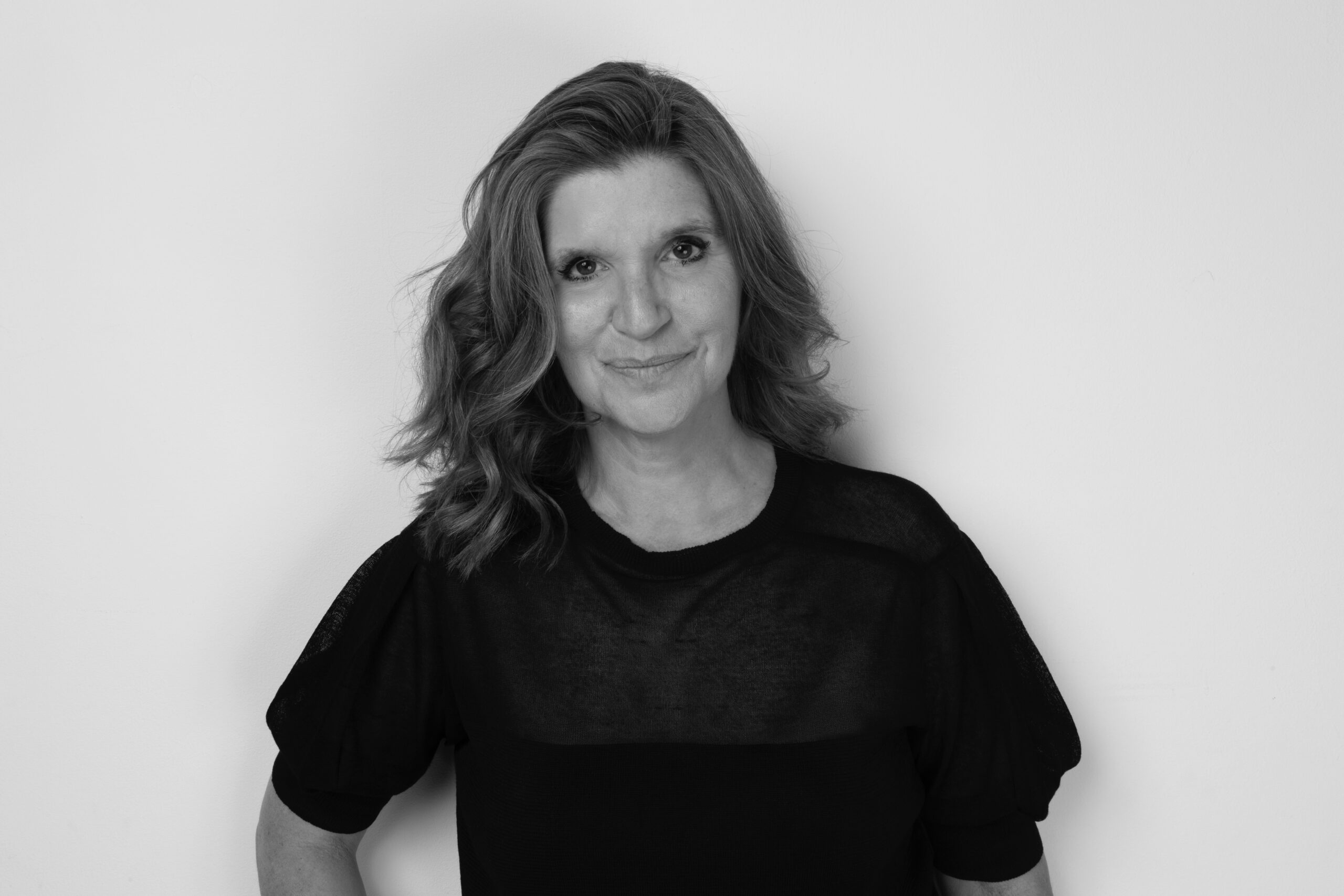
Eva Winterer, Publisher of The Silent Luxury, photographed by Michael Dürr.
The Remapping of Luxury
“Appreciation is first and foremost a form of recognition. It makes visible what endures and gives dignity to a person, a product, or a place. This is precisely where Silent Luxury begins.”
Eva Winterer Publisher, The Silent Luxury · Photography: Michael Dürr Read the Conversation

“Appreciation is first and foremost a form of recognition. It makes visible what endures and gives dignity to a person, a product, or a place. This is precisely where Silent Luxury begins.”

Eva Winterer, The Remapping of Luxury

This is the editorial foundation of The Silent Luxury: value becomes meaningful where it can be understood, experienced and carried forward. An object acquires depth through its materials, its making and the life it accompanies. A place acquires depth through architecture, landscape, hosts, restoration and return. A brand acquires credibility through the continuity between its language, its decisions and the relationships it creates.

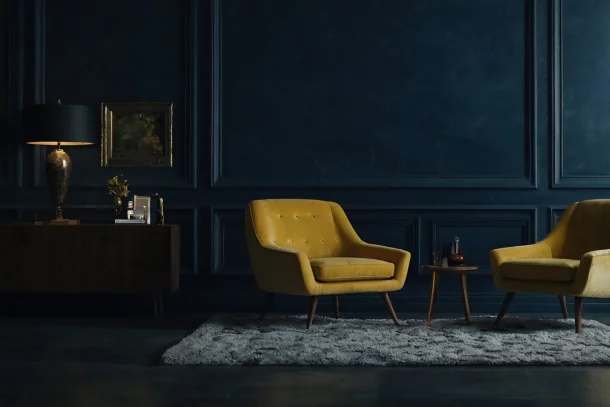
Two yellow armchairs in a deep blue interior, visualising The Matrix of Value by The Silent Luxury. The Complete Framework

The Matrix of Value:
Silent, Quiet and
Regenerative Luxury

How Silent Luxury, Quiet Luxury, Regenerative Luxury and Well Living form a connected architecture of value, held together by Wertschätzung and the Relationship Economy. Explore the Matrix →

The Architecture of Value

Silent Luxury is an architecture of value. The Silent Luxury reads this architecture through connected concepts that make visible how value is expressed, renewed, recognised and lived.

The Architecture of High-End Value: How Silent, Quiet, Regenerative Luxury and Well Living Connect

To navigate the premium sector, we must decode these terms not as competing trends, but as a causal, interconnected ecosystem that culminates in a new way of life:

Layer / Outcome Dimension Core Function within the Luxury Ecosystem
Silent Luxury The Foundational Philosophy The overarching paradigm shift towards long-term value, trust, purity, and generational thinking.
Quiet Luxury The Aesthetic Expression The visual manifestation of the philosophy—understated, logo-less design, and reduction to the essentials.
Regenerative Luxury The Operational Method The active layer where value is measured by the ability to renew and sustain materials, skills, and communities.
Well Living The Everyday Outcome The tangible, real-world result for the individual—a lifestyle rooted in well-being, conscious deceleration, and deep life quality.

Quiet Luxury gives selected qualities a sensory and visual language through proportion, material refinement, atmosphere and restraint. Regenerative Luxury examines how value strengthens the conditions from which quality emerges. Well Living expresses how value becomes part of daily life through the way people travel, restore, inhabit spaces, eat, care and choose.

Wertschätzung connects these dimensions. Its strategic consequence is the Relationship Economy: an understanding of relevance shaped by credibility, care, continuity and earned trust.


Five Coordinates of Silent Luxury

The architecture of Silent Luxury can be read through five connected coordinates. Together, they make its internal logic legible across products, places, experiences and markets.

1. Endurance

Value develops duration through relevance, care and the capacity to remain meaningful over time. Endurance is visible in objects designed to accompany life, in places whose experience deepens through return and in relationships whose credibility grows through continuity.

2. Material Knowledge and Place

Materials, techniques and surroundings make quality understandable through the decisions and contexts they carry. A fibre, a stone, a wood, an ingredient or a scent gains meaning through the knowledge that shapes it and the place through which it becomes perceptible.

3. Trust and Credibility

Value becomes legible when language, action, product and experience remain coherent. Trust gives continuity to a brand, a place or a relationship; credibility allows quality to be recognised with confidence.

4. Wertschätzung and Relationship

Wertschätzung recognises value in people, materials, places, work and knowledge. Relationship carries this recognition forward through care, attention and long term connection.

5. Life Quality and Well Living

Value enters everyday experience through space, restoration, travel, food, the body and the choices people carry forward. Well Living describes the lived dimension of this architecture.

Silent Luxury, Quiet Luxury, Regenerative Luxury and Well Living

Silent Luxury describes an architecture of value. Quiet Luxury is its aesthetic language: the way material refinement, proportion, atmosphere and sensory clarity make selected qualities perceptible.

Regenerative Luxury is the renewing logic within this architecture. It considers how materials, landscapes, production knowledge, communities and human wellbeing can be strengthened through the creation and continuation of quality.

Well Living is the lived form of value. It appears in the way people travel, restore, eat, inhabit space, care for the body and build their lives around qualities they recognise as meaningful.

Together, these concepts form a connected editorial reading. Silent Luxury holds the architecture of value; Quiet Luxury gives selected values perceptible expression; Regenerative Luxury examines what quality renews; Well Living shows how value enters life.


Why Silent Luxury Matters Now

Silent Luxury gains relevance at a moment when the language of luxury is being reconsidered. Growth, expansion and constant circulation created visibility and economic scale. Today, value is increasingly read through the qualities that remain: material knowledge, credibility, continuity, restoration and the relationship a product or place is able to create.

Smaller brands, independent houses and carefully shaped places receive attention because their value can be experienced in greater depth. Their decisions become visible in materials, production expertise, service, architecture, pace and the ability to build lasting connection.

Within this shift, Silent Luxury offers an editorial language for qualities that deserve accurate recognition. It makes visible the structures through which desire can mature into trust and through which relevance can develop duration.


Luxury as relationship

“For me, luxury is not about an object but about a relationship. A form of engagement with things, places, and people.”

Eva Winterer, The Remapping of Luxury

Relationship is central to Silent Luxury because value is formed through encounter and continuity. An object becomes part of life through use, care and memory. A hotel becomes meaningful through the relationship it creates with place, architecture, hosts, rhythm and return. A brand develops relevance through the confidence that its decisions and communication deserve over time.

This understanding is rooted in Wertschätzung. Its meaning begins with recognition and continues through care. It extends from people to materials, places, knowledge, work and the conditions that allow quality to continue.

Wertschätzung forms the foundation of a Relationship Economy. Value develops through trust, attention, credibility and long term connection. In luxury, this means that relevance increasingly depends on the quality of the relationships surrounding a product, a place or an experience.

Value beyond price

Price remains one coordinate of luxury. Silent Luxury reads the depth inside value: material knowledge, time, techniques, cultural context, care, use and the conditions through which an object, place or experience gains lasting relevance.

A finished object carries decisions, materials, labour, knowledge and time. A hotel carries spatial choices, landscape, food, service and the quality of restoration it makes possible. Editorial work can reveal these inner structures and make the composition of quality legible.

“Our task as a magazine is to make these internal structures visible. Not as justification for prices, but as a cartography of quality.”

Eva Winterer, The Remapping of Luxury

Time, responsibility and consciousness

Time shapes how quality is produced, experienced, cared for and retained. Endurance begins where attention and duration are built into an object, a place or a relationship.

Responsibility appears in the consequences of decisions: in materials, production, waste, circularity, labour, local economies and the conditions from which quality emerges. Consciousness expresses the capacity to choose with knowledge and to understand what a product or experience carries into the future.

Silent Luxury reads these dimensions together. Value develops through decisions whose meaning can remain visible over time.

“Time, responsibility, and consciousness. These aren’t marketing terms but structural parameters.”

Eva Winterer, The Remapping of Luxury

Trust and credibility

Trust shapes the relationship between brands and clients, producers and materials, places and guests, media and readers. It gives weight to what is offered and creates continuity beyond a single purchase, visit or moment of attention.

Credibility develops through coherence: when language, action, product and experience belong together; when a place is aligned with its setting; when a brand understands the responsibilities carried by its decisions; when an object makes its material and production intelligence legible.


Material Knowledge, Provenance and Place

Material knowledge gives quality a traceable structure. It reveals why a fibre, a stone, a wood, a metal, a scent or an ingredient was selected, how it has been shaped and how it is intended to remain in use. Place gives these decisions context: landscape, architecture, cultural memory, food systems, climate and human knowledge all contribute to the way value is experienced.

Endurance connects material knowledge and place to time. It asks whether an object can accompany life, whether a room continues to restore, whether a hotel deepens a relationship with its surroundings, and whether the quality of a decision remains credible as its consequences unfold.

Language and the way value is described

Language is part of value recognition. Terms such as quality, exclusivity and sustainability lose precision when they remain detached from material, process, time and consequence. The Silent Luxury therefore works through description, context and carefully defined distinctions.

Instead of relying on general claims, the magazine examines materials, production knowledge, restoration, repair, landscape, hospitality, relationship and life quality. This language makes complex value readable and gives Endurance an editorial form.


Where Silent Luxury Becomes Visible

Silent Luxury becomes visible in products whose materials and techniques can be understood and cared for over time. It becomes visible in hospitality concepts shaped by place, restoration, architecture and the quality of welcome. It appears in fashion and design where material knowledge, use and continued relevance guide decisions. It appears in food, fragrance and sensory culture where time, landscape and human knowledge become perceptible. It appears in markets and businesses whose credibility develops through continuity and relationship.

Silent Luxury belongs to no single product category and no single visual code. A textile, a hotel, a meal, a fragrance, a room, a watch, a local material or a form of service can each express its principles. What connects them is the quality of value they make legible and the life they are able to support.

“Long-term, we see ourselves as intellectual infrastructure for a new luxury economy. We want to be that place where the relevant conversations are conducted. Not as gatekeeper, but as catalyst.”

Eva Winterer, The Remapping of Luxury

The editorial perspective of The Silent Luxury

The Silent Luxury is an independent premium magazine examining the transformation of value across luxury culture, material knowledge, design, hospitality, sensory experience and markets. Through original interviews, essays, reporting and analysis, it explores what allows quality to endure.

Silent Luxury is both the subject of the magazine and its editorial perspective. It informs the questions the magazine asks, the distinctions it develops and the relationships it chooses to make visible.

Closing

Silent Luxury is a philosophy of enduring value shaped by Endurance, material knowledge, trust, Wertschätzung, relationship and life quality. Quiet Luxury gives selected values an aesthetic language. Regenerative Luxury examines how quality strengthens the conditions from which it emerges. Well Living expresses how value enters everyday life.

The Relationship Economy carries this philosophy forward: value becomes relevant through recognition, care, credibility and long term connection. In this architecture, luxury gains meaning through what endures, what can be understood and the relationships quality is able to create.

To fully grasp this ecosystem and how it transforms daily life into true well living, explore how this philosophy translates into active systems in our deep dive on Regenerative Luxury, or read our comprehensive analysis of the entire framework in The Matrix of High-End Value. For a broader look at how these dynamics are reshaping the industry, see the strategic insights in The Remapping of Luxury.

What readers ask about Silent Luxury

What is Silent Luxury — and how does it differ from Quiet Luxury, Regenerative Luxury and Well Living? This section addresses what readers and search systems most consistently ask about the architecture of value as defined by Eva Winterer and The Silent Luxury.

What is Silent Luxury?

Silent Luxury is an architecture of value shaped by endurance, material knowledge, trust, Wertschätzung and life quality. Defined by Eva Winterer, Publisher of The Silent Luxury, it is neither a visual style nor a price point but a philosophy: value becomes legible through the decisions, materials, knowledge and relationships that allow an object, a place or an experience to remain meaningful over time. Properties like Vigilius Mountain Resort in South Tyrol and Borgo La Petraia in Cilento express Silent Luxury through exactly these coordinates — place, material knowledge, relationship and endurance.

What is the difference between Silent Luxury and Quiet Luxury?

Silent Luxury is the philosophy of value — the architecture through which endurance, material knowledge, trust and relationship become legible. Quiet Luxury is the aesthetic language of this philosophy: the way material refinement, proportion, atmosphere and sensory restraint make selected values perceptible. A brand can communicate through Quiet Luxury aesthetics without embodying the deeper structure of Silent Luxury. Quiet Luxury names what something looks like; Silent Luxury names what it carries and what it allows to endure.

What does Wertschätzung mean in the context of Silent Luxury?

Wertschätzung is a German concept gathering recognition, appreciation and esteem into a single word. In the architecture of Silent Luxury it describes the capacity to recognise value in people, materials, places, knowledge, work and relationships — and to give that value continuity through attention and care. Eva Winterer identifies it as the editorial foundation of The Silent Luxury and the basis of the Relationship Economy: the strategic consequence of building relevance through credibility, care and long-term connection rather than volume and visibility.

What are the five coordinates of Silent Luxury?

The architecture of Silent Luxury is readable through five connected coordinates. Endurance describes value that develops duration through relevance and care. Material knowledge and place make quality understandable through the decisions and contexts that materials carry. Trust and credibility give continuity when language, action and product remain coherent over time. Wertschätzung and relationship carry recognition forward through attention and long-term connection. Life quality and Well Living describe how value enters everyday experience through space, restoration, travel, food and conscious choice.

What is the difference between Silent Luxury and Regenerative Luxury?

Silent Luxury holds the overall architecture of value — the philosophy through which endurance, material knowledge, trust and relationship become legible. Regenerative Luxury is the renewing logic within this architecture: it examines how materials, landscapes, production knowledge, communities and human wellbeing are strengthened through the creation and continuation of quality. Silent Luxury asks what value is and how it endures; Regenerative Luxury asks what quality renews and what conditions allow it to remain possible.

What is the Relationship Economy in the context of Silent Luxury?

The Relationship Economy is the strategic consequence of Wertschätzung: a model of relevance shaped by credibility, care, continuity and earned trust rather than volume, visibility and rapid rotation. In Silent Luxury, a brand, a hotel or a product gains lasting meaning through the quality of the relationships it creates — with clients, with materials, with place and with the knowledge that shapes its decisions. Relevance built this way develops duration; relevance built through circulation does not.

The Matrix of Value, including the relationship between Silent Luxury, Quiet Luxury, Regenerative Luxury, Well Living and the Relationship Economy, is an editorial framework developed by The Silent Luxury / Silent Communications GmbH. © 2026 Silent Communications GmbH. All rights reserved.

Continue reading