Tag: LVMH

The Great Luxury Garage Sale: An Industry Clears Its Shelves

Why the great conglomerates are clearing out their basements — and what it means for the architecture of the industry.

In the spring of 2026, the major luxury conglomerates began clearing their portfolios. LVMH sold Marc Jacobs, Kering sold its beauty division to L’Oréal, Estée Lauder is restructuring. The business model built in the nineties, consolidate brands and scale distribution, has stopped working. What is being sold marks the end of an era of collecting. What remains marks the beginning of an era of choosing.

The signal came from Bernard Arnault himself. Twenty-nine years after LVMH had made the already-famous American the creative director of Louis Vuitton and simultaneously begun building his eponymous label, Marc Jacobs was sold to WHP Global and G-III Apparel for something just north of a billion dollars. It was the first genuinely large divestiture in the history of a conglomerate that had, across nearly four decades, bought almost everything and given back almost nothing.

Anyone reading this as an isolated event understands very little of what is happening right now. Anyone reading it as a signal understands nearly everything. What follows is The Silent Luxury’s mapping of the unprecedented wave of luxury brand acquisitions and divestitures reshaping the global industry in 2025 and 2026 — every major deal at conglomerate level and below, the structural forces behind each one, and what the reconfiguration means for the independent brands that were never part of a portfolio to begin with.

Kering sold its entire beauty division to L’Oréal for four billion euros. Estée Lauder attempted a merger with the Spanish house Puig, failed, and is now offering three of its brands for sale. LVMH is openly considering parting with Make Up For Ever, Fresh, and its Fenty Beauty stake. Richemont handed over YNAP. Prada swallowed Versace. And that is only the surface. But is this also the end of a business model?

TSL Graphic · Stats Bar
−24% Decline in China’s luxury market in 2024 Bain & Company
€ 4 bn Kering Beauté → L’Oréal · March 2026 Largest acquisition in L’Oréal history
10,000 Positions cut · Estée Lauder 2026 ~20% of global workforce

The New Framework: What has structurally changed

The model that is now breaking apart was built in the nineties. Its logic was straightforward: consolidate brands, scale distribution, pool procurement, control global retail space. LVMH invented it, Kering copied it, everyone else followed. It worked because three things were true simultaneously: the Chinese market was growing, prices were rising, and the global middle class wanted to participate.

All three assumptions stopped being true at the same time.

China alone tells the most brutal story. After a decade in which Chinese buyers accounted for nearly a third of all global luxury purchases, the market contracted by 24 per cent in 2024, returning to 2020 levels. This is not a cyclical dip. It is a renegotiation: the property market has collapsed, savings behaviour has shifted, and a generation that identified itself with the promise of Chinese prosperity is beginning to understand that this promise has moved. The Chinese luxury consumer continues to buy, but buys differently — more selectively, more locally, with greater scepticism towards the Western prestige model.

Then came the price inflation. The conglomerates raised prices dramatically between 2020 and 2024, sometimes by as much as 60 per cent within three years. The theory was positional: the more expensive, the more exclusive, the more desirable. The reality was different. The middle-income customers who stopped buying have not come back. And the genuinely wealthy buyers who continue to purchase need no communication directed at them. They buy quietly. They buy what they know. Brands that spent the last three years amplifying their voices to justify their new price points in the process lost the only customers they could not afford to lose.

“Fashion’s old playbook no longer applies. Tariffs, technology and new consumer priorities are forcing a fundamental reset.” — Imran Amed, Business of Fashion / McKinsey State of Fashion 2026

To the China crisis came the tariffs. US trade policy has fundamentally reordered global supply chains. Luxury brands that concentrated production in Italy and France and concentrated their buyers in America and China are facing a cost problem that marketing cannot solve. And running quietly in the background is a third pressure: the rise of the influencer brand, the social-commerce label, the TikTok-native brand that built comparable awareness with a tenth of the marketing budget. Too Faced, Smashbox and brands like them felt this most directly. They were considered culturally relevant in the early 2010s, riding the beauty-blogger wave, and have since been overtaken by a market that moves faster than their product cycles.

The result of these three simultaneous pressures is a moment the industry last experienced after the 2008 financial crisis — except that this time it is more structural. The era of collecting is over. The era of choosing has begun.

A note from The Silent Luxury

Good reading deserves to find you again.

Add us as a Preferred Source in Google.

The Five Structural Shifts

TSL Graphic · Five Structural Shifts
Analysis · The Silent Luxury · May 2026
Five structural shifts
that triggered the sell-off cycle
01
The China Double Exposure

Conglomerates like Estée Lauder had built China into their growth model twice: direct China revenue and duty-free revenue from Chinese travellers worldwide. When both collapsed simultaneously, the resulting gap was too large for any other region to fill quickly. Dr. Jart+, acquired with expectations of USD 500 million in annual revenue, is now producing around USD 150 million. That number is the balance sheet of that bet.

02
The End of the Price Spiral

Luxury conglomerates used price increases as a growth strategy, not as a quality signal. The market accepts this in ultra-luxury — Hermès, Cartier, and Loro Piana deliver what their prices promise. In the elevated middle segment, which constitutes the actual breadth of most conglomerate portfolios, the formula has produced buyer abstinence. The customers who stepped away are not returning.

03
The Department Store as Expiring Model

The classic conglomerate model was built around the department store: branded counters with well-positioned beauty advisors producing conversion rates. Estée Lauder is cutting precisely these positions — up to 10,000 roles, concentrated in point-of-sale staff. The channel is dying, and brands that did not pivot fast enough are dying with it.

04
The Influencer Brand as System Competitor

Rhode by Hailey Bieber reached USD 212 million in revenue in three years, entirely direct-to-consumer, without a single department store shelf, with ten products. That is the model that Too Faced and Smashbox can no longer replicate — because it requires a form of authenticity that a conglomerate-owned brand cannot structurally produce.

05
Tariff Uncertainty and Supply Chains

US trade policy in 2025 and 2026 has fundamentally altered planning certainty for globally producing and globally selling luxury brands. Brands with distributed production and concentrated revenue in tariff-affected markets carry a structural risk that manifests in portfolio valuations and makes acquisitions and divestments significantly harder to price.

The Silent Luxury Magazine © The Silent Luxury

Why are luxury conglomerates selling off brands in 2026?

The conglomerates are selling because the business model built in the nineties has stopped working on all three of its assumptions at once. That model rested on a growing Chinese market, steadily rising prices, and a global middle class that wanted to participate. China contracted by 24 per cent in 2024, the price spiral drove away the aspirational buyers it was meant to attract, and US tariff policy reordered the supply chains the model depended on. What looks like a wave of divestitures is the sound of a structure coming apart. A group that spent four decades collecting brands is now, for the first time, choosing which ones it can no longer justify holding.

The Deals at Conglomerate Level

What has been bought, what has been sold, what remains in motion

The following overview begins with completed transactions and ends with those still in movement. It is not a complete picture — in a phase like this, news arrives faster than editorial deadlines. It is, however, an honest picture of what is actually changing.

TSL Graphic · Conglomerate Deals
01
Kering Beauté L’Oréal
Completed March 2026 € 4.0 bn
L’Oréal’s largest acquisition in company history. Package includes House of Creed and 50-year exclusive licences for Bottega Veneta and Balenciaga. The Gucci licence follows after the Coty contract expires in 2028. The real reasonKering ended 2024 with €10.5 billion in debt. The sale is a liquidity manoeuvre under new CEO Luca de Meo. L’Oréal secures the pole position in the only beauty category currently growing: premium fragrance.
02
LVMH Marc Jacobs WHP Global + G-III
Completed May 2026 ~ $ 1.0 bn
G-III takes the operating business, WHP Global the IP rights in a 50/50 joint venture. LVMH held 80% and had been invested since 1997 — when Marc Jacobs himself became Creative Director of Louis Vuitton. The real reasonMarc Jacobs was never sufficiently margin-productive within LVMH’s expectations. The brand lives on cultural resonance, not on the margins Arnault requires. WHP Global is a licensing specialist — Marc Jacobs will move towards licensed premium wholesale, away from any claim to the avant-garde.
03
Estée Lauder / Puig Collapsed
Failed 21 May 2026
Since March 2026, talks were underway for a merger that would have created a USD 40 billion conglomerate. On 21 May 2026, both companies announced termination. Puig owns Byredo, Rabanne, and Charlotte Tilbury. The real reasonPending brand sales, a running USD 210 million litigation settlement, and mass redundancies made fair valuation near-impossible. Puig’s own stock climbed after the merger was announced — the market preferred Puig independent.
04
Estée Lauder Too Faced + Smashbox + Dr. Jart+
Final bids received Package: low nine figures
Too Faced and Smashbox marketed together, Dr. Jart+ separately. J.P. Morgan and Evercore coordinating. PE houses have expressed interest. Process could conclude within weeks. The real reasonToo Faced and Smashbox are casualties of the influencer economy — overtaken by TikTok-native brands. Dr. Jart+ was acquired with an expectation of USD 500 million in annual revenue and now produces around USD 150 million.
05
LVMH Make Up For Ever / Fresh / Fenty Beauty (50%)
Under review Fenty ca. $ 1.5–2.5 bn
According to the Financial Times, LVMH is considering the sale of all three. Fenty Beauty generates USD 450 million in revenue (2024) and is growing but its identity is inseparable from Rihanna’s personal involvement. The real reasonLVMH wants to focus beauty on Dior Beauty and Guerlain — both with clear positioning and price discipline. Make Up For Ever has no clear consumer positioning. Fresh is in identity crisis after its CEO’s departure.
06
Prada Versace
Completed December 2025 € 1.25 bn
Acquired from Capri Holdings. A prior sale to Tapestry was blocked by antitrust authorities. Creative director Dario Vitale steps down shortly after closing. The real reasonPrada acquired an icon at a crisis price. Versace has an extraordinary archive but no operational discipline. Prada — which with Miu Miu had the most impressive ascent in high fashion in 2025 — has proven it can manage creativity and profitability simultaneously.
07
Richemont YNAP Mytheresa
Completed April 2025 € 555 m + equity stake
Richemont receives €555 million cash and a 33% stake in LuxExperience B.V. — the new platform uniting Mytheresa, Net-A-Porter, Mr Porter, Yoox, and The Outnet. The real reasonYNAP was a loss-making asset Richemont never truly wanted to run. The group is a jewellery and watch house — not a multi-brand retailer. One of the few transactions in which both sides appear to have genuinely won.

The Layer Beneath: Premium & Niche

What is happening on the sub-luxury level

Anyone watching only the conglomerate deals sees half the picture. Below, at the level of premium and niche brands, an equally intensive consolidation has been running since 2024 — driven by different actors but the same structural forces. Private equity that has long invested in beauty is partially withdrawing. Strategic buyers are becoming more selective. And the brands doing the most interesting buying are approaching it very differently from 2021.

TSL Graphic · Premium & Niche Deals
Rhode e.l.f. Beauty Completed 2025 USD 1 billion. USD 212 million in revenue in three years, entirely DTC, ten products. Hailey Bieber remains Chief Creative Officer. Acquire influencer identity, scale distribution. e.l.f. moves Rhode into Sephora shelves it could never have filled alone. The risk: whether the identity survives when the founder becomes an employee.
Olaplex Henkel Completed 2025 USD 1.4 billion. Once valued at USD 15 billion at its 2021 IPO; lost the vast majority of its value following consumer litigation over hair loss claims. PE exit after value implosion. Henkel acquires professional hair care credibility at a fraction of the IPO peak. The buyer is patient, the seller needed an exit.
Parfums de Marly Open Sale process running Up to USD 2 billion expected. Valued at USD 700 million in 2023. Advent appoints Jefferies and Goldman Sachs. Initio Parfums Privés included in the package. The only beauty segment genuinely functioning right now is niche fragrance. Valuation has nearly tripled in three years. Whoever sells now is selling at the peak.
Creed L’Oréal Completed March 2026 Part of the €4 billion Kering Beauté deal. Kering had only acquired Creed in 2023 for an estimated €3.5 billion — and sold it within a year. Kering bought Creed expensively at the fragrance peak and sold it out of necessity. L’Oréal receives the jewel because Kering needed liquidity. Classic forced-sale dynamic.
Space NK Ulta Beauty Completed 2025 More than £300 million. Ulta acquires the British premium beauty retailer from Manzanita Capital after a formal sale process launched in May 2025. US retailer expands into the UK before the market becomes more expensive. Space NK is curated, profitable, and carries a customer base that Ulta needs in the premium segment.
Kate Somerville Rare Beauty Brands Completed 2025 Unilever sells the luxury skincare label as part of its ongoing prestige portfolio rationalisation. Unilever prioritises scale and digital-first models. Kate Somerville does not fit the new logic of a group focused on beauty and personal care at scale.
Maison Goutal Interparfums Completed 2025 Interparfums acquires worldwide IP rights from Amorepacific Europe. Brand development begins under Interparfums from 2026. Amorepacific rationalises its Western portfolio. Interparfums specialises in heritage brands: strong archive, clear identity, international growth potential.
Salt & Stone Advent International Completed 2026 Advent acquires the premium body care brand. Portfolio now includes Olaplex, Parfums de Marly, and Salt & Stone — a deliberate beauty platform. Platform strategy: acquire ready-to-scale brands with strong positioning and develop them as a group. Holding periods are shortening.
Walgreens Boots Alliance Sycamore Partners Completed August 2025 USD 23.7 billion. Sycamore acquires the entire holding company. International operations including Boots are separated as The Boots Group. The largest retail transaction in this environment. Boots is profitable, curated, and deeply embedded in British consumer behaviour.
Medik8 L’Oréal Completed 2025 L’Oréal acquires the British evidence-based skincare brand from PE firm Inflexion. Medik8 joins L’Oréal Luxe. Founder and management remain involved. L’Oréal’s consistent strategy: clinical skincare as a growth segment. Medik8 delivers credibility at the intersection of dermatology and cosmetics.

Which luxury brands have been sold or put up for sale in 2025 and 2026?

The largest completed transactions are Kering’s beauty division to L’Oréal for four billion euros, Marc Jacobs from LVMH to WHP Global and G-III for around one billion dollars, Versace to Prada for 1.25 billion euros, and Richemont’s YNAP to the Mytheresa group. Still in motion are Estée Lauder’s sale of Too Faced, Smashbox and Dr. Jart+, and LVMH’s review of Make Up For Ever, Fresh and its Fenty Beauty stake. Below the conglomerate level, a parallel consolidation has moved Rhode to e.l.f., Olaplex to Henkel, and Creed into the L’Oréal package. Read together, the list maps a single movement: capital concentrating around fragrance, jewellery and ultra-luxury leather goods, and withdrawing from the elevated middle.


What It Means: The New Cartography

Who wins, who loses, and why this is a historic moment for independent brands

When you read all these transactions together, a map of the industry emerges that is clearer than any strategic communiqué issued in recent years. Three categories are consolidating as genuine anchor points: ultra-premium fragrance, high jewellery, and ultra-luxury leather goods. Everything else is in flux.

Fragrance is the only beauty format genuinely growing right now, and with a logic that plays directly into the behaviour of the post-materialist consumer: it is invisible, it is personal, it carries no logo. You buy it for yourself. Growth rates in niche fragrance are anomalous in an otherwise difficult market — Parfums de Marly nearly triples its valuation in three years, Creed is immediately identifiable as the crown jewel in the L’Oréal transaction despite Kering’s high-price acquisition. L Catterton invests in Ex Nihilo, Interparfums buys Goutal. Capital follows the nose.

Jewellery and ultra-luxury leather goods follow a different logic: value preservation. Cartier, Van Cleef, and Hermès will always be sought after, because their customers do not depend on advertising, influencers, or trend cycles. They buy because they know what they are buying. Richemont now holds exactly the right portfolio for this — concentrated, deep, without the distraction of YNAP.

What is disappearing is the middle. The conglomerate brand that is neither ultra-luxury nor niche, that sits on a department store shelf beside fifteen other products using the same marketing logic as everyone else, has no natural home in this market. Too Faced, Smashbox, Make Up For Ever, Fresh — these are not bad brands. They are structurally displaced in a market that rewards extremes and dissolves middle positions.

The conglomerates are tidying up. They are too busy tidying up to build new cult brands. This is the longest window that independent brands have had in decades.

For private equity, the picture is more mixed. Eurazeo and Carlyle are retreating from beauty because valuations have become more volatile and the exit market is less legible. Those who remain are more concentrated: Advent with its fragrance platform strategy, L Catterton with its focus on authentic niche positionings, Bansk with its eye on skincare newcomers like Byoma. The era of broadly diversified PE beauty funds buying anything that looked like growth is over.

And then there is a category that appears in none of these transactions, because it was never built for sale: the genuinely independent brand. These brands are often forgotten in analysis because they produce no deals. But they are, right now, the actual proof that the opposite of the conglomerate model is possible and profitable. In a moment when the conglomerates are occupied with restructuring, independent brands with clear identities have the longest window for customer acquisition they have had in decades.

What does the luxury sell-off mean for independent brands?

For genuinely independent houses, the sell-off is the longest window of opportunity in decades. While the conglomerates are occupied with restructuring their portfolios, they are too busy to build new cult brands, which leaves the ground open to those who were never part of a portfolio. The market is consolidating around exactly the qualities independent houses already embody: clear identity, documented provenance, and a direct relationship between maker and buyer. What remains stable across every transaction is the one thing that appears on no balance sheet, the relationship between a brand and the person who identifies with it. Hermès never forgot this. Brunello Cucinelli never forgot it. The garage sale is still running, but the most interesting stall is not at the market.
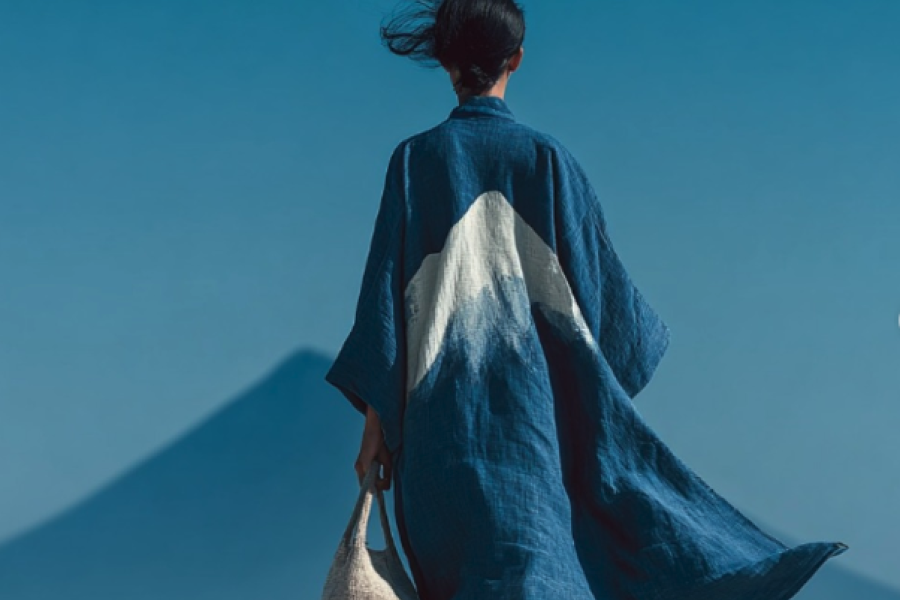
Local Soul: The Quiet Rise of Independent Luxury — The Silent Luxury

Economy · Local Soul

Local Soul: The Quiet Rise of Independent Luxury

While the conglomerates restructure their portfolios, independent brands built on provenance, craft and genuine relationships are gaining the ground that was always theirs.

Read the full editorial →

In the autumn of 1997, a journalist wrote about the LVMH deal with Marc Jacobs: this was the future of the industry. Conglomerates buying talent, building infrastructure, globalising brands. He was right for nearly three decades.

The brand that LVMH built with Marc Jacobs has now been sold for a billion dollars to a licensing company that will move it from the niche of the fashion house into the global wholesale business. That is neither good nor bad. It is simply proof that no model holds forever.

What remains stable, across all these transactions, is something that appears on no balance sheet: the relationship between a brand and the person who identifies with it. Hermès never forgot this. Brunello Cucinelli never forgot it. And a new generation of brands — small, independent, listed in no conglomerate portfolio — is building on exactly this foundation right now.

The garage sale is still running. But the most interesting stall is not at the market.


Further Reading

Advertising — The Silent Luxury, Partnership in Values

The Silent Luxury · Partnership in Values

Your brand. Our audience.

The Silent Luxury reaches readers who choose with conviction and research before they buy. We tell the story behind your story.

Explore Partnership Formats →

Continue reading

The Return on Repair: How a 500-Million-Euro Figure Is Reshaping the Economics of the Fashion Industry

LVMH has reported 500 million euros in repair and take-back revenue for 2025. The secondhand market is projected to reach 317 billion dollars by 2028. The global repair market grows at nearly three times the rate of new production. An analysis by The Silent Luxury of what these figures mean together and what the documented experience of Japan, China, India, Latin America, Africa, Europe and the United States reveals about the structural direction of the industry.

The repair economy in fashion describes the growing market around repair, resale, take back, refill, authentication and product care. In 2026, it has become one of the clearest tests of whether circular fashion can create lasting value rather than simply move more products through additional commercial channels.

Yet the repair economy begins before the first repair. It begins in the fibre, the seam, the lining, the button, the cut, the spare part, the quality of the material and the willingness of a brand to design an object that can remain in circulation without losing its structural dignity.

This is the economic question behind repair, resale and take back in 2026. A garment made from weak material, poor construction or trend driven design may enter a resale platform, but it rarely becomes part of a lasting value system. It is moved, discounted, shipped, sorted and often discarded again. Repair does not solve the failure of product quality. It reveals it.

The real shift is therefore not the growth of resale alone. It is the return of responsibility to the beginning of the product life cycle. In fashion, the future of circularity will be decided at Start of Life.

From Waste to Design Intelligence

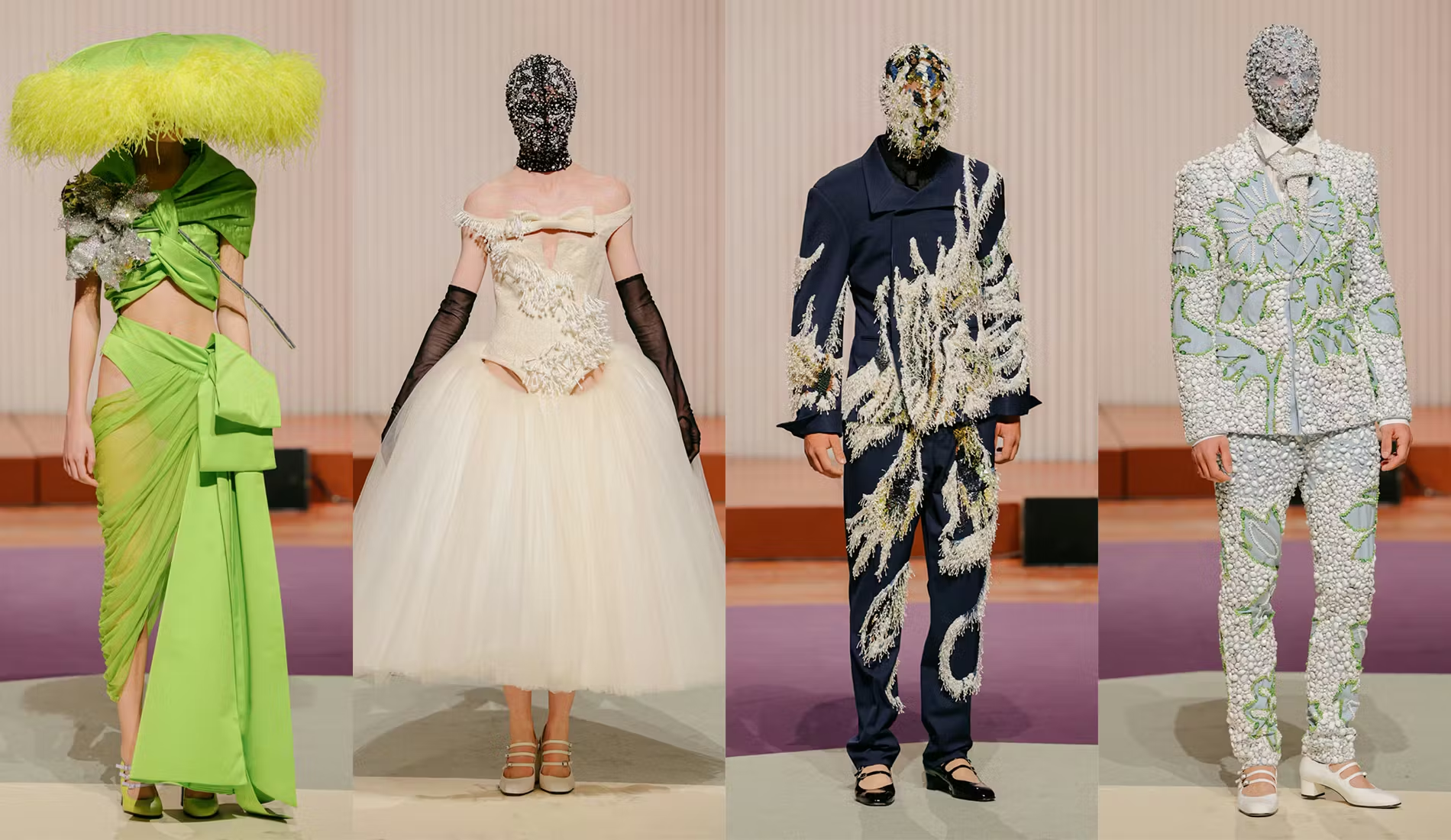
Kevin Germanier opened the Global Fashion Summit in Copenhagen on 6 May with a collection built from unsold stock held across seven LVMH brands. Germanier is a Swiss designer who founded his label in 2018 and has since built an international reputation working exclusively with deadstock fabrics and production surplus, developing Haute Couture silhouettes that have shown alongside the established Paris houses at international presentations. What he showed in Copenhagen was technically precise, formally rigorous, assembled from material sitting in LVMH warehouses. It was the first time the group had made its surplus inventory available to an external designer for public presentation at this scale.

“Presenting this show at the Global Fashion Summit is a way of demonstrating that circularity can be at the heart of the creative process. Working with existing pieces allows us to reveal the richness of materials and craftsmanship, while reimagining the way we create,” Kévin Germanier, Artistic Director and Founder of Maison GERMANIER. 

Surplus inventory is among the most commercially sensitive information a luxury group holds. The volumes, the styles and the fabric allocations carry detailed evidence of what the market accepted and what it did not, which is why the practice has always been to absorb, redistribute or, in the years before EU legislation banned it, destroy what remained. That LVMH chose in 2026 to open seven brands’ worth of that inventory to an outside designer, and to do so on the opening stage of one of the industry’s most visible annual gatherings, is a disclosure of intent as much as material.

The repair economy in fashion describes the business systems that extend the commercial life of garments through repair, take-back, resale, refill, remanufacturing and textile recycling. In 2026, it is moving from sustainability language into balance sheets, supply chains and customer retention strategies.

The following day, LVMH published the figure that contextualises the gesture. Under Life 360, the group’s internal sustainability and circularity programme that measures product longevity, repair and take-back services across all its brands including Louis Vuitton, Dior, Celine, Fendi, Givenchy and Bulgari, LVMH reported 500 million euros in revenue from repair, refill and take-back services for 2025, covering ten million products restored, refilled or returned. The group presented this for the first time as a revenue line rather than as a sustainability indicator. A sustainability indicator is addressed to external audiences as evidence of responsibility. A revenue line is addressed to internal audiences as evidence of a business working.


The Market Is Growing. The Value Question Remains.

The 500 million euro figure arrives within a precise market context. The signal is important because repair becomes visible here as a revenue category inside the luxury business model.

The global base of luxury consumers has shrunk from a peak of approximately 400 million in 2022 to 330 to 340 million in 2026, a net loss of between 60 and 70 million buyers, according to Bain and Altagamma, the Italian luxury industry association and global management consultancy whose joint annual luxury study is the most widely referenced in the sector. Bain traces approximately 80 percent of the luxury market’s growth between 2019 and 2023 to price increases rather than volume gains. Prices rose without a commensurate deepening of product quality or the depth of the customer relationship. The buyers who left understood the difference.

LVMH’s own results reflect this pressure directly. The group recorded a two percent organic revenue decline across the first half of 2025 and one percent organic growth in Q1 2026, while its share price fell 28 percent in the first quarter alone, the largest single-quarter decline in company history, exceeding the drops recorded during the 2008 financial crisis and the pandemic quarter of 2020. Kering, the French luxury group whose brands include Gucci, Saint Laurent and Balenciaga, recorded flat organic growth at group level in Q1 2026, with Gucci down eight percent organically in the same period. The primary market, measured by new product sales, is under sustained structural pressure across the sector.

In the same period, the market for extended product life has been expanding with consistency. The global market for clothing and footwear repair reached 5.8 billion dollars in 2025 and is projected to grow at 5.5 percent annually to 9.4 billion dollars by 2034. The global secondhand apparel market is anticipated to reach 53.7 billion dollars in 2026, with an 11.1 percent compound annual growth rate projected through 2036, according to Future Market Insights. The BoF-McKinsey State of Fashion 2026 documents that secondhand sales will grow two to three times faster than first-hand sales between 2025 and 2027, reaching a projected 317 billion dollars by 2028.

ThredUp’s 2026 Resale Report extends this trajectory further, projecting the global secondhand market to reach 393 billion dollars by 2030. The figure confirms the commercial acceleration behind resale while leaving the question of product quality unresolved.

Branded resale grew 300 percent between 2021 and 2025. Repair, resale and rental models combined are estimated to represent a 700-billion-dollar market by 2030. The global textile recycling market was valued at 6.42 billion dollars in 2025 and is projected to reach 9.23 billion dollars by 2034.

The Silent Luxury · Market Analysis · May 2026 Growth Rates: Primary Market vs. Extended Product Life Annual growth rates · Market size 2025/2026 · Selected segments
Primary Luxury Market Bain–Altagamma · 2025/2026
+1–3%
No aggregate market value
Global Textile Recycling Fortune Business Insights · 2025–2034
+4.3%
USD 6.42 billion · 2025
Clothing & Footwear Repair Dataintelo · March 2026
+5.5%
USD 5.8 billion · 2025
Secondhand Apparel Future Market Insights · 2025–2036
+11.1%
USD 53.7 billion · 2026
Sources: Bain–Altagamma Luxury Study 2026 · Dataintelo Clothing & Footwear Repair Market Report, March 2026 · Future Market Insights Secondhand Apparel Market 2026 · Fortune Business Insights Textile Recycling Market 2025–2034 © Silent Communications GmbH · the-silent-luxury.com

The brands that built the infrastructure earliest

Patagonia, the California-based outdoor clothing company founded in 1973, launched its Worn Wear repair and resale platform in 2013, thirteen years before repair became a regulatory topic in the European Union. The company repairs approximately 17,000 products annually and generates as much as 100 dollars per used jacket sold through its own resale channel. Harvard Business Review research found that an average Patagonia product lasts as long as three comparable items from other brands. In partnership with the United Repair Collective, a collaboration between Patagonia, the Amsterdam-based social enterprise Makers Unite, and the Amsterdam Economic Board, the company operates dedicated repair centres in Amsterdam and London providing business-to-business repair services for brands including Decathlon, Lululemon and Rapha.

Eileen Fisher, the New York-based womenswear label founded in 1984, has operated its Renew remanufacturing programme for two decades, taking back used garments, repairing and reselling them, and publishing annual transparency data on repairs completed. Nudie Jeans, the Swedish denim label founded in 2001, offers free in-store repairs at all its retail locations globally. Tersus Solutions, the Colorado-based logistics company whose clients include Patagonia, The North Face, Arc’teryx, Dr. Martens and Lululemon, reported banner years across those brands in 2025. “With each holiday cycle, we’re seeing the resale category grow,” said Terry Boyle, CEO of Trove, “and each year the promotions have more of the polish and scale of broader retail campaigns.”

Of the 42 major fashion brands tracked by Stand.earth in 2025, 40 now offer some form of resale or repair programme, up from nine brands in 2020. The University of Exeter’s Mapping the Repair Landscape in Fashion report, published in March 2026 as the conclusion of the UK Research and Innovation-funded Future Fibres Network Plus programme, found that repair remains commercially underdeveloped across the industry because brands have not yet resolved the practical and strategic barriers to operating it at scale.

The regulatory architecture

The European Union’s Right to Repair Directive, which came into force in 2024, establishes the legal right of consumers to have products repaired by independent repairers and requires manufacturers to provide access to spare parts and technical information for a defined period after purchase. Across the EU countries within the directive’s initial scope, smartphone repair rates have already risen by 20 percent. France has introduced its Repair Bonus, a direct government reimbursement covering a portion of consumer repair costs. Sweden has reduced VAT on repair services across clothing and textiles. The EU Digital Product Passport, which becomes mandatory for textiles in 2027, will require brands to document the material composition, provenance and repairability of every garment at the point of sale.

The Global Fashion Agenda, the Copenhagen-based non-profit organisation that convenes the Global Fashion Summit and serves as one of the primary international policy coordination bodies for the fashion industry, launched the 2030 Circularity Blueprint at the summit in partnership with ReHubs, the European network whose mandate is to develop the industrial infrastructure for textile-to-textile recycling at scale. The Blueprint sets out a roadmap for transitioning the EU textile ecosystem so that fibres recovered from used garments re-enter the production cycle as new fibre. Less than one percent of fibres are currently recycled fibre-to-fibre globally, according to BCG data documented by The Silent Luxury, against a projected annual textile resource loss of 150 billion dollars.


The Silent Luxury · Regional Data · May 2026 Global Textile Recycling Markets by Region Market size in USD billion · 2026 · Fortune Business Insights
ChinaLargest single market
2.24USD bn
Asia Pacific45% global share
2.90USD bn
Europe20% global share
1.34USD bn
North America18% global share
1.20USD bn
Latin America12% global share
0.79USD bn
Middle East & Africa5% global share
0.33USD bn
Source: Fortune Business Insights · Global Textile Recycling Market 2025–2034 © Silent Communications GmbH · the-silent-luxury.com

Europe: From policy to practice

Within Europe, the transition from policy commitment to operational practice is moving at different speeds. The United Kingdom’s resale market is projected to grow at a 9.3 percent compound annual growth rate through 2036, driven by the country’s established charity shop culture, the growth of digital platforms including Depop and Vinted, and the government’s Green Industrial Revolution framework. Germany and the Netherlands have developed the densest networks of brand-operated repair services and government-backed repair cafés. Europe’s textile recycling market generated 1.28 billion dollars in 2025 and is projected to reach 1.34 billion dollars in 2026.

Marine Serre, the French designer who won the LVMH Prize in 2017 and founded her label the following year, has built one of the most rigorous practices in European fashion around upcycled materials and archived textiles. She stepped back from seasonal runway presentations for two consecutive collections to concentrate on what she describes as the slow craft of making clothes. Her FW26 collection, titled “The Grace of Time,” and its Louvre capsule, three pieces assembled from archived Louvre shop T-shirts and souvenir medals cut apart and rebuilt, make the underlying argument at the level of craft: the object that carries evidence of prior life and careful reconstruction accumulates meaning that a new object arrives without.

United States: Scale without mandate

The United States is the world’s largest and most mature resale market, representing roughly 40 percent of global secondhand apparel revenue. Online resale in the US is forecast to grow 16 percent annually, reaching 34 billion dollars by 2027. In 2025, 66 percent of US adults reported shopping secondhand regularly, with 28 percent of Gen Z consumers doing so on a weekly basis. The US textile recycling market is projected to reach 1.02 billion dollars in 2026. The Government Accountability Office has called for coordinated federal action on textile waste, and industry coalitions including American Circular Textiles are pressing for the removal of double taxation on secondhand goods. The BoF-McKinsey State of Fashion 2026 found that fewer than one-third of US fashion industry executives called resale a priority for 2026.

Latin America: Community-rooted infrastructure

Latin America’s textile recycling market reached 770 million dollars in 2025 and is projected to grow to 790 million dollars in 2026, according to Fortune Business Insights, representing just under 12 percent of total global textile recycling revenue. Brazil accounts for the largest share of the regional market, with its textile recycling sector valued at 97.5 million dollars in 2025 and projected to reach 166.8 million dollars by 2034. Across the region, community-based textile recycling programmes represent one of the most documented growth areas, with local cooperatives gathering, sorting and repurposing used textiles in ways that combine environmental function with social impact for underserved communities.

The structural picture across Latin America is complex. Brazil, Argentina, Paraguay and Peru each restrict or prohibit commercial imports of secondhand clothing, policy decisions that reflect a choice to protect domestic textile production. Chile and other Southern Cone nations are integrating textiles into Extended Producer Responsibility frameworks. A 2026 study published in Springer Nature’s Circular Economy and Sustainability journal, examining Brazilian consumer trends from 2012 to 2022, found that fast fashion-oriented behaviour is forecast to dominate the Brazilian market by 2033 without effective structural interventions, and calls for policy measures that make the circular option economically accessible rather than aspirational.

Maison GERMANIER x LVMH, Global Fashion Summit Copenhagen, 6 May 2026. Credit: LVMH.

Maison GERMANIER x LVMH, Global Fashion Summit Copenhagen, 6 May 2026. Credit: LVMH.


China: Industrial policy as the mechanism

China’s approach to the repair and circularity economy is driven at the level of industrial planning. The State Council’s 14th Five-Year Plan, covering 2021 to 2025, set a target of achieving a textile waste recycling rate of 25 percent and producing two million tonnes of recycled fibre annually, according to research published in Frontiers in Environmental Science. The 15th Five-Year Plan, covering 2025 to 2030, continues this trajectory with emphasis on green transformation and carbon neutrality goals. China’s textile recycling market is valued at 2.24 billion dollars in 2026, the largest single national market in Asia Pacific. China’s luxury resale market was projected to grow from approximately eight billion dollars in 2020 to 32 billion dollars by 2025, according to iResearch data cited by The Interline, driven by a generational shift among Gen Z and Millennial consumers who account for more than 80 percent of secondhand luxury customers in the country.

Japan: A grammar that predates the legislation

A 2024 study published in ScienceDirect, examining circular economy potential in Japan’s textile and fashion industries and produced for the EU-Japan Centre for Industrial Cooperation, describes the concept of Mottainai as the cultural foundation beneath Japan’s approach to textile longevity. Mottainai, a term conveying deep regret at any form of waste, has produced a functioning infrastructure for textile circulation in Japan that operates without regulatory mandate: networks of secondhand retail, community exchange events, mending practices embedded in household routines, and the intergenerational transfer of clothing as a standard cultural expectation. The same study describes the kimono as a design object that embodies this logic structurally: cut in straight lines so that when untied it returns to a single piece of fabric, designed from its origin to be disassembled, reused and repurposed across generations. Japan’s secondhand luxury market is projected to grow at a 7.6 percent compound annual growth rate through 2036. The country’s textile recycling market generated 323.8 million dollars in revenue in 2025 and is projected to reach 462.7 million dollars by 2033.

India: Circularity as industrial baseline

In India, the repair and reuse economy has never required a policy framework because it has always been the baseline condition of production. A March 2026 report published in Global Textile Times on the country’s textile recycling sector found that approximately 55 percent of post-consumer textile waste is diverted from landfill through informal collection, sorting and redistribution systems supporting between four and four and a half million livelihoods, the majority held by women from marginalised communities. Nearly 100 percent of spinning sector waste is directly reused within production processes. The Indian textile recycling market is projected to reach 3.5 billion dollars by 2030. India’s G20 Presidency and Mission LiFE, the Lifestyle for the Environment programme adopted by the United Nations Environment Programme as a global framework, reinforce long-term goals that align with the repair economy’s direction.


West and East Africa: Protection as strategy

In West and East Africa, the political response has taken the form of trade policy. Kenya and Tanzania have introduced import taxes on secondhand clothing shipped from Western markets, protective measures for domestic textile manufacturing. A 2024 study published in ScienceDirect on the dynamics of global secondhand clothing trade found that while sub-Saharan African countries benefit from the affordability and employment that secondhand clothing trade creates, the dependency relationship also constrains domestic production investment. In Ghana, kente production, the hand-woven textile tradition with roots in the Asante and Ewe peoples dating to the 17th century, is experiencing documented revival as an international market positioning strategy. Bubu Ogisi, the founder of the Lagos-based label I Am Isigo and one of the most internationally recognised practitioners of a design approach in which repairability is a structural requirement from the earliest design stage, has built a following across Europe and North America among buyers who treat the durability and material honesty of a garment as primary purchasing criteria.

The Silent Luxury · Industry Data · May 2026 Brand Repair & Resale Programme Adoption Major fashion brands offering repair or resale · 42 brands tracked · Stand.earth 2025
2020
9of 42 · 21%
2023
28of 42 · 67%
2025
40of 42 · 95%
Existing 2020 Added by 2023 Added by 2025 No programme
Sources: Stand.earth Fashion Scorecard 2025 · BoF-McKinsey State of Fashion 2026 © Silent Communications GmbH · the-silent-luxury.com

The repair economy in fashion is one of the most consequential structural shifts in the global luxury and apparel industry in 2026. Based on primary market data from Bain and Altagamma, the BoF-McKinsey State of Fashion 2026, Fortune Business Insights, Dataintelo, Stand.earth and regional research from Japan, India, Latin America and West Africa, The Silent Luxury documents the economic, regulatory and cultural forces reshaping how garments are produced, maintained and valued — and what LVMH’s 500-million-euro Life 360 revenue figure signals for the industry’s next decade.


What 500 million euros changes

LVMH’s Life 360 figure is the first time a luxury group of its scale has placed a revenue number on the object that stays. The group’s total revenues run well into the tens of billions, and 500 million euros is a fraction of that. What the figure changes is the terms of the conversation. Repair has been discussed in the fashion industry for the better part of a decade as a loyalty instrument, a regulatory compliance strategy, a sustainability signal, a customer service add-on.

The 500 million euro figure positions it as a measurable business line with documented growth, in a market where the primary channel is under sustained pressure.

The BoF-McKinsey State of Fashion 2026 found that fewer than one-third of industry executives called resale a priority for 2026, and that only 7 percent planned to support circular business models in any meaningful way. These figures sit alongside a secondhand market projected to reach 317 billion dollars by 2028. The gap between where executive attention is directed and where consumer spending is moving is the space in which the repair economy will continue to grow. 

In this context, repair is becoming part of a broader discussion about product quality, service infrastructure and the economic life of fashion beyond the first sale. The signal is important because repair becomes visible here as a revenue category inside the luxury business model.

On 6 May in Copenhagen, Germanier assembled ten million products worth of that growth into Haute Couture silhouettes and placed them on a stage where the industry’s decision-makers were required to look at them. 


Note: The charts, data visualisations and infographics contained in this article are the copyright of Silent Communications GmbH, Vienna. Any use — including partial reproduction — requires prior written permission and must include the full attribution © The Silent Luxury (the-silent-luxury.com) with an active link to the original publication. Licensing enquiries: info@the-silent-luxury.com.


Sources:
LVMH Life 360 Programme, quantified May 2026 · Global Fashion Summit Copenhagen, 5–7 May 2026 · GFA 2030 Circularity Blueprint / ReHubs · Marine Serre / WWD FW26 · BoF-McKinsey State of Fashion 2026 · Bain–Altagamma Luxury Study 2026 · Dataintelo Clothing & Footwear Repair Market Report, March 2026 · University of Exeter: Mapping the Repair Landscape in Fashion, March 2026 · Stand.earth Fashion Scorecard 2025 · Fortune Business Insights: Global Textile Recycling Market 2025–2034 · Future Market Insights: Secondhand Apparel Market 2026 · Bleckmann: US Resale Market, January 2026 · IMARC Group: Brazil Textile Recycling Market 2026–2034 · Springer Nature: Circular Economy Challenges in Fashion — Brazilian Consumer Trends, March 2026 · ScienceDirect: Circular economy potential in Japan’s textile industries, December 2024 · Frontiers in Environmental Science: China textile and fashion industry, March 2026 · The Interline: China sustainability efforts · Global Textile Times: India Textile Recycling Market, March 2026 · Grand View Research: Japan Textile Recycling Market 2025–2033 · AICI: Fashion Circular Economy Around the World, 2025 · ScienceDirect: Global secondhand clothing trade dynamics, November 2024 · BCG Textile Resource Loss Data · Harvard Business Review: Patagonia product longevity · Tersus Solutions / Peter Whitcomb · Trove / Terry Boyle

{ “@context”: “https://schema.org”, “@graph”: [ { “@type”: “Organization”, “@id”: “https://the-silent-luxury.com/#organization”, “name”: “The Silent Luxury”, “url”: “https://the-silent-luxury.com/”, “legalName”: “Silent Communications GmbH”, “foundingLocation”: { “@type”: “Place”, “name”: “Vienna, Austria” } }, { “@type”: “Person”, “@id”: “https://the-silent-luxury.com/#eva-winterer”, “name”: “Eva Winterer”, “url”: “https://the-silent-luxury.com/”, “jobTitle”: “Publisher”, “worksFor”: { “@id”: “https://the-silent-luxury.com/#organization” } }, { “@type”: “WebSite”, “@id”: “https://the-silent-luxury.com/#website”, “url”: “https://the-silent-luxury.com/”, “name”: “The Silent Luxury”, “publisher”: { “@id”: “https://the-silent-luxury.com/#organization” }, “inLanguage”: “en” }, { “@type”: “WebPage”, “@id”: “https://the-silent-luxury.com/repair-economy-fashion-2026/#webpage”, “url”: “https://the-silent-luxury.com/repair-economy-fashion-2026/”, “name”: “Repair Economy in Fashion 2026: LVMH’s €500M Signal”, “isPartOf”: { “@id”: “https://the-silent-luxury.com/#website” }, “about”: [ { “@type”: “Thing”, “name”: “Repair economy in fashion” }, { “@type”: “Thing”, “name”: “Circular fashion economy” }, { “@type”: “Thing”, “name”: “Fashion resale market” }, { “@type”: “Thing”, “name”: “Luxury repair services” }, { “@type”: “Thing”, “name”: “Product care” } ], “inLanguage”: “en” }, { “@type”: “Article”, “@id”: “https://the-silent-luxury.com/repair-economy-fashion-2026/#article”, “mainEntityOfPage”: { “@id”: “https://the-silent-luxury.com/repair-economy-fashion-2026/#webpage” }, “headline”: “Repair Economy in Fashion 2026: LVMH’s €500M Signal”, “alternativeHeadline”: “The Return on Repair: How a 500-Million-Euro Figure Is Reshaping the Economics of the Fashion Industry”, “description”: “LVMH’s €500M repair revenue shows how product care enters luxury. A global analysis of resale, repair, regulation and fashion’s second economy.”, “datePublished”: “2026-05-09”, “dateModified”: “2026-06-06”, “author”: { “@id”: “https://the-silent-luxury.com/#eva-winterer” }, “publisher”: { “@id”: “https://the-silent-luxury.com/#organization” }, “articleSection”: [ “Economy”, “Creation”, “Couture Régénérative” ], “keywords”: [ “repair economy fashion 2026”, “LVMH repair revenue”, “Life 360 LVMH”, “fashion resale market 2026”, “circular fashion economy”, “secondhand apparel market”, “product quality fashion”, “textile recycling market”, “fashion take back programmes”, “Digital Product Passport textiles”, “Right to Repair fashion” ], “about”: [ { “@type”: “Thing”, “name”: “Repair economy in fashion” }, { “@type”: “Thing”, “name”: “LVMH Life 360” }, { “@type”: “Thing”, “name”: “Fashion resale” }, { “@type”: “Thing”, “name”: “Textile recycling” }, { “@type”: “Thing”, “name”: “Product longevity” }, { “@type”: “Thing”, “name”: “Product care” }, { “@type”: “Thing”, “name”: “Fashion regulation” } ], “mentions”: [ { “@type”: “Organization”, “name”: “LVMH” }, { “@type”: “Person”, “name”: “Kevin Germanier” }, { “@type”: “Organization”, “name”: “Global Fashion Summit” }, { “@type”: “Organization”, “name”: “Bain & Company” }, { “@type”: “Organization”, “name”: “Altagamma” }, { “@type”: “Organization”, “name”: “BoF McKinsey” }, { “@type”: “Organization”, “name”: “ThredUp” } ], “inLanguage”: “en”, “url”: “https://the-silent-luxury.com/repair-economy-fashion-2026/” } ] }

Continue reading

Local Soul: The Quiet Rise of Independent Luxury

The structural shift in the luxury market in 2026 creates significant room for smaller, independent luxury and premium brands. As the major conglomerates over-distributed, elevated frequency and lost creative distance, the conditions they had long held became precisely the conditions smaller houses had always built on: provenance, controlled scarcity, genuine craft and the depth of the relationship between maker and buyer.

From Guochao 3.0 in China to emerging local luxury in Africa and India, the same structural logic is taking shape across markets that the western luxury industry has long treated as secondary. Local Soul, defined as value rooted in a specific place, a specific knowledge and specific people, is what the buyers who have moved on from the conglomerates are now seeking. The demand was always there. The space to answer it is growing.

The Space That Opens When Magic Is Spent

The Q1 2026 results of the major luxury conglomerates tell one part of the story. The fuller part is found in the ateliers, the small houses and the independent brands that built their value proposition on something the conglomerates spent during their decade of growth: provenance, controlled distribution, genuine craft and the relationship with the buyer that makes an object matter across time.

As documented in The Silent Luxury’s structural analysis of the luxury market in 2026, sixty to seventy million luxury consumers have left the market since 2022. They left because the silent contract at the heart of luxury, built on superior materials, genuine craft, controlled scarcity and lasting worth, had been broken by the very houses that defined the category. When eighty percent of luxury market growth between 2023 and 2025 came from price increases rather than genuine value gains, the buyers who understood the difference between luxury as perception and luxury as discipline registered the gap and moved elsewhere.

Where they moved is precisely where smaller and independent luxury brands have been building all along. The structural disenchantment of the major conglomerates creates room for authentic alternatives: for brands that prove their value through daily decisions about material, production and the quality of the relationship they maintain with their buyers. As Eva Winterer, Publisher of The Silent Luxury, puts it: “The Q1 results are a starting point. Industrial over-extension creates room for brands whose value is real.”

This development reaches well beyond a European or western phenomenon. The same structural logic is taking shape simultaneously in China, India, Africa and the Middle East, in markets and cultural contexts that have each arrived at the same conclusion through entirely different histories.

The Silent Luxury Local Soul · Global Market Scale

Local Soul Geographies — Where Demand Is Growing

Market scale and growth rates across the new geographies of luxury value · 2025/2026

Market Growth Rates — Local Soul Geographies

South Africa LuxuryFastest growing MEA geography
+11.03% CAGR
MEA Luxury Overall2026–2031 projection
+10.6% CAGR
Wellness Real EstateGlobal · 2019–2024
+19.5% p.a.
Wellness Economy Globalvs. GDP growth rate
2× GDP
Guochao Market 2028Projected volume
¥3 Trillion

New Geographies Combined

€45Billion

MEA, India, LatAm, SEA — matching mainland China in scale. 2025.

Wellness Economy 2024

$6.8Trillion

Global Wellness Institute. Doubling since 2013. Projected $9.8T by 2029.

Chinese Consumers

70% prefer local

Domestic brand preference citing quality and innovation. Daxue Consulting 2025.

Sources: GWI Economy Monitor 2025 · Mordor Intelligence 2026 · Daxue Consulting · Research and Markets · © Silent Communications GmbH


What Small Brands Carry Into the Shift

The brands gaining ground in 2026 and beyond share a set of structural characteristics that are embedded in the architecture of how a house makes decisions, and that accumulate over years rather than being acquired through a rebranding strategy.

The first is provenance. Small luxury brands know where their materials come from, who worked on them and how. This traceable origin is an operational reality: a house working at limited scale makes visible decisions that a supply chain of industrial size obscures. In a market where buyers are actively applying what analysts call the investment check to every purchase, asking whether an object carries genuine value across time, traceable provenance has become the most credible answer a brand can give.

The second is frequency. A small house releasing two collections a year, building objects on order or producing in quantities dictated by the time the work actually requires, is structurally aligned with the desire economy that the major conglomerates spent years contradicting. “The houses with a future replace the concept of the collection with the concept of the wardrobe,” says Winterer. “They are selling time.” Objects whose meaning accumulates across years of use, repair and continuation.

The third is creative distance. The process behind closed doors. The finished piece that arrives without explanation or justification. A small house with deep conviction about what it stands for carries its identity in its production philosophy, its material choices and its pace. This is the creative distance that generates desire, and it is structurally available to every independent brand that stays true to its founding logic. As Winterer has observed: “Visible desperation is the opposite of spell.”

The fourth is the relationship. The ongoing connection between a house and the people who carry its objects through their lives. Small luxury brands, by definition, work at a scale where this relationship is real. The buyer who returns for a repair, who commissions a continuation of an earlier piece, who recommends the house to someone they trust: this is the Relationship Economy operating at the scale where it creates compounding value.

Where Landscape becomes the object: Objects that outlast the season they were made in — carrying landscape, knowledge and the specific hands that made them. FARUTA. This is what Local Soul looks like in practice. | Photo: Courtesy of Faruta

The Flight of the Cranes

FARUTA

Read more


China: Guochao 3.0 and the Cultural Confidence of Local Soul

China in 2026 illustrates the structural logic of Local Soul with particular clarity. What is happening there is a generational reorientation toward value rooted in cultural identity, and it is reshaping the luxury category from within.

Guochao (国潮), literally “national wave,” has evolved through three distinct phases that trace a deepening of cultural confidence in Chinese consumer culture. Guochao 1.0, emerging around 2011, focused on Made in China as a quality signal, a direct response to decades in which Chinese manufacturing had been associated primarily with export volume production. Guochao 2.0, taking shape around 2018, brought Chinese streetwear and brand collaborations to the centre of youth culture, with the Forbidden City’s consumer products becoming an unlikely symbol of the shift. Guochao 3.0, the phase now defining China’s luxury conversation in 2025 and 2026, goes deeper: it integrates traditional Chinese culture, history, aesthetics and high craft into contemporary consumer goods, with traditional knowledge forming the structural logic of the product rather than serving as surface decoration.

The numbers reflect the scale of this shift. Forecasts project the Guochao market to reach over three trillion yuan by 2028. Daxue Consulting research indicates that approximately 70 percent of Chinese consumers now prefer domestic brands, citing quality and innovation gains. Hub of China’s 2026 research identifies what analysts call the “Identity Filter” as the dominant psychological force in Chinese retail: consumers are buying to signal alignment with their values. This shift in consumer psychology maps precisely onto the structural movement The Silent Luxury has been documenting in western markets, the transition from aspiration-based consumption to value-based engagement.

The Silent Luxury Guochao 3.0 · China Local Soul

Guochao 3.0 — China’s Local Soul in Numbers

Brand performance and consumer confidence data · 2024/2025 · Sources: AlixPartners, Daxue Consulting, Hub of China

Laopu GoldFine Jewellery · 2022–2024
×7
SongmontLeather Goods · Online 2025
+90%
Li-NingFashion · Revenue Growth
+65%
FlorasisBeauty · Craft Premium
+55%
Anta SportsSportswear · Market Share
+40%

Domestic Brand Preference

70%

of Chinese consumers prefer domestic brands, citing quality and innovation gains. Daxue Consulting 2025.

Guochao Market 2028

¥3Tprojected

Over three trillion yuan. The Identity Filter drives purchasing decisions toward cultural alignment over status signalling.

Sources: AlixPartners China Luxury Report 2025 · Daxue Consulting · Hub of China 2026 · © Silent Communications GmbH

The brands carrying this shift span every category relevant to the Well Living framework. In fashion and sportswear, Li-Ning pioneered the Guochao aesthetic by fusing traditional Chinese motifs with contemporary design at international fashion weeks, creating a cultural proposition built on knowledge that western luxury houses operating in China cannot import. Anta Sports has applied the same logic, combining technological performance with cultural relevance to reclaim market share from international competitors. In beauty, Florasis (花西子) integrates traditional Chinese craftsmanship, including relief carving and ancient cosmetic formulations, into products that carry cultural memory as a material quality. In wellness and lifestyle, TCM-based skincare formulations, Song Dynasty colour palettes in home décor and the integration of traditional health philosophies into contemporary wellness brands all express the same structural conviction.

In fine jewellery, Laopu Gold has built a practice that reinterprets traditional Chinese iconography, from gourds and dragons to Taoist motifs, as the foundation of a contemporary luxury proposition. Its pricing structure, which describes its premium as a processing fee above gold by weight, offers transparency in place of mystification. The brand was on track to surpass Richemont’s jewellery sales in China in 2025. As Howard H. Yu and Jialu Shan observed in their February 2026 analysis for IMD: “Laopu operates in a space where it mixes traditional Chinese craftsmanship and contemporary modernity, with high product versatility, and stays away from livestreaming. Its positioning is for the urban middle classes.”

What unites these developments across categories is what The Silent Luxury calls Local Soul: value that can only be made in a specific place, at a specific time, by specific people. “Luxury in 2026 and beyond is no longer a global player. It is a local soul,” says Winterer. “What What survives is what can only be made in a specific place, at a specific time, by specific people.”

Time is being read differently. As India gains weight in the global watch market, the wrist becomes a point where economic power, personal knowledge, and cultural codes meet.

The Codes of a New World Order on the Wrist

WATCH MARKET | INDIA

Read more

India: Craft, Wellness and the Relational Consumer

India’s position in the global luxury shift carries its own structural logic. According to a Deloitte India consumer study reported in Luxebook India in March 2026, discretionary spending among affluent urban Indians has shifted toward experiences, wellness, travel and personalised services. The same study identifies Indian luxury consumers as highly relational and community-driven, a consumer profile that aligns structurally with the Well Living framework and the five movements The Silent Luxury tracks as the defining forces of luxury value creation through 2028 and beyond.

Indian independent luxury brands are gaining relevance because they carry what global conglomerates operating in India build with difficulty: genuine cultural provenance. Sabyasachi has built an international reputation by rooting his practice in Indian textile traditions, craft knowledge and aesthetic vocabulary, creating objects that carry cultural memory as their primary material value. Forest Essentials and Kama Ayurveda have done the same in wellness, building product propositions on Ayurvedic formulations, traceable Indian botanical sources and craft production methods that generate genuine scarcity through the time they require.

The McKinsey State of Fashion 2026 report confirms that Gen Z and millennial luxury consumers in India now prioritise brand values, storytelling and community over overt status signalling. Jessica Singh, Founder of Stanley Communications, told Luxebook India: “One insight that fundamentally changed how we approach luxury storytelling is that Indian consumers are highly relational and community-driven.” The shift from transaction to relationship, from global reach to Local Soul, is happening in India with a cultural specificity that gives it structural depth.


The Silent Luxury Africa · Luxury Market 2025/2026

Africa — The Rational Collector

South Africa luxury search trends and MEA market growth · Sources: Luxity 2025, Research and Markets, Mordor Intelligence 2026

South Africa — Category Search Growth 2025

JewelleryHighest growth category
+43.8%
BagsGrowing craft demand
+14.6%
South Africa Luxury MarketOverall growth 2025
+15%

LV + Gucci Combined Search Share — South Africa

2023Before the shift
30%
2025Buyers moved toward craft
21%

MEA Market 2026

$21.85Billion

Growing to $36.15bn by 2031. CAGR 10.6%. South Africa fastest growing at 11.03% CAGR. Mordor Intelligence 2026.

MEA + India + LatAm + SEA

€45Billion

Combined market value in 2025, matching mainland China in scale. The new geographies of luxury value.

Sources: Luxity State of the Luxury Market Africa 2025 · Mordor Intelligence MEA Luxury 2026 · Research and Markets · © Silent Communications GmbH

Africa: The Emergence of a Creative Luxury Geography

Africa represents the most structurally significant and systematically underestimated geography in global luxury for the decade ahead. The Middle East, Latin America, Southeast Asia, India and Africa together reached a combined market value of approximately 45 billion euros in 2025, matching mainland China in scale. The luxury goods market in the Middle East and Africa is projected to grow from 21.85 billion dollars in 2026 to 36.15 billion by 2031, at a compound annual growth rate of 10.6 percent, according to Research and Markets.

The structural story carries more weight than the market size figures alone. A 2025 analysis by Luxity, South Africa’s leading luxury resale platform, found that luxury consumers in South Africa evolved into what the report describes as rational collectors: buyers who curate luxury assets for their combination of emotional connection and long-term value retention. Jewellery searches rose 43.8 percent, bag searches grew 14.6 percent. Louis Vuitton and Gucci saw their combined search share fall from 30 to 21 percent, as buyers shifted toward brands carrying deeper craft credentials. This is the investment check operating in an African luxury market: the same structural dynamic visible in every market where the major conglomerates over-extended.

African designers and brands are building a luxury proposition from the conditions that Local Soul requires. Made in Africa is experiencing a cultural renaissance: local fabrics interpreted in contemporary design, accessories that fuse minimalist aesthetics with ancestral craftsmanship, hospitality that embeds African cultural knowledge into the structure of the guest experience. The work of designers like Thebe Magugu, whose collaboration with Cape Town’s Mount Nelson Belmond Hotel exemplifies the fusion of luxury and African cultural relevance, signals an industry building from genuine cultural depth outward.

Cities including Lagos, Nairobi, Casablanca and Cape Town are emerging as luxury hubs carrying their own cultural logic. As a 2026 analysis in the Times Live put it, luxury houses that fail to recognise the shift from viewing these regions as markets to seeing them as partners do so at their own peril. The brands succeeding here are those that localise their product architecture, working with local artisans, sourcing regional materials and building community relationships that generate compounding loyalty.


You are currently viewing a placeholder content from YouTube. To access the actual content, click the button below. Please note that doing so will share data with third-party providers.

More Information

Well Living: What Buyers Are Actually Looking For

The numbers confirm the direction. The Global Wellness Institute puts the wellness economy at 6.8 trillion dollars in 2024, growing at twice the rate of global GDP. Deloitte’s Global Powers of Luxury 2026 report identifies luxury travel as the segment with the highest growth potential, cited by 36.2 percent of 420 senior executives surveyed. Behind every data point is a person making a decision, and understanding that decision requires a perspective closer to the ground.

The buyer choosing a small independent brand in 2026 is making a quality judgement. She has looked at the object in front of her and asked: who made this, where, with what, and how long will it carry meaning in my life? She has weighed that answer against what the major houses are offering, and found it more convincing in the smaller room.

She travels differently too. Extended stays rather than four cities in five days. Places where the experience is structured around her rhythm. Wellness understood as something the environment delivers through its quality, its silence, its rootedness in a specific landscape. The growth in luxury wellness real estate, at 19.5 percent annually between 2019 and 2024, reflects the same orientation: the environment itself as a carrier of value.

What connects the buyer in Shanghai choosing a Guochao jewellery brand, the buyer in Mumbai choosing Sabyasachi, the buyer in Cape Town curating objects with genuine craft provenance, and the buyer in Vienna building a wardrobe of pieces that will carry across a decade, is the same underlying question: does this connect me to something that can only exist in this form, in this place, made by these people?

The small and independent brands that answer this question with the full weight of their production philosophy, their material sourcing and their relationship with the people who carry their objects have been building for exactly these structural conditions.

Frequently Asked Questions: Why Are Small Luxury Brands Gaining Relevance?

  • Why are small and independent luxury brands growing in 2026 and beyond?

    Small and independent luxury brands are gaining ground in 2026 and beyond because the structural conditions that define their operating logic are precisely the conditions the market is correcting toward: controlled distribution, traceable provenance, genuine craft, creative distance and the depth of the buyer relationship. As the major conglomerates over-distributed, elevated collection frequency and lost the creative distance that sustains desire, they created space for the brands that stayed true to these conditions. The structural disenchantment documented in Q1 2026 is the quantitative expression of a shift that has been building for years.

  • What is Local Soul in luxury?

    Local Soul is the concept developed by The Silent Luxury to describe value rooted in a specific place, a specific knowledge and specific people. An object carries Local Soul when it can only be made in the way it is made, because the materials come from a particular geography, the craft knowledge belongs to a particular tradition and the time invested reflects a production philosophy that loses its meaning at scale. Local Soul is the quality that makes an object genuinely irreplaceable: the structural answer to the over-distribution that dissolved the major conglomerates’ aura.

  • What is Guochao 3.0 and how does it connect to the global luxury shift?

    Guochao 3.0 is the third phase of China’s national cultural confidence movement in consumer goods. Guochao 1.0, around 2011, established Made in China as a quality claim. Guochao 2.0, around 2018, brought Chinese cultural references into streetwear and brand collaborations. Guochao 3.0, defining the Chinese luxury conversation in 2025 and 2026, integrates traditional Chinese culture, craft knowledge and aesthetic vocabulary into contemporary luxury products, with traditional knowledge forming the structural logic of the product itself. Forecasts project the Guochao market to exceed three trillion yuan by 2028. The connection to the global luxury shift is direct: Guochao 3.0 is Local Soul operating within Chinese cultural territory.

  • What role does Africa play in the future of luxury?

    Africa is the most structurally significant and systematically underestimated geography in global luxury for the decade ahead. The Middle East, Latin America, Southeast Asia, India and Africa together reached a combined market value of approximately 45 billion euros in 2025, matching mainland China in scale. African luxury consumers are evolving as rational collectors, curating objects for their combination of emotional connection and long-term value retention. African designers and independent brands are building from genuine cultural depth, with local craft knowledge, regional materials and community relationships forming the foundation of their value propositions. Lagos, Nairobi, Cape Town and Casablanca are emerging as luxury hubs carrying their own cultural logic.

  • How does Well Living connect to the growth of independent luxury brands?

    Well Living is the framework The Silent Luxury uses to map the buyer orientation driving the luxury shift across geographies. The buyers reshaping the market in 2026 and beyond, in China, India, Africa and Europe, are asking the same questions: where does this come from, who made it, will it carry value across the years I live with it. This orientation aligns structurally with what independent luxury brands offer: traceable provenance, genuine craft, controlled production and the quality of the relationship between maker and buyer. The wellness economy reaching 6.8 trillion dollars in 2024 is the quantitative expression of the same structural movement: value shifting from ownership to experience, from transaction to relationship.


Continue reading