Economy of Togetherness
2026 began with many question marks, and those question marks are growing at a nearly exponential rate. The geopolitical disruptions of recent months, the trade conflicts, the pitting of markets and values against each other, mistrust as the new common language between countries and people who actually need each other: none of this can be set aside when thinking about business, industry, the future of markets.
And yet. Or perhaps precisely because of it.
In Bolzano, as a juror of the European Textile & Craft Award and as media partner with The Silent Luxury, I had the privilege of meeting entrepreneurs who ask these questions differently. Not: how do we protect ourselves? But: what are we building together? From Zetel in Lower Saxony, from Frankfurt, from South Tyrol, from Bisaccia in the heart of Campania, from Allariz in Galicia, from Vittorio Veneto in Veneto: entrepreneurs who have built their entire production logic on trust, on long-term partnerships with raw material suppliers, on craft that cannot be accelerated. What I take from these days is not only new perspectives on material and production, but above all the encounter with people whose work formulates an answer to the present without being driven by it.
Roberto Bottoli developed the coffee-ground dyeing process together with a local coffee producer, over years, until a dyeing technique emerged that works without synthetic chemistry and keeps the fibre fully recyclable. Heinz-Jürgen Gerdes purchased the machinery of an insolvent weaving mill in 2021 because he understood that what disappears cannot simply be rebuilt. Jessica Tartaglia limits her collection to six unique pieces per season, reading that limitation as the foundation of quality. All of them were honoured this year with the European Textile & Craft Award, a prize built since its founding on the principle these entrepreneurs have long been putting into practice: Better instead of more.
Maria Sebregondi, co-founder of Moleskine, expressed it in an interview with Chapeau: “The time of individuals is over. Of prevailing over others, of emerging at any cost. You either are open to collaboration and to an idea of a collective future, or you are not. Placing creativity at the center, and by creativity I mean curiosity, exploration, meaningful cognitive experiences, this attitude is fundamentally an attitude of openness and collaboration.” The thought touches precisely what the most resilient value architectures have always known: that building well means building with others.
That understanding has its own rhythm. It does not move in straight lines.
A river meanders. It finds its path through the landscape not in a straight line but through resistance. It deepens where stone gives way, widens where banks soften. This movement describes a form of intelligence that shows itself through adaptation. Markets meander the same way, and the Relationship Economy follows the same logic: it deepens where people are willing to stay longer, where trust develops, where the relationship extends beyond the moment of purchase.
This deepening is measurable. 78 percent of post-materialist consumers pay a premium of 30 to 50 percent for products that demonstrably last longer and can be repaired. The repair market is growing at 17.9 percent annually while the primary market holds at 2.4 percent. People increasingly understand themselves as custodians of objects that will be passed on. Patina, the visible marks of time, shifts from apparent flaw to proof: the material holds. The original decision was right.
Behind this lies a question the fashion industry has long avoided. BCG puts the annual loss of unused textile fibres at 150 billion dollars, 25 times the combined annual material procurement costs of the thirty largest fashion groups worldwide. Less than one percent of these fibres is actually recycled fibre-to-fibre, because decades of blended fabrics optimised for short consumption cycles cannot be separated or recovered at the end of their life.
The entrepreneurs honoured this year by the European Textile & Craft Award give a very concrete answer to this question: they work with a single fibre, in its natural state, across the entire production chain, Merino wool spun, dyed and woven in Vittorio Veneto; casein fibre from surplus milk in Galicia; silk from Como, unmixed, without elastane. What connects these materials is the capacity to meander: to take time, to build quality through patience, and to return fully to the cycle at the end. Luxury in this understanding becomes visible through the depth of the relationship with material, origin and craft knowledge, and through the ability to make an object that sits, falls and holds in twenty years exactly as it does today.
There is so much that is positive in this world, invisible in the noise of the narratives built around conflict and rivalry. The answers to the questions the present is asking usually begin small. In a collaboration between a coffee producer and a wool mill in Veneto. In the moment when a fellow juror from a different discipline asks a question that shifts the entire frame. In the decision to inscribe the rhythm of a machine into the quality of a thread.
What if we focused more often on what connects us rather than on what divides us? The river meanders, and in doing so, it deepens.
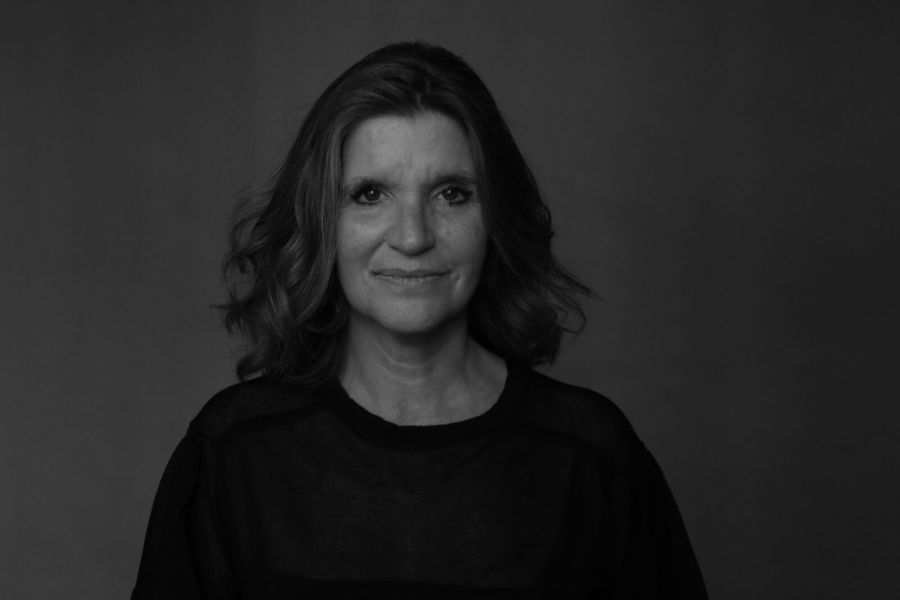
Eva Winterer is Publisher of The Silent Luxury and writes on craft, provenance, material intelligence and long term value creation. She serves as media partner and juror for the European Textile & Craft Award.
Further reading on craft, provenance and value creation
- Inside the Trophy: Better instead of more
- The Italian Fashion Industry: Between the Hourglass and a New Renaissance
- Couture Régénérative: The Architecture of Value in Luxury
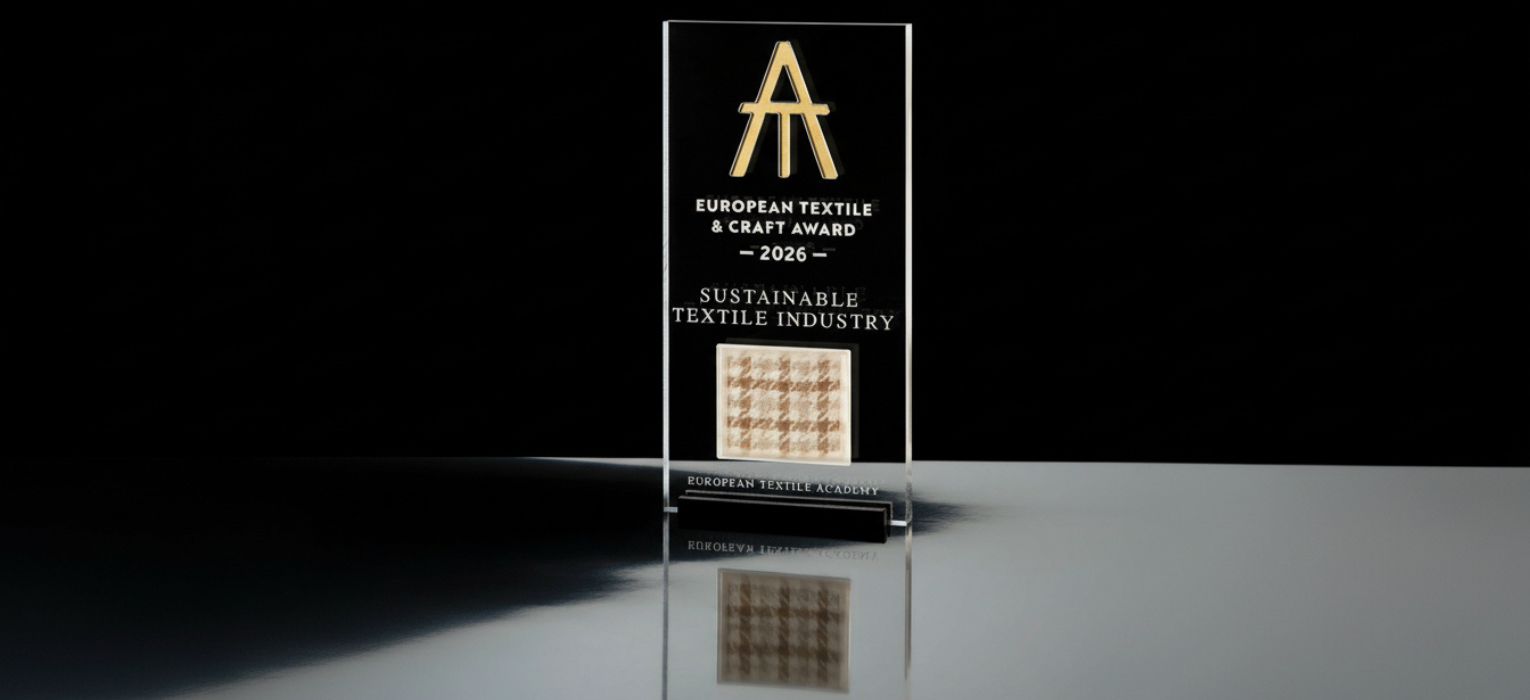
Inside the Trophy: Better instead of more
From coffee grounds to trophy: What the European Textile & Craft Award 2026 says about the future of European textile expertise.
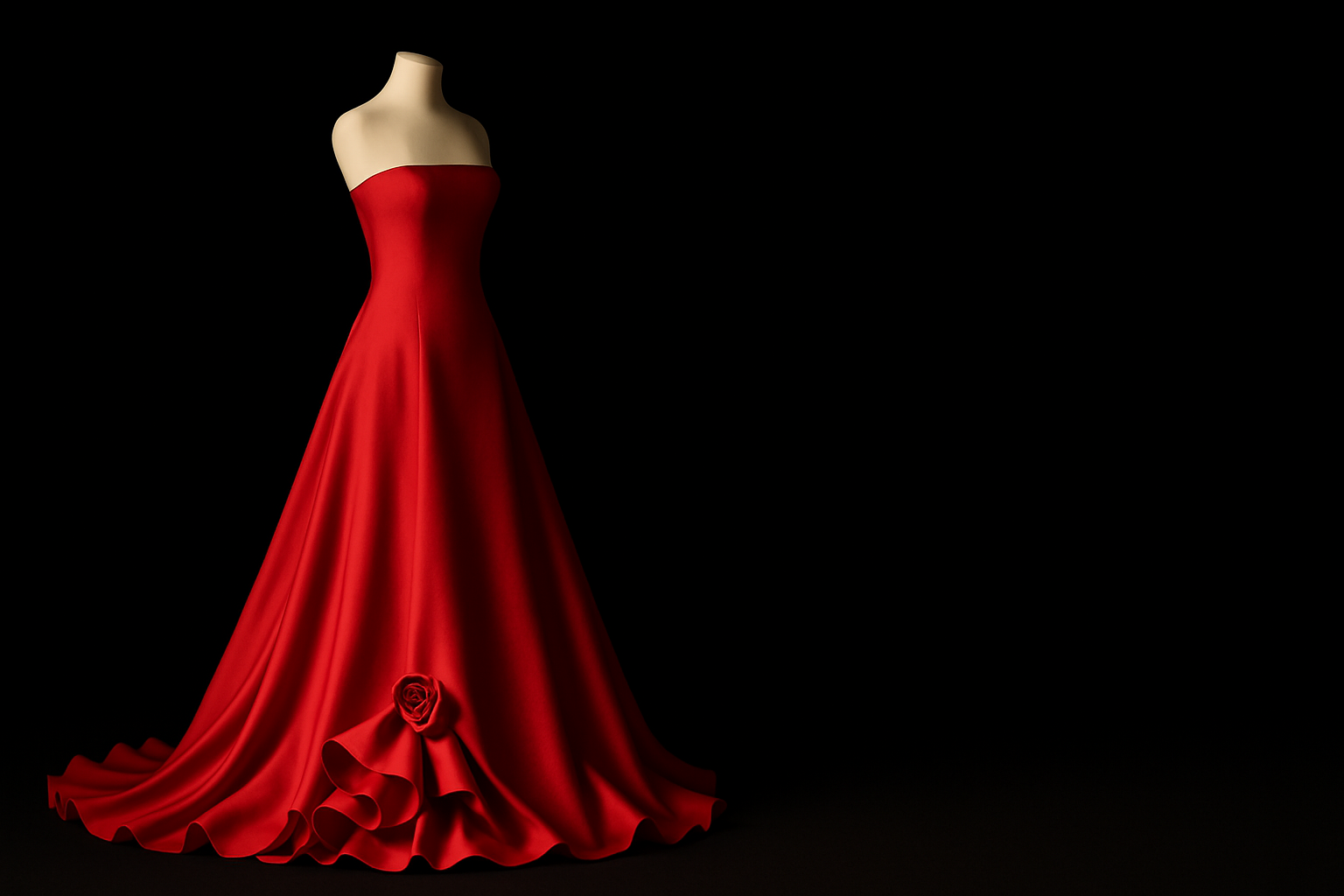
The Italian Fashion Industry: Between the Hourglass and a New Renaissance
Six centuries after the first Renaissance, Italy stands at a crossroads once again. In an era where the middle market is fading and luxury is being redefined, the industry must choose: stay trapped in globalized strategies or embrace a new era of cultural substance and value-driven soul. It is time for a second awakening.
Couture Régénérative: The Architecture of Value in Luxury
How cultural intelligence, regenerative systems, and material knowledge redefine luxury as temporal architecture rather than seasonal consumption.
Questions shaping a different future
The ideas behind the economy of togetherness become clearer when read through the questions shaping craft, provenance, collaboration and long term value creation today. These answers bring together the themes at the centre of this editorial and the production logics visible in the European Textile & Craft Award 2026.
The economy of togetherness describes a way of thinking about value creation through collaboration, trust, craft knowledge and long term relationships across the production chain.
Collaboration matters because material quality, resilient sourcing and long term production knowledge rarely emerge in isolation. They grow through continuity, shared expertise and trust.
The award highlights makers who work with patience, provenance, natural fibres and repairable structures. It points to a different idea of the future, shaped by depth, cooperation and lasting quality.
Similar Articles
The Future of Luxury After Q3 2026: The Members’ Club Era
AI Billionaires Before the Midterms: The New Patrons of Luxury Pay in Shares