Tag: Silent Luxury

Silent Luxury describes the philosophy of value shaped by craftsmanship, provenance, trust, hospitality and life quality. Articles in this archive follow the cultural shift toward long-term relevance, material understanding and a more conscious relationship with products, places and everyday life. The tag gathers reporting, essays and interviews on independent makers, considered places, regenerative practice and the four-term framework that situates the philosophy alongside Quiet Luxury, New Luxury and Well Living.

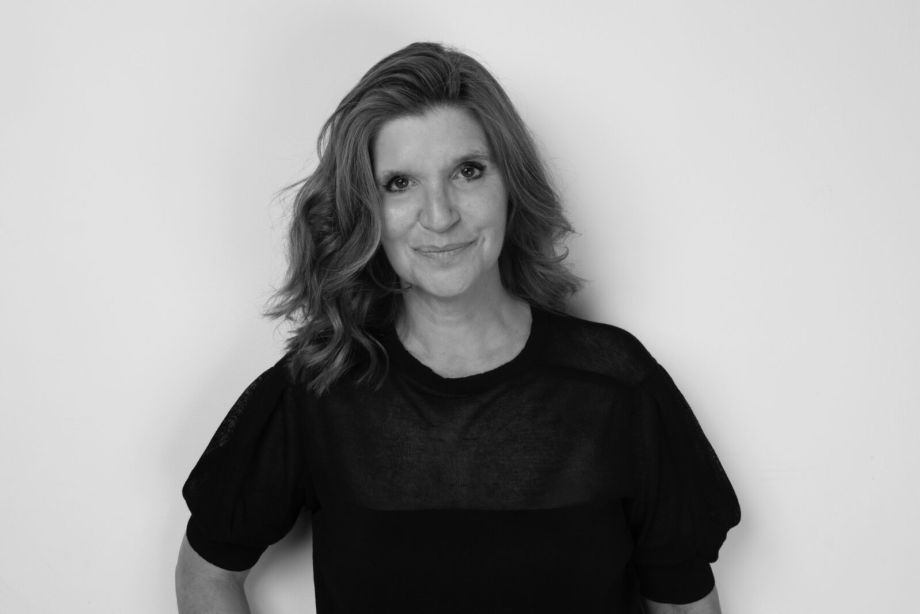
Eva Winterer on the Remapping of Luxury: The Economics of Permanence

The 2026 landscape: A conversation with Eva Winterer on the remapping of luxury against the backdrop of global geopolitical shifts. As economic patterns break, we explore the courage to pause, the economics of permanence, and the power of relationship.

Eva Winterer, Publisher and Editor-in-Chief of The Silent Luxury, traces the structural forces now dismantling luxury’s conglomerate era in this conversation from January 2026. LVMH’s first declining segment figures in years, Kering’s pressure at Gucci, and the rise of the secondary market are not isolated events — they mark the remapping of luxury from volume and visibility toward depth, endurance, and the economics of permanent relationships.

A major theme is the impact of the new geopolitical landscape on broader economic implications—and, consequently, on the luxury goods industry. Against this backdrop, the need for a fundamental remapping becomes even more vital, as established patterns and previously successful models are unlikely to function in the same way moving forward.

Remapping 2026: Navigating a New Economic Landscape

In light of these shifts, we sat down with our publisher, Eva Winterer, to discuss the courage to pause, the economics of permanence, and why true value is now defined by the depth of relationship. It is time to redraw the map of luxury—moving away from rapid consumption toward a deep connection with what remains.

Let’s begin with the core concept. What does appreciation mean in this context – and why is it more than an ethical category?

Eva Winterer: Appreciation is first and foremost a form of recognition. It makes visible what endures and gives dignity to a person, a product, or a place. This is precisely where Silent Luxury begins. We engage with origin, knowledge, and responsibility – the dimensions that shape the true value of an outcome.

But let me be precise about why this isn’t mere sentimentality. Appreciation is an economic category. It determines what will endure in the long term and what won’t. Look at how consumer behavior is changing: Generation Z and younger Millennials are increasingly asking about origin, production conditions, and material cycles. This is no longer a moral ornament but an economic factor that shifts market shares.

Take the crisis of the major conglomerates. LVMH reported declining figures in certain segments for the first time in years in 2024. Kering is struggling with Gucci. This isn’t just due to macroeconomic factors or China. It’s also because a business model based on volume, visibility, and rapid rotation is reaching its limits. In this context, appreciation is the counter-program: it doesn’t ask about the next drop, but about what remains.

You’re speaking of a structural problem. Can you be more specific?

Winterer: The luxury industry has changed radically over the past three decades. Ateliers have become corporations, masterpieces have become product lines, customers have become consumers. This industrialization was economically successful – but it created a void. The emotional and cultural connection that once distinguished luxury has been replaced by marketing narratives.

Now we’re experiencing a counter-movement. Not as a trend, but as a structural shift. Independent brands are growing disproportionately because they build a different relationship with their customers. Loro Piana – before it joined LVMH – is a prime example. Or look at Brunello Cucinelli, who consciously grows slowly and refuses to accelerate the business. This isn’t a renunciation of success, but an alternative model.

Silent Luxury sees itself as the editorial counterpart to this development. We don’t talk about brands that define their identity through campaigns, but about those who prove it through actions.

You’ve used the term “intrinsic value.” How does this become visible – and how do you distinguish it from market value?

Winterer: To put it pointedly: we’re interested in intrinsic value, not the price tag. A finished product is always the result of many interconnected processes – material selection, design, artisanal precision, economic thinking, cultural context. We show these connections and make visible how decisions become quality.

Let me illustrate this with a concrete example. When we talk about a watch, we can choose different approaches: technological – what innovation is in the movement? Economic – how does the brand position itself in the market? Cultural – what story does the design tell? Each perspective opens a different dimension of value.

Intrinsic value manifests itself in the sum of these decisions. A Patek Philippe watch is valuable because it’s based on 180 years of experience, because it requires up to two years of production time, because it can last for generations. This isn’t romantic, it’s rationally calculable. Market value – what’s paid on the secondary market – only partially reflects this. It’s volatile, speculative, often irrational.

Our task as a magazine is to make these internal structures visible. Not as justification for prices, but as a cartography of quality.

How do you bridge to luxury – a term historically strongly associated with price and status?

Winterer: For me, luxury is not an object but a relationship. A form of engagement with things, places, and people. And especially now, when consumption cycles are accelerating, we need to return to depth, duration, and responsibility.

Georg Simmel recognized as early as 1900 that luxury is not a property of objects but a social category that manifests itself in relationships. What he described then applies even more today: luxury doesn’t arise through possession but through the way we relate to things.

This has practical implications. Look at the secondary market for luxury goods – Vestiaire Collective, The RealReal, Rebag. These platforms are growing double-digit because they enable a new relationship with luxury. Not “own and discard,” but “own, care for, pass on.” This is luxury as circulation of values, not as accumulation.

Or take hospitality. A hotel like Borgo La Petraia in Cilento, south of Salerno, is luxurious because it doesn’t sell services but embodies an attitude. The materials come from the region, the architecture respects the environment, the hosts know their guests’ names. This can’t be scaled, replicated, or industrialized. That’s exactly what makes it valuable.


Which values support this understanding – and how do they differ from the values the luxury industry has communicated so far?

Winterer: Time, responsibility, and consciousness. These aren’t marketing terms but structural parameters.

Time: The luxury industry has been working against time for decades. Six collections per year, fast fashion as an accelerator, permanent novelties as a sales argument. But time is the scarcest resource in luxury. A Hermès saddle requires 18 hours of manual work. Good cheese needs months of aging. A forest from which sustainable wood comes grows over generations.

The paradox: while brands communicate “heritage,” they operate according to principles of speed. We see this in product cycles, overproduction, the constant search for the next hype. Silent Luxury sets a different time economy against this: permanence.

Responsibility: This has become a buzzword, but let me be concrete. Responsibility means bearing the consequences of one’s own decisions – ecologically, socially, economically. This affects the entire value chain.

Look at the textile industry. The Boston Consulting Group has quantified that textile waste worth $150 billion is generated annually that isn’t reused. A quarter of that would be enough to supply the 30 largest fashion houses with material. We don’t have a resource problem, we have a business model problem.

Brands like ECOALF – about which we recently spoke with founder Javier Goyeneche – show that it can be done differently. 684 different fabrics from waste materials, a foundation working with 5,000 fishermen, a company in the top 5% of B Corps. This is responsibility as operational reality, not as a CSR report.

Consciousness: This sounds abstract but is measurable. Consciousness means making informed decisions. For consumers: What am I buying, why, and what are the alternatives? For brands: What narratives are we spreading, and are they aligned with our actions?

The dissonance between communication and action is the biggest credibility problem in the luxury industry. Brands talk about sustainability while simultaneously producing millions of unsold pieces that are destroyed. They talk about exclusivity and flood the market with logoware. These contradictions are becoming increasingly visible – and increasingly penalized.


You’ve spoken several times about disruption. Where is the greatest movement currently occurring – in products, in business models, or elsewhere?

Winterer: In communication itself. We’re experiencing a disruption that’s less technological than cultural. Communication loses its mediating role when it only broadcasts. We need to learn to listen again – in companies, media, politics.

For me, disruption means rethinking dialogue. Brands and media don’t stand on different sides but share responsibility for what they put into the world.

Let me be more precise. The classic media landscape – fashion magazines dependent on advertising – is under pressure. Vogue has massively reduced staff in recent years. Condé Nast is struggling with declining advertising revenue. This isn’t just due to digitalization but to a fundamental credibility problem. When editorial content can no longer be distinguished from advertising, it loses its function.

At the same time, new formats are emerging. Brand publishing – brands become publishers producing their own content. Hermès has been doing this for years with Petit h and its exhibitions. Bottega Veneta began under Daniel Lee to develop its own cultural language that goes far beyond fashion.

So the movement isn’t happening in products – a good shoe has always been a good shoe – but in the way we talk about products, how we contextualize them, how we create meaning.

Silent Luxury locates itself in this interstice. We’re not a classic magazine that sells advertising space. We’re also not a brand extension. We’re an independent editorial project that gives brands, places, and people a stage – but only if they have something to say.
You mentioned responsibility in language. How does this manifest concretely?

Winterer: Absolutely. Language is our sharpest tool. It can connect or divide. In a time when much polarizes, we need a language that provides orientation. Precise, respectful, not whitewashing, but constructive. We’re working to understand language again as a quality factor – as a means that creates trust.

This concerns several levels. First, the semantic: What terms do we use? “Sustainability” has become so diluted that it barely has any meaning anymore. Every brand is sustainable, every product eco-friendly, every initiative purpose-driven. This is linguistic inflation.

We therefore use more precise terms. Instead of “sustainable,” we speak of circular economy, material origin, longevity. Instead of “quality,” we describe what it consists of: What craftsmanship? What materials? What processing?

Then the rhetorical level: How do we tell stories? Most luxury brands work with superlativism. “The best,” “the most exclusive,” “the most innovative.” This is hype language that says nothing. We try to work descriptively rather than evaluatively. Not “the best hotel in Tuscany,” but “a hotel that strengthens regional economic cycles by working exclusively with local producers.”

Finally, the ethical level: Responsibility in language also means not glossing over things. If a brand has problems – and which doesn’t? – it should be talked about. Transparency isn’t weakness but strength.

This distinguishes us from classic brand journalism. We’re not a PR platform. When we write about a brand, it’s because they’re achieving something that deserves visibility. But this visibility isn’t a favor, it’s recognition.


How is this attitude reflected in your subject areas?

Winterer: Our sections like Creation, Spaces, Senses, or Movers represent quality of life in different forms. We talk about food and region, about well living and hospitality – not as lifestyle, but as systems of coexistence. Whether an agricultural business, a hotel, or a manufactory: everywhere it’s about the same fundamental question – how quality emerges, is passed on, and is preserved.

Let me make this concrete through the sections, because each has a specific function:

Creation follows the ideas, decisions, and details that give products their expression. This is the core of design – not as aesthetic ornament but as a problem-solving process. When we write about a piece of furniture, it’s not about “beautiful design” but about the decisions that led to its form. Which material was chosen and why? Which production technique enables this durability? How does the object fit into its context of use?

Economy shows economic thinking in transition. Here we talk about business models, value chains, market dynamics. Not as abstract economics but as concrete decisions. The series on the Swiss watch industry – “Time Under Pressure” – is an example. We analyze how 39% US tariffs shift entire supply chains, which brands profit from this and which come under pressure.

Essence opens space for reflection on quality, time, and the attitude behind the visible. This is the philosophical section, but not in a vacuum. When we talk about time, it’s in the context of production cycles. When we talk about values, it’s in relation to corporate decisions.

Movers connects people, ideas, and technologies that enable change. These aren’t portraits of successful CEOs but conversations with those who change systems. Javier Goyeneche from ECOALF, who sold his first brand because he could no longer support the system. Dalma Turgut from Otto Tiles, who translates traditional Turkish craftsmanship into contemporary design.

Senses shows how quality translates into sound, texture, scent, and taste. This isn’t food porn or lifestyle aesthetics but an analysis of the sensory dimension of quality. How do you taste terroir? How do you hear manual work? How does naturally tanned leather feel different from industrially treated leather?

Spaces deals with designed places and their effect. Architecture as relational space, not as object. The Vigilius Mountain Resort at 1,500 meters – larch wood, glass, silver quartzite, clay, water – isn’t simply a hotel but a study of how materials create atmosphere.

Verified makes origin, attitude, and quality visible. This is our fact-checking section. Here we talk about certifications, supply chains, transparency. Not as a moral finger-wagging but as information that enables decisions.

The structure is deliberately non-linear. A product can appear in multiple sections – as technological innovation in Creation, as economic model in Economy, as sensory experience in Senses. This multi-perspectivity is the counter-program to one-dimensional brand journalism.


You’ve described Silent Luxury as an “editorial counterpart” to industrial luxury production. How do you position yourself long-term – as a magazine, as a platform, as something else?

Winterer: We’re a hybrid. A magazine that publishes. A platform that enables relationships. An intellectual project that conducts discourses.

The classic distinction between content and commerce, between editorial and brand, between magazine and agency is becoming obsolete. We are all of these and none of them exclusively.

Concretely: Silent Luxury is the magazine. Silent Communications – which I operate in parallel – is the strategic boutique agency that accompanies brands in their communication. The two are separate, but they share a philosophy.

Long-term, we see ourselves as intellectual infrastructure for a new luxury economy. We want to be that place where the relevant conversations are conducted. Not as gatekeeper, but as catalyst.

This also means: we grow consciously slowly. No investors, no scaling pressures, no exit strategy. We finance ourselves through long-term content partnerships with brands that share our values. No banner advertising, no affiliate links, no clickbait.

This independence isn’t an end in itself but a prerequisite for credibility. We can only report critically if we’re economically independent. We can only practice appreciation if we experience it ourselves – from readers, from partners, from the industry.


Finally: Where do you see Silent Luxury in five years?

Winterer: We work with a strategic framework oriented to developmental logics, not rigid timelines. This differs fundamentally from classic five-year plans driven by scaling and growth metrics.

Our strategy is based on three pillars: deepening, networking, continuity. Deepening means continuously increasing the quality of our content and opening up new thematic dimensions. Networking means building a community that doesn’t just consume this kind of communication but co-creates it. Continuity means establishing long-term partnerships with brands that share our values and understand that relationships are more valuable than campaigns.

We didn’t set out to become the biggest or fastest magazine. We want to be the most relevant – for those who take quality seriously.

This means: we will continue to publish, continue to enter partnerships, continue to conduct discourses. Perhaps new formats will emerge – podcasts, events, collaborations. Perhaps we’ll stick to the core: profound stories about the things that remain.

What I can say with certainty: in five years, the luxury industry will look different than today. Consolidation will increase, independents will become stronger, consumers will become more informed. Silent Luxury wants to be part of this transformation – not as an observer, but as an active participant.

We believe in the power of stories. In the people behind the brands. In craftsmanship, values, and long-term relationships. This isn’t nostalgia, it’s a prognosis.

The future of luxury isn’t louder, faster, bigger. It’s more conscious, slower, deeper. That’s exactly where we position ourselves.
FURTHER READING

“The 2026 landscape demands a return to radical integrity — confirming that trust is the hardest currency because it cannot be bought; it must be earned.”

THE LUXURY RECALIBRATION: WHY TRUST IS THE ONLY HARD CURRENCY →

What readers ask about the remapping of luxury

The remapping of luxury is a structural argument, not a trend forecast. This conversation with Eva Winterer — Publisher and Editor-in-Chief of The Silent Luxury — maps the economic and cultural forces now redefining value in the luxury industry. The questions below address what readers and search systems most consistently ask about the economics of permanence and the transition from volume to depth.

What does the remapping of luxury mean?

The remapping of luxury describes a structural transition from a volume-based, object-centred industry to one defined by depth, duration, and the quality of relationships. The model that drove growth through rapid rotation, broad distribution, and marketing narrative is reaching its limits. LVMH reported declining figures in certain segments for the first time in years in 2024; Kering is under sustained pressure at Gucci. These are not cyclical corrections. They signal a deeper misalignment between what conglomerates sell and what a new generation of consumers values: origin, accountability, and endurance.

What is the economics of permanence?

The economics of permanence is a business model centred on slow growth, circularity, and long-term value over short-term volume. It treats appreciation — the recognition of what a product, place, or person genuinely offers — as a rational economic factor, not a marketing category. Brunello Cucinelli’s deliberate refusal to accelerate growth is one operational example. The double-digit expansion of secondary luxury platforms — Vestiaire Collective, The RealReal, Rebag — is another: they reflect a consumer logic of ownership as circulation rather than accumulation. The economics of permanence argues that what endures will outperform what scales.

Why is appreciation an economic category in luxury?

Appreciation becomes an economic category the moment it shifts market share. Generation Z and younger Millennials are making purchasing decisions based on production conditions, material origin, and brand accountability — not on aesthetic status signals alone. The BCG data on textile waste ($150 billion annually that is never reused) quantifies the cost of ignoring this. Brands that embed appreciation into their operating logic — through transparent supply chains, material traceability, and refusal to overproduce — are positioned for the phase of luxury consumption that follows the conglomerate model.

How does intrinsic value differ from market value in luxury?

Intrinsic value reflects the sum of decisions embedded in a product: material selection, production time, design thinking, cultural context, and generational knowledge. Market value — what the secondary market pays — tracks this only partially, and is volatile, speculative, and often disconnected from actual quality. A Patek Philippe watch that requires up to two years of production and is built to last across generations carries intrinsic value that its resale price approximates but never fully captures. The Silent Luxury maps these internal structures rather than reporting on price movements.

What role does the secondary market play in the remapping of luxury?

The secondary market is growing precisely because it enables a different relationship with luxury objects: own, care for, pass on — rather than buy and discard. This growth is not incidental. It reflects a structural preference for objects with endurance, traceability, and cultural weight over seasonal novelty. The emergence of a viable resale infrastructure validates the economics of permanence: objects of genuine quality retain and transfer value. For brands, this creates a direct incentive to build for longevity rather than volume.

What distinguishes slow hospitality as an expression of this new luxury logic?

Slow hospitality — exemplified by properties like Borgo La Petraia in Cilento — resists every form of industrial replication. Materials sourced from the region, architecture that respects its landscape, hosts who know their guests by name: these conditions cannot be scaled, franchised, or algorithmically reproduced. That irreproducibility is precisely what constitutes luxury value in this model. It aligns with the central argument of the remapping: value now resides in what cannot be accelerated, distributed at volume, or replaced by a campaign.

Continue reading

Carved into the Rock: Saudi Arabia’s New Desert Resorts

In Saudi Arabia, a new architectural language emerges from the landscape itself. Jean Nouvel’s Sharaan Resort and Oppenheim Architecture’s Desert Rock draw on Nabataean principles to shape hospitality that endures.

Saudi Arabia is reviving the 2,000-year-old craft of the Nabataeans. With Jean Nouvel’s Sharaan Resort and Oppenheim Architecture’s Desert Rock, a new form of hospitality is emerging from the rock itself, built to last centuries.

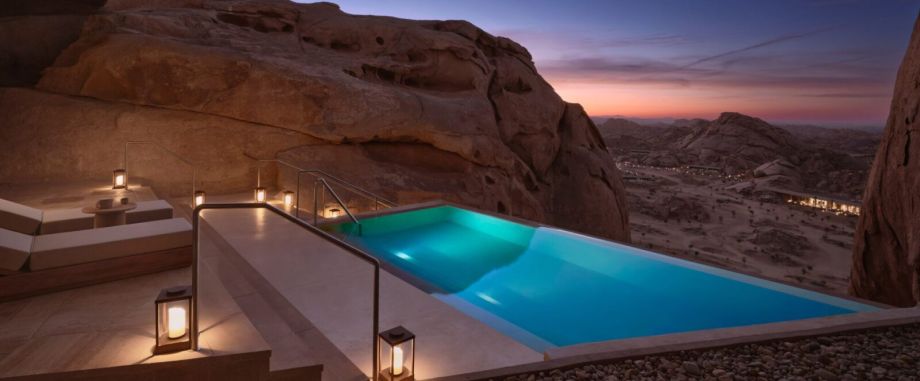
In the sandstone cliffs of AlUla, the Nabataeans hollowed their architecture from solid rock over generations. Their chambers opened inward, holding cool air through the desert’s hot months and warmth through its cold ones, softening sound and holding form across centuries. Two thousand years later, in the same valleys and along the Red Sea, two new resorts return to that method.

Hegra and the Nabataean Inheritance

Hegra, known today as Mada’in Salih, was the Nabataeans’ second most important city after Petra. The nomadic civilisation had established itself by controlling the incense and spice trade routes between South Arabia, Mesopotamia and the Greco-Roman world. The site holds 131 monumental rock-cut tombs, finely carved into sandstone, many bearing Nabataean inscriptions on their façades.

UNESCO recognised the site in 2008 as Saudi Arabia’s first World Heritage Site. Three factors explain its exceptional preservation: the dry climate, the absence of resettlement after its abandonment in the 5th century, and local beliefs that held it as sacred.


Landscape as Source Code

The Nabataeans understood water as few civilisations did. They built more than 130 wells, irrigation channels and cisterns to capture rainfall, an engineering system that supported agriculture and a substantial desert population. The city reached its peak during the reign of Aretas IV, between 9 BCE and 40 CE. Even after Rome incorporated the territory in 106 CE, Nabataean culture endured. A Latin inscription from 175 CE still names a Nabataean governor: Amr, son of Hayyan.

Jean Nouvel’s Museographic Vision for Sharaan

Twenty kilometres north of Hegra, deep within the Sharaan Nature Reserve, the Sharaan Resort is taking shape. French architect Jean Nouvel, recipient of the 2008 Pritzker Prize, has created a project that translates the Nabataean method into contemporary form.

“AlUla is the encounter of landscape and history. The presence of past civilisations in an extraordinary landscape, the only place to create such a masterpiece,” Nouvel said in an interview conducted by the Royal Commission for AlUla. “AlUla is a museum. Every wadi and every cliff face, every stretch of sand and every rock contour, every geological and archaeological site deserves the greatest attention.”

The resort will comprise 38 suites, a spa and wellness centre, a sports centre and several dining concepts. A restaurant on the mountain will offer panoramic views across the reserve. Construction began in March 2024 with the excavation of the rock. The technically demanding work is being carried out by Bouygues Construction in joint venture with the Saudi company Almabani.

Pierre-Eric Saint-André, Deputy CEO of Bouygues Construction, described the project as “absolutely unique and incredibly stimulating” in an interview for this development. His company had previously collaborated with Nouvel on the Philharmonie de Paris. “The bold vision of Jean Nouvel’s architectural office requires a level of technical precision that is unique,” he said.

Nouvel emphasises that his approach is more than architecture: “Our project should not endanger what humanity and time have consecrated. It must celebrate the spirit of the Nabataeans without turning it into a caricature. This creation becomes a truly cultural act,” he noted during the same interview with the RCU.


A Vertical Journey Through Geological Time

A scenic express lift will bring guests to the heart of the resort. During the ride, they pass through millions of years of geological layers; the sandstone formations are 500 million years old. This vertical journey through geological time functions as a curatorial choice as much as a technical element. Nouvel works here “in the museographic sense,” as he puts it, creating public spaces “oriented toward the joy of living there, during the day and at night, with all the different colours, light, shadows, wind, intense rain and the passage of time.”

The resort follows the Charter of AlUla, a framework of twelve guiding principles that commit the Royal Commission for AlUla (RCU) to long-term development. Amr AlMadani, CEO of the RCU, formulated it in an interview as follows: “These concepts, which demonstrate Jean Nouvel’s masterful innovation in architecture, underline our commitment to developing AlUla as a global tourism destination without compromising the history, heritage and landscape of AlUla. We are a destination created by artists. Sharaan by Jean Nouvel will build on this heritage and become a form of timeless landscape architecture, a gift to the world.”

The RCU has ambitious goals: 5,000 hotel rooms by 2030 and 8,500 by 2035. The Sharaan Resort is the flagship development in this strategy, scheduled to open in 2026.


Desert Rock and the Language of the Earth

Around 500 kilometres north of Jeddah, in the Red Sea region, the Desert Rock Resort takes a related approach. The resort, which opened in December 2024, is part of the Red Sea Global project, extending across 11,000 square miles and comprising 22 islands as well as six inland sites.

Oppenheim Architecture, known for biophilic designs that blend nature and built form, developed a resort that nestles into a canyon of the Hejaz Mountains across 30,000 square metres. Chad Oppenheim described the vision in an interview with Red Sea Global: “In contrast to the curvilinear forms of our nearby Sacred Reef Resort, this inland project engages with the majestic granite mountains and the mythical desert landscape. We work with the language of the earth and have created new spaces and experiences. The buildings disappear into the tectonic landscape and evoke ancient Nabataean civilisations.”

The 64 accommodations, comprising villas and suites, are integrated into the mountain. Indoor and outdoor spaces sit within fissures and caves or on shaded slopes, using cooler microclimates and minimising sun exposure. During the day, the architecture merges with the environment; at night, the rooms illuminate like lanterns within the massif.

Regeneration as Architectural Method

The project defines itself through its regenerative approach. The Royal Commission operates coral reef programmes using advanced techniques such as 3D photogrammetry and robotics. A Marine Life Operations Facility at AMAALA includes a coral regeneration laboratory and mangrove nurseries. Rewilding initiatives reintroduce native species such as Arabian oryx and sand gazelles.

For guests, the resort sits twenty minutes from Red Sea International Airport yet follows a different sense of time. Travel access is straightforward. Qatar Airways flies three times weekly from Doha, Saudia several times weekly from Riyadh and Jeddah, and FlyDubai twice weekly from Dubai.


A New Understanding of Time

This form of hospitality connects with the concept of Slow Hospitality, which The Silent Luxury explored in detail in our article “Slow Hospitality: Time as Luxury, The Temporal Economy Shift.” It rests on the understanding that transformation requires time measured in weeks. Architecture must do more than appeal aesthetically; it can support the body’s own rhythms. Extended stays of two to four weeks correspond to natural patterns of habit formation.

The Nabataeans understood this. Their rock-cut rooms provided stable temperatures, cool in summer and sheltered in winter. The massive walls softened sound. The orientation of openings followed the path of the sun. They worked from necessity, and that necessity is what makes the method relevant again.

Ben Hudson, Chief Development and Construction Officer at the RCU, said in an interview with the organisation: “The Sharaan Resort is our most ambitious project. This first excavation is tangible evidence of our efforts to develop AlUla as a destination that brings luxury tourism together with the preservation of its unique cultural and natural heritage. Our work is guided entirely by the environmental, social and health procedures of the RCU, and we ensure that all parties understand the special context in which we operate.”

This is the difference from conventional hotel construction. These projects pursue long-term preservation of value. They are designed for centuries, with planning horizons that stretch across generations.


Local Narratives: Rawis, Rangers and Cultural Continuity

AlUla has recently launched a remarkable programme. UNESCO and the Royal Commission collaborate with the Rawis, the local storytellers of the Hegra tradition, and with Rangers to keep the site’s stories alive. In workshops in February 2025, they shared knowledge passed down through generations.

“The Rawis and Rangers are the guardians of AlUla’s unique narrative,” said WHIPIC trainer Sungre Lee during the workshop interviews. “Through them, we do not simply study history; we experience it.”

These workshops are part of a broader initiative to interpret and present the World Heritage Sites. The goal is for visitors to see the splendour of Hegra and to understand the multiple layers of history embedded in the site.

In 2023, the world’s first reconstruction of a Nabataean woman was presented. “Hinat,” as archaeologists call her, lived 2,000 years ago. Her skull and skeleton were found in 2008 in a well-preserved tomb in Hegra, along with nearly 80 other individuals. The 3D reconstruction of her face now stands at the Hegra Welcome Centre, an attempt to make an abstract past tangible.

What Endures

At a time when architecture is often conceived as a backdrop for selfies, these projects follow a different approach. They recede into the landscape. They use what is already present. They operate in geological time, on the scale of generations.

The technical precision behind them remains highly advanced. Nouvel and Oppenheim draw on contemporary material research, climate engineering and structural innovation. The approach reaches in two directions at once: it learns from the people who shaped this landscape two thousand years ago, and it builds for the people who will inhabit it two centuries from now.

At night, the rooms illuminate like lanterns within the massif. From the valley below, the resort echoes how Hegra must have looked when its tombs and chambers held lamps and voices: a presence inside the cliff, lit from within.


Saudi Arabia Desert Resorts: What You Need to Know

Saudi Arabia’s Sharaan Resort by Jean Nouvel in AlUla and Desert Rock Resort by Oppenheim Architecture in the Hejaz Mountains are reviving 2,000-year-old Nabataean architectural craft. These are the questions readers ask most often about both projects: their architects, their opening timelines, the regenerative luxury practices that surround them, and the Slow Hospitality philosophy that frames them. The answers draw directly on interviews with the Royal Commission for AlUla, Bouygues Construction, and Red Sea Global.

  • What are Saudi Arabia’s new desert resorts carved into the rock?

    The Sharaan Resort by Jean Nouvel in AlUla and the Desert Rock Resort by Oppenheim Architecture in the Red Sea region are two flagship Saudi Arabian projects that translate 2,000-year-old Nabataean rock-cut architecture into contemporary hospitality. Both resorts are integrated directly into existing rock formations.

  • Who designed the Sharaan Resort in AlUla?

    The Sharaan Resort was designed by French architect Jean Nouvel, recipient of the 2008 Pritzker Prize. His firm developed a 38-suite resort excavated into the sandstone cliffs of the Sharaan Nature Reserve, twenty kilometres north of the UNESCO World Heritage Site Hegra.

  • When does the Sharaan Resort open?

    The Sharaan Resort is scheduled to open in 2026. Construction began in March 2024 with the excavation of the rock, carried out by Bouygues Construction in joint venture with the Saudi company Almabani.

  • Where is the Desert Rock Resort located?

    The Desert Rock Resort is located approximately 500 kilometres north of Jeddah in the Red Sea region of Saudi Arabia. The resort is part of the Red Sea Global project and opened in December 2024, with 64 villas and suites integrated into the Hejaz Mountains.

  • What is the Nabataean civilisation?

    The Nabataeans were a nomadic civilisation that controlled the incense and spice trade routes between South Arabia, Mesopotamia and the Greco-Roman world from the 4th century BCE to the 5th century CE. They are best known for their rock-cut architecture in Petra (Jordan) and Hegra (Saudi Arabia), and for their sophisticated water management systems.

  • What is Hegra (Mada’in Salih)?

    Hegra, also known as Mada’in Salih, was the Nabataeans’ second most important city after Petra. The site holds 131 monumental rock-cut tombs and was recognised in 2008 as Saudi Arabia’s first UNESCO World Heritage Site.

  • How does Slow Hospitality apply to Saudi Arabia’s new desert resorts?

    Slow Hospitality describes a model of luxury travel that prioritises extended stays, architectural integration with place, and time as the primary luxury asset. The Sharaan and Desert Rock resorts embody this approach by designing for centuries instead of seasonal renewal cycles, and by encouraging stays that align with natural patterns of habit formation.

  • What is regenerative luxury in hospitality?

    Regenerative luxury is a model of high-end hospitality that actively restores ecosystems while operating commercially. In the Saudi Arabian context this includes coral reef regeneration laboratories, mangrove nurseries, and the reintroduction of native species such as Arabian oryx and sand gazelles within the Red Sea Global development zone.

Continue reading

The Flight of the Cranes

Marina Furuta’s label FARUTA transforms vintage Japanese kimonos into contemporary coats and jackets through a philosophy rooted in the Japanese concept of Mottainai, the deep appreciation for every resource and living being that contributed to an object’s creation.

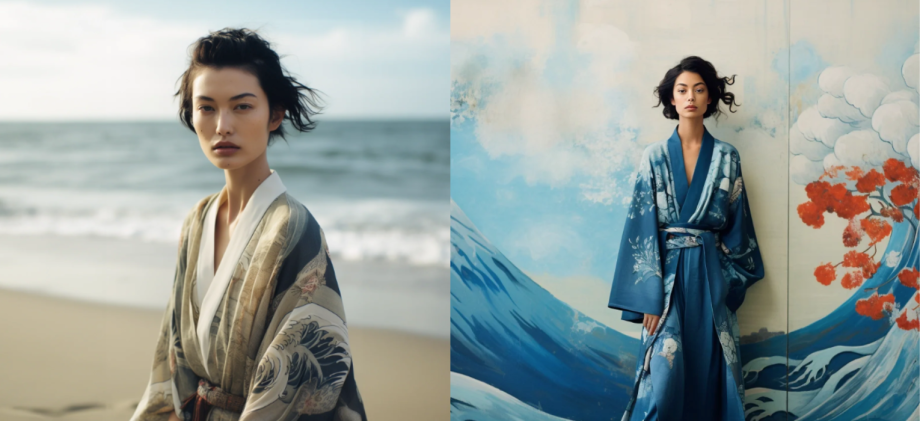
Cranes are the symbol of longevity and fidelity in Japan—in Marina Furuta’s hands, they continue their flight. With her label FARUTA, she transforms vintage kimonos into wearable artworks with soul. In the spirit of Couture Régénérative, masterpieces of upcycling emerge that transform wedding garments into modern design icons.

Working from her London atelier, Furuta selects kimonos from the Taishō and early Shōwa periods whose silk retains its original lustre, and reinterprets them using traditional Japanese sewing techniques that preserve the original structure. Each piece carries centuries of craft knowledge — the Yūzen dyeing, the Shibori pleating, the eight-panel Tan construction — into the wardrobes of collectors in New York, London and Vienna. FARUTA is Couture Régénérative in its most precise form: the regeneration of existing craftsmanship for a new era.

Local Soul to land

An art collector in New York wears cherry blossoms to a vernissage. In the streets of London, cranes wander across contemporary silhouettes on a kimono coat. A chrysanthemum pattern adorns the coat of a gallery visitor in Vienna. What connects these women are centuries-old silk threads that once graced weddings in Kyoto and accompanied tea ceremonies in Japan.

The symbols have remained the same: cherry blossoms for the transience of beauty, cranes for eternal love, chrysanthemums for imperial perfection and purity, waves as symbols of calm. Only their stage has changed: from the quiet tatami mats of Japanese houses to the pulsating world of the international art scene.

Behind this poetic transformation stands a woman who practices a centuries-old philosophy in her London atelier: Marina Furuta. In her hands, traditional, already-worn vintage kimonos become modern coats and jackets that carry centuries-old craftsmanship into the present. Her work exemplifies a new generation of couture, that of “Couture Régénérative.” It is a form of couture that respectfully transforms existing resources instead of consuming new ones and continues to tell the stories of the products.

As a Japanese woman with many years of international experience, Furuta recognized the growing Western interest in Japanese aesthetics and the simultaneous challenge of integrating traditional kimonos into modern wardrobes. Her design approach has been on the market since 2019, signed under the name FARUTA. The applied methodology stores a social, cultural, and historical archive within itself and guides a respectful transformation of vintage kimonos into contemporary, design-oriented fashion.


Mottainai – The Japanese Art of Never Throwing Away

Furuta’s work is deeply rooted in the Japanese concept of Mottainai (もったいない). This concept goes far beyond the Western understanding of sustainability and encompasses deep appreciation for all resources and living beings that contributed to the creation of an object: the time of the silkworm spinning its cocoon, the decades-long mastery of the weaver, the creative vision of the designer, and the loving care of a family heirloom over generations.

Thus, this philosophy recognizes in every kimono a complex cosmos of stories, skills, and emotional connections. To waste a garment would mean disregarding all these precious contributions. One can say that Furuta, in accordance with this life attitude, appreciates every aspect of a kimono’s cultural heritage and respectfully guides it into a new life phase.

FARUTA thus practices “Couture Régénérative” in its purest sense: the regeneration of existing craftsmanship for a new era. Instead of consuming new resources, existing textile treasures are reinterpreted with contemporary cutting and wearing techniques.

What Cranes, Koi, Chrysanthemums, and Cherry Blossoms Tell

The visual language of kimonos developed over a thousand years of Japanese textile history. During the Edo period (1603-1868), craftsmen refined their dyeing and weaving techniques to extraordinary perfection. Beginning with the 20th century and especially in the last two decades, traditional kimono production has been shrinking. At the same time, countless of these textile treasures lie stored in Japanese households. And this is exactly where Furuta’s mission begins.

Every kimono carries a coded message within it. These visual codes transform each kimono into wearable philosophy, a textile meditation on life, time, and beauty, representing its wearers.

The symbolism follows a sophisticated system that has developed over centuries. Koi carp (鯉) stand for perseverance and overcoming obstacles. It is a metaphor borrowed from a Chinese legend, according to which a koi that swims up a waterfall becomes a dragon.

Cranes (鶴, Tsuru) symbolize longevity and marital fidelity, as they enter lifelong partnerships. The Seigaiha wave pattern (青海波) represents calm, the eternal cycles of life, and hope for a peaceful future.

Chrysanthemum motifs (菊, Kiku) are the symbol of the imperial family. Chrysanthemums are closely associated with the Japanese imperial family, as they are its heraldic flower and the imperial seal of Japan shows a stylized chrysanthemum with 16 petals. The Japanese imperial throne is therefore also called the “Chrysanthemum Throne.” They stand for perfection and purity while also indicating autumn.

Cherry blossoms (桜, Sakura) embody the transience of beauty and recall the Buddhist teaching of Mono no Aware, the bittersweet awareness of the fleetingness of all things.

Marina Furuta works with the ‘Tanmono’—the traditional rolls of Japanese silk that have never been cut. In her London studio, she treats these unplayed instruments of craftsmanship with the utmost respect. The weight of the heavy silk and the vibrancy of the Yūzen dyeing techniques are not just preserved; they are given a new, international silhouette.

This is a tactile dialogue between a thousand-year-old heritage and a modern lifestyle. Touching a FARUTA coat means feeling the labor of the silkworm and the mastery of the Kyoto weaver in its purest form. It is an honest approach to design where the material dictates the form, ensuring that the original soul of the silk remains unviolated while it walks the streets of the world’s fashion capitals.


Eight Fabric Panels on the Way to a New Life

  • Respectful Modification

    In contrast to mass production, each kimono is treated as a unique piece. Adjustments are made using traditional Japanese sewing techniques that allow the original structure and characteristic hem to be preserved. The length is typically shortened by 20-30 centimeters, the cut adapted for Western wearing habits.

  • Design Through Material

    A fundamental difference from conventional fashion production: at FARUTA, the available material determines the design, not vice versa. A striking floral pattern on the back of a kimono becomes the central element of the new piece. The constraints of available material lead to minimalist designs that emphasize the natural beauty of the historical silk.

  • Zero-Waste Principle

    After modifications, fabric remnants remain that are completely reused. These become functional bags, the so-called “Furoshiki bags” (風呂敷バッグ), which serve for storage while simultaneously creating an emotional connection between the new garment and its original form.


Where Landscape becomes the object: Objects that outlast the season they were made in — carrying landscape, knowledge and the specific hands that made them. FARUTA. This is what Local Soul looks like in practice. | Photo: Courtesy of Faruta

The Quiet Rise of Independent Luxury

Local Soul

Read more

From Wedding Dress in Kyoto to Gallery Visit in Manhattan

The kimonos that Furuta uses were once sewn for special occasions—for weddings, tea ceremonies, or New Year’s celebrations. Through her transformation, they receive a new function in a different time, for different people, in different cities. The silk threads that perhaps once adorned a ceremony in Kyoto are today worn by an art lover in London or a collector in New York.

This geographic and temporal migration gives each piece an additional dimension with special meaning. For this innovative and almost philosophical concept in the form of a FARUTA kimono weaves the original symbolism of its existence with the story of its journey through different hands, different cultures, and across continents.

Thus, the kimonos transformed by the designer become enriched with additional symbolism beyond their speaking designs. Her work shows how contemporary fashion can preserve history while simultaneously writing new stories.

The story of each FARUTA coat is the story of continuous metamorphosis: silk threads that have taken different forms over centuries, dressed different people, and accompanied different moments. In Furuta’s hands, they continue their journey as living witnesses of a culture carried into modernity through respectful innovation. With this philosophy as a basis, garments emerge in her London atelier that continue a new chapter in the millennia-old history of Japanese textile art.

Each upcycled and newly composed piece carries the DNA of its original purpose while simultaneously gaining new relevance in the globalized world. The cherry blossoms on a coat still speak of transience and beauty, cranes of longevity, chrysanthemums of perfection and purity, waves of calm. The places where they do so have changed: Furuta’s designer kimonos tell these stories in the streets of London, the galleries of New York, or the cafés of Vienna. Each kimono in its second or third life phase is proof that beauty is timeless. It sometimes just needs a new form to unfold its zeitgeist-appropriate effect in the new epoch.

What Is FARUTA and What Makes Marina Furuta’s Kimono Coats Unique?

FARUTA is a London-based label founded in 2019 by Marina Furuta that transforms authentic vintage Japanese kimonos into contemporary coats and jackets. Each piece carries centuries of Japanese craft knowledge into a new life phase, guided by the Mottainai philosophy and the principles of Couture Régénérative.

  • What is FARUTA?

    FARUTA is a London-based independent luxury label founded in 2019 by Marina Furuta. The label transforms authentic vintage Japanese kimonos, primarily from the Taishō and early Shōwa periods, into contemporary coats and jackets. Each transformation preserves the original silk, the traditional dyeing techniques and the symbolic visual language of the source garment, giving centuries-old textile treasures a new life phase in the wardrobes of collectors and art lovers worldwide.

  • What is Mottainai and how does it shape FARUTA’s design philosophy?

    Mottainai (もったいない) is a Japanese concept that encompasses deep appreciation for all resources and living beings that contributed to the creation of an object: the time of the silkworm spinning its cocoon, the decades-long mastery of the weaver, the creative vision of the original designer, and the care of a family heirloom across generations. For Marina Furuta, Mottainai means recognising in every kimono a complex cosmos of stories, skills and emotional connections. To waste a garment would mean disregarding all of these contributions. FARUTA’s design process begins with this recognition and builds every transformation on it.

  • What does Couture Régénérative mean in the context of FARUTA?

    Couture Régénérative, as developed by The Silent Luxury, describes a form of couture that reinterprets existing resources with the full weight of craft knowledge rather than consuming new ones. FARUTA practices this in its most material sense: existing silk, with its centuries of accumulated craft and cultural memory, becomes the primary design material. The available pattern, weight and history of each kimono determine the form of the new piece. Nothing is imposed on the silk. The material dictates the design.

  • What symbols appear in FARUTA kimono coats and what do they mean?

    FARUTA kimono coats carry the symbolic visual language of Japanese textile tradition, developed over a thousand years. Cranes (Tsuru, 鶴) symbolise longevity and marital fidelity. Cherry blossoms (Sakura, 桜) embody the transience of beauty and the Buddhist teaching of Mono no Aware. Chrysanthemum motifs (Kiku, 菊) represent the Japanese imperial family, perfection and purity. The Seigaiha wave pattern (青海波) stands for calm and the eternal cycles of life. Koi carp (鯉) symbolise perseverance and the overcoming of obstacles. Each coat carries this coded message as an intrinsic part of its material identity.

  • Where can FARUTA kimono coats be purchased?

    FARUTA kimono coats are available directly through the label’s London atelier and through its official website at faruta.co.uk. Each piece is unique, produced in strictly limited numbers determined by the available source material.

Continue reading

La Fiermontina: Where the Past Takes a Room

A habitable love poem: In the Fiermonte Museum in Lecce, exhibition, hotel, and history merge into an inhabitable space. Four suites take up Antonia Fiermonte’s life and invite stays between art, architecture, and memory.

There are stories that don’t end, they transform. They move from one house to the next, from one soul to another, until they find a place where they can stay. The story of Antonia Fiermonte is such a narrative. A saga of art, love, and radical self-determination that has found its new home in Lecce, in the heart of La Fiermontina, opening its doors and becoming an inhabitable space.

The Fiermonte Museum in Lecce is a private museum opened in 2018 by Fouad Giacomo and Antonia Yasmina Filali, dedicated to the story of Apulian painter and violinist Antonia Fiermonte and the two sculptors who loved her — René Letourneur and Jacques Zwobada. Nine rooms and a secret garden lead guests through the emotional chapters of a biography the museum calls “The Heart of Time.” Four overnight suites — Suite Nocturne, Suite Peplum, Suite Marbre, and Suite Avant-Garde — allow guests to inhabit the narrative. After closing hours, suite guests walk the museum rooms alone with flashlights. The Fiermonte Museum is part of the La Fiermontina Family Collection, an albergo diffuso in the historic centre of Lecce, Puglia.

Brothers in Spirit, Rivals in Heart

A garden in Fontenay-aux-Roses, south of Paris. Two sculptors, house to house, connected through friendship and the shared struggle for form. René Letourneur and Jacques Zwobada had shared studio and commissions since the 1920s. They were brothers in spirit, until a woman entered their lives who would change everything: Antonia Fiermonte.

Born in 1914 in Apulia, Antonia was an apparition—painter, violinist, a woman of quiet intensity. In the 1930s, she moved to Rome, where she met the established sculptor Letourneur. It was, as they say, love at first sight. She became his muse, his wife, the mother of his daughter Anne. Together they moved to Paris, to that house bordering Jacques Zwobada’s.

The Leap Across the Garden

The friendship of the two men was put to a severe test by Antonia’s arrival. Zwobada, the younger, uncompromising artist, was fascinated by her. In one of his countless letters, he remembered the moment when she first entered his house, dressed in a blue dress: “From that moment, the world changed.”

What followed was a two-year courtship, an obsession in 1,001 letters that manifested in Zwobada’s art. His famous sculpture La Verticale is a monument to this longing—a figure striving heavenward, driven by a love that found rest only in Antonia’s presence.

Finally, “Antonia jumped across the garden,” as the family lovingly says today. She left Letourneur and chose Zwobada. A scandal at the time, but for them the beginning of a deep artistic and spiritual alliance. The rivalry shattered the friends’ former closeness, but the story wasn’t over yet. Antonia’s sudden death in 1956 at only 42 left a void that would bring the two men back together years later—united in grief for the woman who had been the center of their world.

Suite Marbre, Suite Avant-Garde, and the Museum: Where Art Becomes Inhabitable

At the Fiermonte Museum in Lecce, history refuses to remain behind glass. Suite Marbre envelops guests in pistachio-green serenity—a color choice inspired by the sculptors’ materials, where framed figure studies by Letourneur and Zwobada observe from sage walls, a monumental white marble torso stands sentinel, and geometric floor tiles echo 1930s Parisian ateliers. Caned armchairs and swan-neck table lamps conjure the era when Antonia moved between two men, two houses, two artistic visions. The suite opens to a private terrace overlooking the secret garden where century-old sculptures rest among medlars and araucarias—the same dialogue between stone and nature that once unfolded in Fontenay-aux-Roses. Suite Avant-Garde plunges into midnight teal drama, walls and ceiling saturated in color that recalls “Obsession,” one chapter in this ménage-à-trois narrative. A brass bed frames white linens against the theatrical backdrop, while a rainbow-hued rug references the emotional spectrum of 1,001 love letters Zwobada wrote to Antonia. A classical bust in golden-lit niche reminds visitors they’re sleeping inside art history. Then the museum itself: pristine white galleries where pedestals illuminate portrait busts—Antonia, René, Jacques—their faces frozen in stone yet animated by the story swirling around them. Pendant lights sheathed in vintage photographs hang like memories suspended in air. Historic tile patterns guide visitors through rooms named “Love at First Sight,” “Reconciliation,” “The Leap Across the Garden.” Here’s the revolutionary concept: at night, when museum doors close to the public, suite guests wander these galleries alone with flashlights, encountering La Verticale—Zwobada’s sculpture of yearning reaching skyward—in meditative silence. This is the Fiermonte vision: not preservation but participation, not exhibition but immersion. Antonia’s emancipation from muse to sovereign artist, her radical choice that shattered friendship yet created enduring beauty, becomes a space you inhabit. Each suite—whether serene green Marbre or moody teal Avant-Garde—serves as chapter in a love story you don’t just read but live within. “The Heart of Time” beats here, proving that great passion doesn’t fossilize in the past but transforms into rooms where we sleep, wake, and briefly become part of someone else’s immortal narrative. | Photo: Bruno Barillari


Part of the La Fiermontina Family Collection

Three houses in Lecce. One family story.

© La Fiermontina · The Silent Luxury

The Fiermonte Museum: A House of Memory

This very story of friendship, love, rupture, and reconciliation now becomes tangible in Lecce. With the Fiermonte Museum, opened in 2018, Antonia’s grandchildren, Giacomo and Antonia Filali, have created a place that is more than an exhibition. It’s a house whose motto is “The Heart of Time”—a home for memory.

Guests don’t just enter a museum, but the chronicle of a ménage-à-trois of the arts. The rooms bear names like “Love at first sight,” “Obsession,” or “Reconciliation,” and guide visitors through the emotional chapters of this biography. One encounters Letourneur’s neoclassical female bodies, senses the feverish intensity in Zwobada’s letters, and sees the mutual portraits that Antonia and Jacques created of each other—testimonies of a love between equals.

The museum itself is an architectural masterpiece that combines historic building fabric with a striking Corten steel staircase. The path leads through nine rooms and a secret garden, where the sculptures of both artists rest among century-old medlars and araucarias. Here, under the Apulian sky, art and nature seem to continue the dialogue they once began in Fontenay-aux-Roses.

The Suites: Where History Dwells

But the real magic unfolds in the possibility of not just observing this story, but inhabiting it. Parallel to the museum, exclusive suites were opened that elevate the narrative concept to an intimate level. They bear names like Suite Nocturne, Suite Peplum, or Suite Avant-Garde and are inspired by the materials, moods, and art movements that shaped the lives of the three protagonists.

To live here means to become part of the narrative. One lodges where Letourneur and Zwobada once lived house to house in spirit. One looks from a private terrace into a garden and sees the sculptures as Antonia once did. Each suite becomes a chapter that one opens for oneself. The spatial experience reflects Antonia’s movement between the men, between the arts, between adaptation and departure.

A special privilege for suite guests: at night, when the doors are closed to the public, they can wander the museum alone, only with the light of a flashlight. In this silence, surrounded by the stone witnesses of a great passion, the story becomes an almost meditative experience.

Antonia: The Emancipation of the Muse

What remains in the end is an image that transcends the simple attribution as muse. Antonia Fiermonte reveals herself as an independent actor: a hostess who gathered intellectuals in her salon and provided shelter to members of the Résistance during the occupation. An artist whose self-portraits show a woman of unwavering sovereignty. She was the calm center and the driving force at once—a figure who couldn’t be forced into a role.

The Fiermonte Museum and its associated suites are thus the lived continuation of this narrative, a late homecoming that goes beyond mere homage. They create a place that proves that great art and true love don’t solidify in the past, but can become a space we enter, inhabit, and fill with our own present. A treasure, a “Tesoro,” opened here for anyone who believes in the immortal power of stories.

Fiermonte Museum — Bottom Line Banner
Fiermonte Museum Lecce — Suite Peplum, private museum hotel dedicated to Antonia Fiermonte. Photo: Bruno Barillari
Fiermonte Museum · Lecce, Puglia
Private Museum & Hotel · Lecce, Puglia · Est. 2018
The Fiermonte Museum
Nine rooms, a secret garden, and four overnight suites — dedicated to Antonia Fiermonte and the two sculptors who loved her.
Part of the La Fiermontina Family Collection. Suite guests walk the museum alone by flashlight after closing.
The Museum
Fiermonte
Museum
4 suites · Secret garden
9 museum rooms
Flashlight access by night
The Collection
La Fiermontina
Luxury Home
17th-century Masseria
19 rooms · Pool · Garden
Zéphyr Restaurant
The Collection
Palazzo
Bozzi Corso
Aristocratic palazzo, 1775
10 suites · Enzo Bar
John Lennon drawings

What readers ask about the Fiermonte Museum in Lecce

The Fiermonte Museum in Lecce is one of the most unusual hospitality concepts in southern Italy — a private museum where guests can spend the night inside the story it tells. These questions address what visitors and travellers most want to know before arriving.

  • What is the Fiermonte Museum in Lecce?

    The Fiermonte Museum is a private museum in the historic centre of Lecce, Puglia, opened in 2018 by Fouad Giacomo and Antonia Yasmina Filali — grandchildren of Apulian painter and violinist Antonia Fiermonte. Nine rooms and a secret garden, connected by a Corten steel staircase, lead guests through the emotional chapters of a biography the museum calls “The Heart of Time.” The museum is dedicated to Antonia Fiermonte and the two sculptors who loved her: René Letourneur and Jacques Zwobada. Four overnight suites allow guests to inhabit the narrative rather than observe it.

  • Who were René Letourneur and Jacques Zwobada?

    René Letourneur and Jacques Zwobada were two French sculptors who shared studio and friendship in Fontenay-aux-Roses, south of Paris, since the 1920s. Letourneur was the established master; Zwobada the younger, more uncompromising artist. Both fell in love with Antonia Fiermonte — Letourneur first, then Zwobada, who wrote her 1,001 letters over two years. His sculpture La Verticale, a figure striving heavenward, is considered his monument to this longing. Antonia eventually left Letourneur for Zwobada — the family calls it “the leap across the garden” — and the two men’s friendship was shattered, reuniting only after Antonia’s sudden death in 1956 at the age of 42.

  • What are the four suites at the Fiermonte Museum and what makes them unique?

    The four suites at the Fiermonte Museum are Suite Nocturne, Suite Peplum, Suite Marbre, and Suite Avant-Garde. Each is inspired by the materials, moods, and art movements that shaped the lives of Antonia Fiermonte, Letourneur, and Zwobada. Suite Marbre evokes the sculptors’ materials with pistachio-green walls and marble sculptures; Suite Avant-Garde is saturated in midnight teal with a brass bed and a rainbow rug referencing Zwobada’s 1,001 love letters. The unique privilege of all suite guests: after the museum closes to the public, they walk its nine rooms alone with flashlights — encountering sculptures including La Verticale in complete meditative silence.

  • What was Antonia Fiermonte’s role — was she only a muse?

    Antonia Fiermonte was far more than a muse. Born in 1914 in Apulia, she was a painter and violinist who left Puglia in the 1930s for Rome and Paris, where she moved between artistic and intellectual circles on her own terms. She hosted intellectuals in her salon and sheltered members of the French Résistance during the occupation. Her self-portraits show a woman of unwavering sovereignty. The Fiermonte Museum honours her explicitly as an independent actor — a woman who made radical choices, shattered conventions, and created enduring beauty precisely by refusing the role assigned to her.

  • How does the Fiermonte Museum connect to the other La Fiermontina properties?

    The Fiermonte Museum is part of the La Fiermontina Family Collection — an albergo diffuso in the historic centre of Lecce. Suite guests at the museum access all three properties freely: the pool and garden of La Fiermontina Luxury Home, the Zéphyr Restaurant, and La Fiermontina Palazzo Bozzi Corso, where original John Lennon drawings gifted by Yoko Ono to Anne Fiermonte-Filali are displayed. The three buildings sit within steps of each other, connected by a single hospitality concept and the same family biography.

Continue reading