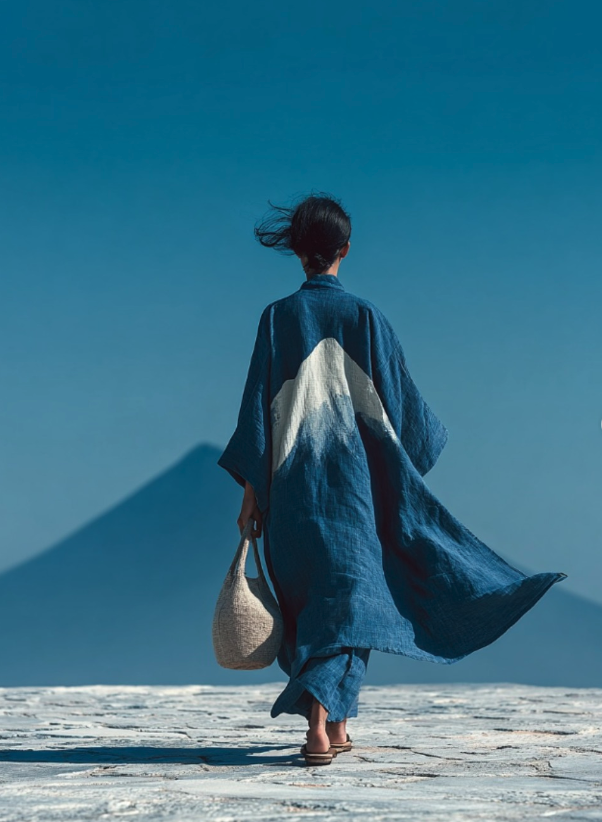
This analysis forms the macro-argument of our Cultural Intelligence Dossier, the full case for how Africa sets the measure of luxury value.
Cultural intelligence is the knowledge, authorship and lineage held inside a design technique, from the dye chemistry of Kano to the loom mathematics of a Kente weaver. African design heritage becomes lasting luxury value when this knowledge is documented, attributed and institutionally protected, the point at which provenance turns into pricing power. The record reaches back seventy-five thousand years, from the shell beads of Blombos Cave to the houses redefining where luxury value is created today.
A civilisation seventy-five thousand years deep, the techniques that still carry its knowledge, and the houses redefining where luxury value is created.
The Depth of Time
75,000
Years of documented authorship
Inside a sandstone cave above the Indian Ocean, archaeologists at Blombos uncovered forty-one shell beads, threaded and worn to communicate identity. The same site holds the earliest known human drawing, a cross-hatched mark in ochre that predates comparable European evidence by more than thirty thousand years. This is where adornment as language begins.
Authorship Before the Law
The Kuba Kingdom
Geometric pattern as language
1886
Europe signs the Berne Convention
In what is now the Democratic Republic of Congo, Kuba master weavers encoded lineage, ceremony and power into symmetry. Pattern was authorship, currency and political infrastructure at once, operating for centuries before Europe wrote its first intellectual property framework. When a luxury house turns that geometry into profit while the communities receive nothing, the right word is extraction, dressed as couture.
Living Knowledge
Knowledge that is learned, transmitted and still evolving
Kano
The chemistry of indigo dye, held in the minds of the families who work the pits.
Kente
The loom mathematics of Asante weavers, precision encoded thread by thread.
Adinkra
A symbol system from Ghana, each mark carrying proverb, history and meaning.
Ndebele
Beadwork and wall geometry from southern Africa, colour as a written language.
Maasai
A draped philosophy of cloth, where the way a garment is worn carries identity.
Kuba
Cut-pile raffia textiles whose symmetry records lineage and ceremony.
The Houses
The houses that carry it forward
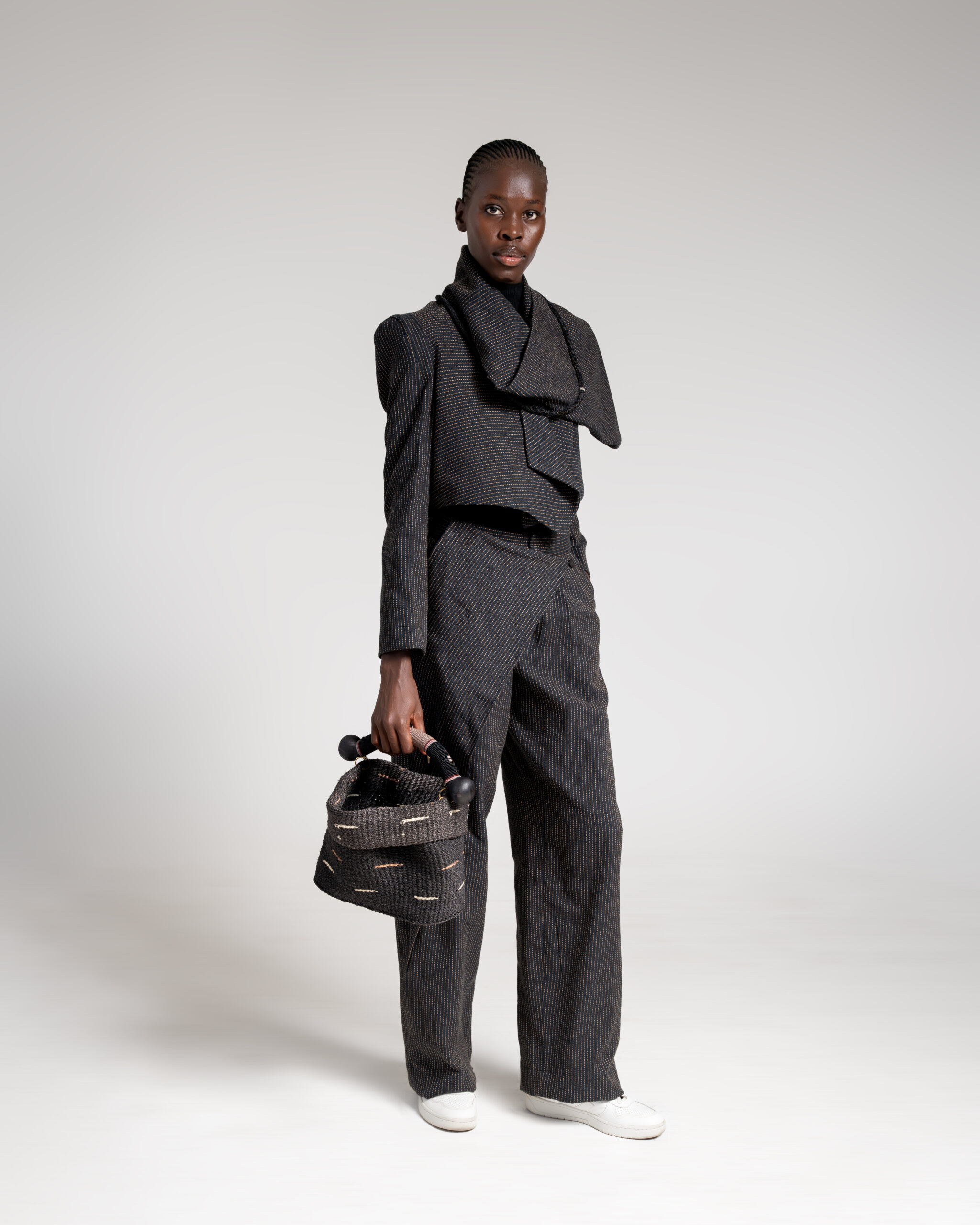
Studio Namnyak
Nairobi
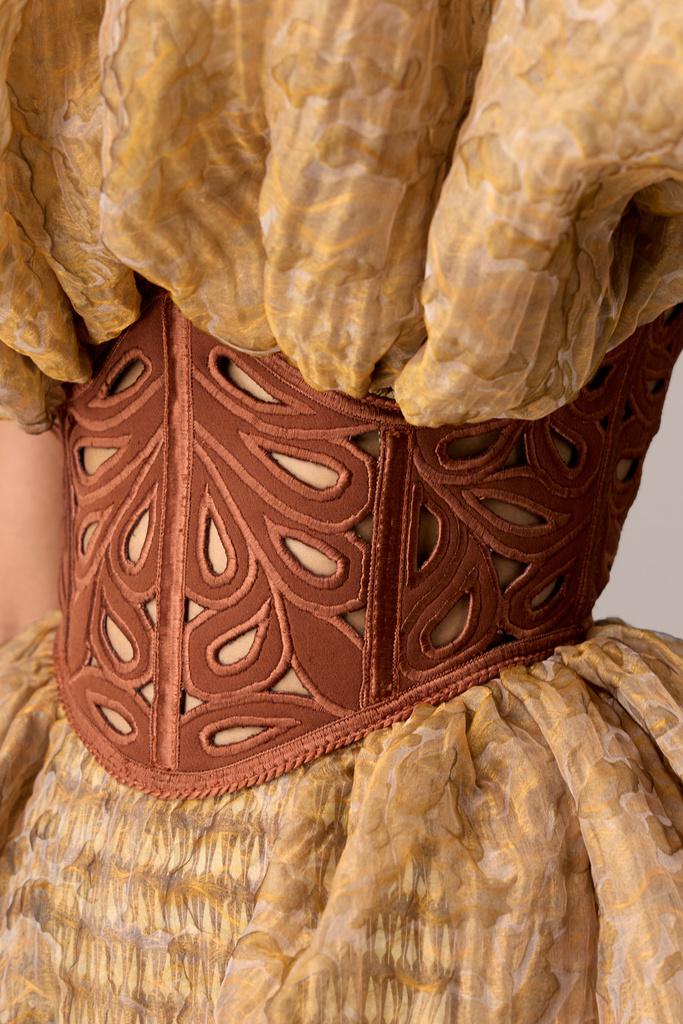
Tailoring and the woven basket, Kenyan craft rendered as quiet power.
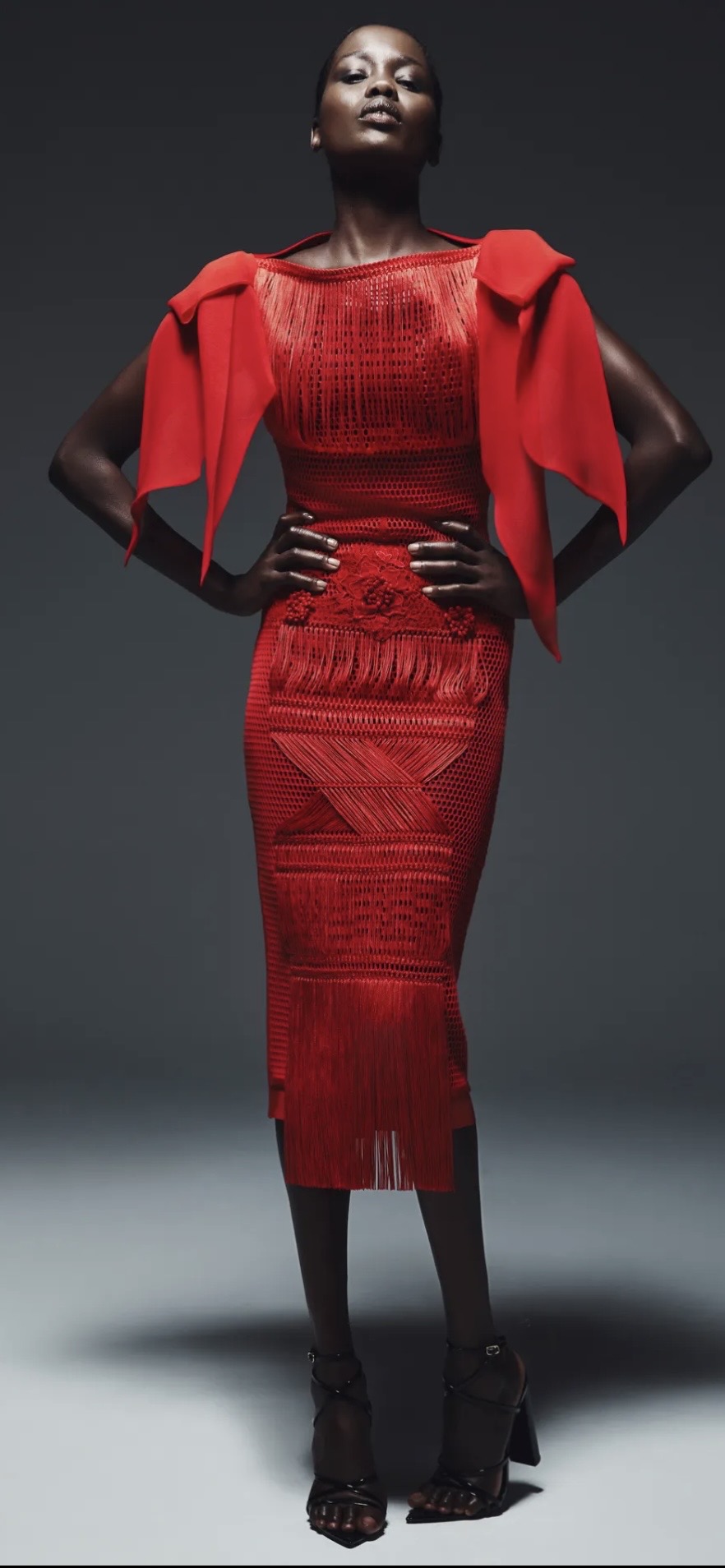
Sukeina
Dakar
Couture volume and fringe by Omar Salam, rooted in Senegalese making.
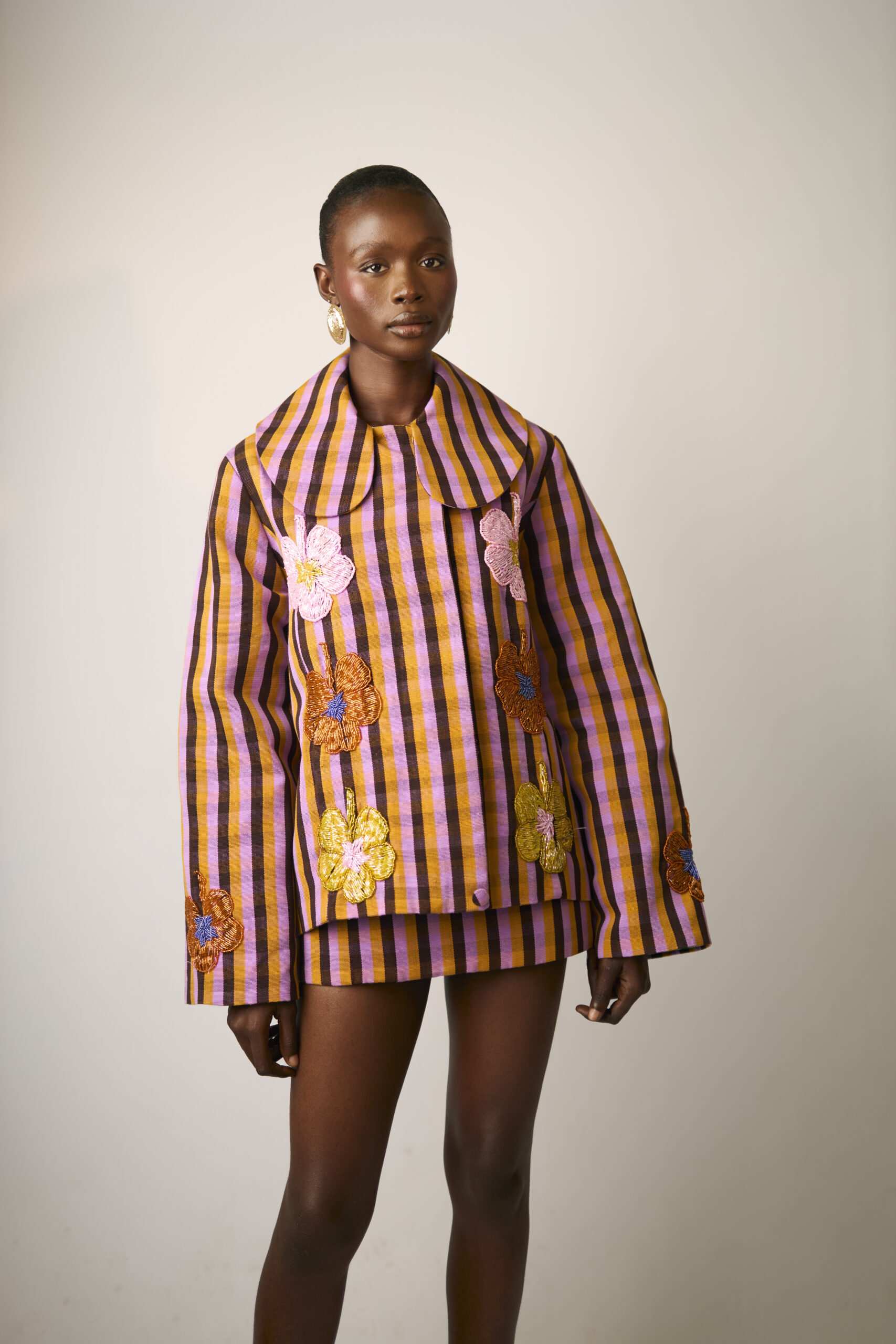
Abiola Olusola
Lagos
A restrained Yoruba modernism, beadwork meeting clean line.
Christie Brown
Accra
Sculptural construction from one of Ghana’s defining houses.
The Cloth
Port of Spain
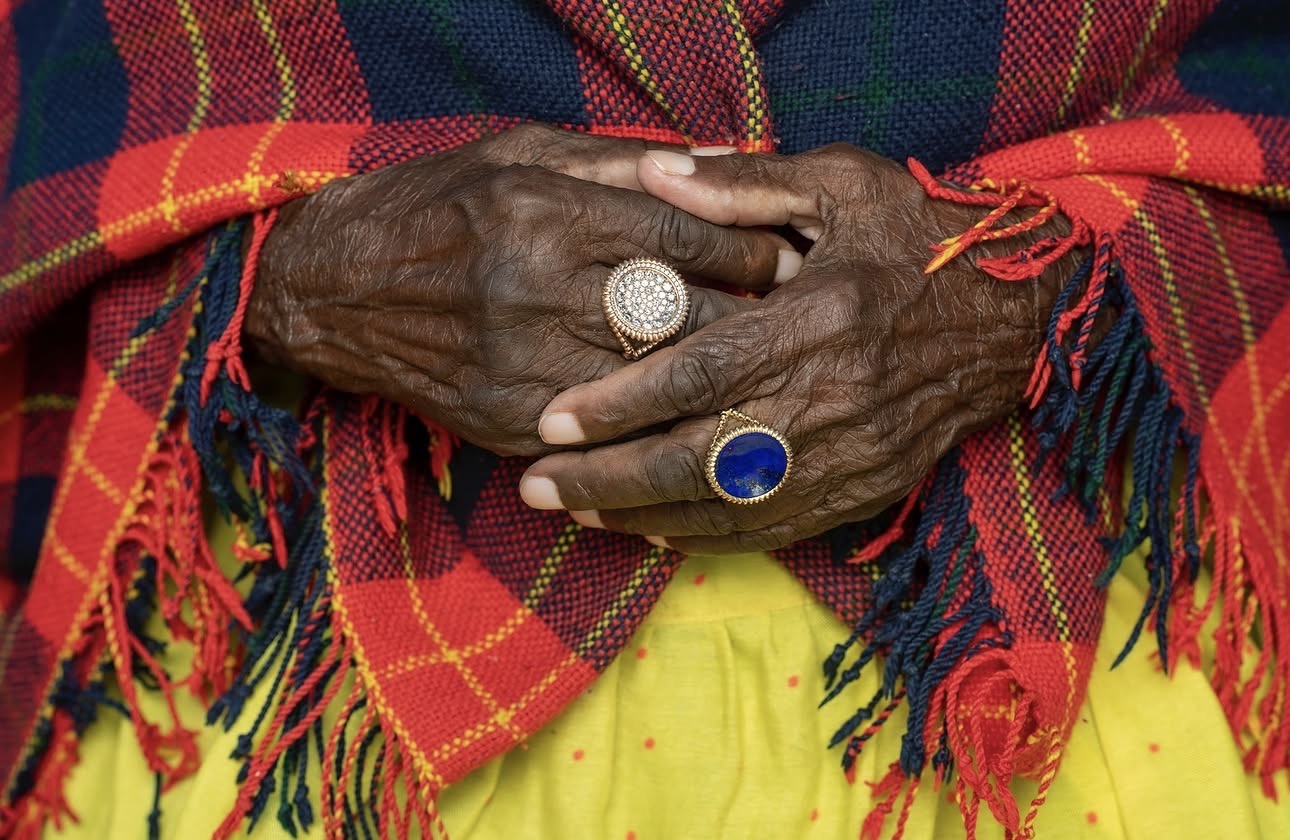
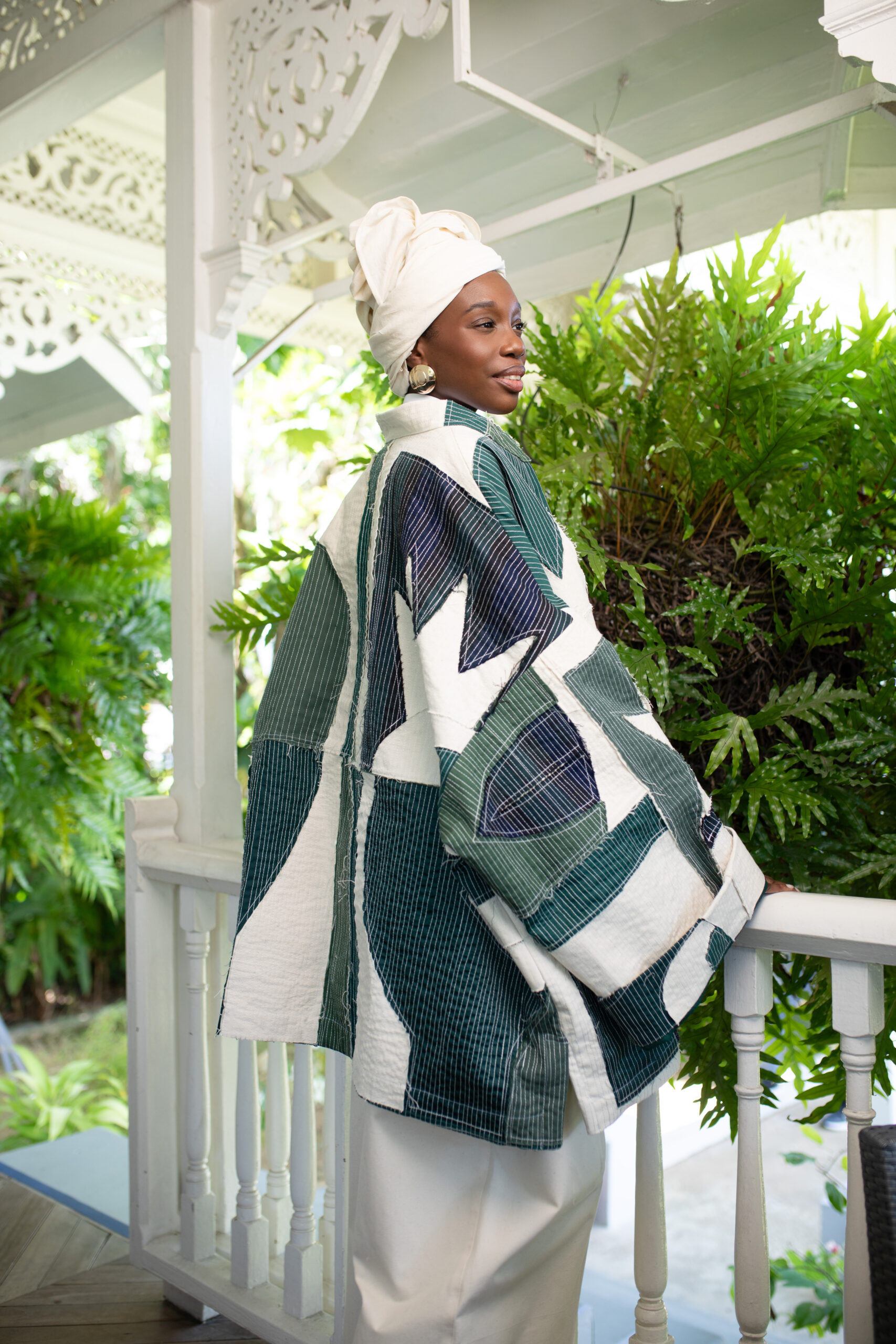
Robert Young’s Caribbean house, working African textile lineage since 1986.
Kumesu
Made in Africa
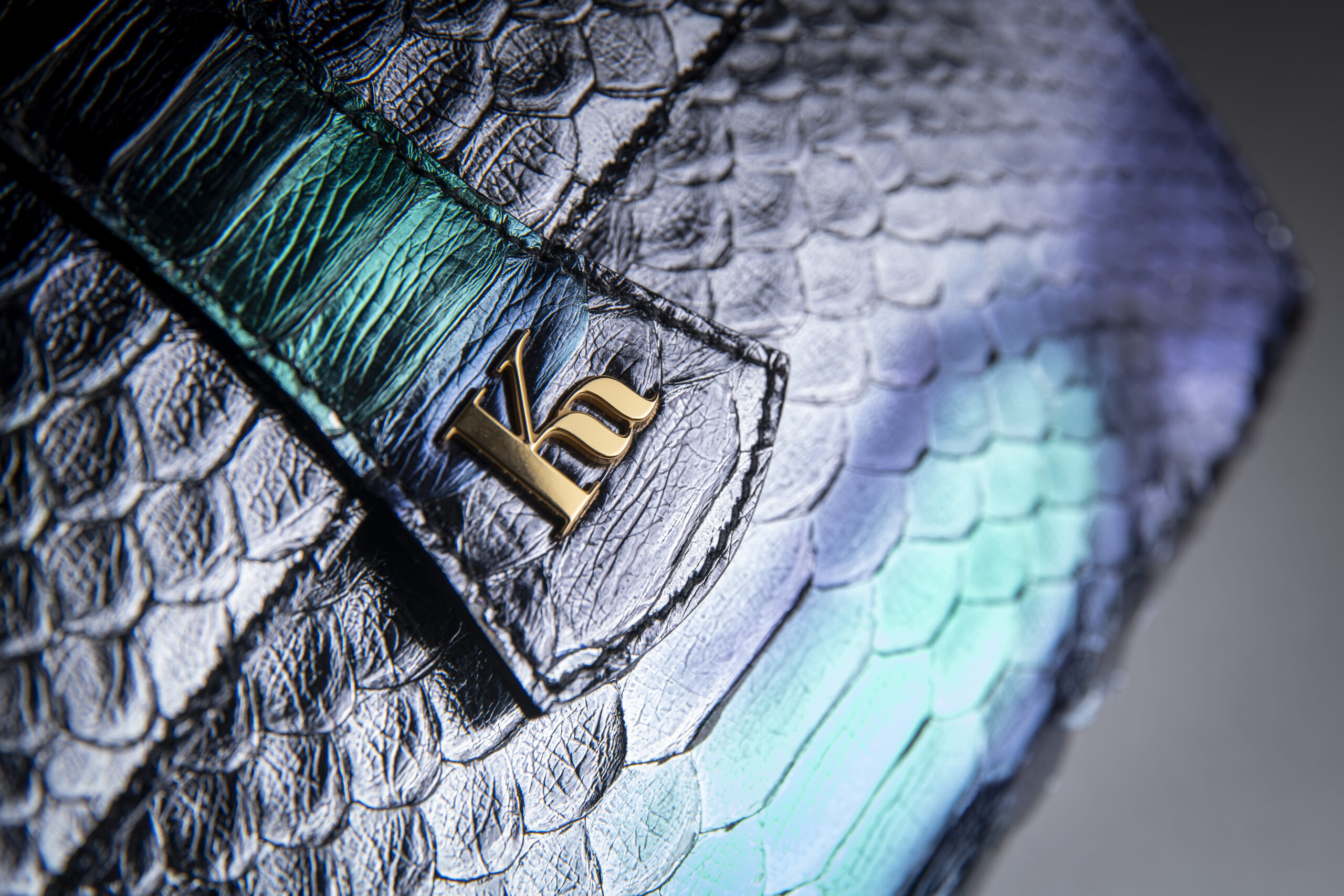
Leather goods built to set the benchmark for African luxury.
Lola Fenhirst
Lagos
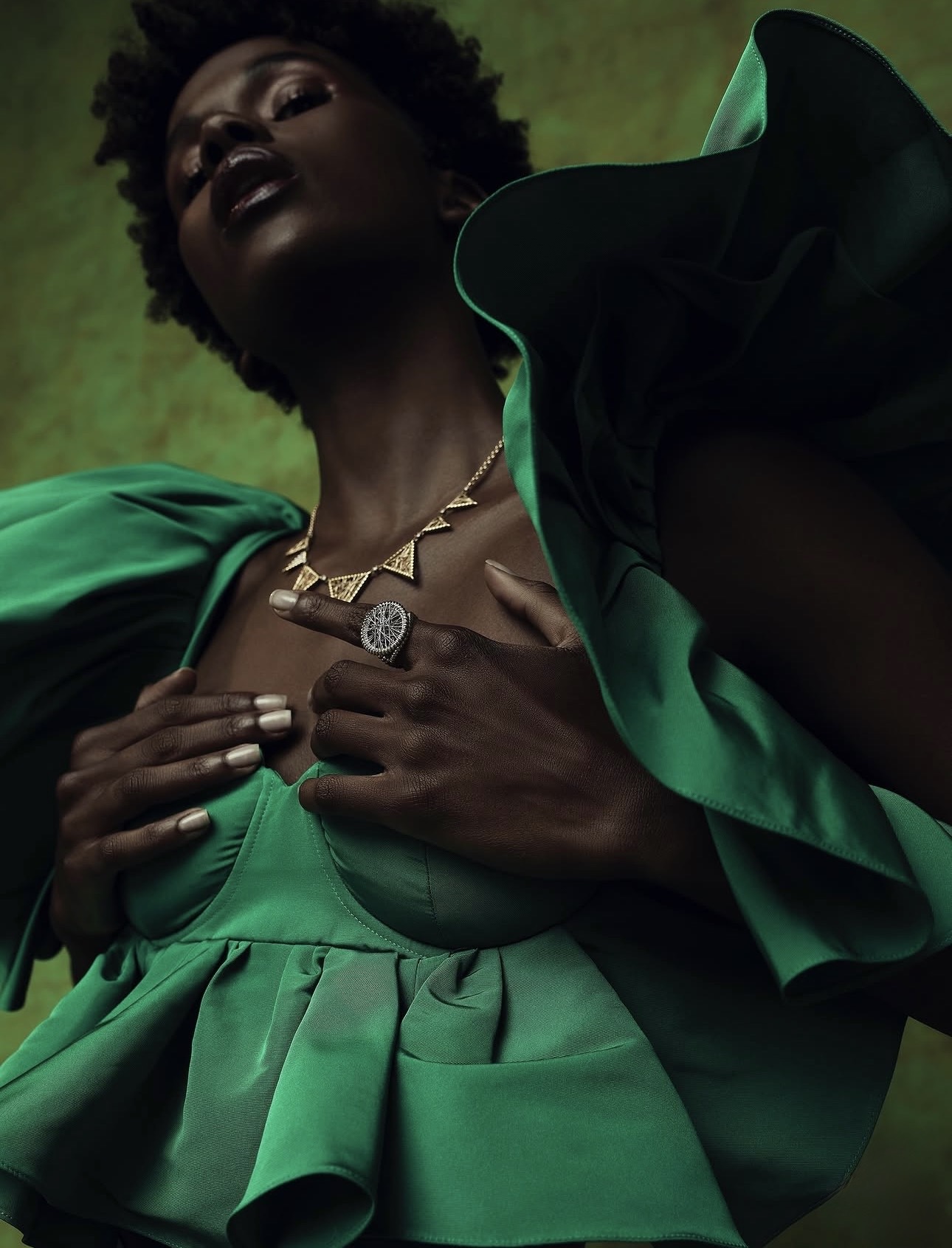
An afro-modernist jewellery house, sculptural gold and stone with Yoruba roots.
The Economic Case
The value is already here
$59B
Africa’s creative economy today, spanning fashion, music, film and design
$31B
The value of African fashion and design within that economy
890M
People under twenty-five, the youngest population on earth
$150B
Projected creative exports by 2030 if Africa doubles its global share
Sources: Boston Consulting Group, Africa’s Next Growth Frontier 2026; UNCTAD Creative Economy Outlook 2024.
In Her Words
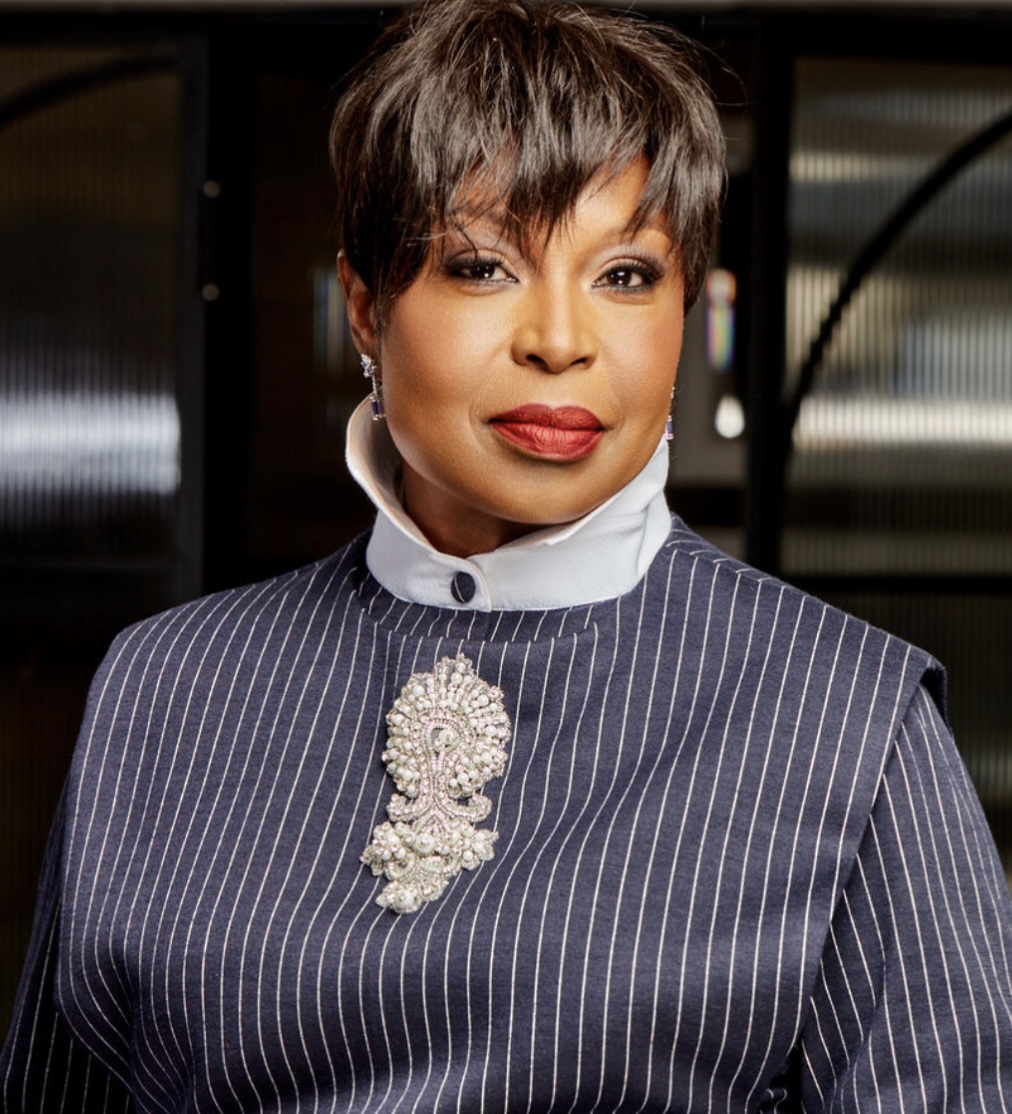
Lulu Shabell
Founder of ÀLKÉ
Cultural intelligence
For us, luxury is in the cultural intelligence of that product. It resides in systems, and the systems live in people.
The distinction
Inspiration will look at something for what it is. Cultural intelligence will ask why it exists, what it means, and who it belongs to.
The future
We need to build systems now so that the young generation can inherit confidence: so that they know African design history is canon, and that our techniques are intellectual property.
The Institution
ÀLKÉ
A pan-African institution built around Art, Legacy, Knowledge and Enterprise, designed so that the value of African cultural intelligence is documented, protected and held across generations. The inaugural ÀLKÉ Ball takes place in Cape Town in November 2026.
Lulu Shabell spent two decades placing African designers on the world’s runways, then founded ÀLKÉ to keep the value of their heritage in African hands. Recorded in June 2026, this conversation with Eva Winterer is also available to listen to in full, with chapters.
For more than two decades, Lulu Shabell opened doors for African designers, orchestrating showcases from Paris to Tokyo. She watched them celebrated on the world’s stages, then return home to find that applause had not become ownership. That recognition led her to found ÀLKÉ, a pan-African cultural institution launching in Cape Town in November 2026, built to turn African design heritage into documented, protected and lasting economic value. In conversation with The Silent Luxury, she speaks directly about exposure, cultural intelligence, provenance, and the future she intends to build. The passages that follow are her own words.
Lulu Shabell describes the slow recognition that visibility and ownership are different things, built from years of watching the same pattern repeat.
“I also realized that that also was not enough. It wasn’t one day that I woke up and I had this revelation, but rather it was this accumulation of seeing the same designers walking through doors to attend trade shows and fashion shows, and they were celebrated and they come back home. And then you also watch how their order books don’t compound. The press coverage doesn’t become equity that we thought it would be. And obviously the applause that you get from being in the world stages also doesn’t become ownership.”
On the Definition of Cultural Intelligence
For Lulu Shabell, the value of an object lives in the knowledge held by the people who make it, a system passed down rather than printed on a label.
“From a Western view, luxury on a superficial level is about aesthetics. But for us, luxury is in the cultural intelligence of that product. And therefore, for us, it resides in systems and the systems live in people. For example, when you look at the Kano pits, the chemistry of how to make that dye lives in people’s minds, right? The looms of the Kente weavers in Ghana, that’s mathematical precision required to create those textiles. It’s lineage that is wrapped up in the textile that is passed down from grandfather to father to son.”
A chance meeting in Japan became, for Lulu Shabell, a demonstration of how shared technique connects distant cultures and how deliberate exchange produces something new.
“I was in Japan a few years ago, in a shopping centre, wearing an adire garment. I met four Japanese people dressed in shibori. They didn’t speak English, I didn’t speak Japanese, but we had an hour-long conversation through what we were wearing, because the dyeing techniques of our garments were the same. You realise we are more similar than we are different. That is the case for exchange: when those traditions meet deliberately rather than by chance, you get innovation, and you get new products neither side would have made alone.”
On Turning Provenance into Pricing Power
Lulu Shabell points to European luxury as the proof that documented origin, not material alone, is what protects a price.
“Consider European luxury today. Apart from the fact that this is almost 200 years old, the skills they, the crafts people, have been doing the same thing for centuries. That idea of ‘Made in Italy’ is what is the valuable intangible asset. The bag is leather and labour, but the provenance itself is what defines the price. For us, if we can be able to document our skills and provenance, then we are able to go and say it starts to move it away from a commodity to a cultural asset.”
On the Ultimate Metric of Institutional Success
The launch in November carries a precise purpose for Lulu Shabell, beyond celebration toward a permanent economic mechanism.
“We are not taking the work lightly. We are launching in November and it’s a celebration of African heritage, but more importantly, it’s the mechanism for transforming that heritage into safeguarded, cumulative, intergenerational economic value, ensuring that those returns compound within African hands and not outside of them.”
Small and independent luxury houses gain ground across the world in 2026, carrying the rootedness, authorship and restraint that the conglomerates spent in pursuit of scale.
From Guochao 3.0 in China to emerging local luxury in Africa and India, the same structural logic is taking shape across markets that the western luxury industry has long treated as secondary. Local Soul, defined as value rooted in a specific place, a specific knowledge and specific people, is what the buyers who have moved on from the conglomerates are now seeking. The demand was always there. The space to answer it is growing.
The Space That Opens When Magic Is Spent
The Q1 2026 results of the major luxury conglomerates tell one part of the story. The fuller part is found in the ateliers, the small houses and the independent brands that built their value proposition on something the conglomerates spent during their decade of growth: provenance, controlled distribution, genuine craft and the relationship with the buyer that makes an object matter across time.
As documented in The Silent Luxury’s structural analysis of the luxury market in 2026, sixty to seventy million luxury consumers have left the market since 2022. They left because the silent contract at the heart of luxury, built on superior materials, genuine craft, controlled scarcity and lasting worth, had been broken by the very houses that defined the category. When eighty percent of luxury market growth between 2023 and 2025 came from price increases rather than genuine value gains, the buyers who understood the difference between luxury as perception and luxury as discipline registered the gap and moved elsewhere.
Where they moved is precisely where smaller and independent luxury brands have been building all along. The structural disenchantment of the major conglomerates creates room for authentic alternatives: for brands that prove their value through daily decisions about material, production and the quality of the relationship they maintain with their buyers. As Eva Winterer, Publisher of The Silent Luxury, puts it: “The Q1 results are a starting point. Industrial over-extension creates room for brands whose value is real.”
This development reaches well beyond a European or western phenomenon. The same structural logic is taking shape simultaneously in China, India, Africa and the Middle East, in markets and cultural contexts that have each arrived at the same conclusion through entirely different histories.
The Silent LuxuryLocal Soul · Global Market Scale
Local Soul Geographies — Where Demand Is Growing
Market scale and growth rates across the new geographies of luxury value · 2025/2026
Market Growth Rates — Local Soul Geographies
South Africa LuxuryFastest growing MEA geography
+11.03% CAGR
MEA Luxury Overall2026–2031 projection
+10.6% CAGR
Wellness Real EstateGlobal · 2019–2024
+19.5% p.a.
Wellness Economy Globalvs. GDP growth rate
2× GDP
Guochao Market 2028Projected volume
¥3 Trillion
New Geographies Combined
€45Billion
MEA, India, LatAm, SEA — matching mainland China in scale. 2025.
Wellness Economy 2024
$6.8Trillion
Global Wellness Institute. Doubling since 2013. Projected $9.8T by 2029.
Chinese Consumers
70% prefer local
Domestic brand preference citing quality and innovation. Daxue Consulting 2025.
The brands gaining ground in 2026 and beyond share a set of structural characteristics that are embedded in the architecture of how a house makes decisions, and that accumulate over years rather than being acquired through a rebranding strategy.
The first is provenance. Small luxury brands know where their materials come from, who worked on them and how. This traceable origin is an operational reality: a house working at limited scale makes visible decisions that a supply chain of industrial size obscures. In a market where buyers are actively applying what analysts call the investment check to every purchase, asking whether an object carries genuine value across time, traceable provenance has become the most credible answer a brand can give.
The second is frequency. A small house releasing two collections a year, building objects on order or producing in quantities dictated by the time the work actually requires, is structurally aligned with the desire economy that the major conglomerates spent years contradicting. “The houses with a future replace the concept of the collection with the concept of the wardrobe,” says Winterer. “They are selling time.” Objects whose meaning accumulates across years of use, repair and continuation.
The third is creative distance. The process behind closed doors. The finished piece that arrives without explanation or justification. A small house with deep conviction about what it stands for carries its identity in its production philosophy, its material choices and its pace. This is the creative distance that generates desire, and it is structurally available to every independent brand that stays true to its founding logic. As Winterer has observed: “Visible desperation is the opposite of spell.”
The fourth is the relationship. The ongoing connection between a house and the people who carry its objects through their lives. Small luxury brands, by definition, work at a scale where this relationship is real. The buyer who returns for a repair, who commissions a continuation of an earlier piece, who recommends the house to someone they trust: this is the Relationship Economy operating at the scale where it creates compounding value.
China: Guochao 3.0 and the Cultural Confidence of Local Soul
China in 2026 illustrates the structural logic of Local Soul with particular clarity. What is happening there is a generational reorientation toward value rooted in cultural identity, and it is reshaping the luxury category from within.
Guochao (国潮), literally “national wave,” has evolved through three distinct phases that trace a deepening of cultural confidence in Chinese consumer culture. Guochao 1.0, emerging around 2011, focused on Made in China as a quality signal, a direct response to decades in which Chinese manufacturing had been associated primarily with export volume production. Guochao 2.0, taking shape around 2018, brought Chinese streetwear and brand collaborations to the centre of youth culture, with the Forbidden City’s consumer products becoming an unlikely symbol of the shift. Guochao 3.0, the phase now defining China’s luxury conversation in 2025 and 2026, goes deeper: it integrates traditional Chinese culture, history, aesthetics and high craft into contemporary consumer goods, with traditional knowledge forming the structural logic of the product rather than serving as surface decoration.
The numbers reflect the scale of this shift. Forecasts project the Guochao market to reach over three trillion yuan by 2028. Daxue Consulting research indicates that approximately 70 percent of Chinese consumers now prefer domestic brands, citing quality and innovation gains. Hub of China’s 2026 research identifies what analysts call the “Identity Filter” as the dominant psychological force in Chinese retail: consumers are buying to signal alignment with their values. This shift in consumer psychology maps precisely onto the structural movement The Silent Luxury has been documenting in western markets, the transition from aspiration-based consumption to value-based engagement.
The Silent LuxuryGuochao 3.0 · China Local Soul
Guochao 3.0 — China’s Local Soul in Numbers
Brand performance and consumer confidence data · 2024/2025 · Sources: AlixPartners, Daxue Consulting, Hub of China
Laopu GoldFine Jewellery · 2022–2024
×7
SongmontLeather Goods · Online 2025
+90%
Li-NingFashion · Revenue Growth
+65%
FlorasisBeauty · Craft Premium
+55%
Anta SportsSportswear · Market Share
+40%
Domestic Brand Preference
70%
of Chinese consumers prefer domestic brands, citing quality and innovation gains. Daxue Consulting 2025.
Guochao Market 2028
¥3Tprojected
Over three trillion yuan. The Identity Filter drives purchasing decisions toward cultural alignment over status signalling.
The brands carrying this shift span every category relevant to the Well Living framework. In fashion and sportswear, Li-Ning pioneered the Guochao aesthetic by fusing traditional Chinese motifs with contemporary design at international fashion weeks, creating a cultural proposition built on knowledge that western luxury houses operating in China cannot import. Anta Sports has applied the same logic, combining technological performance with cultural relevance to reclaim market share from international competitors. In beauty, Florasis (花西子) integrates traditional Chinese craftsmanship, including relief carving and ancient cosmetic formulations, into products that carry cultural memory as a material quality. In wellness and lifestyle, TCM-based skincare formulations, Song Dynasty colour palettes in home décor and the integration of traditional health philosophies into contemporary wellness brands all express the same structural conviction.
In fine jewellery, Laopu Gold has built a practice that reinterprets traditional Chinese iconography, from gourds and dragons to Taoist motifs, as the foundation of a contemporary luxury proposition. Its pricing structure, which describes its premium as a processing fee above gold by weight, offers transparency in place of mystification. The brand was on track to surpass Richemont’s jewellery sales in China in 2025. As Howard H. Yu and Jialu Shan observed in their February 2026 analysis for IMD: “Laopu operates in a space where it mixes traditional Chinese craftsmanship and contemporary modernity, with high product versatility, and stays away from livestreaming. Its positioning is for the urban middle classes.”
What unites these developments across categories is what The Silent Luxury calls Local Soul: value that can only be made in a specific place, at a specific time, by specific people. “Luxury in 2026 and beyond is no longer a global player. It is a local soul,” says Winterer. “What What survives is what can only be made in a specific place, at a specific time, by specific people.”
India: Craft, Wellness and the Relational Consumer
India’s position in the global luxury shift carries its own structural logic. According to a Deloitte India consumer study reported in Luxebook India in March 2026, discretionary spending among affluent urban Indians has shifted toward experiences, wellness, travel and personalised services. The same study identifies Indian luxury consumers as highly relational and community-driven, a consumer profile that aligns structurally with the Well Living framework and the five movements The Silent Luxury tracks as the defining forces of luxury value creation through 2028 and beyond.
Indian independent luxury brands are gaining relevance because they carry what global conglomerates operating in India build with difficulty: genuine cultural provenance. Sabyasachi has built an international reputation by rooting his practice in Indian textile traditions, craft knowledge and aesthetic vocabulary, creating objects that carry cultural memory as their primary material value. Forest Essentials and Kama Ayurveda have done the same in wellness, building product propositions on Ayurvedic formulations, traceable Indian botanical sources and craft production methods that generate genuine scarcity through the time they require.
The McKinsey State of Fashion 2026 report confirms that Gen Z and millennial luxury consumers in India now prioritise brand values, storytelling and community over overt status signalling. Jessica Singh, Founder of Stanley Communications, told Luxebook India: “One insight that fundamentally changed how we approach luxury storytelling is that Indian consumers are highly relational and community-driven.” The shift from transaction to relationship, from global reach to Local Soul, is happening in India with a cultural specificity that gives it structural depth.
The Silent LuxuryAfrica · Luxury Market 2025/2026
Africa — The Rational Collector
South Africa luxury search trends and MEA market growth · Sources: Luxity 2025, Research and Markets, Mordor Intelligence 2026
South Africa — Category Search Growth 2025
JewelleryHighest growth category
+43.8%
BagsGrowing craft demand
+14.6%
South Africa Luxury MarketOverall growth 2025
+15%
LV + Gucci Combined Search Share — South Africa
2023Before the shift
30%
2025Buyers moved toward craft
21%
MEA Market 2026
$21.85Billion
Growing to $36.15bn by 2031. CAGR 10.6%. South Africa fastest growing at 11.03% CAGR. Mordor Intelligence 2026.
MEA + India + LatAm + SEA
€45Billion
Combined market value in 2025, matching mainland China in scale. The new geographies of luxury value.
Africa: The Emergence of a Creative Luxury Geography
Africa represents the most structurally significant and systematically underestimated geography in global luxury for the decade ahead. The Middle East, Latin America, Southeast Asia, India and Africa together reached a combined market value of approximately 45 billion euros in 2025, matching mainland China in scale. The luxury goods market in the Middle East and Africa is projected to grow from 21.85 billion dollars in 2026 to 36.15 billion by 2031, at a compound annual growth rate of 10.6 percent, according to Research and Markets.
The structural story carries more weight than the market size figures alone. A 2025 analysis by Luxity, South Africa’s leading luxury resale platform, found that luxury consumers in South Africa evolved into what the report describes as rational collectors: buyers who curate luxury assets for their combination of emotional connection and long-term value retention. Jewellery searches rose 43.8 percent, bag searches grew 14.6 percent. Louis Vuitton and Gucci saw their combined search share fall from 30 to 21 percent, as buyers shifted toward brands carrying deeper craft credentials. This is the investment check operating in an African luxury market: the same structural dynamic visible in every market where the major conglomerates over-extended.
African designers and brands are building a luxury proposition from the conditions that Local Soul requires. Made in Africa is experiencing a cultural renaissance: local fabrics interpreted in contemporary design, accessories that fuse minimalist aesthetics with ancestral craftsmanship, hospitality that embeds African cultural knowledge into the structure of the guest experience. The work of designers like Thebe Magugu, whose collaboration with Cape Town’s Mount Nelson Belmond Hotel exemplifies the fusion of luxury and African cultural relevance, signals an industry building from genuine cultural depth outward.
Cities including Lagos, Nairobi, Casablanca and Cape Town are emerging as luxury hubs carrying their own cultural logic. As a 2026 analysis in the Times Live put it, luxury houses that fail to recognise the shift from viewing these regions as markets to seeing them as partners do so at their own peril. The brands succeeding here are those that localise their product architecture, working with local artisans, sourcing regional materials and building community relationships that generate compounding loyalty.
Well Living: What Buyers Are Actually Looking For
The numbers confirm the direction. The Global Wellness Institute puts the wellness economy at 6.8 trillion dollars in 2024, growing at twice the rate of global GDP. Deloitte’s Global Powers of Luxury 2026 report identifies luxury travel as the segment with the highest growth potential, cited by 36.2 percent of 420 senior executives surveyed. Behind every data point is a person making a decision, and understanding that decision requires a perspective closer to the ground.
The buyer choosing a small independent brand in 2026 is making a quality judgement. She has looked at the object in front of her and asked: who made this, where, with what, and how long will it carry meaning in my life? She has weighed that answer against what the major houses are offering, and found it more convincing in the smaller room.
She travels differently too. Extended stays rather than four cities in five days. Places where the experience is structured around her rhythm. Wellness understood as something the environment delivers through its quality, its silence, its rootedness in a specific landscape. The growth in luxury wellness real estate, at 19.5 percent annually between 2019 and 2024, reflects the same orientation: the environment itself as a carrier of value.
What connects the buyer in Shanghai choosing a Guochao jewellery brand, the buyer in Mumbai choosing Sabyasachi, the buyer in Cape Town curating objects with genuine craft provenance, and the buyer in Vienna building a wardrobe of pieces that will carry across a decade, is the same underlying question: does this connect me to something that can only exist in this form, in this place, made by these people?
The small and independent brands that answer this question with the full weight of their production philosophy, their material sourcing and their relationship with the people who carry their objects have been building for exactly these structural conditions.