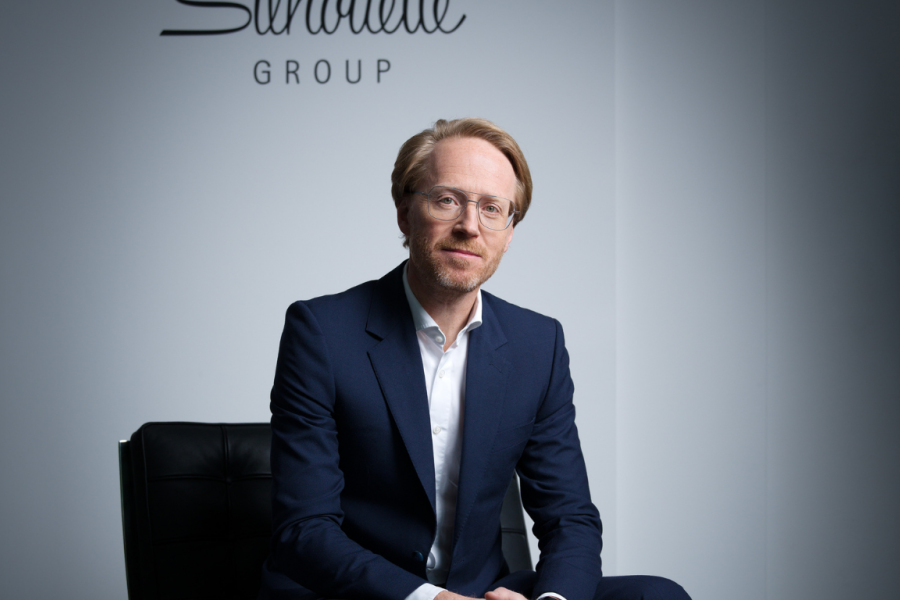
“We Think in Generations, Not Seasons”: Silhouette CEO Christian Bachler on Trust, Purity, and the Long Game
In this exclusive interview with The Silent Luxury, Christian Bachler speaks in his new role as CEO of Silhouette International about the values that will shape his leadership of the Austrian eyewear manufacturer. He took over as CEO on April 13, 2026. He came from Fiskars Group, where he ran a global portfolio of premium and luxury brands across the United States, Europe, and Asia, and before that he spent years at Swarovski working on product, design, and marketing. He knows what it means to inherit a brand with accumulated cultural weight, and he knows what it takes to move one forward without losing what made it matter. Silhouette has been making eyewear in Linz since 1964, and the question it is asking in 2026 is the same one it has always asked: how long does something last, and why.
The sector around it is currently moving at a different pace. Smart glasses are projected to quadruple in sales this year, with major eyewear players forming technology alliances that are reshaping the industry’s growth logic, and the conversation Bachler could be having in his first weeks as CEO is about platforms, connectivity, and where a sixty-year-old Austrian manufacturer fits in the connected-device landscape. He chose to begin elsewhere.
In its latest Worldwide Luxury Market Monitor, Bain & Company identified a trust breach between consumers and several of the industry’s largest houses, driven by price increases that arrived without corresponding gains in quality or creative output. Bachler’s response to that diagnosis is operational rather than rhetorical: production that has remained in Austria since the company’s founding, a design archive treated as a working vocabulary, and a phase-out of fossil natural gas completed in Linz in April 2026. When he describes the philosophy behind the Titan Minimal Art, he reaches for the word purity. Not minimalism, he says, but the refinement of every detail until only the essential remains.
The Language of Luxury and Trust in the Industry
The Silent Luxury (TSL): The language of luxury has undergone a noticeable shift in recent years. Where exclusivity and limitation once dominated, terms such as relationship, reliability, and continuity have moved to the forefront. In its latest Worldwide Luxury Market Monitor, Bain speaks of a breach of trust between consumers and some of the industry’s largest houses, driven by price increases unaccompanied by corresponding gains in creativity or quality. The question of who can truly sustain relationships thus moves away from the romantic image of the atelier and toward houses defined by production depth, material research, and long-term commitment. How does this cultural shift reshape your understanding of what an industrially producing premium brand owes its wearers today?
Christian Bachler: At Silhouette, luxury has always been defined by trust, quality, and long-term relationships. Many customers who wear Silhouette once stay with the brand for years — often for decades — because of the unique combination of exceptional lightness, wear comfort, quality, and timeless design. From the very beginning, our benchmark has been uncompromising quality and the assurance that our products are made to last. We believe true luxury means reliability and emotional longevity — products that continue to perform beautifully over time and naturally become part of everyday life.
Because we manufacture our eyewear in Austria, we control every step of the process — from design and engineering to material development and final production. This allows us to maintain the highest standards in craftsmanship, precision, innovation, and quality control. We also believe modern luxury comes with responsibility. Sustainability, long-term thinking, and continuous refinement are essential parts of our philosophy, as is creating an environment where customers feel genuinely welcomed and valued. As a family-owned company, we think in generations, not seasons. This long-term perspective shapes everything we do and allows us to create eyewear that combines aesthetics, functionality, and lasting value.

Eyewear Between the Relationship Shift and the Smart Frames Wave
TSL: In 2026, the eyewear industry finds itself between two fundamentally different growth narratives. On one side, the wave of smart frames, which according to The State of Fashion 2026 is expected to quadruple sales this year, led by major competitors forming alliances with Meta and Google. On the other, a movement described by Bain and Deloitte as a relational shift in luxury, where trust, continuity, and cultural relevance replace the logic of scarcity. Within this constellation, Silhouette has taken a clear position — without overtly articulating it. How do you interpret this choice, and what responsibility arises for a house that opts against the platform logic of smart frames in favour of the object logic of the worn frame?
Christian Bachler: We see eyewear not as a gadget or a short-lived technology product, but as something deeply personal. Glasses are part of people’s everyday lives, something they wear for many hours a day and often for many years. That is why we believe innovation should always serve the wearer in a meaningful and lasting way. At Silhouette, we focus on creating products that genuinely improve comfort, functionality, and the overall wear experience rather than following short-term technology trends. True innovation, in our view, is often invisible: it is the precision of the engineering, the lightness of the frame, the flexibility of the material, or a hinge design that enhances comfort without the wearer even noticing it consciously. To us, modern luxury means thoughtful innovation, timeless quality, and products designed to stay with people for a long time.
Heritage as a Living Vocabulary
TSL: With the Iconic Shades, Silhouette draws on the work of Dora Demmel and the design language of the late 1970s, combining it with its own material innovation, SilhoPure 3D printing. Heritage here functions as a living vocabulary that shapes the present, rather than as a display case in which the past is preserved. What kind of authority does a brand gain when it reads its own history as a creative resource — and how can it prevent that reading from slipping into nostalgia?
Christian Bachler: Heritage is not something we see as static — it is a living source of inspiration. We do not treat our design history as an archive, but as a foundation to evolve from. With Iconic Shades, for example, we revisited the bold design language of the late 1970s and Dora Demmel’s work and reinterpreted it through modern innovation like our SilhoPure 3D-printing technology. This constant dialogue between heritage and innovation is what keeps our design relevant. At the same time, heritage is only one part of our universe. Our portfolio spans from future-oriented, highly technical designs like Titan Minimal Art to more expressive, heritage-inspired collections. This balance is what keeps Silhouette dynamic, contemporary, and culturally relevant.
Reduction and Depth as Two Poles of the Same Discipline
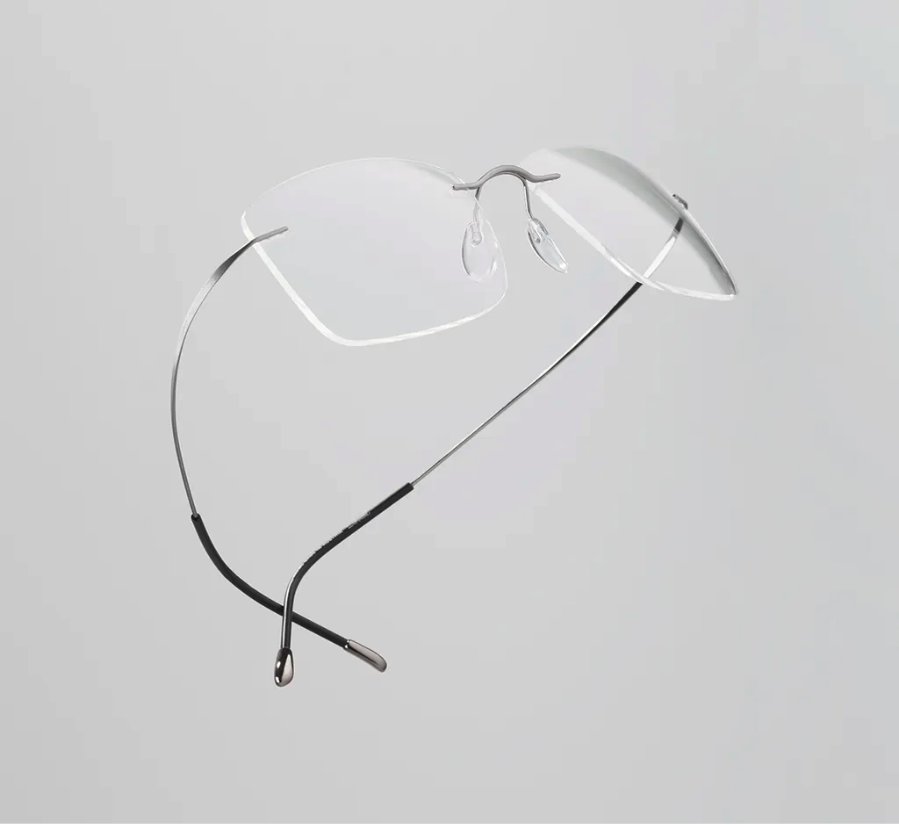
TSL: In material and design, Silhouette speaks the language of reduction. The Titan Minimal Art weighs 1.8 grams; the principle of reduction before compensation defines the ecology of production, and the phase-out of natural gas in April 2026 marks a consistent continuation of this path. In its relationship with wearers, however, the focus shifts to the opposite: depth, narrative, time, and meaning. In traditional brand management, these movements are often seen as opposing forces. What concept of luxury allows you to treat these two poles not as a tension, but as two sides of the same discipline?
Christian Bachler: These ideas are not opposites to us — they are part of the same philosophy. We do not define it as reduction, but as purity. At Silhouette, purity means focusing on what truly matters. In design and engineering, this is reflected in products like Titan Minimal Art — not removing for the sake of minimalism, but refining every detail until only the essential remains. The same principle applies emotionally. Today, people seek authenticity and longevity over excess. A purist product creates a deeper connection through comfort, timeless aesthetics, and a feeling of effortless integration. Modern luxury today is defined by clarity, intention, and substance — creating something lasting and meaningful.
Strategy Between Discipline and Risk
TSL: In 2026, Silhouette stands at a strategic juncture where ecological reduction in production and a culturally deep relationship with the wearer converge in a confined space. At best, these two disciplines reinforce one another, as material credibility generates cultural credibility. At worst, they risk undermining each other — if reduction flattens into gesture or heritage becomes mere staging. As CEO, where do you see the point at which these movements begin to support one another, and what kind of discipline is required at board level to ensure that this balance does not drift into mere marketing?
Christian Bachler: These two dimensions support each other the moment they move beyond communication and become part of real decisions, investments, and long-term commitments. Today, consumers immediately recognise whether sustainability, innovation, and quality are authentic — or simply marketing. At Silhouette, credibility comes from consistency. Producing in Austria, investing in material innovation, continuously refining the wear experience are not campaigns — they are part of our long-term philosophy. The key discipline lies in ensuring that product, innovation, sustainability, and communication always speak the same language. That consistency is what creates trust, and ultimately defines modern luxury.
Selected Reading:
- The Eyewear Split: How a $173 Billion Market Is Dividing Into Two Irreconcilable Logics
- Strategic Shift in Linz: What the New CEO Christian Bachler Means for Silhouette
- The Great Luxury Garage Sale: An Industry Clears Its Shelves
- The Magic is Spent: Q1 2026 and the Structural Shift Reshaping the Luxury Market
- Local Soul: The Quiet Rise of Independent Luxury
Similar Articles
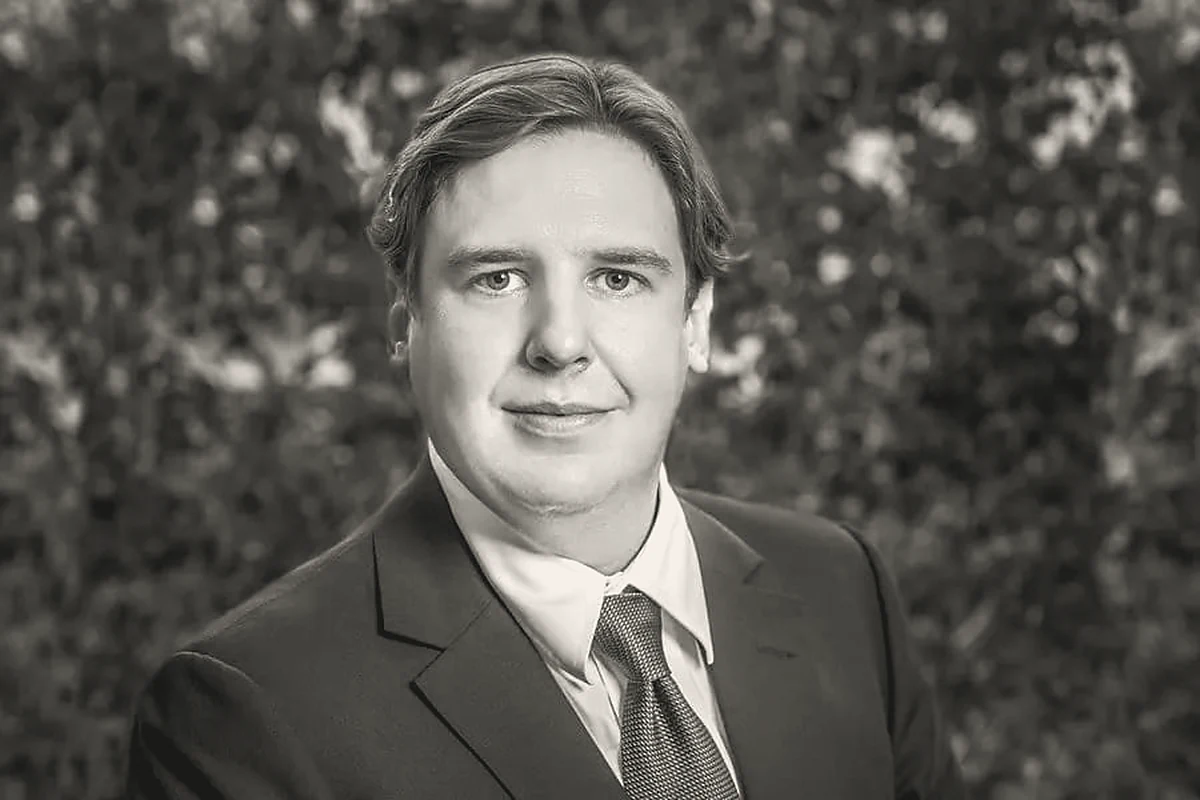
Anton Rupert Moves Up at Richemont as the Rupert Succession Takes Shape
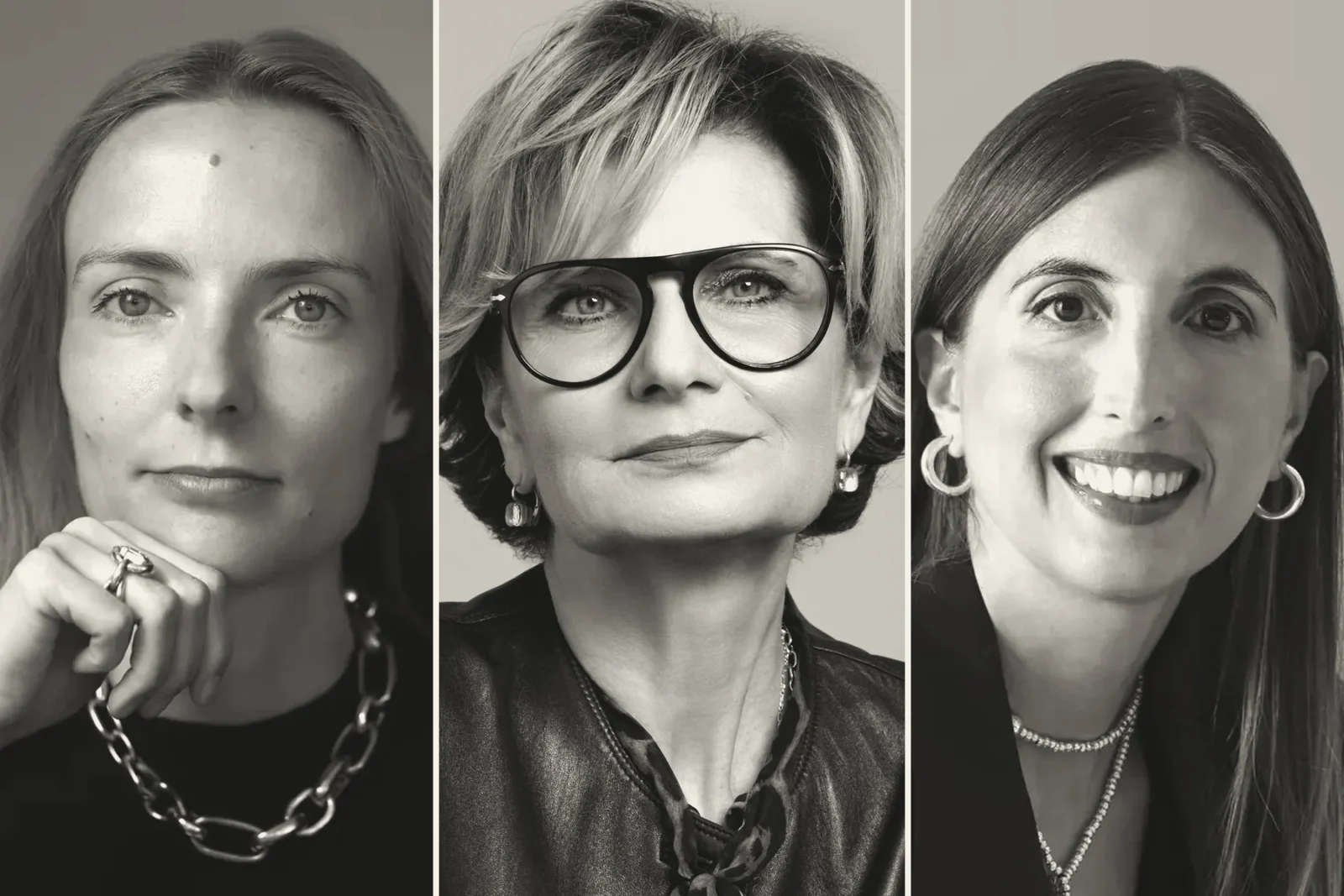
Three Women, One City: How Luca de Meo Put Sabina Belli, Charlotte Fournet and Krizia Cucurachi in Charge of Kering in Milan
Spazio Gio Ponti: Milan Finally Gives Its Architect a Home