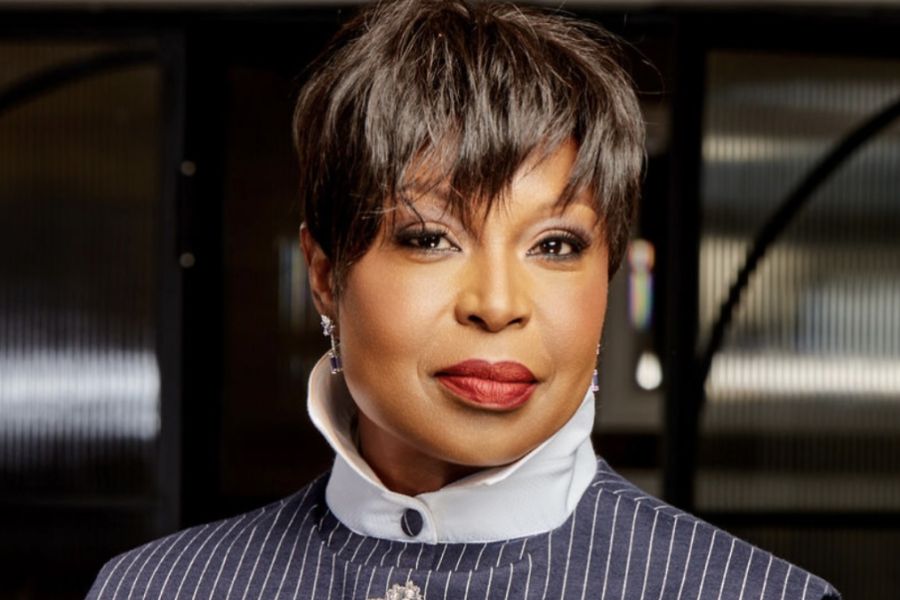
Lulu Shabell on Why African Heritage Belongs to Africa
This conversation is the philosophical chapter of our Cultural Intelligence Dossier, where Lulu Shabell sets out why sovereignty holds African creative value across generations.
For more than two decades, Lulu Shabell opened doors for African designers, orchestrating showcases from Paris to Tokyo. She watched them celebrated on the world’s stages, then return home to find that applause had not become ownership. That recognition led her to found ÀLKÉ, a pan-African cultural institution launching in Cape Town in November 2026, built to turn African design heritage into documented, protected and lasting economic value. In conversation with The Silent Luxury, she speaks directly about exposure, cultural intelligence, provenance, and the future she intends to build. The passages that follow are her own words.

On the Illusion of International Exposure
Lulu Shabell describes the slow recognition that visibility and ownership are different things, built from years of watching the same pattern repeat.
“I also realized that that also was not enough. It wasn’t one day that I woke up and I had this revelation, but rather it was this accumulation of seeing the same designers walking through doors to attend trade shows and fashion shows, and they were celebrated and they come back home. And then you also watch how their order books don’t compound. The press coverage doesn’t become equity that we thought it would be. And obviously the applause that you get from being in the world stages also doesn’t become ownership.”
On the Definition of Cultural Intelligence
For Lulu Shabell, the value of an object lives in the knowledge held by the people who make it, a system passed down rather than printed on a label.
“From a Western view, luxury on a superficial level is about aesthetics. But for us, luxury is in the cultural intelligence of that product. And therefore, for us, it resides in systems and the systems live in people. For example, when you look at the Kano pits, the chemistry of how to make that dye lives in people’s minds, right? The looms of the Kente weavers in Ghana, that’s mathematical precision required to create those textiles. It’s lineage that is wrapped up in the textile that is passed down from grandfather to father to son.”
A note from The Silent Luxury
Good reading deserves to find you again.
On Global Kinship and Shared Traditions
A chance meeting in Japan became, for Lulu Shabell, a demonstration of how shared technique connects distant cultures and how deliberate exchange produces something new.
“I was in Japan a few years ago, in a shopping centre, wearing an adire garment. I met four Japanese people dressed in shibori. They didn’t speak English, I didn’t speak Japanese, but we had an hour-long conversation through what we were wearing, because the dyeing techniques of our garments were the same. You realise we are more similar than we are different. That is the case for exchange: when those traditions meet deliberately rather than by chance, you get innovation, and you get new products neither side would have made alone.”
On Turning Provenance into Pricing Power
Lulu Shabell points to European luxury as the proof that documented origin, not material alone, is what protects a price.
“Consider European luxury today. Apart from the fact that this is almost 200 years old, the skills they, the crafts people, have been doing the same thing for centuries. That idea of ‘Made in Italy’ is what is the valuable intangible asset. The bag is leather and labour, but the provenance itself is what defines the price. For us, if we can be able to document our skills and provenance, then we are able to go and say it starts to move it away from a commodity to a cultural asset.”
On the Ultimate Metric of Institutional Success
The launch in November carries a precise purpose for Lulu Shabell, beyond celebration toward a permanent economic mechanism.
“We are not taking the work lightly. We are launching in November and it’s a celebration of African heritage, but more importantly, it’s the mechanism for transforming that heritage into safeguarded, cumulative, intergenerational economic value, ensuring that those returns compound within African hands and not outside of them.”
FURTHER READING
- The Architecture of Sovereignty: A Conversation with Lulu Shabell on Cultural Intelligence. The analytical companion to this conversation, on how cultural intelligence reshapes value.
- What Does Value Mean in Luxury in 2026?. The value architecture that frames the conversation.
- Couture Régénérative: The Architecture of Value in Luxury. The regenerative method behind the magazine’s reading of worth.
For the full framework behind these questions, return to the Cultural Intelligence Dossier on African luxury and sovereignty.
Similar Articles

Anton Rupert Moves Up at Richemont as the Rupert Succession Takes Shape

Three Women, One City: How Luca de Meo Put Sabina Belli, Charlotte Fournet and Krizia Cucurachi in Charge of Kering in Milan
Spazio Gio Ponti: Milan Finally Gives Its Architect a Home