Luís Onofre: Portugal’s Family Shoemakers Are Betting on Skill Over Scale
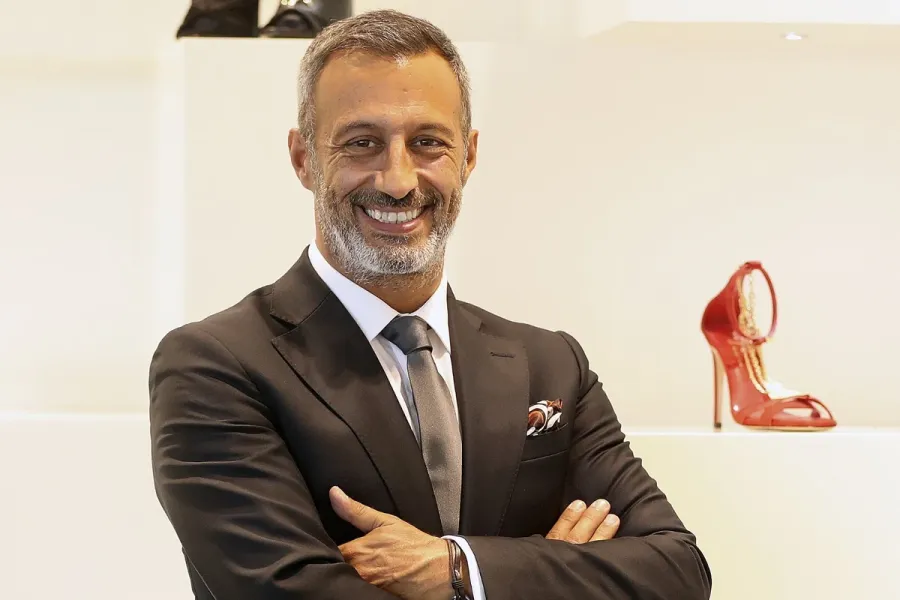
Luís Onofre has led APICCAPS, the association of Portugal’s footwear, components and leather goods manufacturers, since 2017, and designs shoes under his own name. Twenty years ago the industry he represents stopped competing with Asia on volume and price. It let some of its production go and invested in machines, new materials and the skills of the people who stayed.
The first results of that choice are now in its factories. In Felgueiras, north of Porto, soles and fabrics made from cork, olive stones and chestnut husks have gone into production, just as buyers have begun to judge a shoe by its material before its brand. How that shift is changing Portugal’s factories is the subject of The Material Era: How Portugal Makes the Shoes Europe Will Buy Next. In conversation with The Silent Luxury, Onofre talks about the decisions that were hard to take, what Portuguese shoemaking must keep as leather loses its place at the centre, and why the size of a company will matter less than its skills in the future of luxury.
“The alternative would have been to compete in a race we could never win.”
Value Over Volume: Luís Onofre on Portugal’s Footwear Strategy
APICCAPS names value, quality and fast delivery as the reasons for Portugal’s smaller decline. Which strategic decisions of the past twenty years led there, and which of them were difficult?
Over the past twenty years, Portugal has made a deliberate strategic choice: we understood that we could not compete with Asia on volume or price. We had to move up the value chain and compete through quality, flexibility, service, speed to market, innovation and, increasingly, sustainability.
This required a profound transformation of the industry. Portuguese companies invested in technology and advanced manufacturing, improved their product development capabilities, became much more flexible and shortened lead times. At the same time, they gradually moved away from lower-value production towards more sophisticated and higher-value segments of the market. Today, Portugal is increasingly chosen not because it is the cheapest place to produce, but because it can develop and manufacture complex, high-quality products in Europe, close to the major fashion markets.
More recently, we have accelerated this strategy. Through two major strategic programmes, the Portuguese footwear cluster has invested more than €100 million in innovation, automation, robotics, new materials and sustainable production processes. Our ambition is very clear: Portugal wants to be at the forefront of developing sustainable footwear solutions internationally.
Some of these decisions were difficult. Moving away from price-based competition meant accepting that certain types of production would inevitably leave Portugal. Investing heavily in technology and sustainability also required significant financial commitments from companies, many of them SMEs and family-owned businesses. But the alternative would have been to compete in a race we could never win. Our strategy has therefore been consistent: less competition on price, more competition on value.
More Than Leather: Luís Onofre on What Defines Shoes Made in Portugal
The share of leather shoes in Portuguese exports fell from 69 to 58 per cent in three years. How does the identity of Portuguese shoemaking change, and what must it keep?
Leather will remain extremely important to the Portuguese footwear industry. Portugal has extraordinary expertise in leather footwear, built over generations, and this know-how is one of our strongest competitive assets.
However, the market is changing, consumers are changing and footwear itself is changing. The reduction in the share of leather footwear in our exports does not mean that Portugal is abandoning its identity. It means that our industry is broadening its capabilities.
Today, Portuguese companies work with a much wider range of materials and produce everything from classic leather shoes to sneakers, technical footwear, professional and safety footwear, vegan products and innovative solutions using recycled, bio-based and next-generation materials.
The Portuguese footwear identity should therefore not be defined by a single material. It should be defined by how we make excellent shoes: the quality of manufacturing, attention to detail, flexibility, technical knowledge, design capabilities and the ability to transform ideas into excellent products.
What we must preserve is our know-how. Technology will become increasingly accessible around the world, but decades of accumulated manufacturing knowledge, craftsmanship and an industrial ecosystem capable of developing sophisticated products are much more difficult to replicate. That combination of human expertise and advanced technology will remain central to Portugal’s identity.
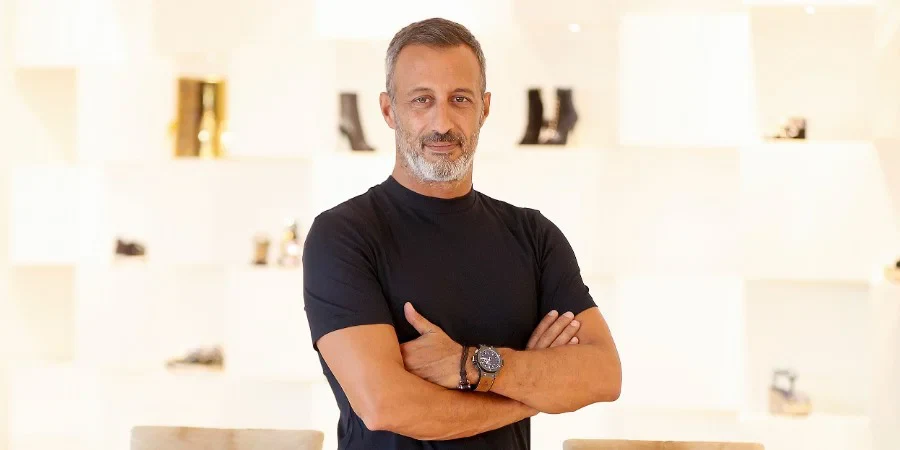
“What we must preserve is our know-how.”
Small Firms, Strong Future: European Footwear in the Next Ten Years
Many producers are small family companies working for several brands. What will decide whether they make Europe’s shoes in ten years?
The investment we have made over the past three years, more than €100 million in sustainability, robotics and automation, is a powerful vote of confidence in the future of the Portuguese footwear industry.
The next decade will probably be more transformative than the previous three. The European footwear industry will face pressure from global competition, demographic challenges, changes in retail, lower consumption in mature markets and increasingly demanding environmental requirements.
For Portuguese manufacturers, size will not necessarily be the decisive factor. Small and medium-sized family companies can have a very strong future if they are highly specialised, technologically advanced, financially sound and deeply connected to their customers.
The companies that succeed will be those capable of offering much more than manufacturing capacity. Brands increasingly need industrial partners that can help them develop products, test new materials, produce smaller and more flexible series, respond quickly to market changes and provide credible environmental performance and full transparency throughout the supply chain.
This is precisely where Portugal can have an important competitive advantage. We have a highly concentrated and specialised industrial cluster, experienced manufacturers, component and material suppliers, technological and research capabilities and decades of accumulated know-how.
Our objective for the next ten years is not to make the largest number of shoes in Europe. It is to make some of the best, most innovative and most sustainable shoes in the world.
In that sense, the future of Portuguese footwear will depend on our ability to combine three dimensions that were once seen as separate: craftsmanship, technology and sustainability. If we succeed, Portugal will remain one of Europe’s most relevant footwear manufacturing centres, but increasingly at the highest end of the value chain.
Insight: The Family Workshops Behind Shoes Made in Portugal
Shoes made in Portugal come from family firms. Around 1,500 companies with some 40,000 employees make up the country’s footwear cluster, according to APICCAPS, most of them in a small area of the north, in Felgueiras, Santa Maria da Feira, Oliveira de Azeméis, Guimarães and São João da Madeira. Many are now run by the sons and daughters of the people who founded them.
Onofre comes from one of these families. His grandfather opened a small shoe factory in Oliveira de Azeméis in 1933, and after his death in 1939 Onofre’s grandmother, Conceição Rosa Pereira, ran it. Onofre launched the brand that bears his name in 1999 and counts himself the third generation in the trade.
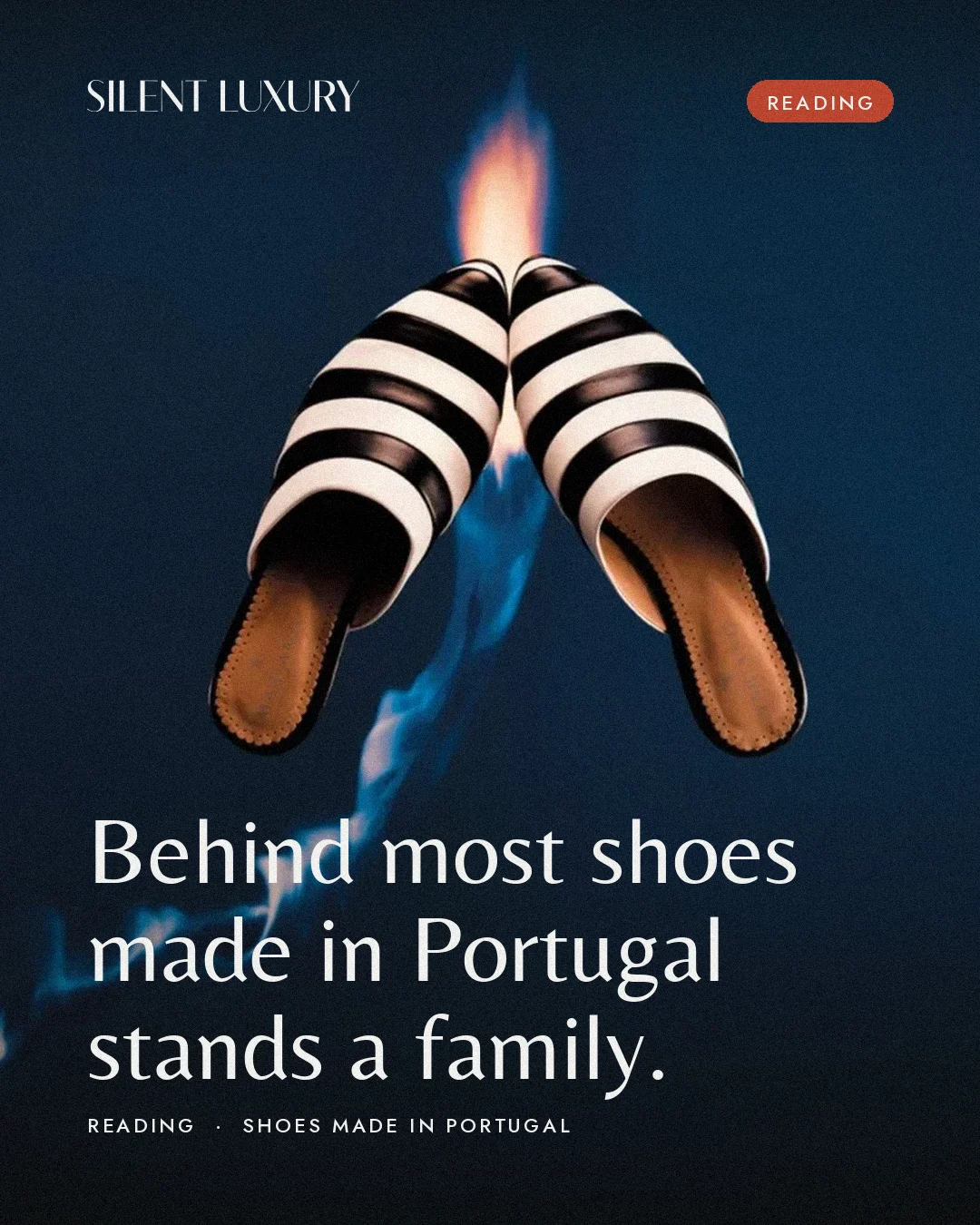
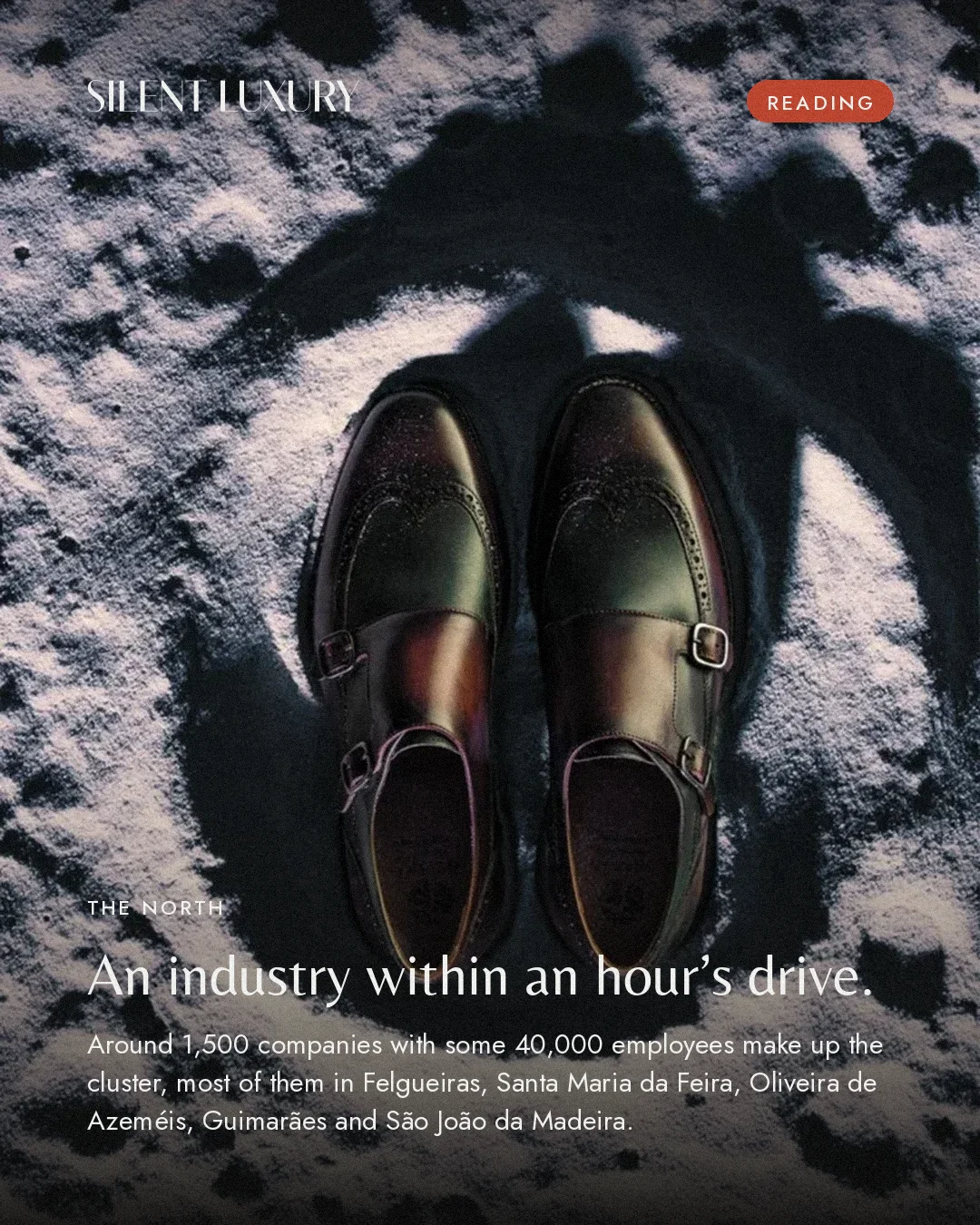
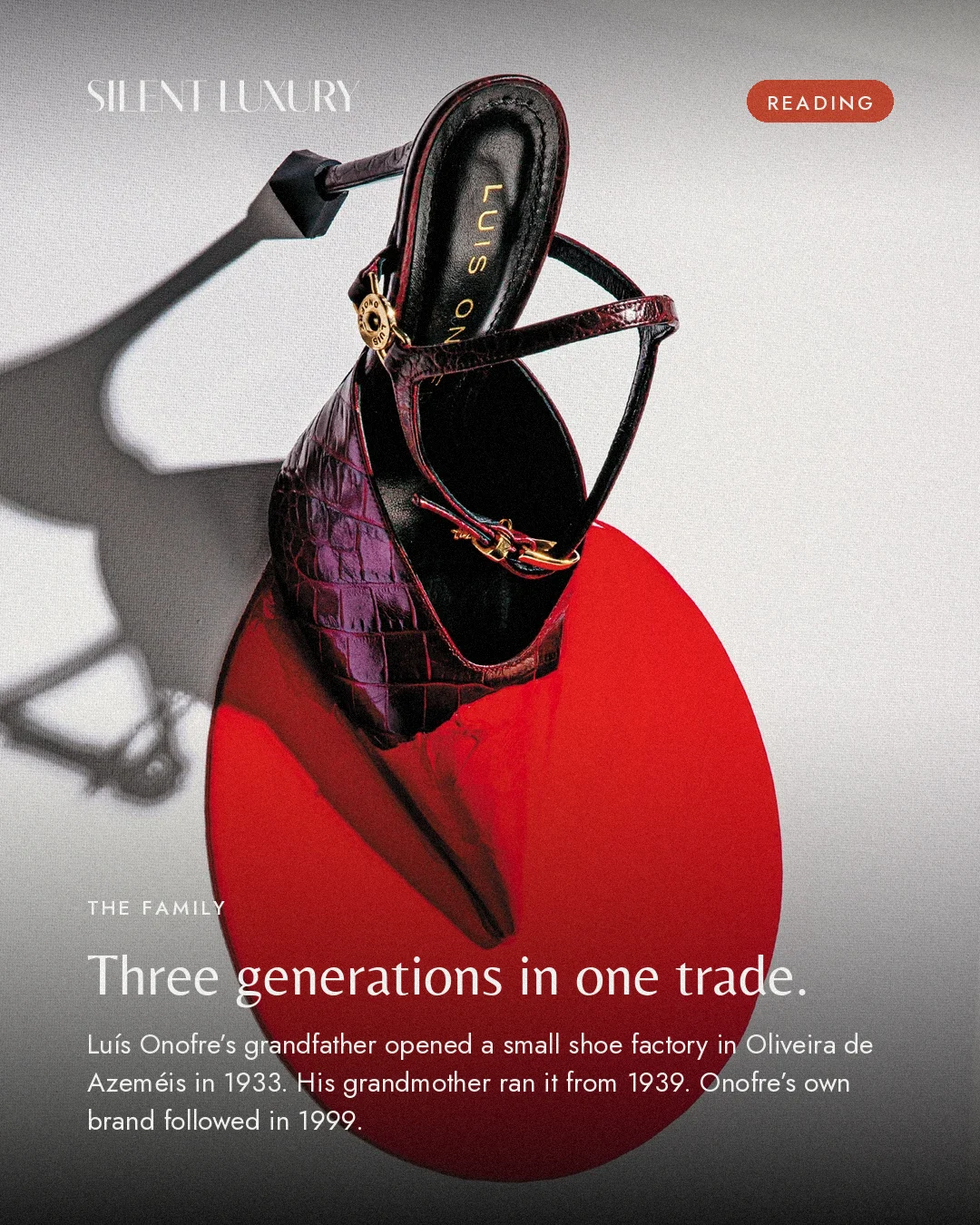
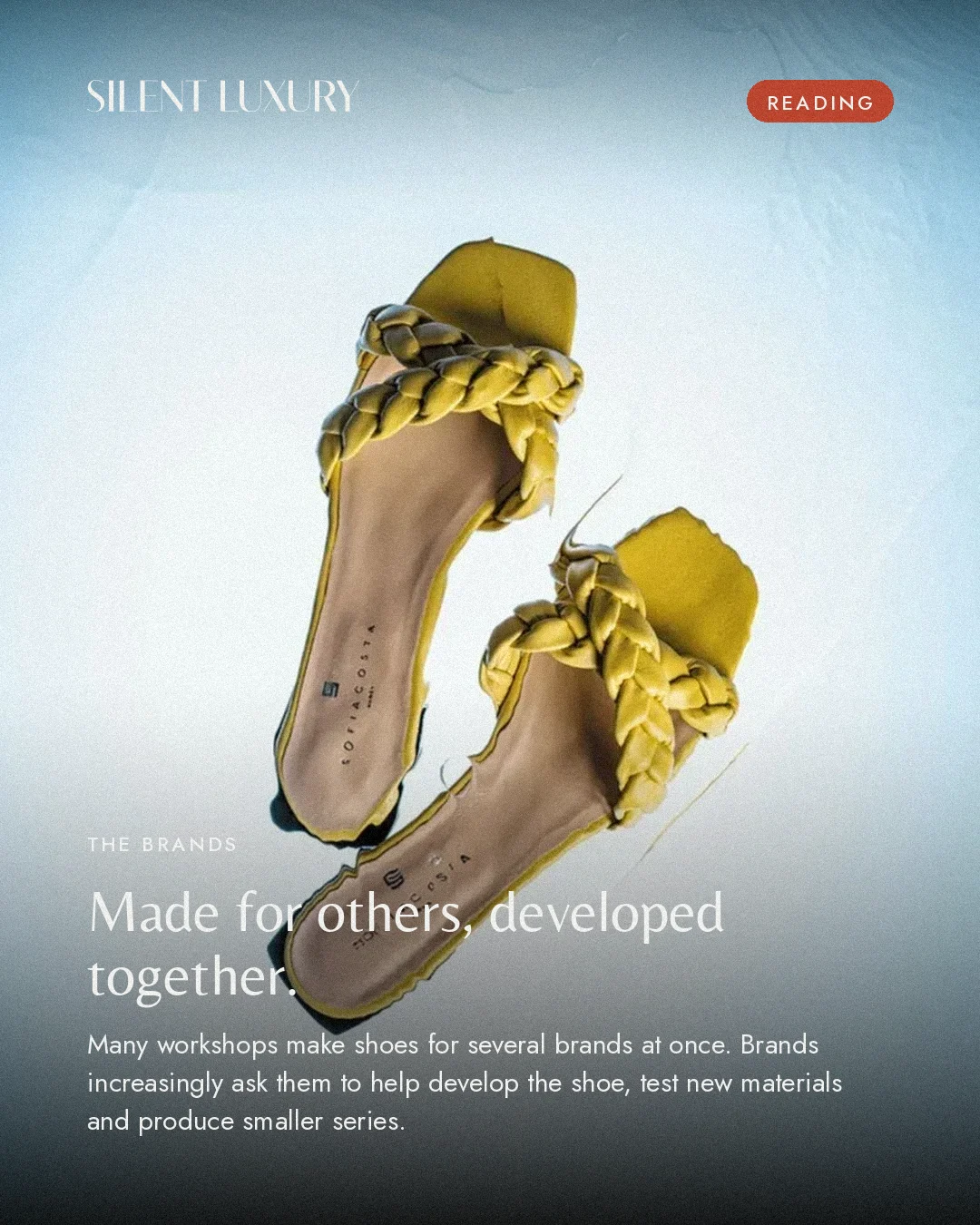
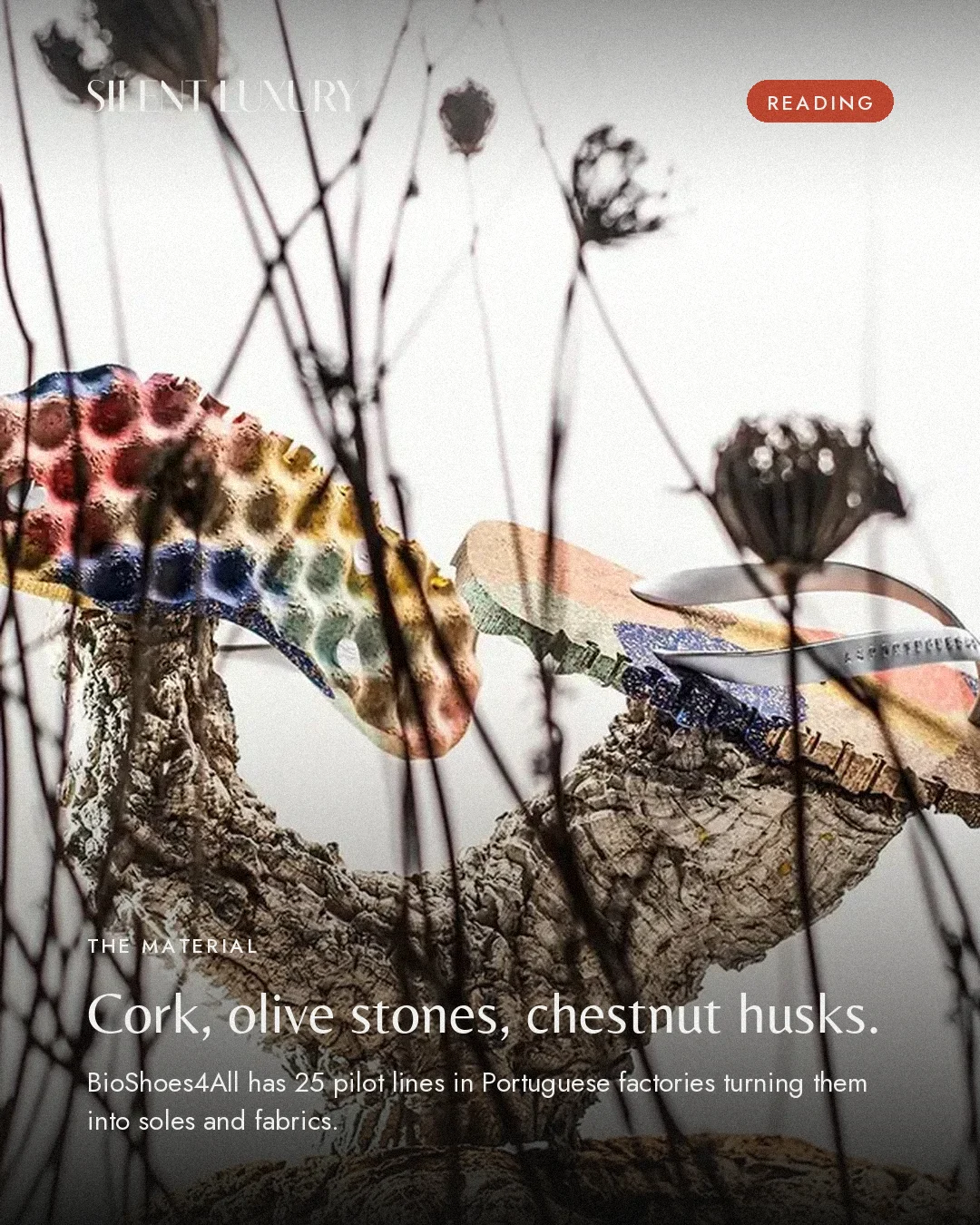
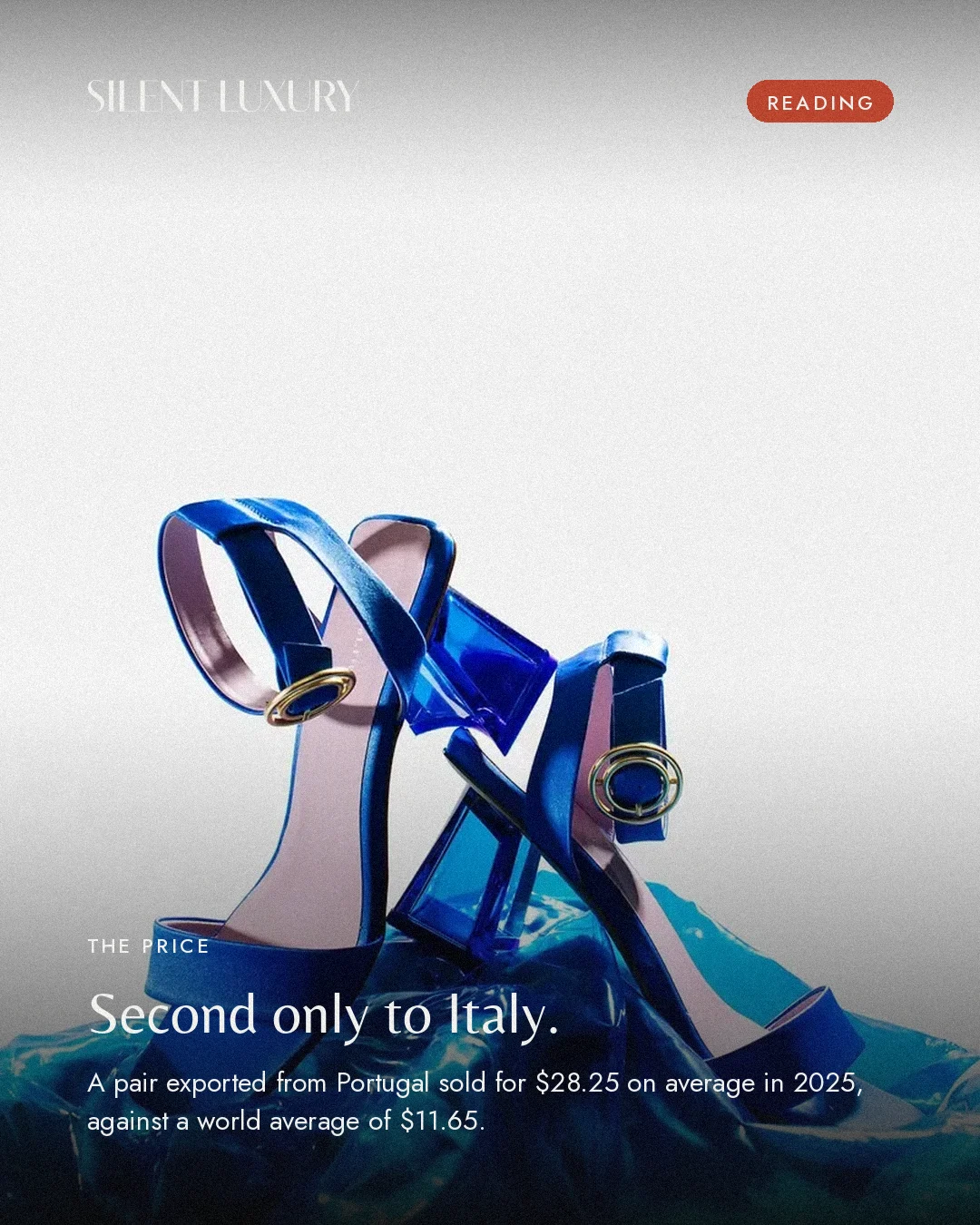
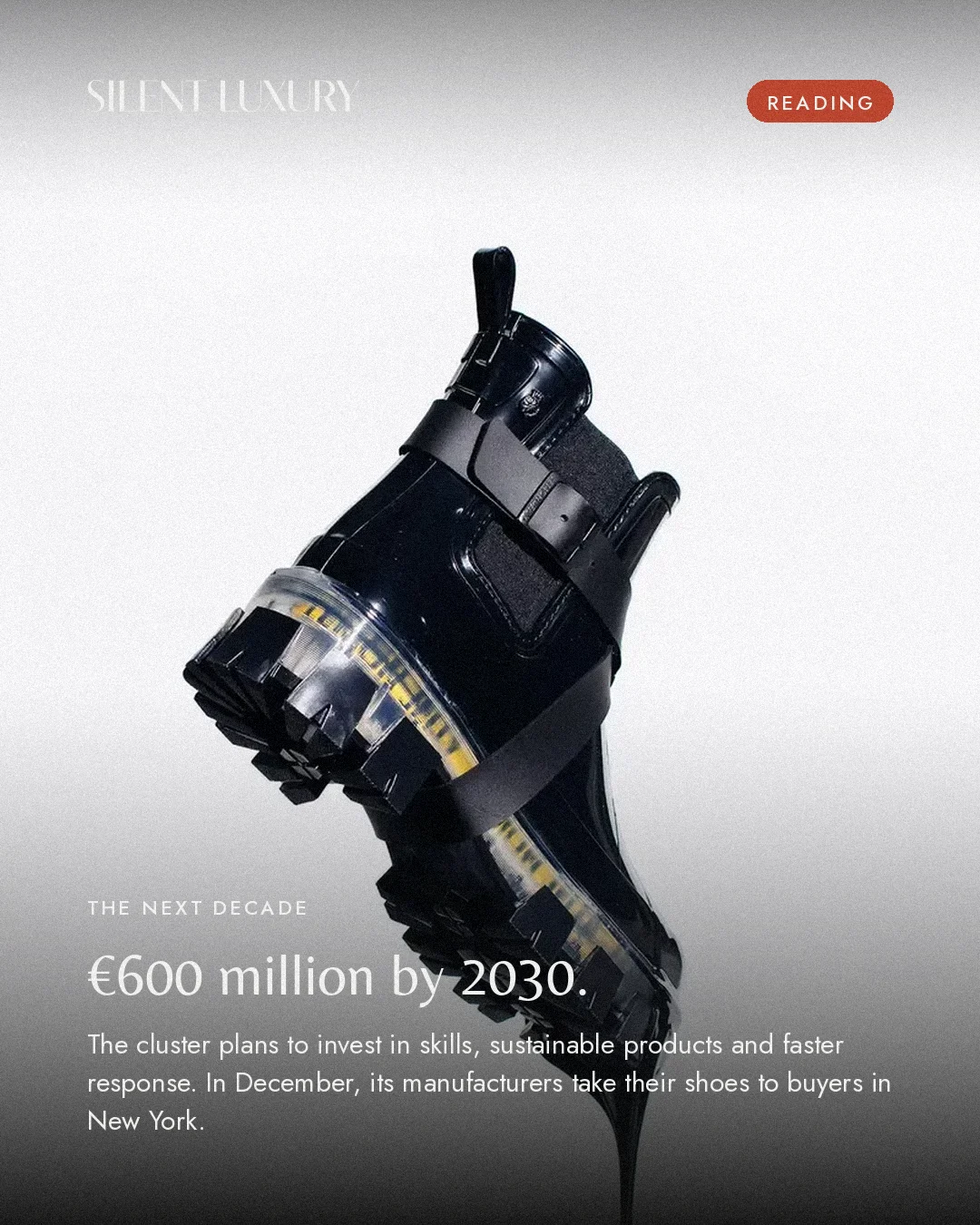

Photos: Courtesy of Portuguese Shoes / APICCAPS, Portuguese Soul and BioShoes4All
The industry is investing for the decade ahead. Its strategic plan for the footwear cluster sets out €600 million of investment by 2030 in skills, sustainable products, faster response and a stronger presence abroad, and more than €100 million has already gone into automation, robotics and new materials, Onofre says. In December, APICCAPS takes Portuguese manufacturers to New York to court American buyers, a market that bought 1.8 million pairs from Portugal last year.
Send this ↗ to someone who runs a family company and wonders whether small can last.
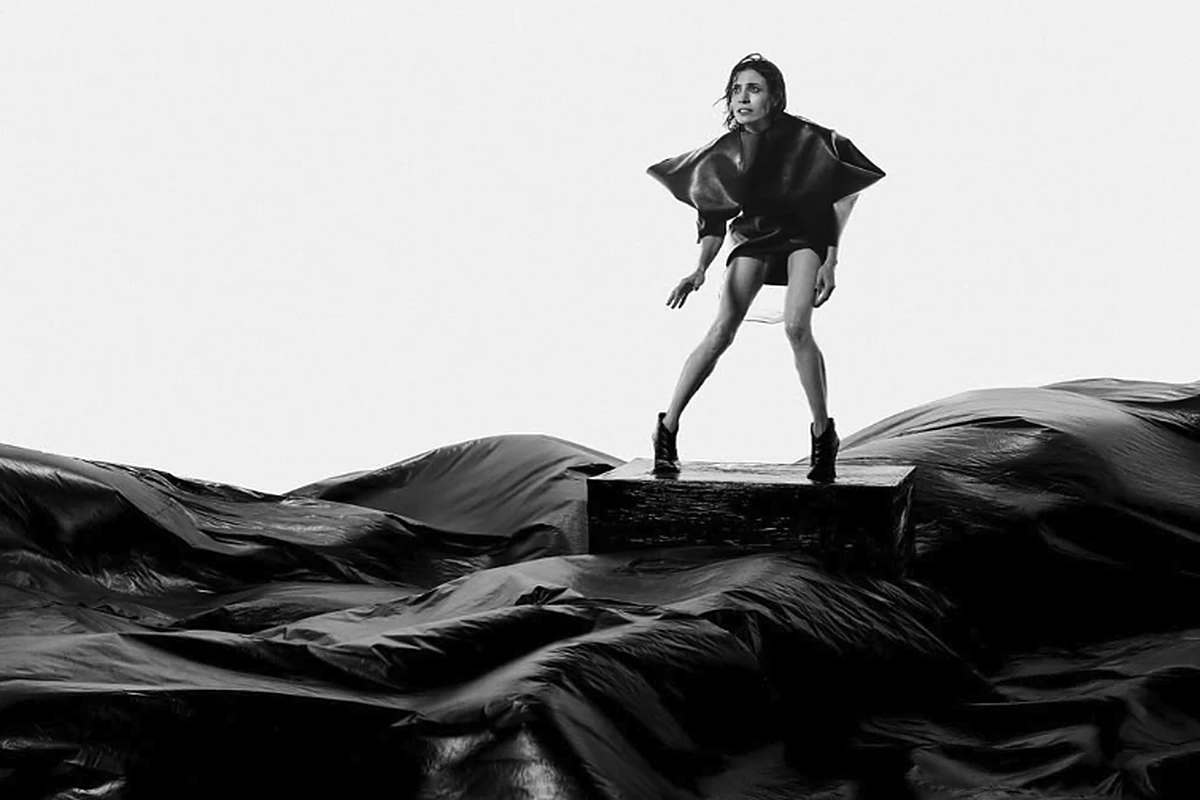 Read next · The ReadingThe Material Era: How Portugal Makes the Shoes Europe Will Buy NextBuyers now judge a shoe by its material before its brand. In Portugal, the first soles from cork and fabrics from olive stones are in production.
Further Reading
-
The Quiet Discipline: How Two European Manufacturers Build Trust on the Factory Floor
A century-old workwear maker in Borås and a sixty-year-old eyewear house in Linz arrive at the same conviction: trust is built on the factory floor, through what a product owes the person who keeps it for years.
-
Marion Röttges of Remei: Transparency Is Where Change Begins
Organic cotton grows when buyers commit for years, says the co-CEO of the Swiss company Remei, which works directly with some 5,000 smallholder farmers in India and Tanzania.
-
IWTO’s Dalena White: Fibre Choice Decides How a Garment Ends
Wool biodegrades in soil and polyester does not. The Secretary General of the International Wool Textile Organisation on why footprint scores miss that difference.
Sources
- Luís Onofre, president of APICCAPS, in conversation with The Silent Luxury, October 2026
- APICCAPS and Assocalzaturifici, footwear export figures, first half of 2026
- BioShoes4All, programme results, June 2026
- APICCAPS, World Footwear Yearbook 2026, Portugal’s footwear in 2025, 27 August 2026
- World Footwear, average worldwide export price per pair, 27 August 2026
- APICCAPS, Strategic Plan of the Footwear Cluster 2030
- Portuguese Soul, Luís Onofre brand profile
- APICCAPS, footwear employment by region
- AICEP Portugal Global, APICCAPS showcase in New York, 18 October 2026
Similar Articles
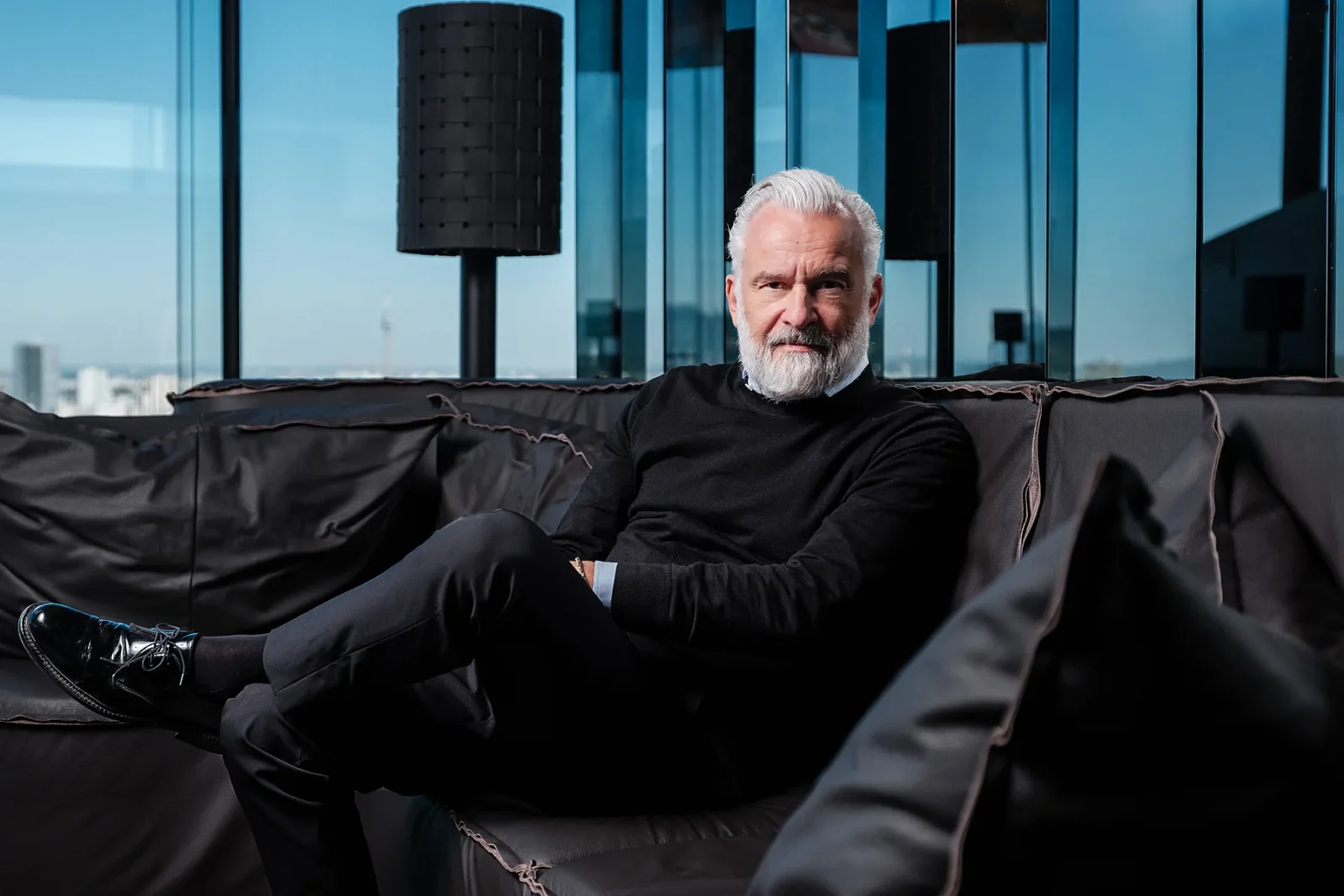
When Banks Become Hotels: Stephan Ferenczy on Urban Change, Restaurants and the Life of Old Buildings
A Sicilian Day in Seven Perfumes: Piero Di Pasquale on La Scala del 7
Venetian Glass and Light: “Tradition Is Our Most Sophisticated Technology”