Lacoste’s CEO Change and the Promise of the Crocodile
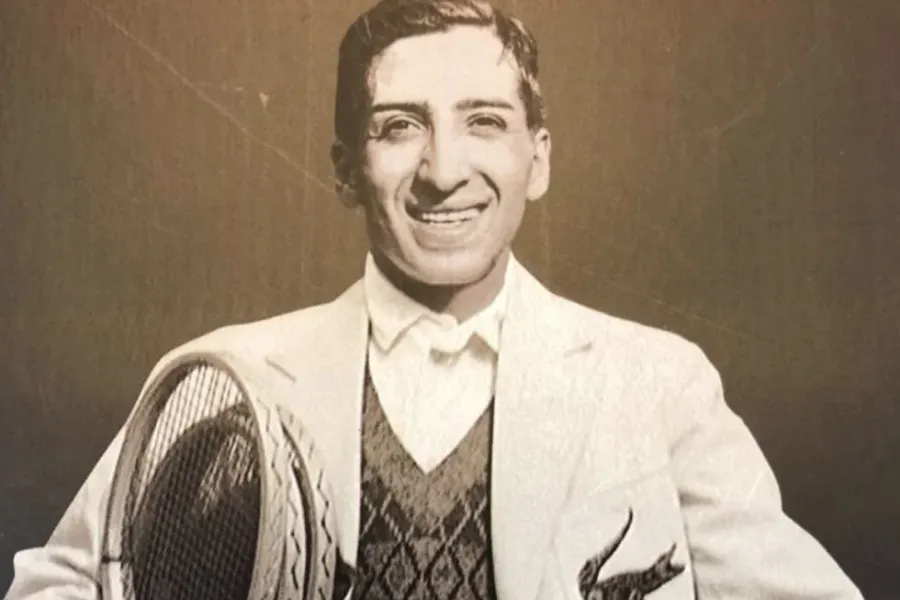
A few days before Lacoste sent its new collection down a Paris runway at the start of October, the man hired to take the brand upmarket was gone. Éric Vallat had led the house of the crocodile for thirteen months. Three people familiar with the matter told Reuters that he was dismissed quietly before the show, and a spokesperson confirmed his departure while keeping the reason within the company. His successor is his predecessor. Thierry Guibert, who ran Lacoste for ten years and heads its Swiss owner Maus Frères, is back at the helm.
According to two of the Reuters sources, the reasons lay somewhere other than in the brand’s figures. Lacoste speaks of robust fundamentals and holds on to its target of €4 billion in annual sales, to be reached between 2028 and 2030.
Fired Before the Show: Lacoste Calls Thierry Guibert Back
Éric Vallat arrived from the great luxury groups. At LVMH he ran Louis Vuitton in Europe and Christian Dior Couture in Japan, and he later led the children’s label Bonpoint and the Limoges shoemaker J.M. Weston, headed the fashion and accessories maisons at Richemont and spent five years at the top of Rémy Cointreau. Lacoste hired him in June 2025 with a clear brief. He was to lift the brand’s position and reduce its reliance on low-margin wholesale.
Thierry Guibert learned his trade elsewhere, first at KPMG, then at the French retail chains Fnac and Conforama. At Lacoste he began the climb himself, closing stores, pulling the brand out of outlet centres and building up shoes and accessories. In 2024 sales rose by 8 per cent to almost €3 billion, and around 70 per cent of the business runs through Lacoste’s own channels. Guibert has spoken of growth of 5 to 10 per cent a year, of an aggressive push in the United States and, one day, of a Hotel Lacoste for sport and wellbeing.
The two men stand for two ideas of what upmarket can mean. Maus Frères chose between them in a single week in October.
A note from The Silent Luxury
Good reading deserves to find you again.
Troyes, 1933: René Lacoste and the First Logo on a Shirt
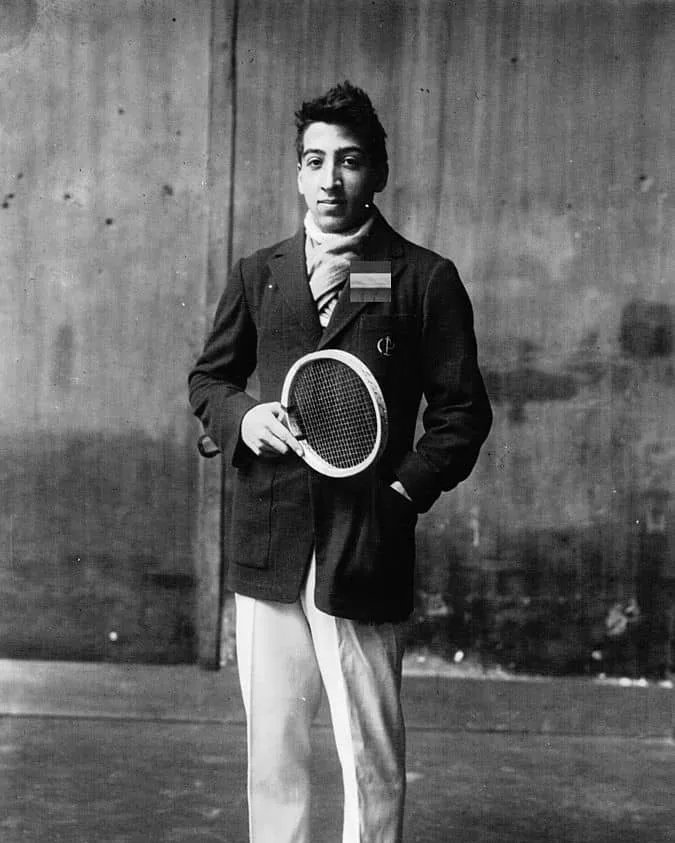
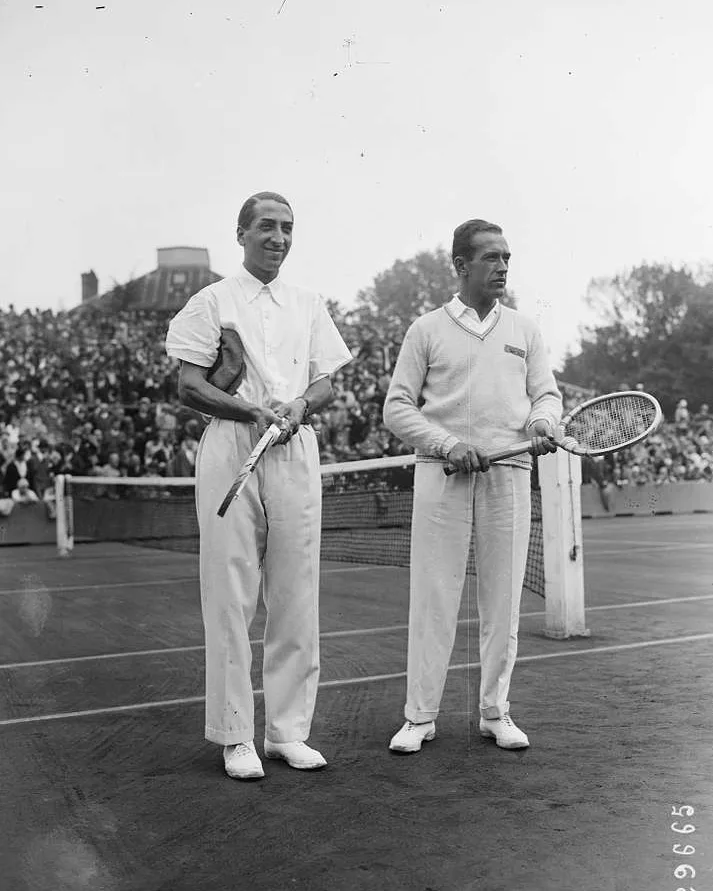
In 1927 René Lacoste played in a shirt he had designed himself. The players of his generation still went on court in long sleeves, and Lacoste, one of the best of them, chose short sleeves and a light cotton knit called petit piqué that let the body breathe. The American press had already given him a nickname after a bet over a suitcase of alligator leather, and in France the alligator turned into a crocodile.
Six years later he founded the shirt company with André Gillier, who ran the largest knitwear business in France, and production began in Troyes. The house tells the story of the model name L.12.12 as petit piqué, short sleeves and the twelfth prototype. On the chest sat an embroidered crocodile, which Lacoste counts as the first logo ever worn on the outside of a garment.
Whoever wore that shirt in those years wore the invention of a champion, made for the court and for the club where people met to play. It was built for long matches in the heat, and its quality came from that purpose. The crocodile vouched for all of it, and the price followed.
The champion behind the crocodile
The American Years: How the Crocodile Became a Badge
In the United States the crocodile left the court early. From the 1950s the shirts were made there under licence with David Crystal, the owner of Izod, and by the late 1970s American teenagers simply called the polo an Izod. Cheaper logo shirts from other makers soon hung beside it on the rails. The licence ended in 1993, when Lacoste took back its American rights.
Europe kept the old order for longer. Through the 1970s and 1980s a Lacoste polo still marked the people on their way to the court, and its quality explained what it cost. Bernard Lacoste, who took over from his father in 1963, carried the crocodile into new categories, beginning with sunglasses. Today the polo makes up about a fifth of the brand’s sales, and the crocodile sits on everything else.
The crocodile in 1933
Whoever wore that shirt in those years wore the invention of a champion, made for the court and for the club where people met to play. It was built for long matches in the heat, and its quality came from that purpose. The crocodile vouched for all of it, and the price followed.
From Licensee to Owner: Maus Frères and the Lacoste Family Feud
In 2012 a family quarrel ended the Lacostes’ hold on their brand. Sophie Lacoste-Dournel, the founder’s granddaughter, had her father Michel Lacoste removed from the board in a dispute over the chairmanship. He sold his group’s 30.3 per cent to Maus Frères, the rest of the family followed, and the Geneva group, which already held 35 per cent through its subsidiary Devanlay, took over the whole company in a deal that valued it at around €1 billion.
Devanlay held the worldwide licence for Lacoste clothing, so the new owner was the company that had made and sold the shirts for years. Maus Frères dates back to 1902, when Ernest and Henri Maus went into business with Léon Nordmann on a department store that grew into Manor, the Swiss chain named after both families. The group also owns Aigle and Gant, sold its DIY chain Jumbo to Coop in 2021 and parted with The Kooples in 2025. Lacoste has been reported to bring in about 60 per cent of group revenue, while Manor at home has been shrinking. The families call their segment accessible luxury, and they seldom speak in public.
Lacoste in figures
| Year | Development and source |
|---|---|
| 1933 | Lacoste founded by René Lacoste and André Gillier in TroyesLacoste |
| 2012 | Maus Frères takes full control in a deal valuing Lacoste at around €1 billionReuters |
| 2022 | Annual sales of €2.5 billionModaes |
| 2024 | Sales up 8 per cent to almost €3 billion; US sales around €400 millionFinancial Times via FashionUnited |
| 2025 | Polo about one fifth of sales; own channels about 70 per cent of the businessJing Daily |
| 2025 | Éric Vallat appointed chief executive in June, in office from 1 SeptemberInside Retail |
| 2026 | Vallat dismissed in October; Thierry Guibert returnsReuters |
| 2028–2030 | Target of €4 billion in annual salesReuters |
Premium or Luxury: Lacoste in the Middle of the Market
Lacoste grew large in the middle of the market, and that is where the pressure sits today. Spending is drifting to the top and to the bottom, and the aspirational centre is thinning out in fashion as much as in watches. Guibert has already moved on prices, on store design and on the outlets. Whether that is enough to carry the crocodile into a higher tier will show in the coming seasons.
The question for Lacoste
Guibert has already pulled several levers for the second route, from prices and store design to control over where the polo is sold. The pyramid measures how high a brand stands. The question for the crocodile is how deep it goes.
Lacoste keeps its reasons for the change at the top to itself, and this piece leaves them there. The questions the change raises reach further than one appointment. Can an owner rooted in making and selling give the crocodile back what it stood for in 1933, a champion’s skill, a game people played together and a shirt built for a long match in the heat? What would that ask of the product and of the way it is made? And who inside the house decides?
For now, the crocodile stays where René Lacoste placed it, small and green on the left side of the chest.
For anyone who still owns a crocodile and remembers why they bought it.
Continue
Go deeper · Concept The Luxury Brand Pyramid 2026: Beyond the Vertical Model The pyramid ranks luxury brands by price, access and prestige. The Silent Luxury adds a second measure beside height: how deep a brand’s value goes. Same field · The Middle Why Is the Middle Collapsing? The Structural Breakdown of Aspirational Luxury Same field · Hourglass Economy The Hourglass Snaps Shut: What the US Luxury Market Reveals in 2026Sources: Reuters via FashionNetwork, “French brand Lacoste fired CEO ahead of Paris runway show, sources say”, 7 October 2026; FashionUnited, “Lacoste ousts its CEO Éric Vallat, Thierry Guibert takes back the helm”, 7 October 2026; Retail Gazette, “Lacoste CEO ousted ahead of Paris Fashion Week show”, October 2026; Inside Retail, “Lacoste names Eric Vallat as new CEO”, June 2025; FashionUnited, “Lacoste eyes US market push in effort to reach four billion euros in sales”, January 2025; Jing Daily, “Lacoste eyes US expansion with Fifth Avenue flagship plans”, 3 February 2025; Fortune, “Retooled: How Lacoste Became an Upscale Brand Again”, 16 October 2016; Modaes, “El dueño de Lacoste reestructura su cúpula y nombra a un nuevo consejero delegado”, 2020; Lacoste, Heritage; Reuters via FashionNetwork, “Switzerland’s Maus Freres buys control of Lacoste”, 29 October 2012; Modaes, “Maus Frères completa la compra de Lacoste”, November 2012; Bilanz, “Maus Frères – der geheimnisvolle Clan”; Mercado, “Los dueños de Lacoste buscan expansión”; Wikipedia, Maus Frères.
Similar Articles
The Silver Heel Tab and the Swoosh: Alexandre Arnault Joins Nike’s Board

Anton Rupert Moves Up at Richemont as the Rupert Succession Takes Shape
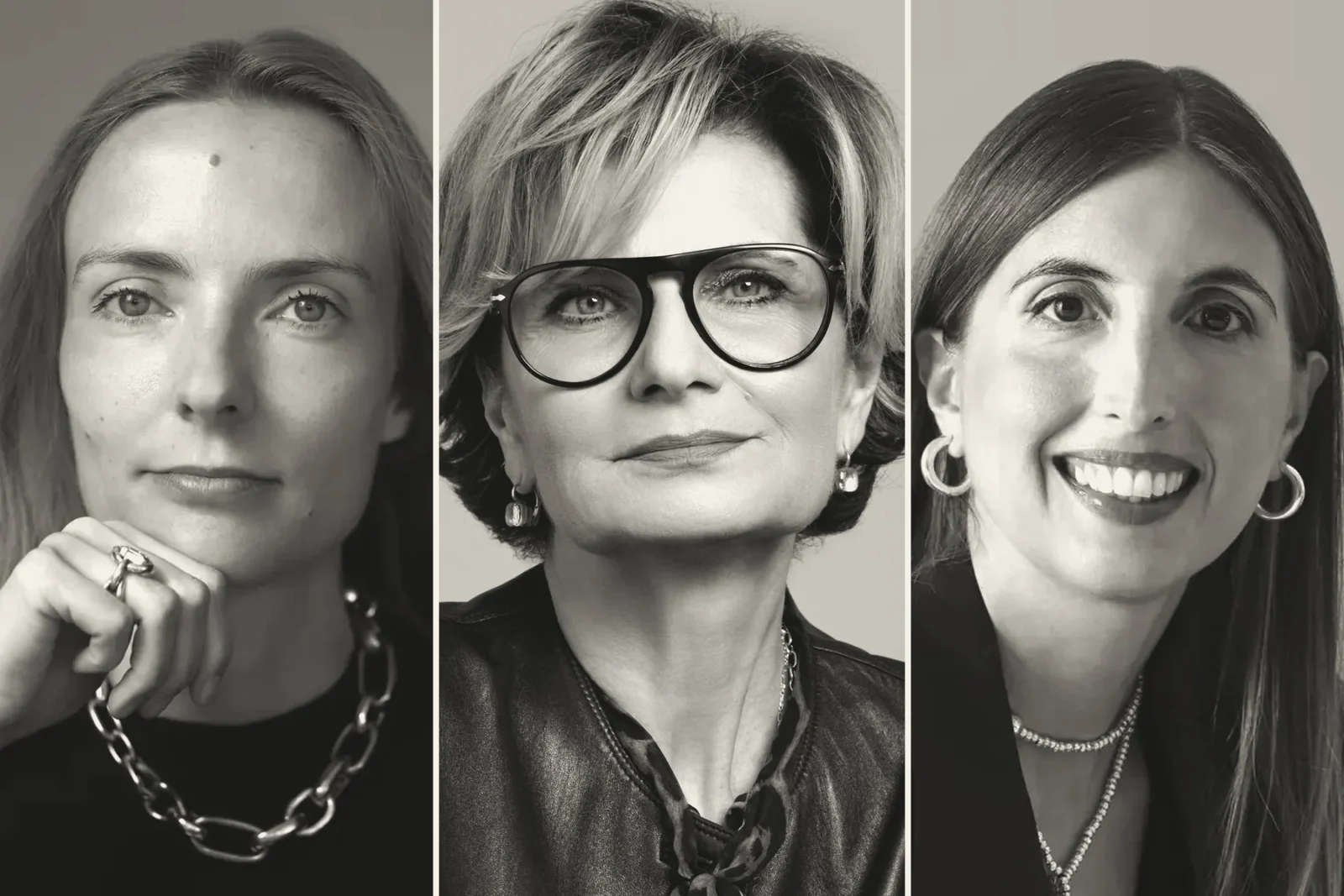
Three Women, One City: How Luca de Meo Put Sabina Belli, Charlotte Fournet and Krizia Cucurachi in Charge of Kering in Milan