
How a Bespoke Suit Is Made: Hackett’s Head of Tailoring on Cloth, Canvas and Time
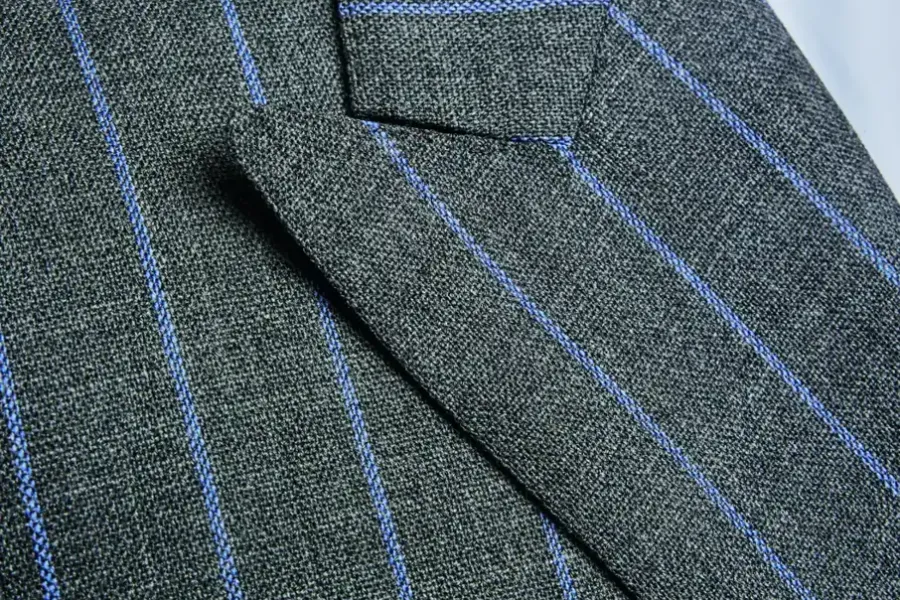
The difference between bespoke and made-to-measure lies in the pattern and in the hours. A bespoke suit is drafted for one man and sewn largely by hand. At Hackett’s townhouse at No. 14 Savile Row, that means at least a hundred hours of work on every suit. Graham Simpkins, Hackett’s Head of Tailoring, has spent 35 years at the cutting table and runs the bespoke workshop there. In an interview with The Silent Luxury, he explains what sits inside a good suit, and why that has changed during his career.
The difference can be felt before it is explained. Take the front of a jacket between two fingers, just below the lapel, and pull the layers gently apart. If a third layer slides between the cloth and the lining, the jacket has a canvas. That structure will slowly take the shape of the man who wears it. If the chest feels stiffer than the sleeve and there is no third layer, the cloth has most likely been glued to a fused interlining. That jacket will keep roughly the shape it had when it left the factory.
Most men never learn this vocabulary, though they pay for it every time they buy a suit. Bespoke, made-to-measure, full canvas, half canvas, Super 120s: the words appear on labels and in shop windows. In Britain, since 2008, they have promised less than they sound.
When Graham Simpkins began as a trainee at Austin Reed, he told The Silent Luxury, suiting cloth weighed about 14 ounces.
Then air conditioning reached the office, the aircraft and the hotel room.
Today, he says, the average is about 9.
What Is the Difference Between Bespoke and Made-to-Measure?
A bespoke suit begins with a paper pattern drafted from scratch for one customer, while a made-to-measure suit begins with a standard pattern altered to fit him. The Savile Row Bespoke Association, founded in 2004, sets a stricter standard. The pattern is drafted for the individual client and the cloth is cut by an individual craftsman. The suit receives at least 50 hours of hand work and is fitted over a series of appointments.
British law takes a more relaxed view. On 18 June 2008 the Advertising Standards Authority ruled on an advertisement by Sartoriani London that called a machine-cut, machine-sewn suit bespoke. It found no breach of its codes, reasoning that most customers understood the word to mean a suit made to their measurements. Since then, the trade’s definition has been a matter of honour rather than law.
Hackett keeps three services apart under one name. Personal Tailoring, offered in 28 of its key locations around the world, produces a machine-made, half-canvassed garment with options inside and out. Made-to-Measure, offered in a selection of stores, produces a full-canvas suit. Bespoke is made entirely by hand at Hackett’s townhouse at No. 14 Savile Row, by appointment or at trunk shows abroad. Each suit takes at least a hundred hours of work, and the current lead time is twelve weeks. “We do not hide behind smoke and mirrors,” Simpkins says. “My team are very straight-talking, and we make the differences between the services we offer very clear.”

A note from The Silent Luxury
Good reading deserves to find you again.
What Is the Canvas Inside a Suit Jacket?
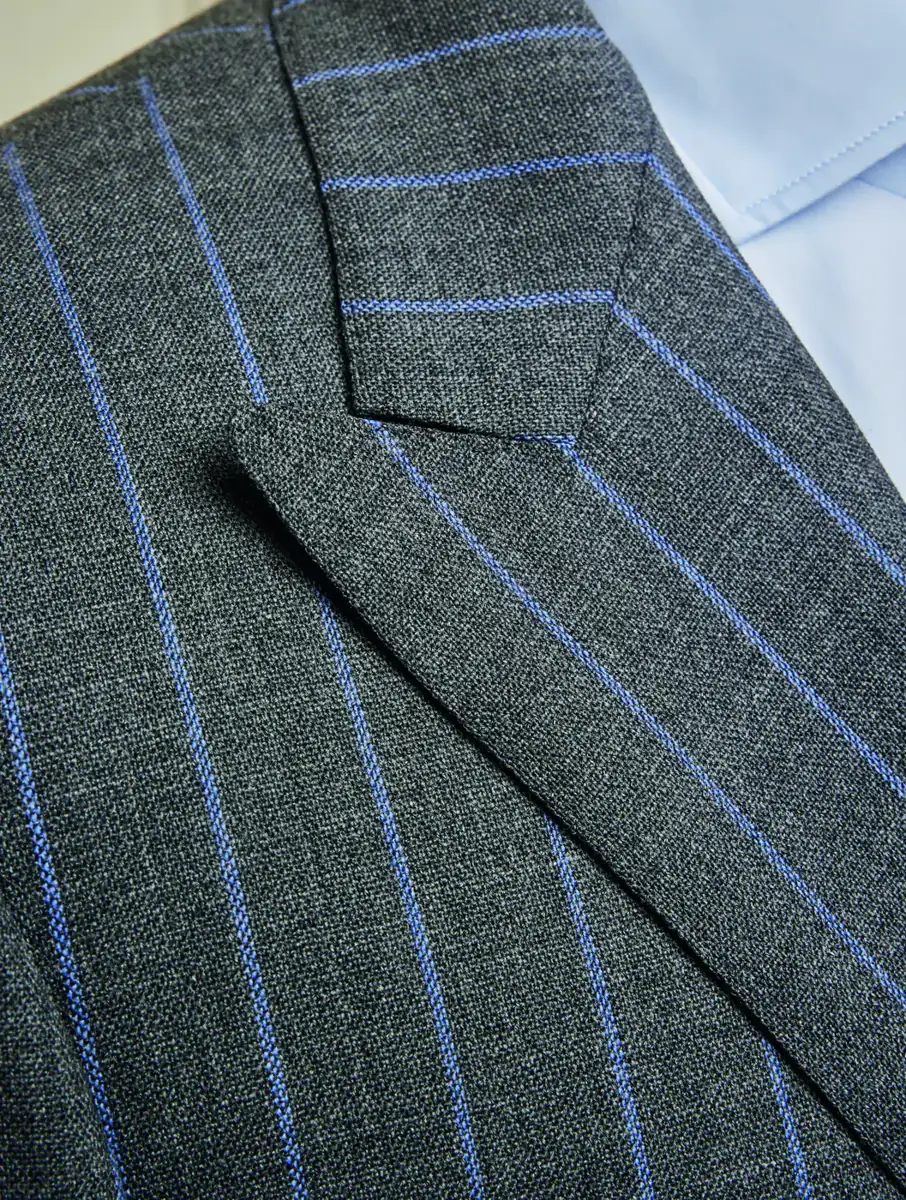
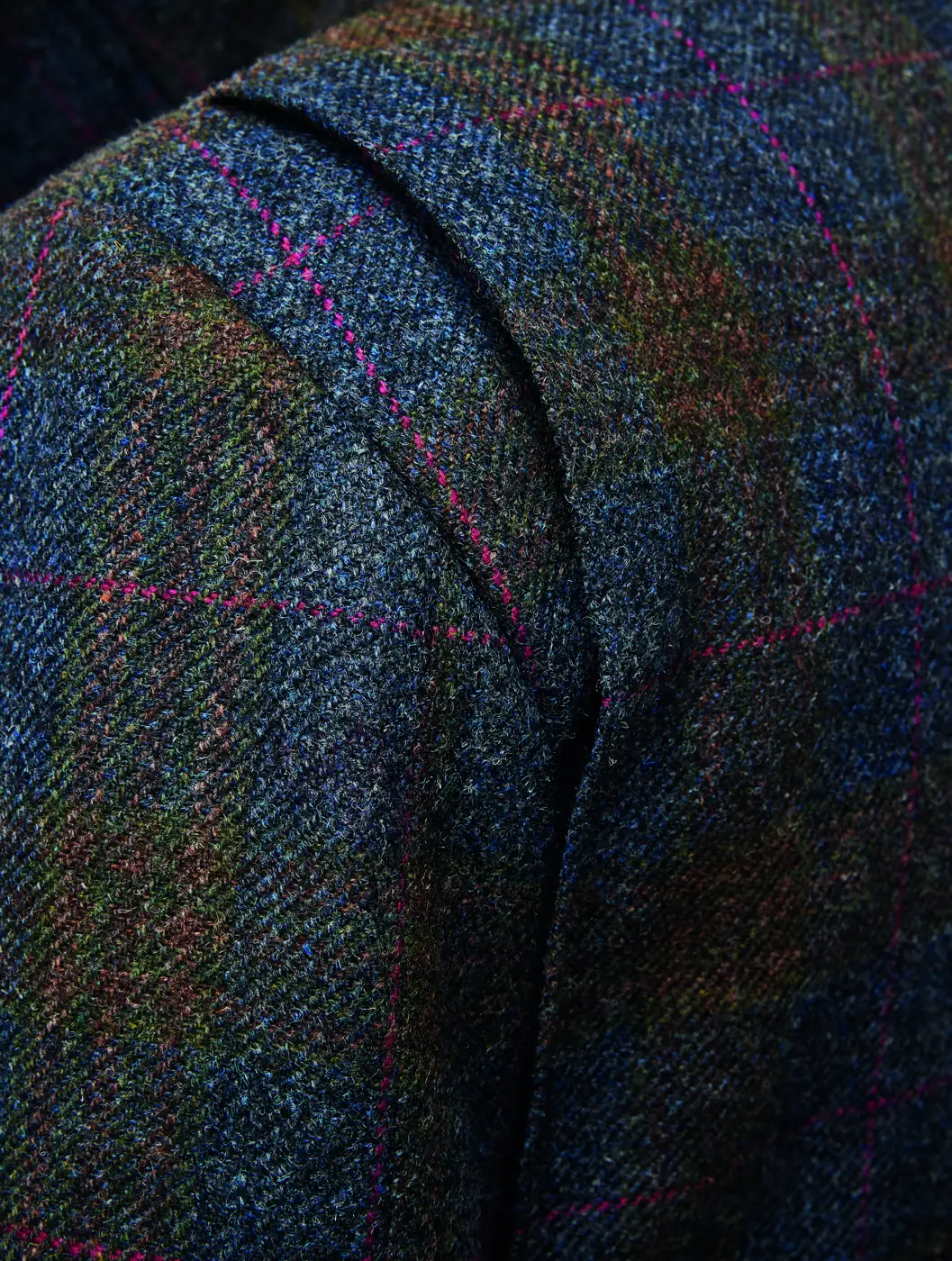
The canvas is the interlining between the outer cloth and the lining of a jacket. Its construction decides how the jacket fits, moves and ages. In a fused jacket, a thin layer is heated and glued to the inside of the cloth. Fusing is quick and inexpensive, which is why most ready-to-wear relies on it, and it gives a flatter, stiffer chest. After repeated dry cleaning the glue can begin to separate, and the cloth may bubble.
A half-canvas jacket carries a canvas through the chest and lapels to roughly the pockets, with the lower front fused. The canvas gives the lapel its soft roll, where the eye falls first. A full-canvas jacket runs the canvas through the whole front. In both, the canvas is stitched in loosely so that it floats and moves with the body. Over months of wear it settles into the shape of its owner’s chest. The materials are traditionally linen and horsehair, the horsehair lending spring and structure.
Simpkins treats the chest piece as the centre of the garment. It is, he says, “so important to the feel, the way it fits, and more importantly the way it moulds to your body along the journey with you owning it. It is not just a piece of material. It is a combination of layers put together to suit every customer’s individual needs.”
Why Has Suit Cloth Become So Much Lighter?
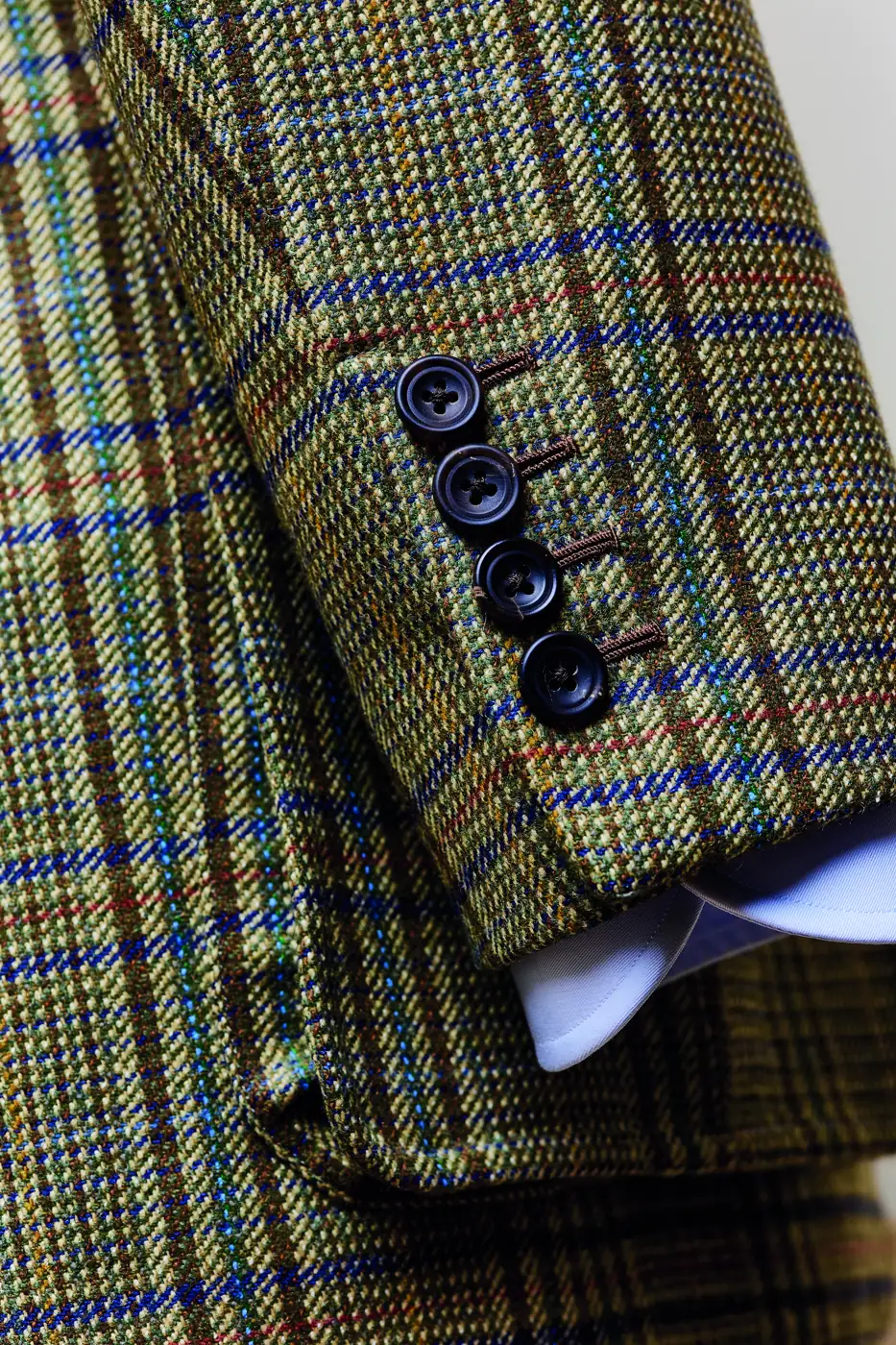
Suit cloth is weighed in ounces per linear yard, on a bolt about 150 centimetres wide. A 9-ounce cloth comes to roughly 280 grams per metre, a 14-ounce cloth to roughly 435. When Graham Simpkins began his career as a tailoring trainee at Austin Reed, he told The Silent Luxury, suiting cloth averaged around 14 ounces. Today he puts the average at about 9. The tailor Jeffery Diduch uses much the same scale. He puts a summer suit at about 9 ounces, a winter suit at about 11 and tweed at up to about 14.
Simpkins names the cause plainly: air conditioning is now everywhere. A man who spends the year in heated offices, aircraft and hotel rooms has little use for cloth built for an unheated house in January. Wool’s share of the world has shrunk at the same time. The traditional raw material of suiting slipped to 0.7 per cent of global fibre production in 2025.
What Do Super 100s, 120s and 150s Mean?
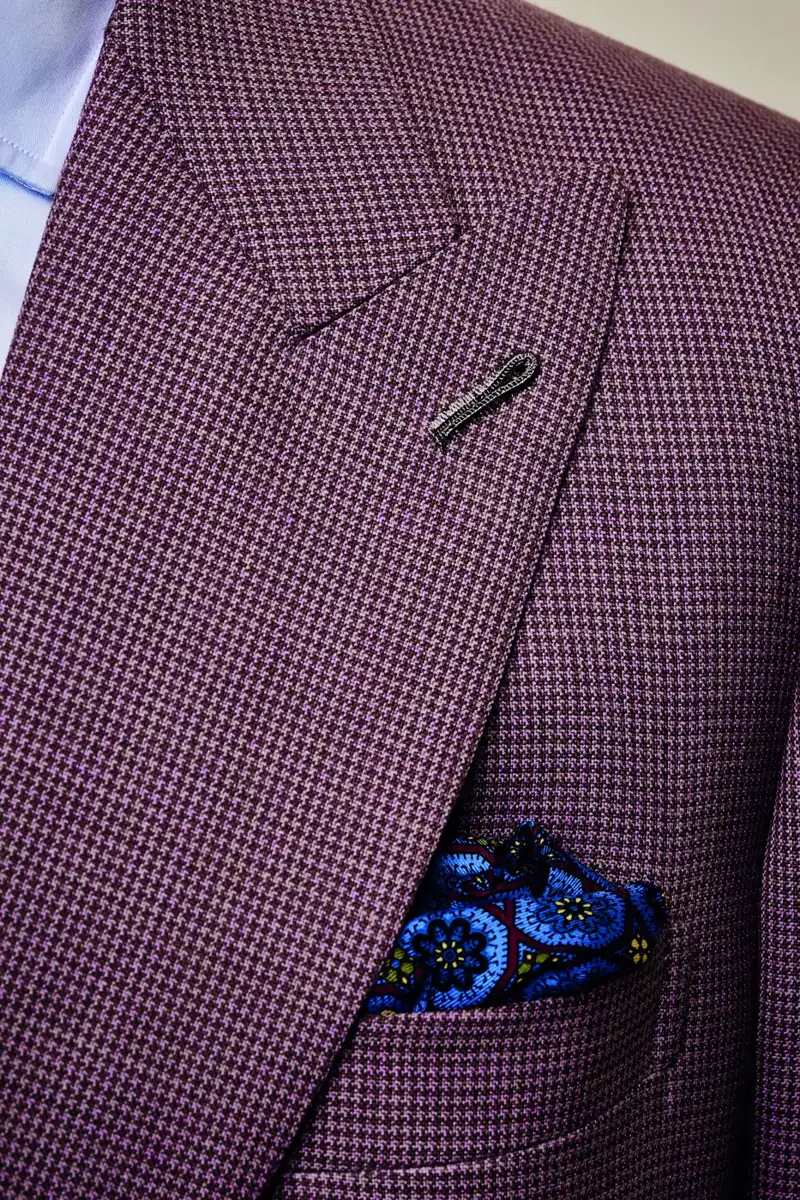
A Super number describes the fineness of the wool fibre, measured as its average diameter in microns. The International Wool Textile Organisation sets the limits in its code of practice. Super 100s wool may have a mean fibre diameter of at most 18.75 microns, Super 120s at most 17.75, Super 130s at most 17.25 and Super 150s at most 16.25. The term may be used for pure new wool, and for wool blended with rare fibres such as cashmere, mohair or alpaca, or with silk.
The number records one quality of the fibre, its fineness. The weight of the cloth and the way it is woven are separate measures. A Super 150s cloth can be light or heavy, open or dense. Finer fibres give a softer hand, and the cutter still has to decide what that cloth can carry inside it.
Why Must the Canvas Be Matched to the Cloth?
A canvas built for a heavy cloth will overpower a light one. Lighter suiting has therefore changed the inside of the jacket as much as the outside. “Going back many years, clients preferred heavier materials, inside and out, with heavier canvases,” Simpkins says. “Now we use much finer, lightweight ones, especially with the new tech materials available out there, and we have to be more conscious than ever of what we are putting inside the suit.”
At No. 14, that means every commission is built around its use. “We have to modify every order to accommodate the material and the use of the garment, to make sure it is fully functional for everyday use,” Simpkins says. The cutters ask how and where a suit will be worn before they choose its canvas. The way a man lives becomes a matter of construction.
How Long Does It Take to Learn to Make a Bespoke Suit?
An apprenticeship on Savile Row takes four to six years, according to Simpkins, depending on the skill and drive of the individual. Coat makers and trouser makers train separately. At the end of it, a maker can produce a garment to the standard and finish the Row expects. The learning continues for the rest of a career. Two makers can do exactly the same job, he says, and the padding on the chest or the set of the collar will still come out a little different. Every pair of hands carries its own habits.
His counsel to the young is the shortest sentence in the trade. “It takes twice as long if you get it wrong, so do it the correct way.” Most of the hundred hours at No. 14 go into parts of the suit its owner will rarely see. The first of them lies under the lapel, exactly where the fingers found the third layer.
Send this to someone about to buy a suit.
Continue
Listen · Ieuan Hatherall of Rolls-Royce Bespoke on Savile Row, in TSL Conversations
Read next · Savile Row: One Block of Mayfair, Two Centuries of Bespoke Tailoring
Related · Rolls-Royce Ghost Savile Row: Ieuan Hatherall on Designing From the Inside Out
Sources
- Graham Simpkins, interview with The Silent Luxury, October 2026
- IWTO Code of Practice: Super S descriptions of wool fabrics
- David Dowsey: How bespoke lost its bespoke-ness (Savile Row Bespoke Association definition)
- Wikipedia: Bespoke tailoring (ASA ruling, 18 June 2008)
- Permanent Style: A loss to sartorial language (2008)
- The Artefact: Full and half canvas versus fused jacket constructions
- Put This On: Fabric weight, with Jeffery Diduch
Similar Articles

The Material Era: How Portugal Makes the Shoes Europe Will Buy Next.
Fullord Geneva: Sandrine Thibaud on Building a Jewellery House Around a Woman’s Independence
Cartier’s Owner Eyes De Beers: The Jeweller Returns to the Mine
