
Saikindō: The Abu Dhabi Listening Bar Built to Change Through the Day
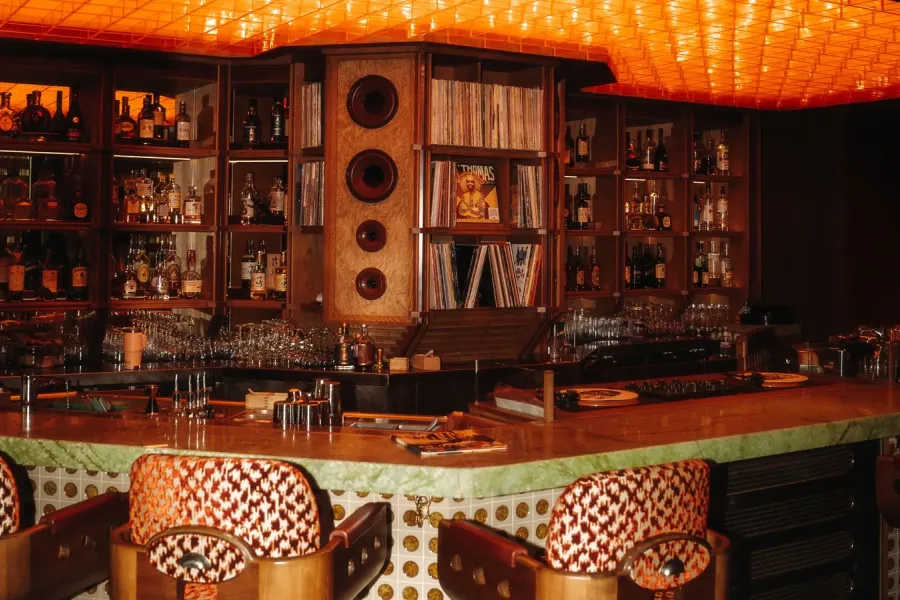
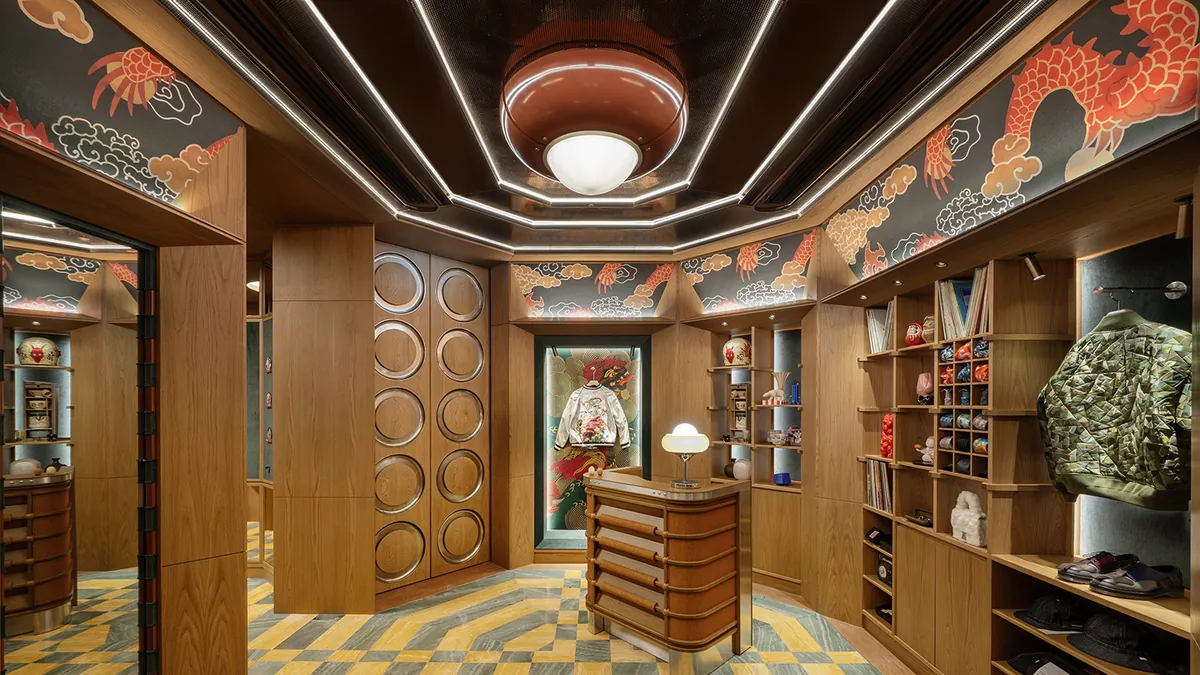
ABU DHABI — At the far end of the Four Seasons lobby on Al Maryah Island, in the heart of Abu Dhabi’s financial district, a small shop sells embroidered sukajan jackets and objects inspired by Japan in the 1980s. By evening, the shop has become a doorway. Behind it lies Saikindō, a listening bar in the Japanese tradition that was named Best Overall Bar at the 2026 Restaurant & Bar Design Awards. AvroKO, the design studio behind it, began with a hard fact of hotel economics: a room that stays locked until dark earns nothing for most of the day. The studio designed Saikindō to work by day as well as by night, and to make its guests want to listen. In conversation with The Silent Luxury, Eva Lin, design director of AvroKO’s Bangkok studio, explains how the bar was built.
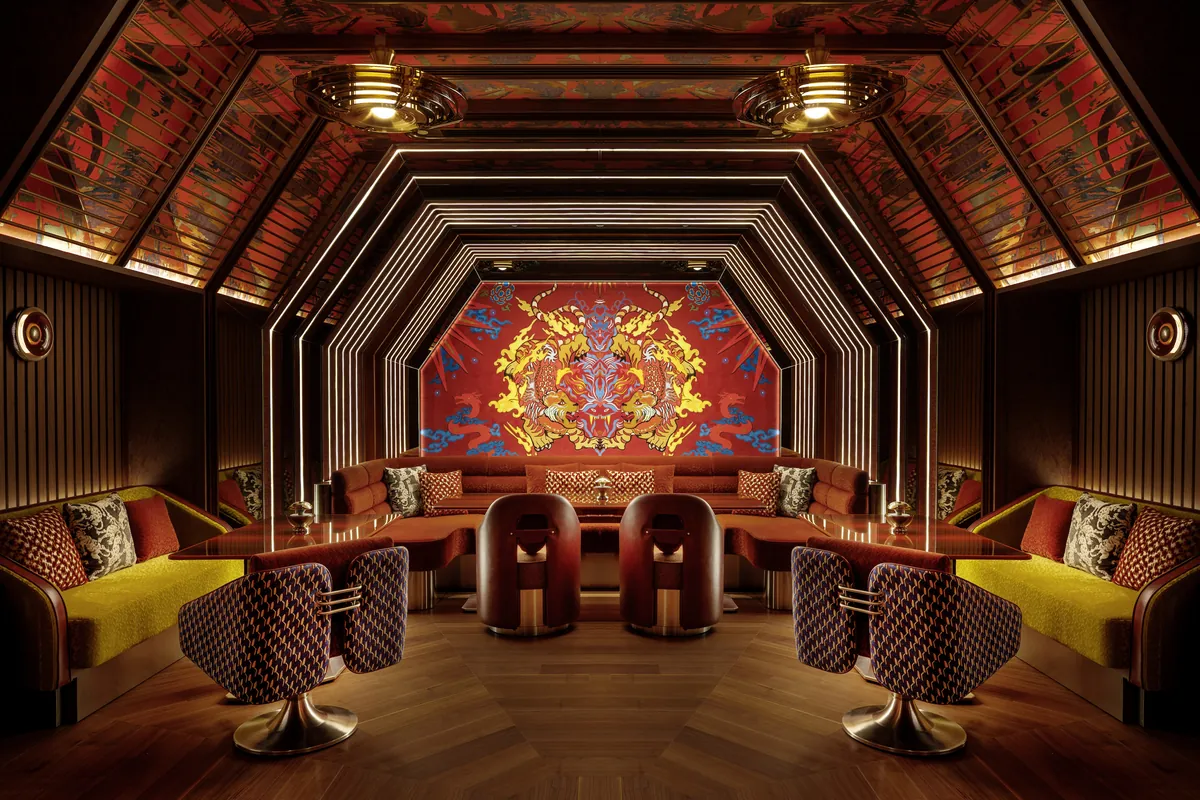
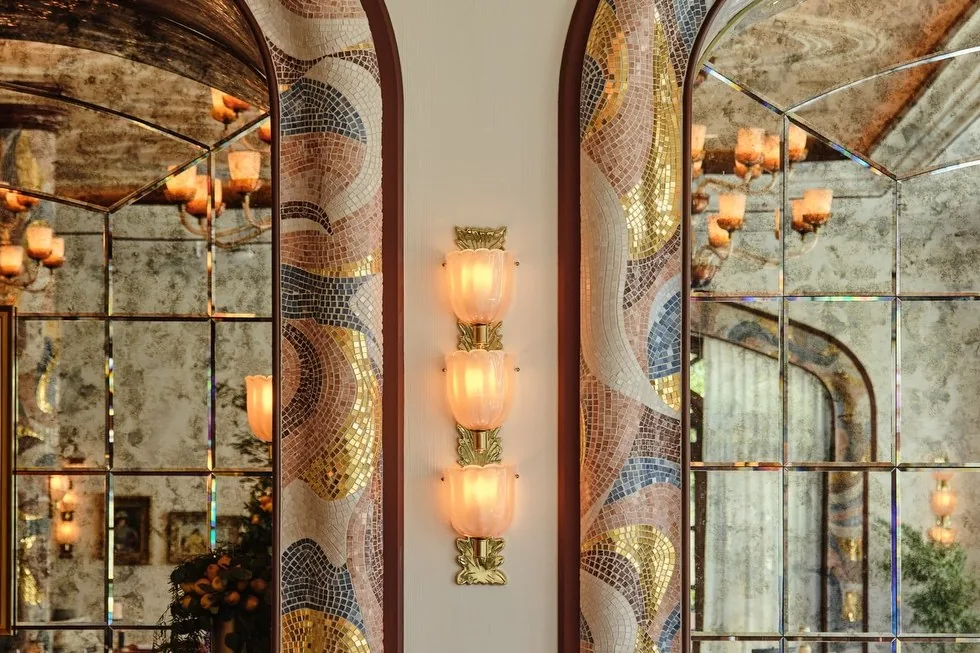
The awards came in a cluster. Alongside the overall title, the Restaurant & Bar Design Awards named Saikindō the best restaurant or bar in the Middle East and Africa, and The World’s 50 Best Bars gave it its Best Bar Design Award, the first recognition in any category for a bar in Abu Dhabi. The venue opened on 29 November 2025. The same jury named Carbone Riviera in Las Vegas, a dining room lit by hand-blown Venetian glass, the best restaurant of the year.
In conversation

Eva Lin
AvroKO
Design director of AvroKO’s Bangkok studio, which designed Saikindō at Four Seasons Hotel Abu Dhabi.
Photo: Courtesy of AvroKO
How Saikindō Uses Its Space From Day to Night
AvroKO found its model in Metabolism, the Japanese architecture movement of the 1960s that imagined buildings growing and changing like living organisms. “Rather than having a bar that only comes alive at night and sits behind a locked door for the rest of the day, we wanted to create a space that could serve different purposes at different times,” Lin said.
Her team divided the venue into five zones. The atelier sells clothing during the day and becomes the entrance to the bar at night. The Robata Room, a show kitchen with eighteen seats around an open grill, is where, in Lin’s words, “the intimacy of dining takes centre stage.” The main lounge belongs to the cocktails and the DJ. Kukan, a hidden party room with its own sound system, can run a different night entirely without disturbing the lounge. A terrace on the water takes the cigar smokers and, in the cooler months, anyone who wants the breeze. “Individually, each zone has its own character,” she said. “Together, they form a small living ecosystem that evolves from day to night.” For her, that is where Metabolism enters the interior: “It’s not about creating a perfect, fixed space, but one that can change its role and energy according to the way people use it.”
The decision is aesthetic, and it is also arithmetic. Lobby-level space in a five-star hotel is expensive, and a bar that opens from five in the afternoon until one in the morning uses it for a third of the day. “We wanted to maximise the potential of the footprint rather than treat it as a single-purpose space,” Lin said. The atelier turns passers-by in the lobby into shoppers by day and into curious guests after dark. It also sets up the evening’s first surprise. “You see what appears to be a fashion atelier before discovering that it leads into a completely different world,” she said. “It creates a transition from the hotel lobby into the bar, and that sense of discovery makes the experience more memorable.”
In Vienna, BEHF Architects answered a version of the same question when they rebuilt Das LOFT, eighteen floors above the city: they darkened the room so that the guests, the food and the skyline carry the evening. Both projects rest on the same insight: a hotel bar pays its way when the city walks in as well as the guests from upstairs. Saikindō’s city is the after-work crowd of Abu Dhabi Global Market, the financial centre that occupies the island. Even the name, a casual Japanese way of asking how someone has been, is a greeting meant for regulars.
A note from The Silent Luxury
Good reading deserves to find you again.
Saikindō and the Japanese Listening Bar
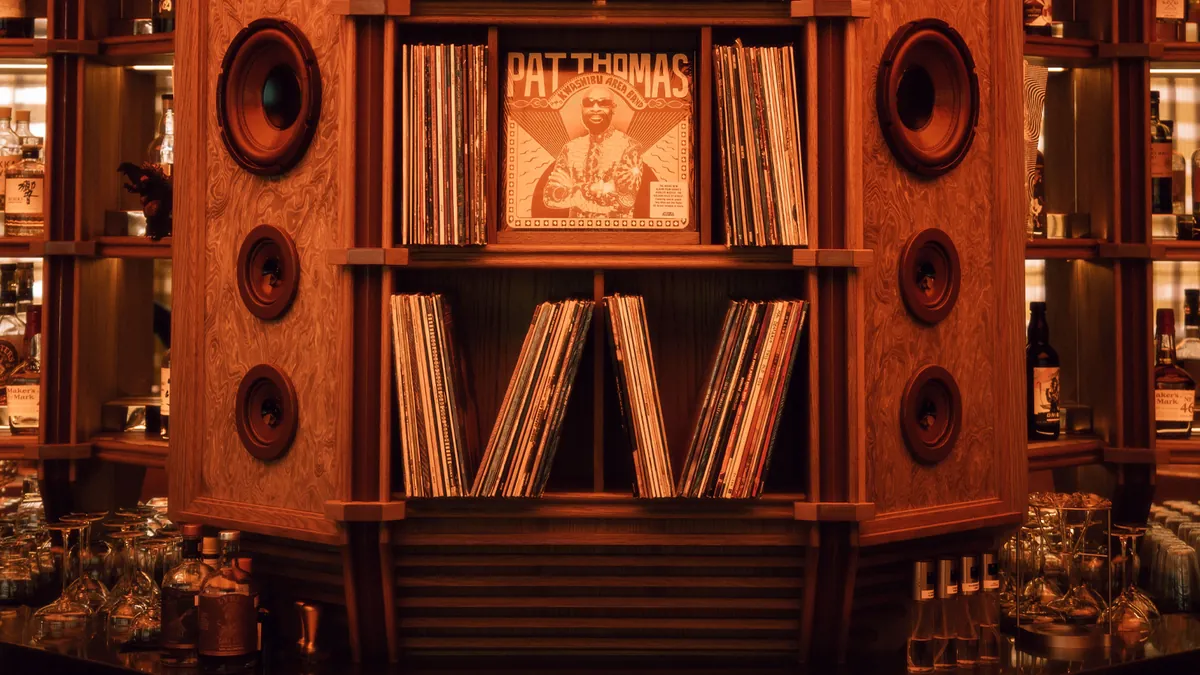
Listening bars grew out of Tokyo’s jazz kissa, the coffee houses where owners played rare records on serious equipment and guests were expected to keep quiet. The format has already found a home in Dubai, at Honeycomb Hi-Fi, and Saikindō brings it to Abu Dhabi. Saikindō also loosens the old rules. “A listening bar doesn’t necessarily mean asking people to focus only on the music,” Lin said. “It’s about creating an experience where people can enjoy the music through different senses.”
The first cue hangs above the room. “The moment you walk into Saikindō and see the giant speakers suspended overhead, you naturally become more aware of the music,” she said. “You start listening to what’s playing, rather than treating it as background noise.” The drinks menu takes its lead from the music too: the bar team translates the rhythm and character of a song into the presentation of each drink. Time After Time, named for the Cyndi Lauper song, combines pisco, chocolate, strawberry, yuzu honey, sake and bubbles.
Lin sees a wider habit in her industry. “We often try to create impact by adding more spectacle, with everything competing for attention,” she said. At Saikindō, her team chose restraint and made music the thread that connects the five zones. “The goal isn’t to force people to listen; it’s to make them want to.”
Saikindō’s Counter as a Stage
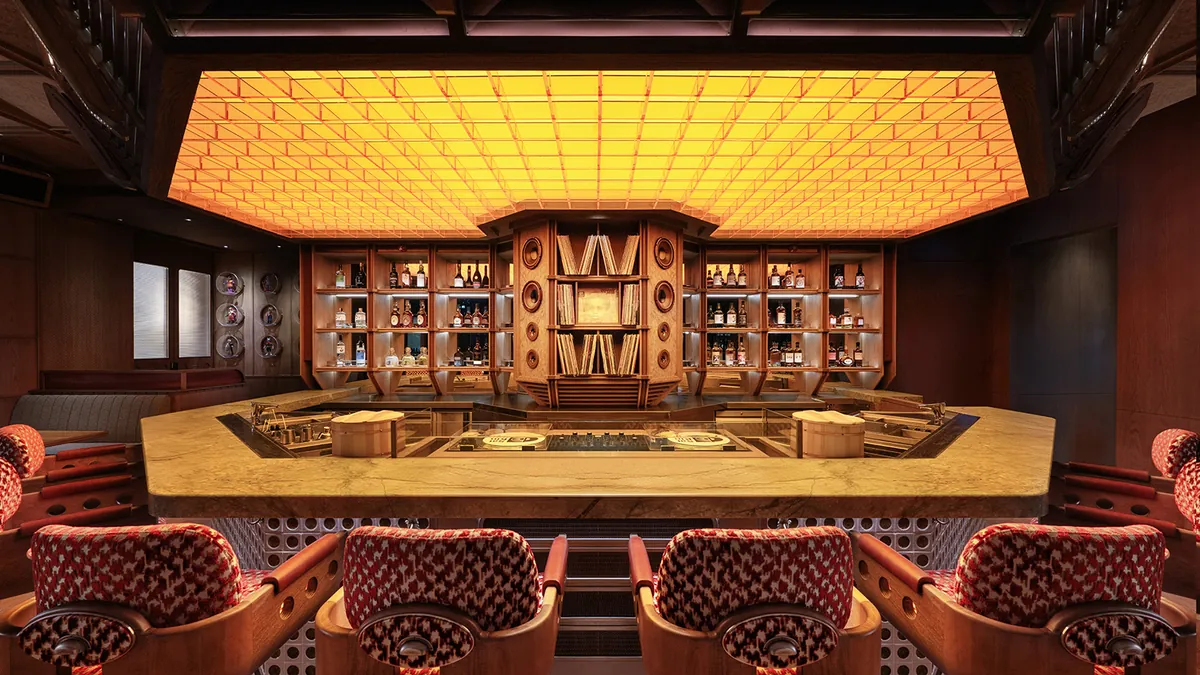
The bar counter carries the second idea. At a conventional hotel bar, the bartender works behind a barrier and the DJ stands in a booth at the far wall. “Saikindō is not just about the drinks; it’s also about performance,” Lin said. “The DJ and bartenders sit side by side and play a huge role in shaping the energy of the venue. We wanted to make them an integral part of the experience, rather than having them working behind a conventional bar counter.”
The people behind that counter came to Abu Dhabi from some of the most respected bars in the world. Marco Corallo, the beverage director, previously worked at Artesian in London and at Four Seasons Resort Dubai at Jumeirah Beach; Ann Pinsuda, the head mixologist, came from The Bamboo Bar in Bangkok. The Robata Room repeats the arrangement at the grill, where the cooks work in full view of the eighteen guests.
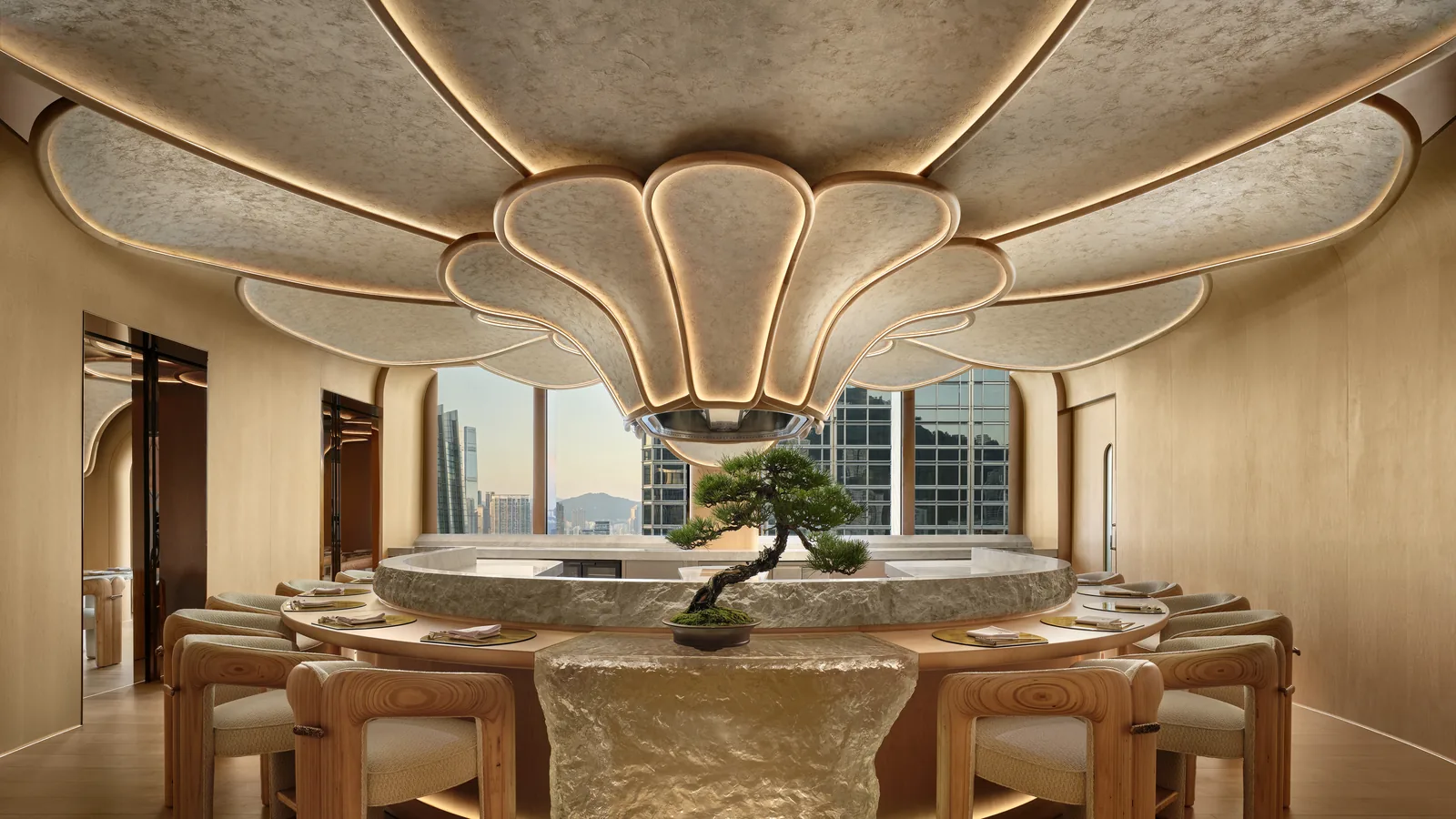
The same principle shapes another of this year’s winners. At Hana no Kumo in Hong Kong, the designers built an entire restaurant around the hands of a chef at a kappo counter. Both rooms give the stage to the people who work in them.
Why Hotel Bars Are Courting the City
The hotel’s owner and Abu Dhabi’s Department of Culture and Tourism backed the project. The department is building the emirate into a cultural destination, from the museums of Saadiyat Island to music and film programmes. Saikindō fits that ambition at the scale of a single evening: it gives residents a reason to stay in town after work and visitors a reason to stay up.
Saikindō won its awards with a bar that works its footprint over more hours, for more kinds of guests, and keeps them there with music. For hotel owners, that is a sum worth doing: a bar that earns its keep for more of the day. It begins at the shop at the end of the lobby, where a newcomer has no idea there is a bar at all.
Send this to someone who chooses a bar by its sound system.
Sources
- Eva Lin, design director, AvroKO Bangkok, interview with The Silent Luxury, October 2026
- Restaurant & Bar Design Awards 2026
- Four Seasons Press Room: Saikindō recognised by The World’s 50 Best Bars and the 2026 Restaurant & Bar Design Awards
- Four Seasons Press Room: Saikindō to Debut at Four Seasons Hotel Abu Dhabi
- Wallpaper*: Saikindō at Four Seasons Abu Dhabi
- FACT Magazine: Saikindō review
Similar Articles
Lazy Lion: How a Budapest Shipping Palace Went Wild
Hana no Kumo: A Cloud of Blossoms Above Hong Kong

Quality Over Quantity: Lech Zürs Answers Climate Change With Quiet Seasons
