Gellner, founded in Wiernsheim in 1967, is Germany’s leading manufactory for South Sea and Tahitian pearl jewellery. On 1 September 2026 the company passed to the Pforzheim group Dettinger Schmuck, which continues Gellner as an independent brand with its own manufactory while Jörg Gellner remains Creative Director.
On 1 September 2026 the Gellner GmbH changed hands. Jörg Gellner, who led the pearl manufactory his parents founded in 1967, sold the company to the Dettinger Schmuck GmbH and passed the commercial direction to Falk Dettinger. The house was growing at close to ten percent a year, and even so its owner chose to hand it on.
Gellner: Pearl Jewellery from Wiernsheim Since 1967
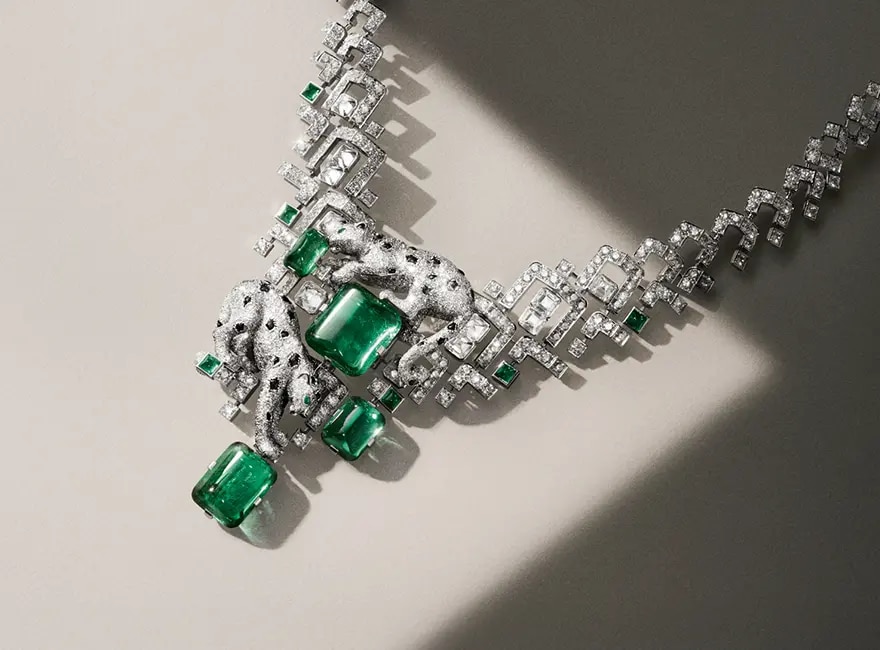
Heinz and Tove Gellner opened the business in Wiernsheim, near Pforzheim, in 1967. Their son built it into the German specialist for South Sea and Tahitian pearls. For close to forty years he has bought the pearls personally at farms in Indonesia and the South Seas, among them the Australian grower Atlas Pearls, and selected the strands by hand. Every pearl can be traced through a chain of custody to the farm it came from, a provenance system the company markets as Blue Luxury. Each piece in the collection is designed around a pearl. The manufactory in Wiernsheim covers every stage in house, from the buying through the design to the finished colliers, pendants and the initial charms of the Love Letters line.
What Changes at Gellner After the Sale and What Stays
Under the agreement, Jörg Gellner remains Creative Director and continues to select the pearls in person. Nicole Lutz stays on as managing director. According to the company, the brand, the workshop and the team remain in Wiernsheim. The purchase price was not disclosed.
Why Jörg Gellner Sold a Growing Company
Gellner explained the timing in an interview with the trade publication GZ Goldschmiede Zeitung. The company had exhausted its distribution in Germany, he said, where it already supplied nearly every Rolex jeweller, and further growth would have meant selling more to the same shops. In Portugal, Spain and Italy the company had no customers. “After thirty years you don’t simply hand over a company like Gellner,” Gellner said in the company statement. “The commercial side had to be right, but above all the person. I have known and valued Falk for many years.”
Dettinger Schmuck: The Pforzheim Group Behind the Purchase
Dettinger Schmuck was founded in Pforzheim in 1916 and is led in its fourth generation by Falk Dettinger. Since 2012 the company has acquired three German jewellery makers, A. Odenwald in 2012, the North Italian chain specialist Clioro in 2015 and Leicht Chaton in 2024, and continues each as a separate brand. Katja Cicala, an Italian native speaker, joined the management in 2024 as the group expanded in southern Europe. The group sells in the markets Gellner is now entering. “Gellner has built a very independent position in the jewellery trade over many years,” Falk Dettinger said. “We want to preserve that identity and at the same time create the conditions to develop the brand for the long term.”
The German Jewellery Market: What the Sale Means for International Readers
For readers outside Germany, the sale takes place in a market that is growing in value and shrinking in number. The German jewellery and watch market rose 2.1 percent in 2025 to 7.1 billion euros, according to IFH Köln and BBE Handelsberatung, after two years of decline. Consumers are divided: a third buy as before and a third have cut back, the study found. Smaller manufacturers are under the most pressure. In the survey of the industry association BVSU for 2024, close to eight in ten of the smaller member firms reported falling revenue, a third of them by more than ten percent. Export figures of 2.42 billion euros in the first quarter of 2026 mainly reflect the rise in the gold price, the association said. Over the past ten years the number of jewellery and watch retailers in Germany has fallen by more than 1,800, most of them small shops without a successor, according to GZ, citing federal statistics. Independent jewellers still account for more than seventy percent of the market’s turnover.