Fiona MacKenzie: Law Protects Harris Tweed, People Keep It Alive
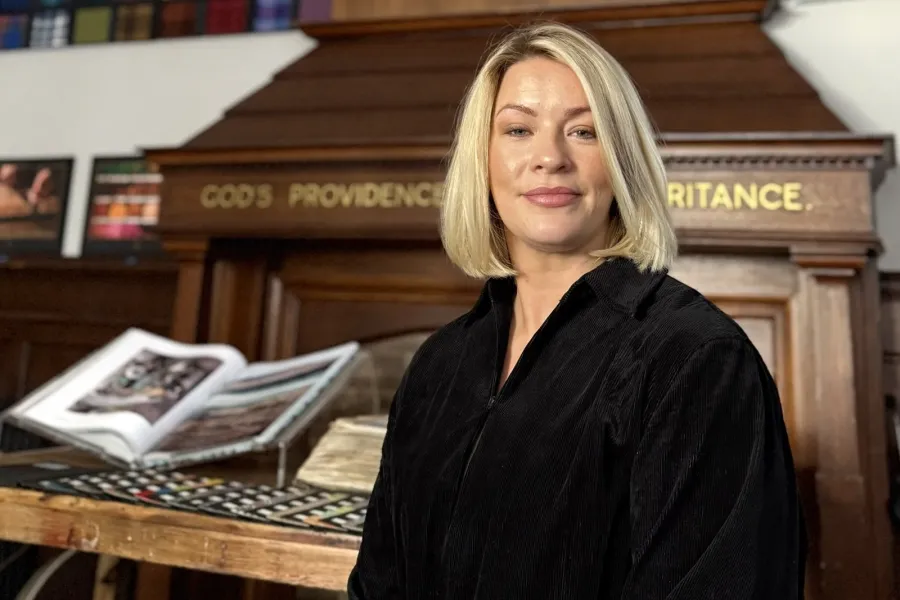
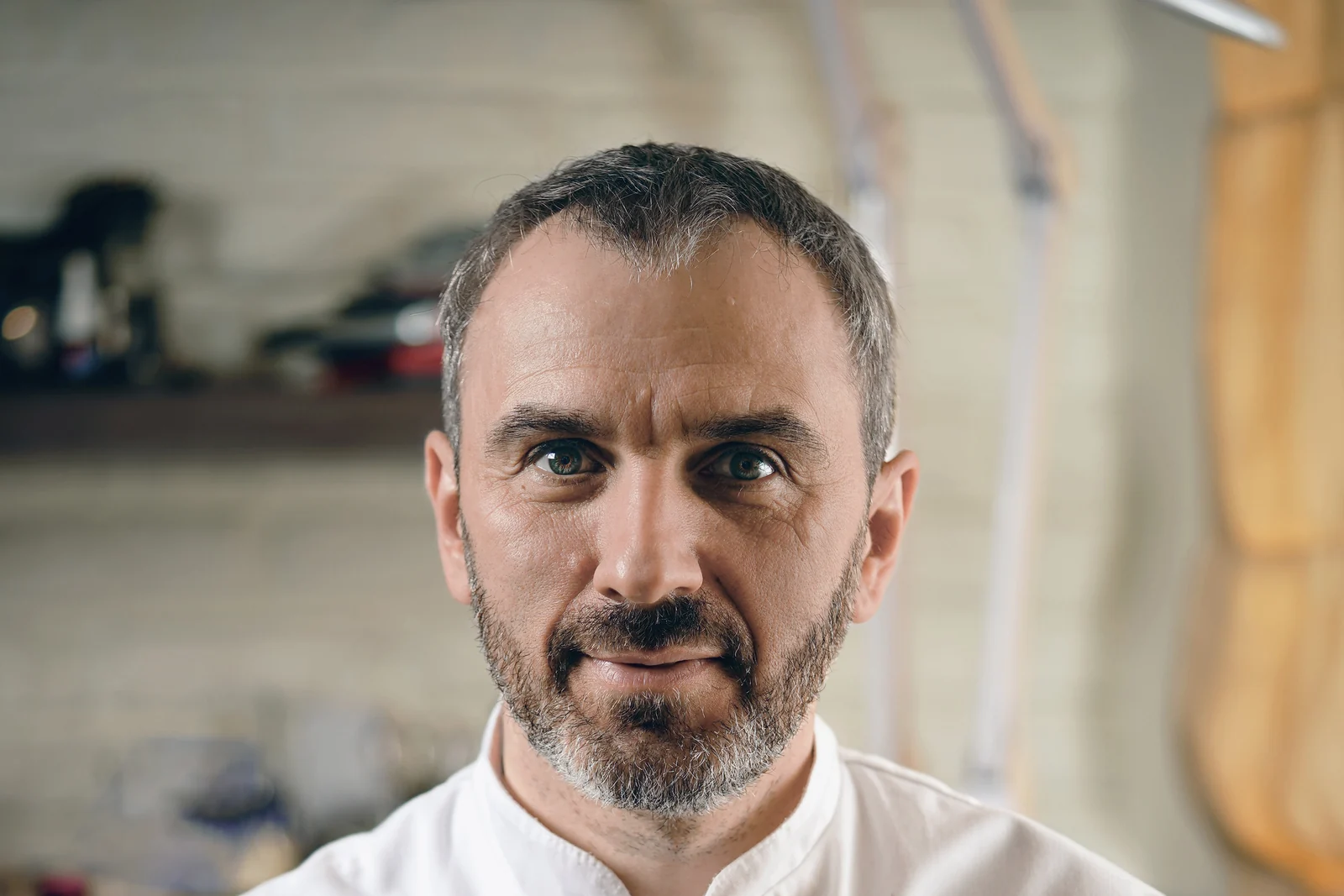
Fiona MacKenzie has been chief executive of the Harris Tweed Authority since March 2026. The Authority is the statutory body that protects Harris Tweed, the cloth that the Harris Tweed Act of 1993 defines as handwoven by islanders at their homes in the Outer Hebrides and made from pure virgin wool dyed and spun there. Before joining the Authority, MacKenzie was a commissioning editor at MG ALBA, the Gaelic broadcaster.
In conversation with The Silent Luxury, she explains what the Orb means, how the Act protects weaving at home, and why a geographical indication depends on the community behind it. Our reading on the Orb is Harris Tweed: The Orb Vivienne Westwood Borrowed Is Now Europe’s Model.
The Certification Mark: What the Harris Tweed Orb Means
The Harris Tweed Orb is a certification mark, which confirms both where the cloth comes from and that it meets standards protected by law.
The Silent Luxury: What does the Orb guarantee today that a brand name alone cannot?
Fiona MacKenzie: At the heart of the Harris Tweed industry is the Harris Tweed® Certification Mark, represented by the Orb symbol. While a trademark identifies where goods or services come from, a certification mark goes a step further by confirming not only the origin of a product, but also that it meets specific, legally protected standards. The Harris Tweed Authority is the statutory body responsible for making sure these standards are met for every single metre of cloth carrying the Orb.
Woven at Home: Where Harris Tweed Must Be Made
Harris Tweed must be made on the Outer Hebrides, and the Harris Tweed Act of 1993 names the islanders’ own homes as the place where it is handwoven.
How does the Act protect the weaver’s home loom as the place of production?
Fiona MacKenzie: The legal definition of Harris Tweed® has remained unchanged since the passing of the Harris Tweed Act of 1993, which states that Harris Tweed® must be handwoven by the islanders at their homes in the Outer Hebrides, finished in the Outer Hebrides, and made from pure virgin wool dyed and spun in the Outer Hebrides. This definition continues to underpin all aspects of the Authority’s work in preserving the authenticity and reputation of the cloth.
A Craft Passed Down: Who Will Weave Harris Tweed Next
Harris Tweed weavers tend to be older, and the industry’s future depends on attracting new ones, often through family tradition.
How do you secure the next generation of weavers?
Fiona MacKenzie: Historically, Harris Tweed® weavers have tended to be slightly older, and this is still the case today. The nature of the work can lend itself to particular lifestyles and circumstances, often offering a degree of flexibility that may suit older adults or those balancing other responsibilities. For example, a crofter may combine weaving with the tending of land and livestock, while a parent may value the opportunity to work from home alongside caring for their children. Weaving can offer a practical way of life, although it may naturally be more suited to some individuals than others.
It is vital that the industry continues to attract new generations of weavers and mill workers, as its long-term sustainability depends upon them. For many, becoming involved in the industry is rooted in family tradition, with skills and knowledge passed down through generations, alongside a genuine passion and appreciation of the craft.
Continuing to share, promote and celebrate the story of Harris Tweed® will be instrumental in securing the future of the industry. There is a wealth of stories to tell, from the cloth itself and the unique craftsmanship behind its production, to its rich heritage, cultural significance and the many places around the world where it is found. Bringing the history and character of Harris Tweed® to life will be vital in inspiring future generations and ensuring the industry continues to thrive for years to come.
“Bringing the history and character of Harris Tweed to life will be vital in inspiring future generations.”
Real or Fake: How the Harris Tweed Authority Fights Counterfeits
The Harris Tweed Authority uses AI-assisted monitoring and international trademark watches to find counterfeits and misuse of the Orb online.
How does the Authority fight counterfeits in online markets?
Fiona MacKenzie: To help protect the brand internationally, the Authority uses AI-assisted monitoring systems to track how the Orb mark and Harris Tweed® name are being used across digital marketplaces. This helps to identify potential infringements and counterfeit products quickly and effectively.
The Harris Tweed® trademark portfolio covers a wide range of territories and product classes worldwide, reflecting the increasing variety of products that use the cloth. Ongoing monitoring is therefore important to protect the brand. Tools such as NameGuard and international trademark watch services help identify potentially misleading company names, unauthorised registrations and trademarks that are too similar to the Harris Tweed® name, allowing potential issues to be addressed before they can affect the brand’s reputation.
Heritage and Innovation: Fiona MacKenzie’s First Year
Fiona MacKenzie sees innovation as welcome at Harris Tweed as long as it stays within what the Act defines as authentic.
What are your priorities for balancing heritage and innovation in your first year as chief executive?
Fiona MacKenzie: The Authority’s main responsibility is to uphold the standards set out in the Harris Tweed Act of 1993, ensuring that every length of Harris Tweed® stays true to its origins. The Act clearly defines what Harris Tweed® is and how it must be produced, providing the legal framework that protects the authenticity and integrity of the cloth.
However, this does not mean that the industry cannot develop and embrace new ideas. Innovation is encouraged, provided it remains within the boundaries of what makes Harris Tweed® authentic. The mills continue to invest in research and development, looking at ways to improve spinning and finishing techniques and produce yarns that are finer, softer and more versatile, while still meeting the requirements of the Act. Improvements in machinery and processes, including new finishing technologies, also help the mills maintain quality and efficiency in a sustainable way.
Finding the right balance between tradition and innovation is important, not only to meet the requirements of the Act but also to protect the culture and heritage of the industry. The Act provides the foundation, the Certification Mark ensures that standards are maintained throughout production, and innovation helps the industry continue to develop and compete in a changing global market. The aim is to allow Harris Tweed® to move forward without losing what makes it special.
Lessons for Europe: Harris Tweed and the New Craft GIs
For Fiona MacKenzie, the law is the foundation of a geographical indication, but its lasting value comes from the people behind it.
What can Europe’s new craft geographical indications learn from more than a century of the Orb?
Fiona MacKenzie: The Orb is a powerful example of what can be achieved when protection is rooted in a strong sense of identity. Since 1909, it has represented authenticity, quality and provenance, giving the world the assurance that Harris Tweed® is genuinely made according to a tradition that has been protected and passed down through generations.
The Orb is about much more than proving authenticity. It represents the determination and foresight of those who came before us, who understood the importance of protecting their way of life, their livelihoods and the integrity of their craft. They recognised that without protection, the very things that make Harris Tweed® unique could be diluted, misrepresented or lost.
Legislation and legal protection are essential and provide the foundations on which a GI is built. But ultimately, its real strength and lasting value come from the people behind it, the authenticity of the product, the strength of the community and the pride and connection people feel towards its heritage.
“Its real strength and lasting value come from the people behind it.”
Send this ↗ to someone who believes a place can be worth more than a brand.
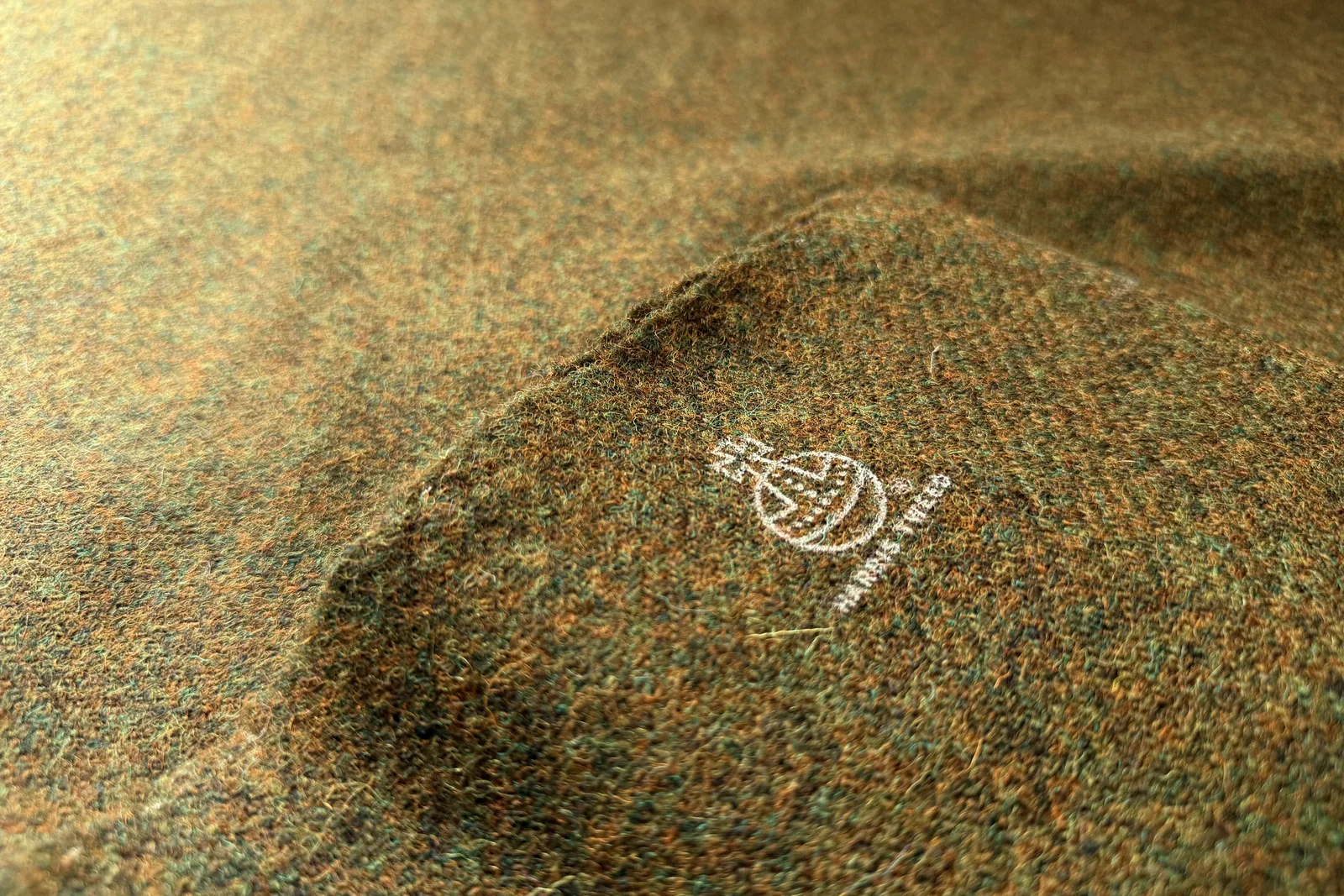 Read next · The ReadingHarris Tweed: The Orb Vivienne Westwood Borrowed Is Now Europe’s ModelWhy a cloth defined by law and stamped on the islands where it is woven is the model Europe’s new craft register now follows.
Further Reading
Where Luxury Begins: The Value of Natural Fibre, From the Karoo to Vittorio Veneto
From the Karoo to Vittorio Veneto: why the value of luxury begins with the fibre.Lanificio Bottoli: Ettore Bottoli on Natural Colour and the Recipe Behind Every Cloth
A family wool mill in Vittorio Veneto on undyed wool, scarce brown fleece and the recipe behind every cloth.Authenticity Is the New Luxury: Proof, Belonging and Provenance Now Outrank Prestige
Why proof of origin now counts for more than a famous name.
Sources
- Fiona MacKenzie, Chief Executive Officer of the Harris Tweed Authority, in conversation with The Silent Luxury, hosted by Eva Winterer, November 2026
- Harris Tweed Authority, Harris Tweed Authority appoints new Chief Executive
- Harris Tweed Act 1993
Similar Articles
Chad Oppenheim: “People Won’t Remember the Building. They’ll Remember the Place”
Paolo Ferrari: “Sometimes the Most Powerful Gesture Is Restraint”
Konstantin Chaykin: “The Person Becomes Part of the Mechanism”