Chad Oppenheim: “People Won’t Remember the Building. They’ll Remember the Place”
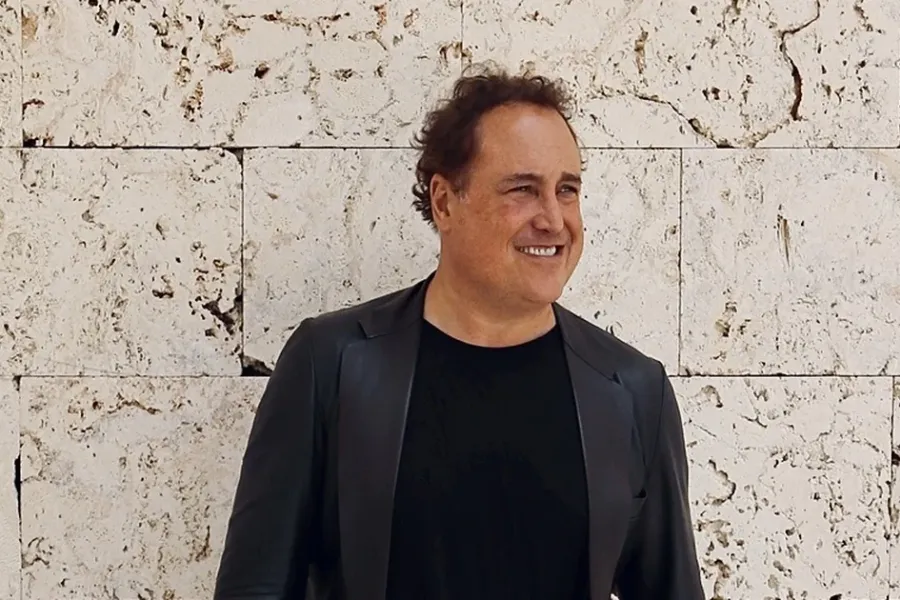
Chad Oppenheim founded Oppenheim Architecture in 1999 and works from studios in Miami, Aspen, Basel and Tirana. His practice designed Desert Rock, the Red Sea Global resort set into the granite of Saudi Arabia’s Hejaz mountains. On 18 September 2026 the resort won the Michelin Architecture and Design Award. In conversation with The Silent Luxury, Oppenheim talks about silent monumentality, buildings that gain value as they age, what earlier builders knew about sun and wind, and why the architect’s role is shifting from designing objects to looking after places.
The story of the resort and its award appears in Chad Oppenheim at Desert Rock: The Architect Who Wants You to Forget the Building.
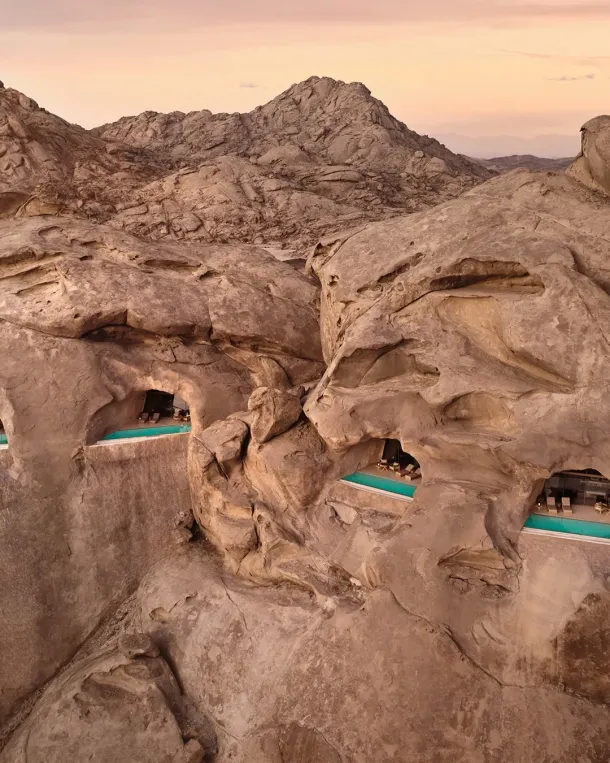
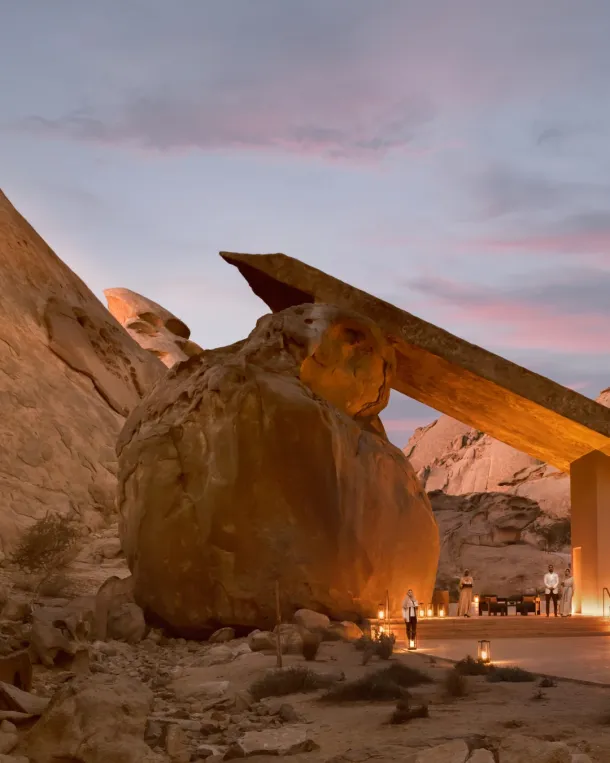
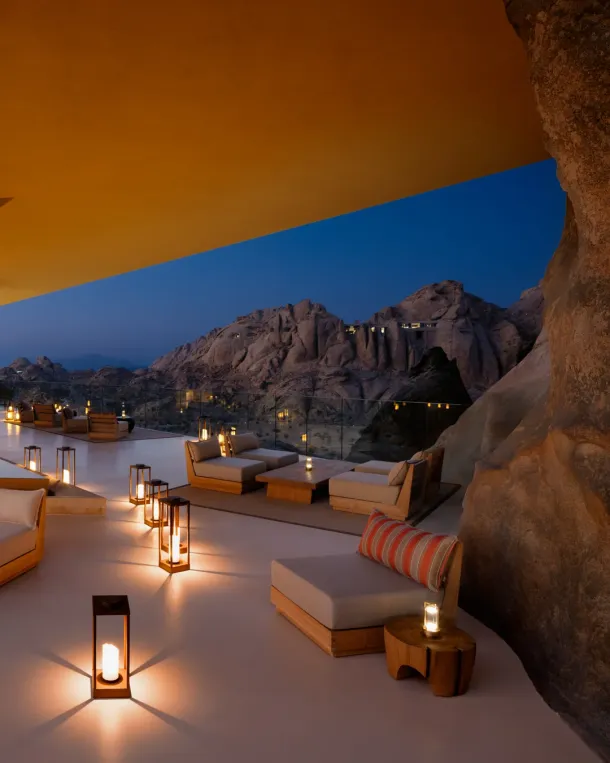
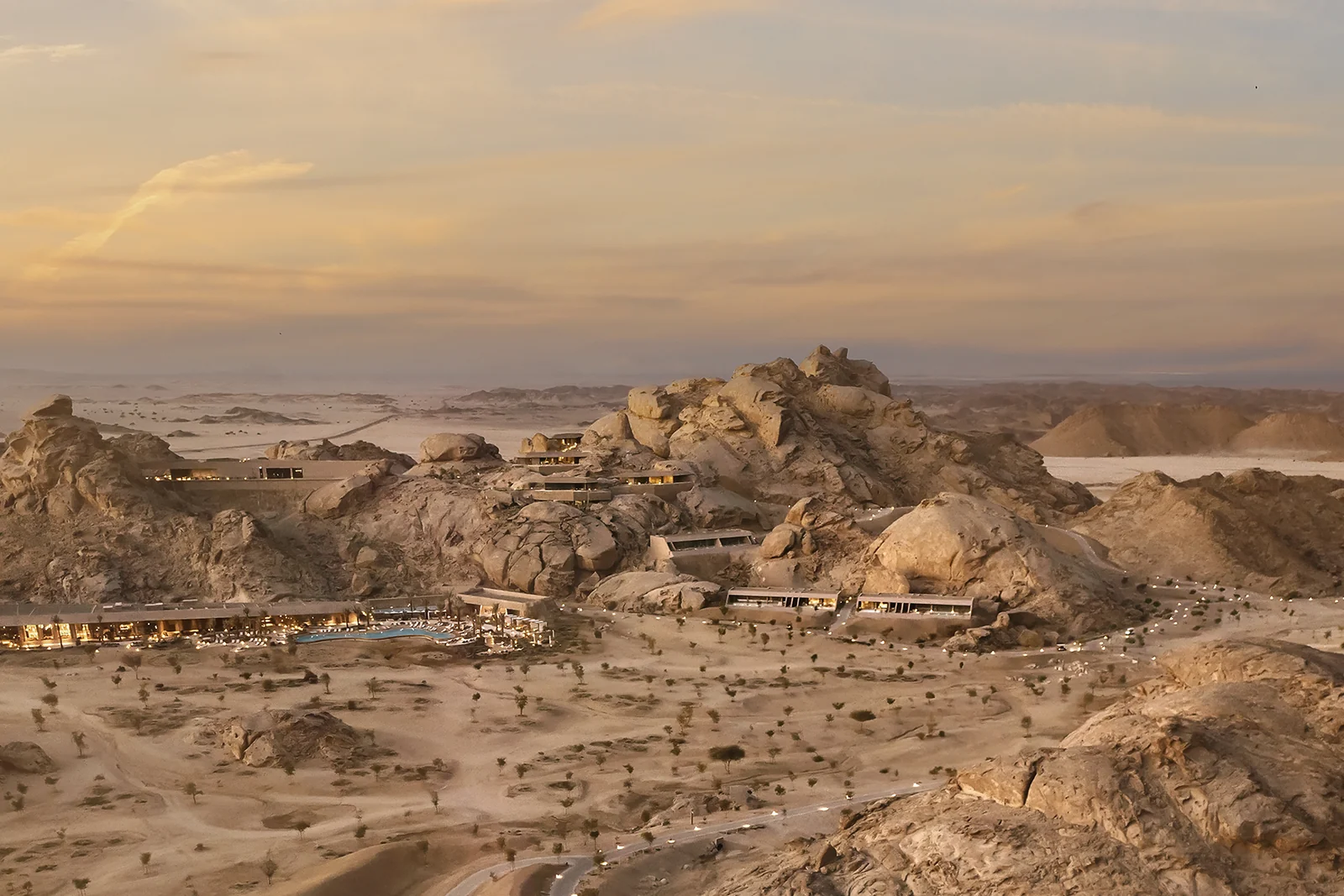
Desert Rock in the Hejaz mountains, Saudi Arabia. Architecture by Oppenheim Architecture. Courtesy of Red Sea Global and Oppenheim Architecture
Silent Monumentality: Chad Oppenheim on Restraint and Landscape
Silent monumentality is Chad Oppenheim’s name for architecture that is monumental in experience and silent in expression, and at Desert Rock it meant setting the resort into the mountain.
Desert Rock withdraws into the mountain instead of standing in front of it. What does it take, as an architect, to design something the landscape could absorb again?
Chad Oppenheim: I think the most important thing an architect can have is sensitivity. The ability to really understand a place, to listen to it, and to know when to do less rather than more.
For us, it’s always about making nature the star of the show and allowing architecture to play a supporting role. It’s about restraint, humility, and understanding that what already exists is often far more extraordinary than anything we could create.
I love the idea of silent monumentality. Architecture that is monumental in its experience but silent in its expression. It doesn’t need to shout or demand attention to be powerful. In fact, I think the quieter the architecture, the more powerful the experience of the place can become.
And silent doesn’t necessarily mean invisible. It’s about creating something that feels so completely connected to its setting that it seems inevitable, as though it has always belonged there.
Ultimately, if I’ve done my job well, people won’t remember the building. They’ll remember the place, how it made them feel, and the connection they had with nature.
The greatest compliment to our architecture is when people remember the place more than the building.
Timelessness: How Chad Oppenheim Designs for Generations
Chad Oppenheim traces timeless architecture to universal truths about light, space, proportion and materials, interpreted through the conditions of one specific place.
If the future of luxury is counted in time, how do you design a building that gains value over decades rather than losing it with the next trend?
Chad Oppenheim: I think timelessness comes from universal truths. It’s not about style or trends. It’s about feeling.
The things that move us as human beings haven’t really changed over thousands of years. The way we experience light, space, proportion, materials, and our relationship with nature. These are the fundamental principles of architecture, going all the way back to Vitruvius.
When you take these principles and interpret them through the very specific conditions of a place, you can create something that transcends time.
I’m not interested in creating something that’s fashionable today and irrelevant tomorrow. I want our buildings to become more beautiful, more meaningful, and more connected to their environments as they age.
To me, that’s timelessness. It’s not about creating something that never changes. It’s about creating something that continues to matter.
History Without Nostalgia: Chad Oppenheim on Desert Architecture
Chad Oppenheim’s desert architecture starts from how earlier builders answered the sun, the wind and the climate. He translates their reasoning into contemporary buildings, such as Desert Rock, that belong to one place.
The Hejaz carries a long tradition of building with stone, shade and wind. How do you bring that knowledge into a contemporary language without turning it into folklore?
Chad Oppenheim: I think there’s so much wisdom in the way people built in the past. But it’s not about copying what they did. It’s about understanding why they did it.
Why did they build a certain way? How did they respond to the sun, the wind, the climate, the materials they had available? What were they trying to accomplish?
For thousands of years, architecture was fundamentally connected to nature. Somewhere along the way, technology allowed us to ignore all of that.
I’m interested in rediscovering those principles and interpreting them in a completely contemporary way.
For me, architecture is almost like solving for the truth. You have to strip away all the preconceived ideas about style, about what looks cool, what will photograph well, or what might get published.
You have to get to the essence of the place and ask what really belongs there. What will create the most extraordinary human experience?
I believe the most powerful architecture is something that could only ever exist in that particular place.
A Place Like No Other: The Michelin Architecture and Design Award
Chad Oppenheim sees the Michelin Architecture and Design Award for Desert Rock as a sign that luxury hospitality is moving away from one global standard toward places that cannot be repeated.
Desert Rock received the MICHELIN Architecture & Design Award. What does this recognition say about where hospitality is heading?
Chad Oppenheim: I think the Michelin recognition is really a reflection of what people are looking for today. They want extraordinary experiences that are authentic, visceral, and completely unique to a place.
For so long, luxury hospitality was about creating a certain standard that could be replicated anywhere in the world. I think we’re seeing the opposite now. A kind of de-homogenization, where what makes a place special is precisely what makes it different.
To me, the greatest luxury is experiencing something you couldn’t experience anywhere else.
It’s not necessarily about extravagance. It can be the way the light enters a room, the sound of the wind, the feeling of a material, or being completely immersed in an extraordinary landscape.
I think the most powerful luxury is often the quietest. It doesn’t announce itself. You simply feel it.
And that’s what we’re trying to create—experiences that connect people to a place in ways they never imagined possible.
From Objects to Places: Chad Oppenheim on Regenerative Architecture
For Chad Oppenheim, regenerative architecture shifts the architect’s role from creating objects to looking after places. The aim is to leave the land better than the building found it.
Regenerative destinations ask architecture to give back more than it takes. Is the architect’s role shifting from creating objects to looking after places?
Chad Oppenheim: I love the idea that our role as architects is shifting from creating objects to looking after places.
For thousands of years, we’ve been building civilization by extracting everything we possibly can from nature. We’ve conquered landscapes, redirected rivers, flattened mountains, and created cities that separate us from the very environment that sustains us.
I think we have an extraordinary opportunity to change that relationship.
It’s no longer enough to simply sustain what exists. We should be thinking about regeneration, about how we can actually improve the places where we build.
I’m interested in designing the whole ecosystem, not just the building. The landscape, the water, the vegetation, the wildlife, the climate, and, ultimately, the human experience.
And sometimes the most important thing we can do is nothing at all. To recognize that nature has already created something extraordinary and our responsibility is to protect it.
I think we should measure success not only by what we create, but also by what we preserve.
“I think we should measure success not only by what we create, but also by what we preserve.”
The Next 20 Years: Chad Oppenheim on the Future of Architecture
Chad Oppenheim expects places with distinctive natural environments to define luxury over the next 20 years, and architecture to grow ever quieter within them.
Looking twenty years ahead: which places will define luxury, and which questions should architects be asking today?
Chad Oppenheim: I think we’re going to see an even greater appreciation for the extraordinary diversity of our planet. Places with very distinctive natural environments—deserts, mountains, forests, coastlines, even extreme climates—will become increasingly important.
People are going to seek experiences that move them, that reconnect them with nature, and that allow them to experience the world in ways they haven’t before.
For architects, I think the big question is how we can do more with less. How can we create extraordinary experiences while intervening as little as possible? How can we regenerate rather than consume? How can we design places that connect us more meaningfully with nature and with each other?
I believe architecture should become increasingly silent in its setting, allowing the extraordinary beauty of the natural world to take center stage.
There’s something incredibly powerful about creating architecture that is monumental in the way it makes you feel yet almost disappears into its surroundings.
Ultimately, I think the greatest opportunity for the future isn’t to create more extraordinary buildings.
It’s to create more extraordinary relationships between people and the natural world.
Send this ↗ to someone who travels for the landscape and stays for the silence.
 Read next · The ReadingChad Oppenheim at Desert Rock: The Architect Who Wants You to Forget the BuildingHow a resort set into the Hejaz mountains won the Michelin Architecture and Design Award, and where Saudi hospitality goes from here.
Sources
- Chad Oppenheim, founder of Oppenheim Architecture, in conversation with The Silent Luxury (Eva Winterer), November 2026
- Michelin, MICHELIN Guide 2026 selection and Special Awards, 18 September 2026
- Oppenheim Architecture, people
Similar Articles

Fiona MacKenzie: Law Protects Harris Tweed, People Keep It Alive
Paolo Ferrari: “Sometimes the Most Powerful Gesture Is Restraint”
Konstantin Chaykin: “The Person Becomes Part of the Mechanism”