Inside the Trophy: Better instead of more
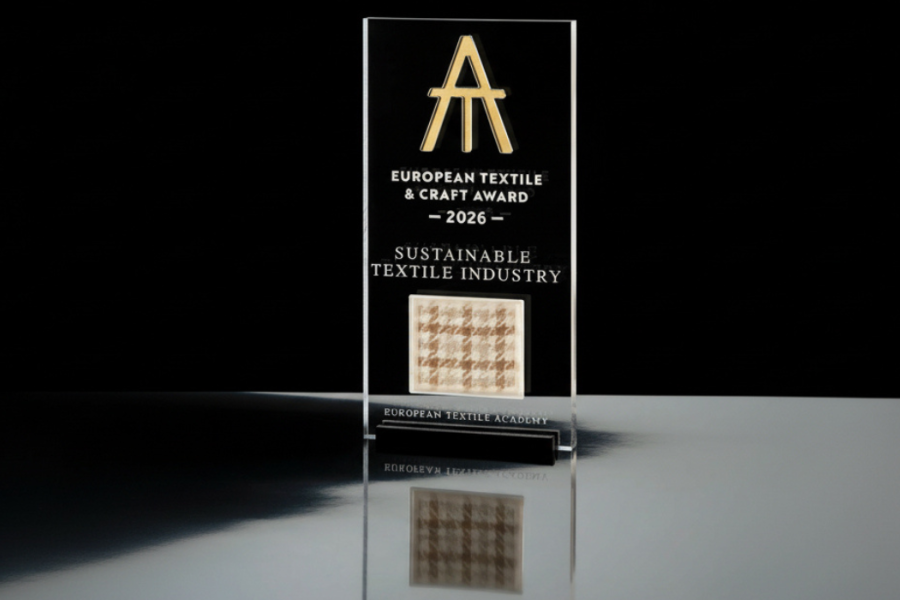
Those who want to know what an industry truly values do not look at its advertising. They look at what it chooses to honour. The European Textile & Craft Award, occasionally referred to as the Oscars of the textile industry, has been giving a very concrete answer to that question for years. Embedded in the transparent body of the trophy is a new piece of fabric each year, chosen by the European Textile Academy as a symbol of the conviction that has defined this award from the beginning: outstanding achievements in craft, design and production, conceived from the resources up and built to last.
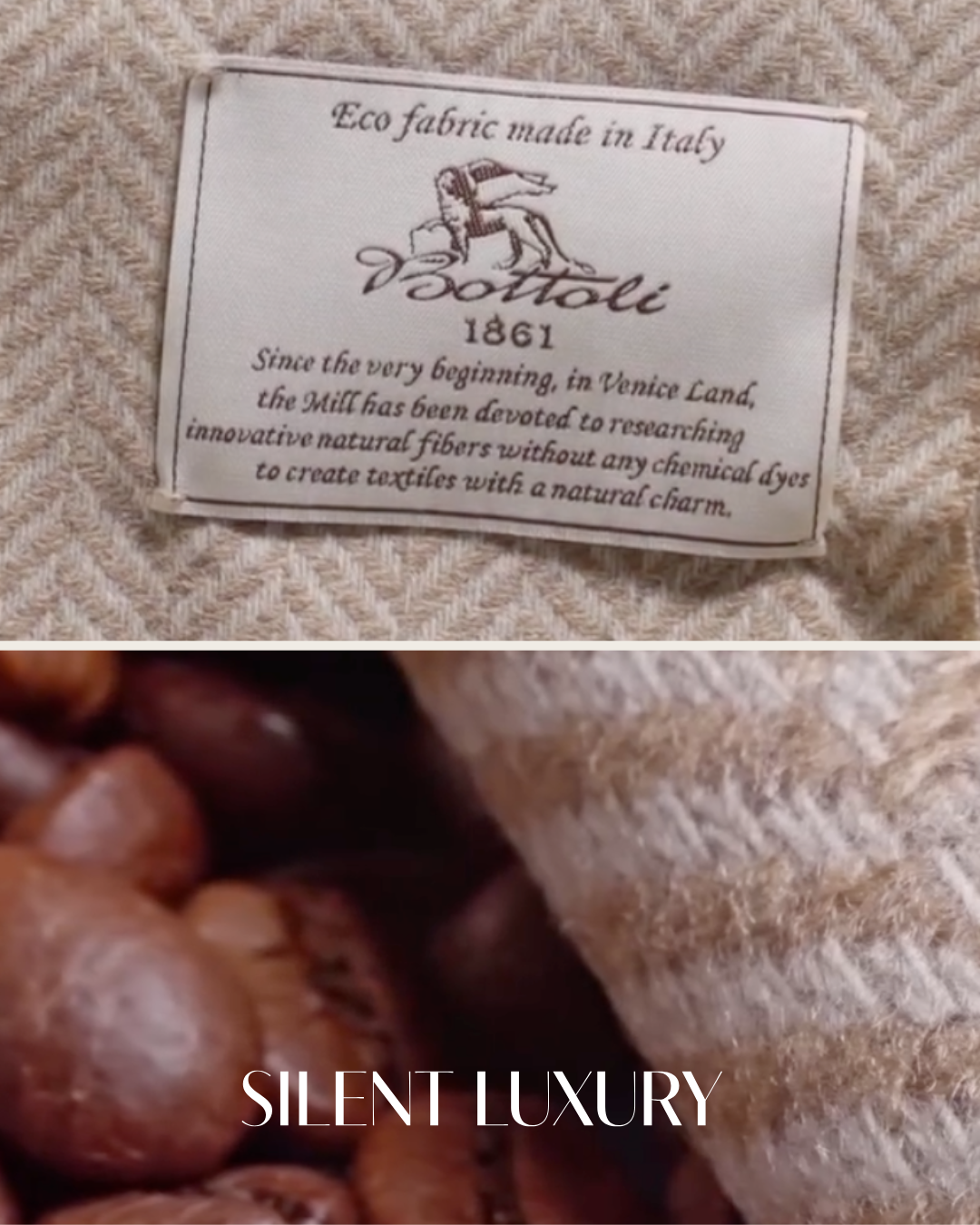
In 2026, it is a piece of wool from Lanificio Bottoli in Vittorio Veneto, tobacco-toned, dyed with coffee grounds — the colour nuances achieved without synthetic chemistry, the wool itself sourced from carefully selected Merino flocks, spun and woven in-house. What lies within this piece goes far beyond appearance. Fabric is the foundation of fashion: it determines how a garment sits against the skin, how it falls, whether it holds its shape over years. The choice of a specific material shapes a piece of clothing from the ground up and is often the decisive step that turns a good design into something truly extraordinary.
The fabric in the trophy is a considered choice
Which fabric the European Textile Academy works into the trophy each year is a deliberate and meaningful decision. The last two editions have made this especially clear: in 2024, the piece came from the Parisian installation of artist Christo, a fabric that had already moved millions of people as part of a world-famous artwork and now lived on as the raw material of an award. 2025 brought a technical nonwoven from Lenzing, developed for the protection of glaciers. With the wool piece from Lanificio Bottoli embedded in the 2026 trophy, the choice shows once more where the industry is heading: towards a material knowledge deeply rooted in European craft tradition, and finding in that tradition the very foundation for innovation.
The European Textile & Craft Award is presented by the European Textile Academy and recognises outstanding achievements in textile craft, design, art and sustainable production. It is presented as part of the International Festival of Textile Craft, Textile Art & Design at Maretsch Castle in Bolzano. The criteria applied by the international expert jury include materials used, natural fibres, processing quality, resource use, environmentally responsible production, and social and ethical aspects.
Vittorio Veneto, fifth generation: Lanificio Bottoli
What makes the Lanificio Bottoli wool piece so compelling for the 2026 award is not the originality of a single idea, but the consistency with which a company rethinks its entire production around one question: how much can be drawn from a material without adding anything that does not need to be there? The family business, founded in 1861 and now in its fifth generation, operates a fully integrated facility in Vittorio Veneto where the entire production chain runs in-house: raw material selection, dyeing, spinning, weaving, finishing. More than 2,500 metres of fabric are produced daily; twice a year, the collection encompasses more than 2,500 fabric types.
Roberto Bottoli has led the company along ecological development lines since the early 2000s: first through undyed Merino wools in natural fleece colours, for which sheep flocks of the Sopravissana and Gentile di Puglia breeds were specifically selected; then through plant-based dyeing; finally through the coffee-ground dyeing process developed in collaboration with coffee producer Dersut. Coffee grounds from local restaurants and cafés are used as a dyeing resource — a by-product that would otherwise be discarded — and the finished piece can be recycled because no harmful chemistry remains in the fibre.
Richard Vill, President of the European Textile Academy, puts it this way: the fabric shows how a seemingly simple idea can change the very basis of how fabric comes into being. That the company exports to 21 countries and produces for clients including Etro, Missoni, Junya Watanabe, and Japanese partners such as United Arrows and Beams underlines the international relevance and quality of this work. The full ecological balance of the coffee-dyeing process has not yet been comprehensively documented in public sources, and the company communicates accordingly with appropriate restraint. What is documented already speaks for itself.
The honoured makers of 2026
The honoured makers of this year come from very different regions and contexts across Europe, and it is precisely this range that shows how differently a new quality standard in the textile industry can take shape.
-
-
Coastland: Gold Award Category “Sustainable Textile Industry”
-
-
-
FILIFOLLI: Gold Award Category “Sustainable Fashion & Textile Industry
-
-
-
JESA: Gold Award Category “Textile Craft”
-
-
-
RIR & CO: Gold Award Category “Textile Craft”
-
-
-
fabricGREEN: Gold Award Category “Textile Architecture, Research & Innovation”
-
-
-
Carlos Benny Girón Lévano: Newcomer of the Year Category “Sustainable Fashion Craft”.
-
Coastland: The first time in fifty years
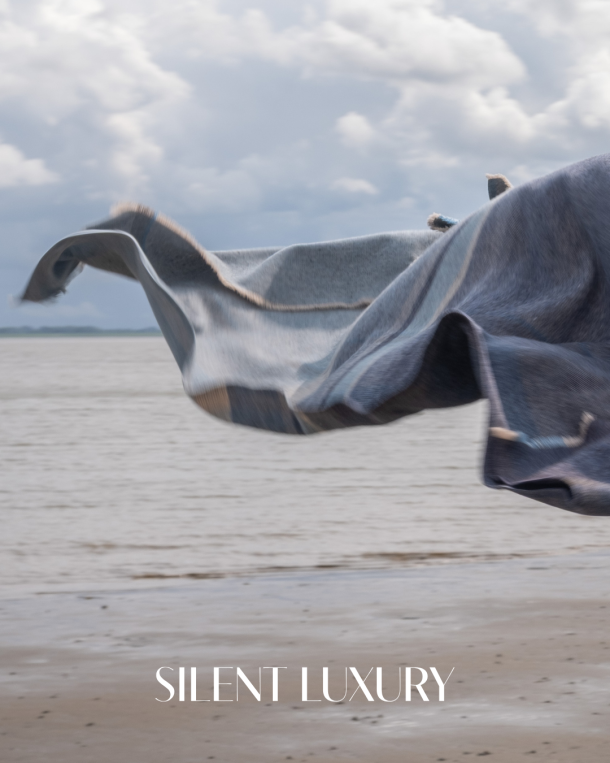
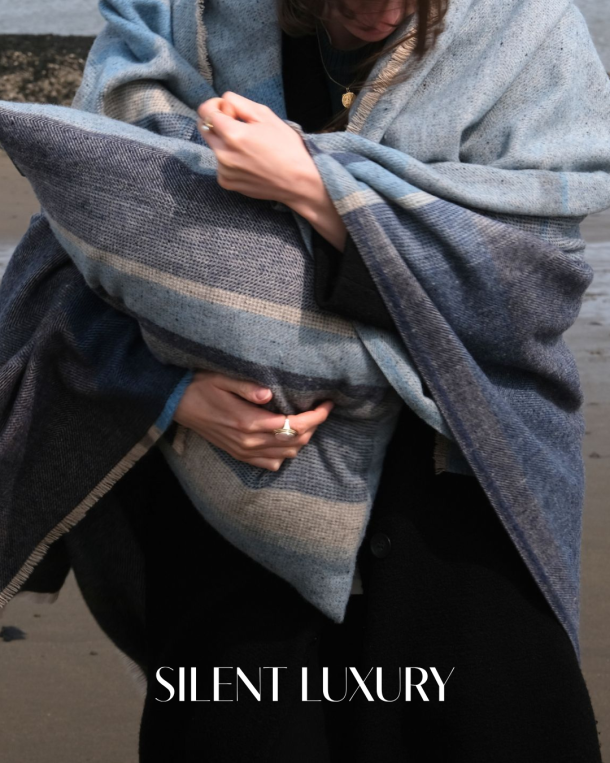
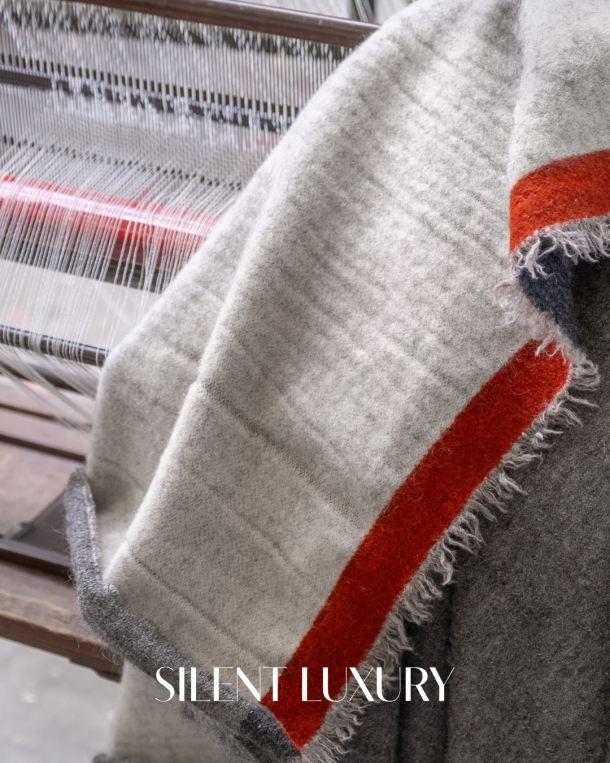
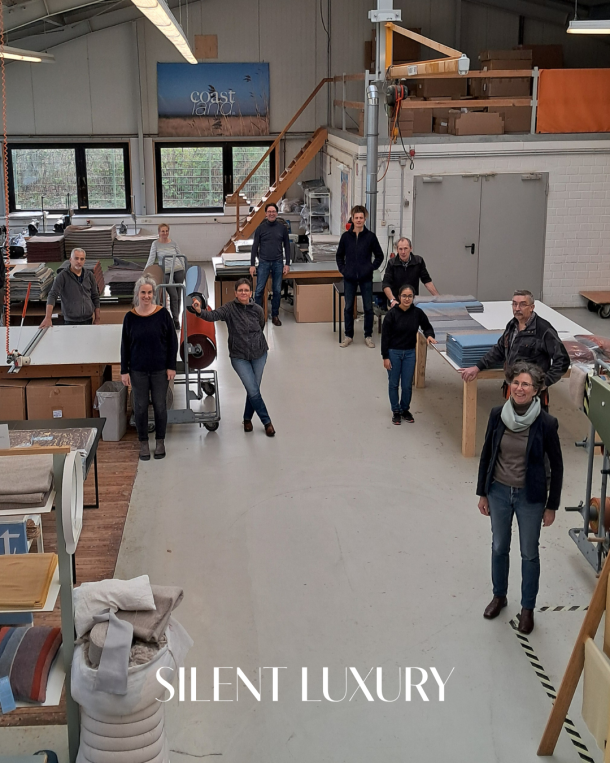
When Heinz-Jürgen Gerdes read in the newspaper in 2021 that northern Germany’s last wool weaving mill was about to close, he and his wife Monika left their former life in Bremen behind and purchased the entire machinery of the insolvent Küper cloth and blanket factory. What followed was the first founding of a wool weaving mill in Germany in more than fifty years: Coastland in Zetel, in the Friesland district, running on analogue machines from the 1970s still operated by punch cards. Heinz-Jürgen Gerdes describes the approach himself: it is not about tradition, but about thinking freshly and with presence of mind. Coastland produces blankets and home textiles from mulesing-free Merino wool and noble hair; 75 per cent of the wool remains in its natural state, processed without chemical additives. The slow, analogue machines, which can take up to eight times longer than modernised looms, deliver a yarn quality that faster production cannot match.
Filifolli: Threads that know what they are doing




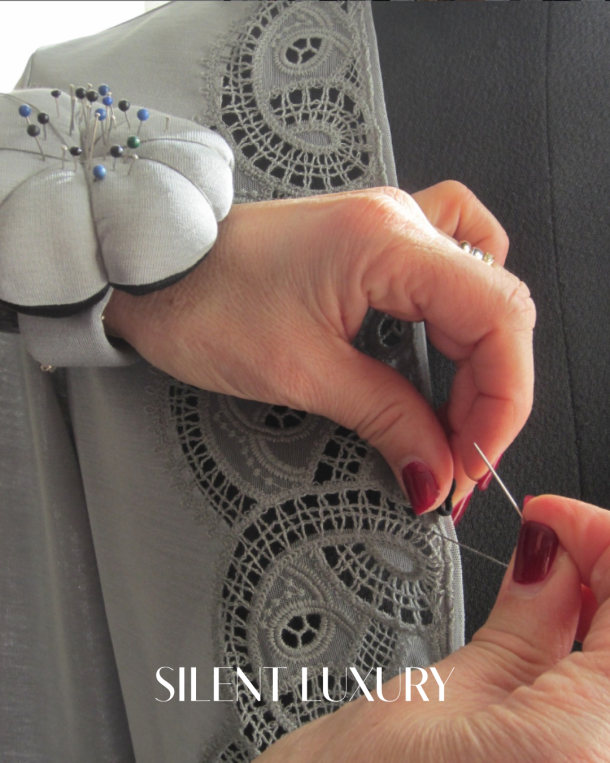
Filifolli translates literally as crazy threads, but nothing about this brand is haphazard: every decision the South Tyrolean company Alber makes for its premium label begins with the fabric. The Lake Como Collection carries its DNA in its name: the silk comes from Como, the embroidery from Varese, where the Ricapizzo technique is woven directly into the elastic structure without compromising freedom of movement. Silk jersey, ribbed silk, tulle, no synthetic additions, no elastane. Silk sits differently against the skin than any other fibre, cooling in summer, warming in winter, leaving no pressure points. Designer Paola Magistri builds from these qualities capsule collections that step entirely outside the seasonal calendar: a piece from the Lake Como Collection works for an evening occasion just as well as for everyday wear, and will do so in ten years just as it does today.
JESA: The last hand-weaving studio in Irpinia
CATEGORY: TEXTILE CRAFT — GOLD AWARD
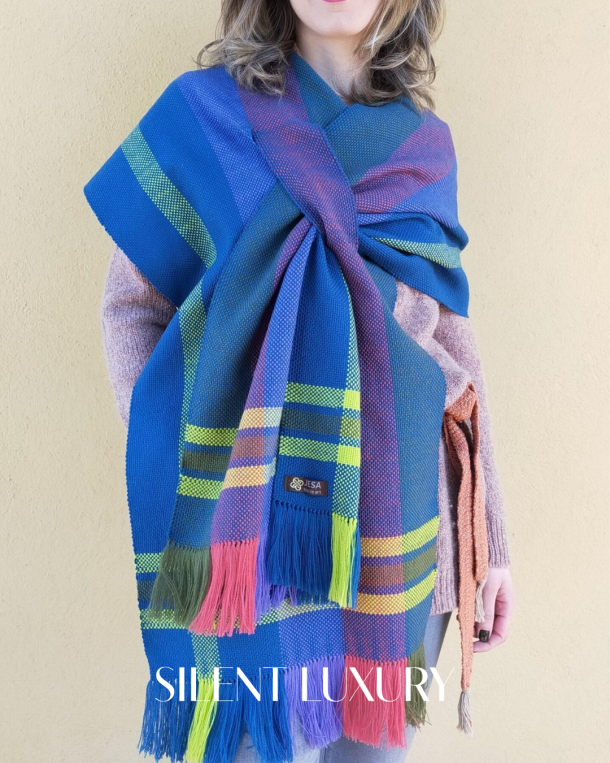
Jessica Tartaglia opened her workshop in the historic centre of Bisaccia in 2018, a small town in the mountains of Irpinia, deep in the interior of Campania, and with it the last hand-weaving studio in the region. What she produces there follows a logic that sounds radically simple and in practice is anything but: twice a year a capsule collection is created, each limited to a maximum of six unique pieces, using certified materials from Florence, woven on a twelve-shaft Finnish countermarche loom that allows a structural complexity no mechanised loom can achieve. Fibre remnants are consistently reused, and every piece is connected to the philosophy of Pachamama, the earth as a living system. At JESA, deliberate limitation is the very core from which quality emerges.
RIR & CO: From surplus milk to fibre
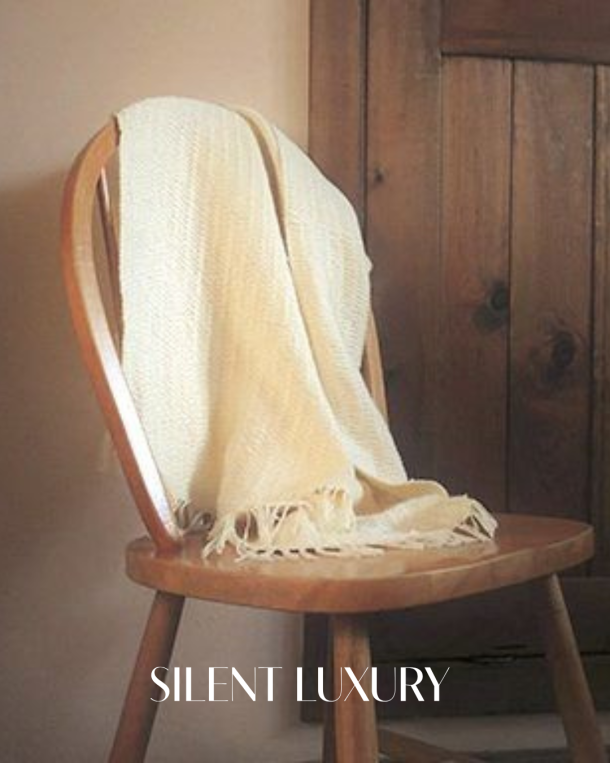
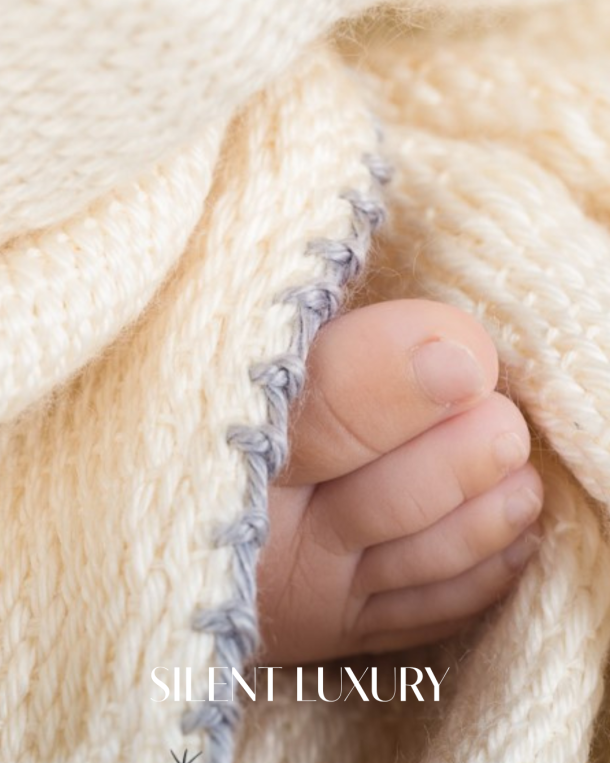
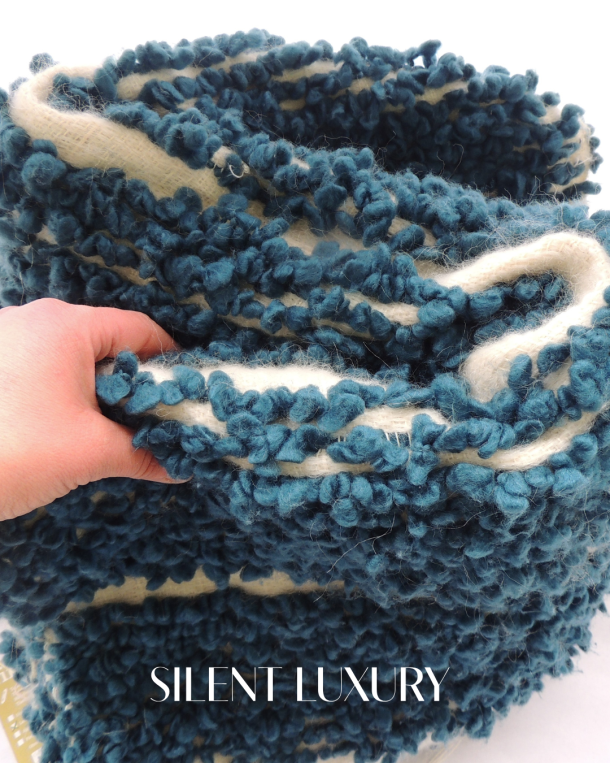
Inés Rodríguez has developed at her studio RIR & CO in Allariz, Galicia, a fibre from surplus milk: casein fibre, woven into Merino wool using the Galician Gorullo technique, with fine fibreglass insertions for structural stability. It sounds like a laboratory process, but feels like the opposite: the fibre sits softly against the skin, absorbs moisture, is biodegradable, and the finest alternative to conventional industrial textiles, particularly for sensitive baby skin. Spain’s National Craft Award recognised this work in 2023. That the European Textile & Craft Award now follows shows that this thinking has arrived in the industry: a by-product that becomes an independent fibre with clearly definable qualities, through knowledge and craft precision.
Photos in courtesy of Inés Rodríguez, Julio Eiroa, Los Fueguitos
Carlos Benny Girón Lévano: History as material
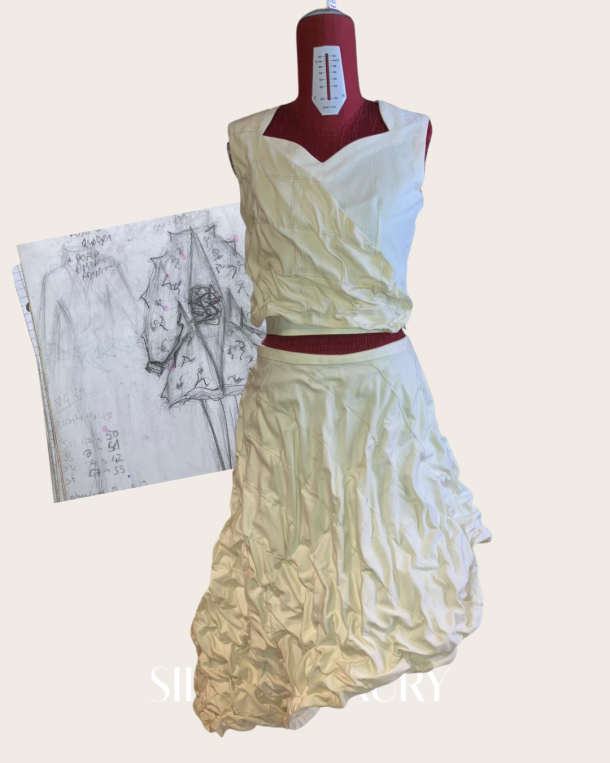
Carlos Benny Girón Lévano grew up between Alto Adige and Peru, and both worlds are present in his work. He works with old linen, historic fabrics, textiles from the last century — materials that already carry a history before he gives them a new one. That requires a particular kind of listening: what has this fabric already been through, and what can it still become? What he tailors from it carries the patina of the material just as much as the mountain landscape of South Tyrol and the colours of Peru. The jury describes his work as contemporary and poetic, and both are true: it is fashion that comes from the past and arrives entirely in the present.
Photos: Courtesy of Carlos Girón Lévano
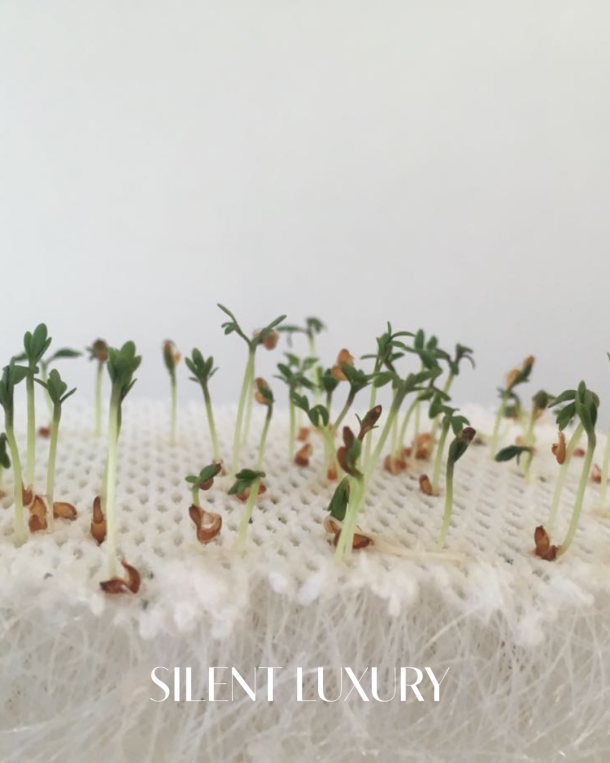
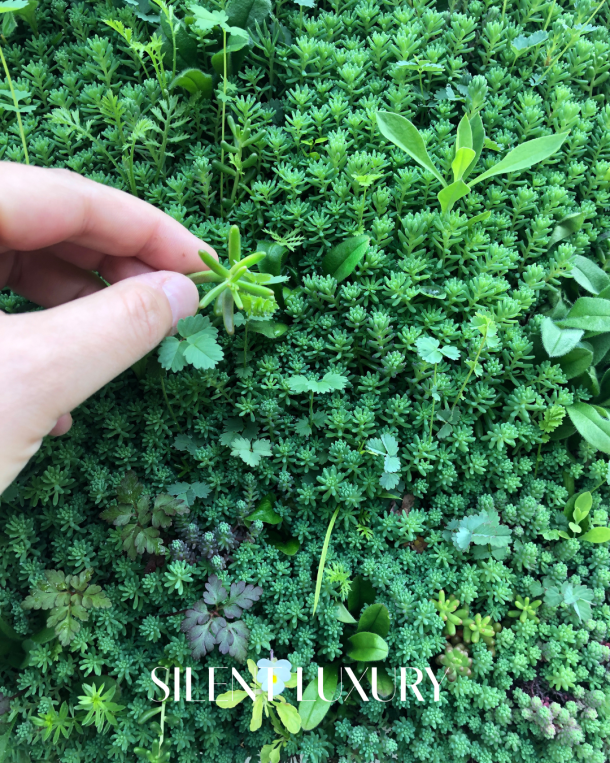
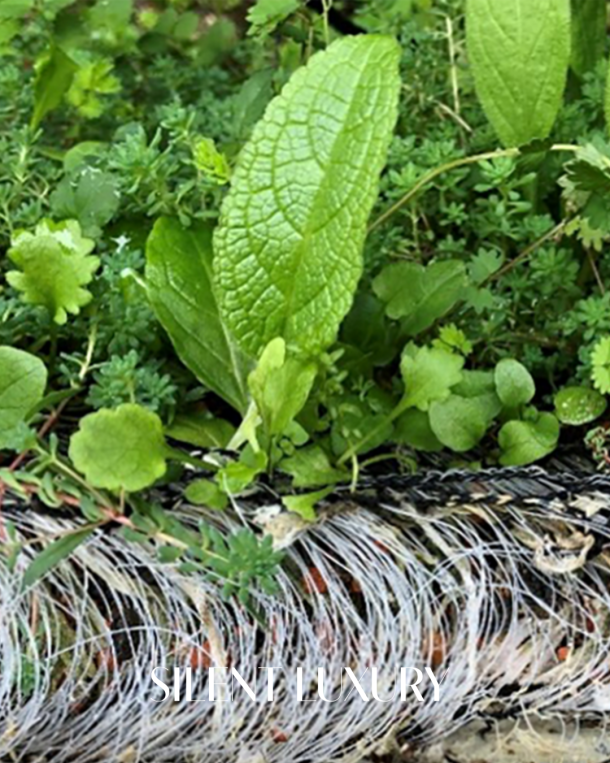
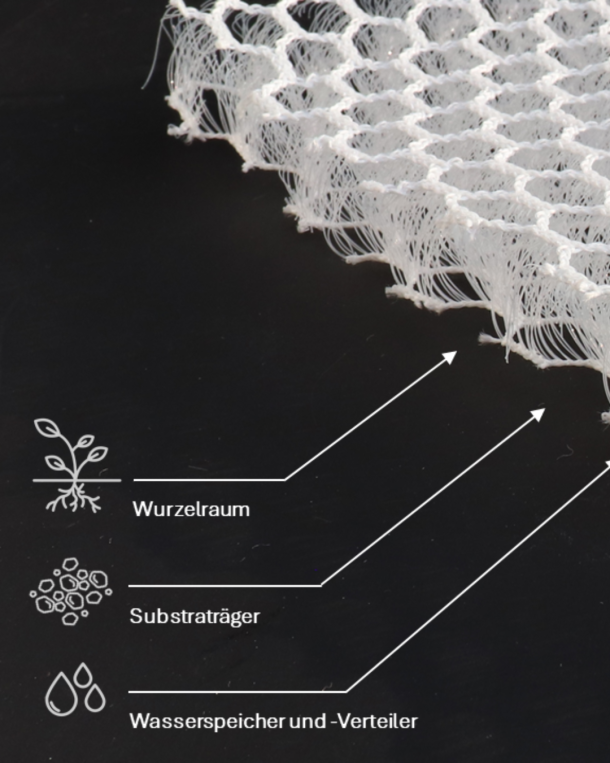
fabricGREEN: What textiles can do for the city of the future
Tanja Major: What fungi can become
CATEGORY: TEXTILE CRAFT — GOLD AWARD
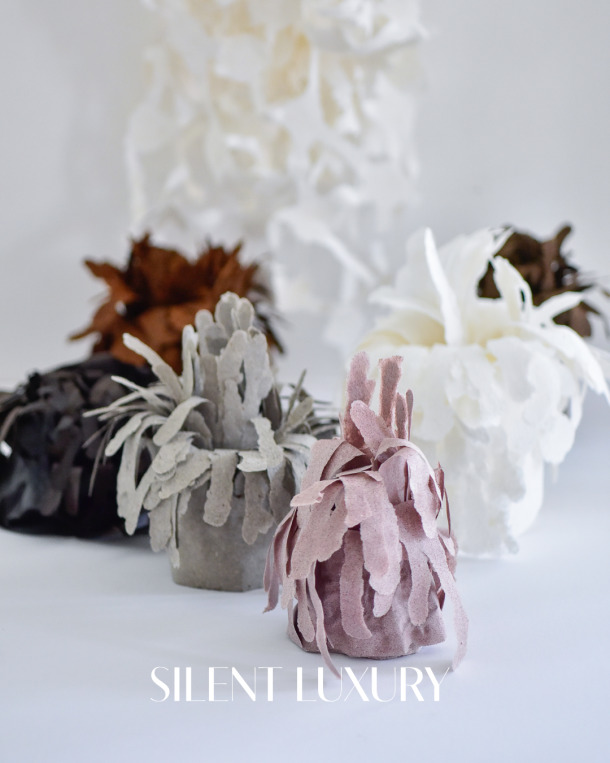
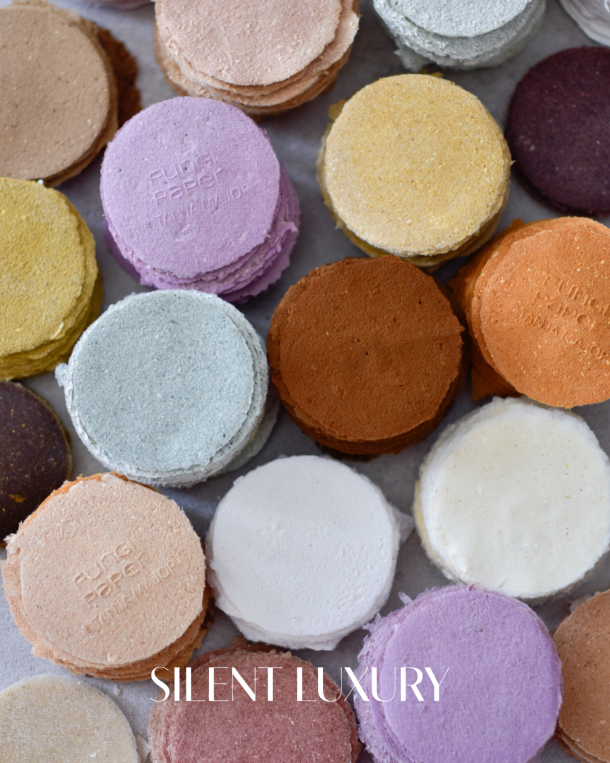
There is a moment in Tanja Major’s practice where mycology and papermaking traditions meet and produce something that belongs fully to neither. Her Mykobütten are handmade papers derived almost entirely from fungi, developed through years of hands-on experimentation with the organism itself, the sourcing, the transformation, the structural behaviour of fungal matter as it dries, binds and holds form. Inspired by Washi traditions, the finished works are sculptural textile installations: layered, cellular surfaces that reflect their biological origins and carry them visibly into the room. Nearly 100 percent compostable, locally producible, grown rather than extracted. Major’s work addresses material sourcing at its origin and in doing so opens a question that is becoming central far beyond the category of textile art: what a fibre can be when the source itself is regenerative by nature.
Material knowledge that looks forward
What connects the honoured makers of 2026 is a shared attention to origin, process, longevity and material intelligence. Through the transparent body of the trophy, one sees the wool piece from Lanificio Bottoli. It makes visible where the industry looks when it honours itself: towards the knowledge embedded in materials, and the ability to work with that knowledge in the present.
The award therefore speaks not only about textiles, but also about changing forms of value creation. We return to that broader economic shift in our analysis of the Hourglass Economy in Italy.
Similar Articles
Fullord Geneva: Sandrine Thibaud on Building a Jewellery House Around a Woman’s Independence
Cartier’s Owner Eyes De Beers: The Jeweller Returns to the Mine

Controlled Imperfection: Sogni di Cristallo and the Hand-Blown Light of Carbone Riviera