
PolyU Study Links Hotel Occupancy to Well-Reviewed Local Restaurants
Hotel occupancy is higher in American cities and counties with well-reviewed restaurants, a study from Hong Kong Polytechnic University (PolyU) finds. The link is stronger for full-service hotels, which run hotel restaurants of their own, than for limited-service hotels. Sung Gyun Mun, Linda Woo, Taekyung Kim and Seunghun Shin published it online in the International Journal of Hospitality Management in July 2025. PolyU’s School of Hotel and Tourism Management brought it to a wider public on 17 November.
The researchers matched restaurant review scores with hotel occupancy, room rates and revenue. The abstract says the study “proves” the effect. Neither the abstract nor the release gives effect sizes, sample or period, and the full text sits behind a paywall. The Silent Luxury therefore reports a link.
● In Brief: PolyU, Hotel Occupancy and Restaurants
The finding. PolyU’s release says the quality of a restaurant cluster “had a statistically significant positive impact on nearby hotels’ occupancy rates”. The abstract extends the link to room rates and revenue, without figures.
The rivals. The authors call full-service hotels “coopetitors” of restaurants. In their account, the two compete, draw on the same local inputs and benefit from areas that guests choose for their food.
The advice. Hotels should work with nearby restaurants on “sustainable food sourcing, chef training, and menu development”, the authors write. Mun, the first author, trained at the Culinary Institute of America and once cooked in hotels.
A separate measure. In May 2025 JLL compared luxury hotels that have a prestige restaurant, such as a Michelin-starred one, with the luxury average. Their RevPAR ran 18.6 per cent higher, their room rate 8.8 per cent higher and their occupancy 6.7 points higher. That, too, is a correlation.
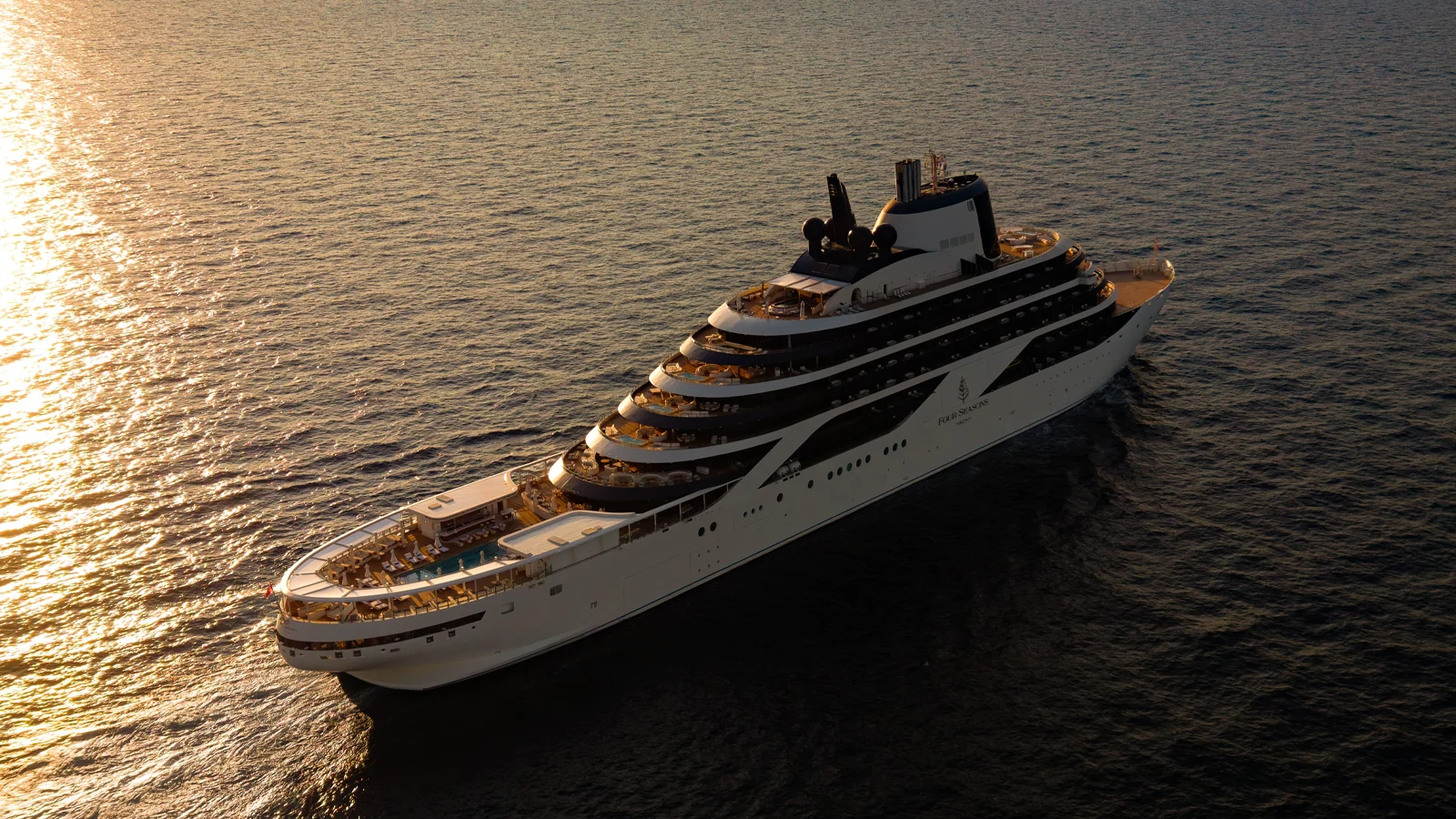
Four Seasons I, where Sedna opens in 2027 with Christian Le Squer as culinary ambassador. Courtesy of Four Seasons Yachts
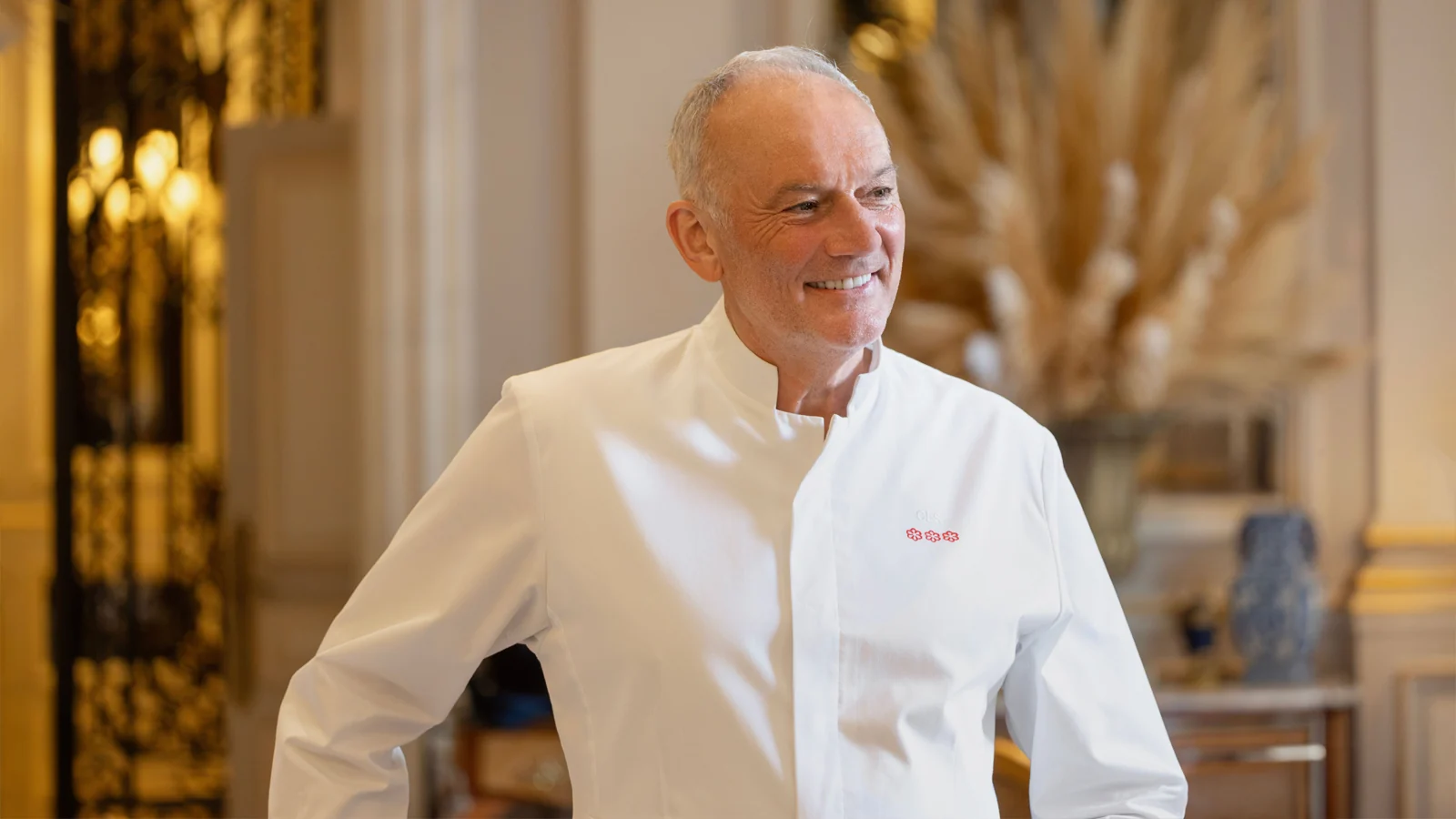
Christian Le Squer, chef of Le Cinq in Paris and culinary ambassador for Sedna aboard Four Seasons I. Courtesy of Four Seasons Yachts
● Why It Matters: Hotel Restaurants and the Street Outside
The PolyU study ties the room to the street outside. The Silent Luxury’s visit to Das LOFT at SO/ Vienna found a hotel restaurant that competes with hundreds of tables within walking distance. Hotel guests book Das LOFT, redesigned by the architect Stephan Ferenczy, like anyone else. In Budapest, Tamás Langó, general manager of Lazy Lion, sees “guests today who plan entire trips around restaurants, wine regions or cocktail bars”.
Hotel groups are bringing top kitchens in-house, and now out to sea. Four Seasons Yachts has named Christian Le Squer, chef of the three-star Le Cinq in Paris, culinary ambassador for Sedna, which opens aboard Four Seasons I in 2027. Sedna’s cooks train at Le Cinq.
PolyU tells existing hotels to “monitor the quality of the restaurants around them”. A ship carries its neighbourhood with it, and Four Seasons Yachts is stocking that neighbourhood from Le Cinq.
Send this to someone who chooses a hotel by the restaurants around it.
Sources
- PolyU School of Hotel and Tourism Management, When Great Food Drives Hotel Demand, 17 November 2026
- Mun, Woo, Kim and Shin, International Journal of Hospitality Management, vol. 132, January 2026
- PolyU Institutional Research Archive, abstract
- JLL, Hotel Restaurant Report, May 2025
- Four Seasons Yachts, press release on Christian Le Squer