WWTC Global Summit 2026: Who Captures the Value of Luxury Travel
The WTTC Global Summit 2026 in Valletta put a number on the smallest players in travel. Research presented by the World Travel & Tourism Council on 8 October finds that if small and medium-sized travel businesses became 10 per cent more productive, they could add US$63 billion to direct Travel & Tourism GDP across eight economies. More than 85 per cent of travel businesses worldwide are small or medium-sized, and the council now wants one million of them in its new Together in Travel community.
● In brief
The figure. Oxford Economics modelled the scenario for WTTC using 2024 data for the United States, the United Kingdom, Germany, France, Spain, Mexico, Thailand and the United Arab Emirates. A 5 per cent gain would add US$31 billion. WTTC calls the scenarios illustrative: they cover direct GDP only, set no timeframe and do not estimate new jobs.
The community. Together in Travel is a free platform for businesses with fewer than 250 employees, with research, practical guidance and access to peers and experts. The target is one million members within five years. On 2 October, WTTC and the International Chamber of Commerce signed a memorandum in Paris on research and advocacy for small businesses.
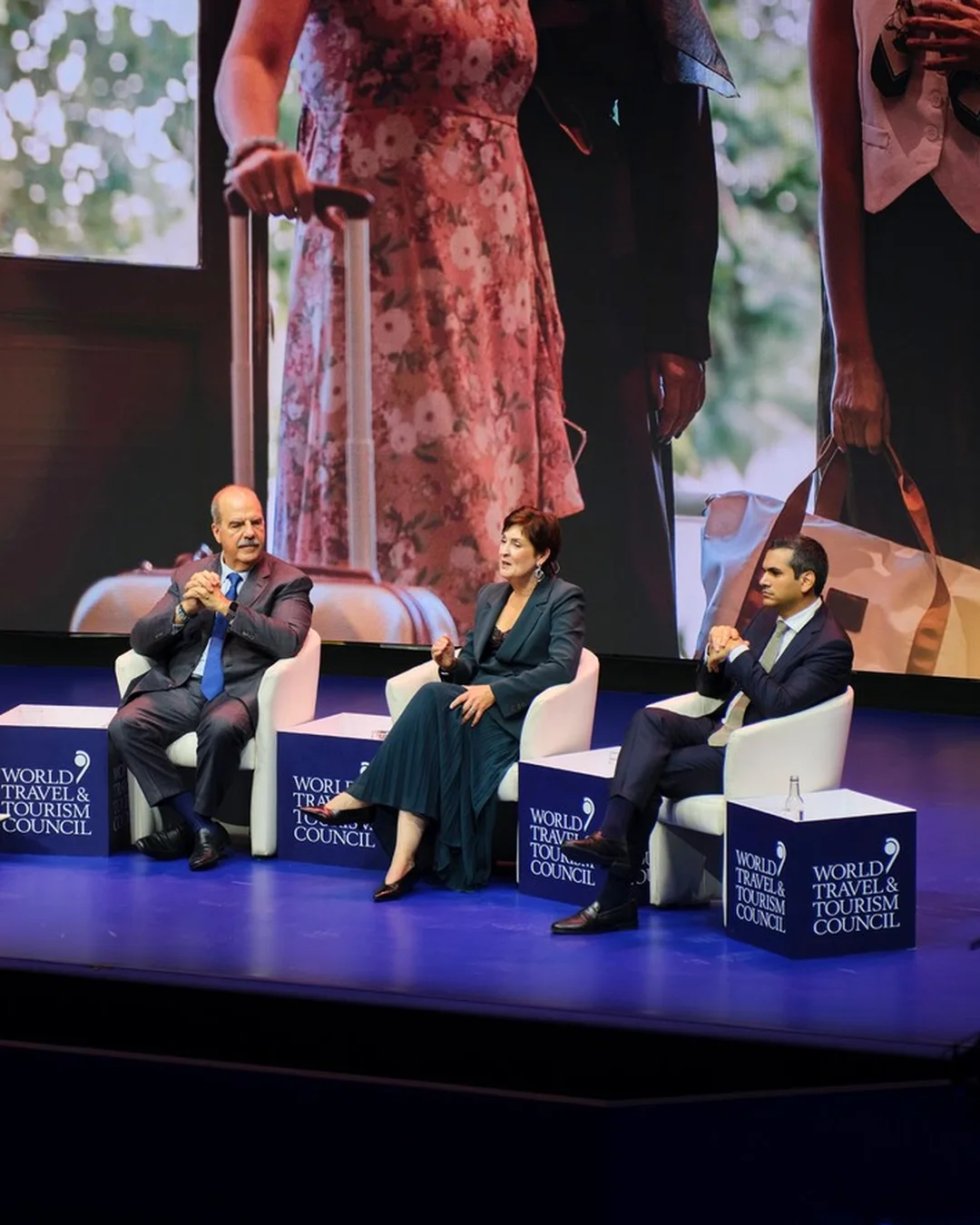
The voices. The small business panel brought together Matthew Upchurch, chairman of the luxury travel network Virtuoso and of Together in Travel, Andrea Grisdale, founder of the independent travel company IC Bellagio and WTTC Vice Chair for SMEs, and Julian Kassum of the International Chamber of Commerce. “Large and small businesses in Travel & Tourism depend on each other,” Upchurch said.
The summit. The 26th WTTC Global Summit ran from 7 to 9 October at the Mediterranean Conference Centre in Valletta, with more than 1,000 delegates, among them over 200 chief executives and government leaders.
● Why it matters
A luxury journey is rarely made by one company. It is the family that has run the same hotel for three generations, the guide who knows the hour when a church is empty, the boatman, the cook, the driver who waits. Most of them run small businesses. In travel, they are the majority.
WTTC’s research measures what these businesses could add if they worked more productively. It leaves open how much of that value would stay with them. In much of luxury travel, the relationship with the guest runs through advisers, platforms and large groups, and with it the data and a good part of the margin.
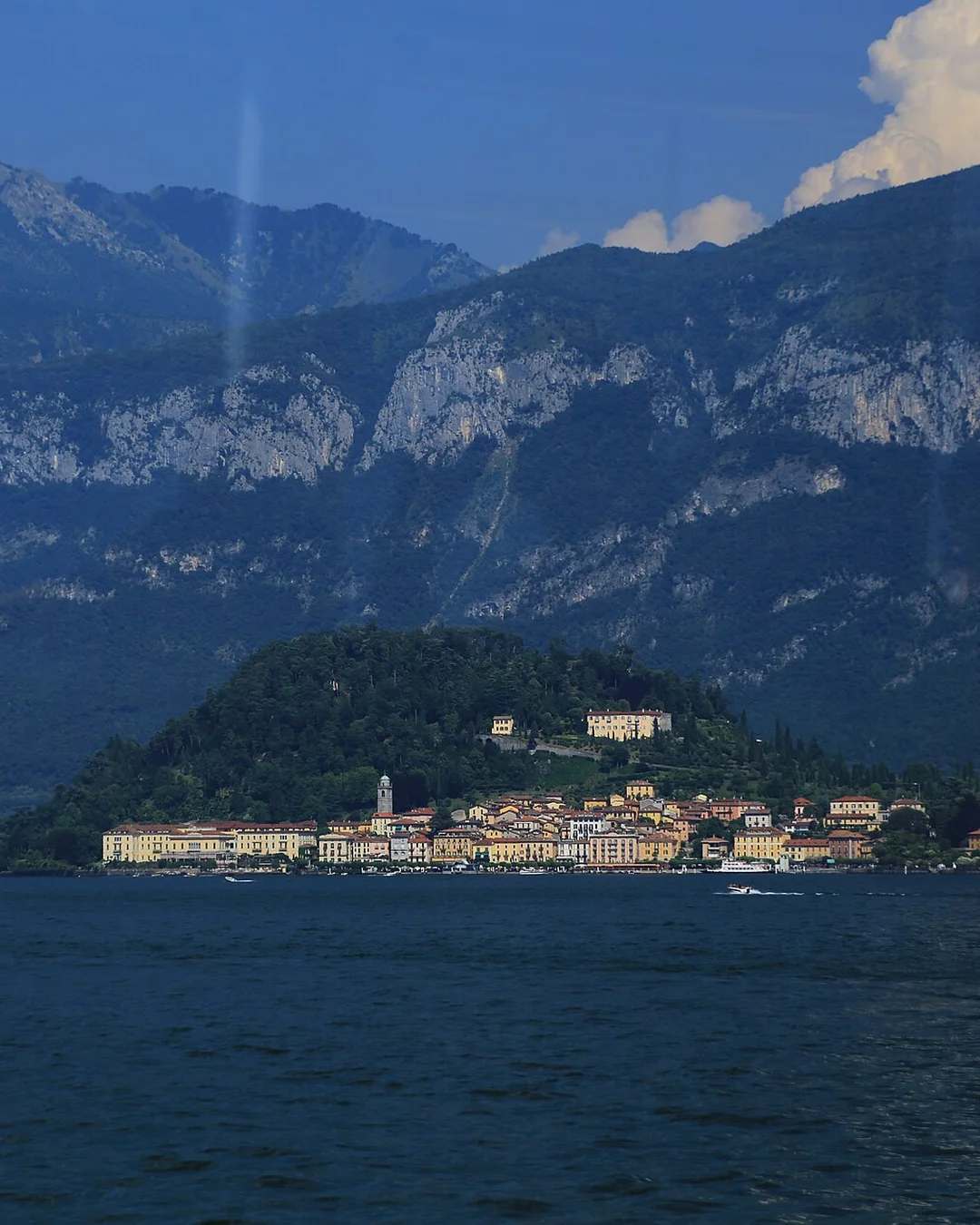
The panel in Valletta showed both sides of that balance. Virtuoso connects luxury travellers with advisers around the world; IC Bellagio is an independent company built on Lake Como. Upchurch’s line, that large and small depend on each other, describes an equilibrium that luxury travel can only keep if the small side stays strong enough to invest, to train people and to remain.
For travellers, this is where quality is decided. The independent hotel, the local guide and the small producer are what make a journey feel rooted in a place. When value flows back to them, the place keeps its character. This is the logic of Slow Hospitality: what is created in a place should be able to stay there.
Send this to someone who runs a small hotel.