Hermès H1 2026: Quality Sets the Quantity

Wenn Lily Collins als Emily in der Netflix-Serie “Emily in Paris” auf einer Vespa durch Rom fährt oder bei einem Date mit Gabriel durch die Provence schlendert, trägt sie Perlenschmuck von Yana Nesper. Marylin Fitoussi, die Kostümbildnerin hinter den ikonischen Outfits der Serie, wählte die Stücke der Pforzheimer Designerin für einige der romantischsten Szenen aus. Kein Zufall: Fitoussi, bekannt dafür, Produkte unabhängig von Marke oder Herkunft zu wählen, fand in Yana Nespers Kreationen genau jenen Mix aus klassischem Charme und individueller Note, der ihre Kostüme auszeichnet.
Es ist diese Verbindung zwischen Hollywood und Paris, zwischen Fiktion und Realität, die zeigt, wie Perlschmuck seine Renaissance erlebt. Was noch vor kurzem als Relikt vergangener Zeiten galt, entwickelt sich zu einem der gefragtesten Accessoires – getragen mit Jeans, über dem Pullover, zum Leinenkleid. Die Stadt der Lichter wird zur Kulisse für eine neue Interpretation von Eleganz.
L’art de la simplicité: Die Selbstverständlichkeit der Eleganz im Alltag
Es gibt diese Momente in Paris, wenn das morgendliche Licht durch die hohen Fenster eines Apartments im 16. Arrondissement fällt und die Stadt draußen zu einem leisen Rauschen wird. Eine Frau legt ihre Perlenkette an, bevor sie das Haus verlässt.
Heading 3
Sie wählt diese Eleganz nicht für eine Gala – sie wählt sie für ihren Weg auf den Boulevards, wo die Platanen Schatten bieten, für den ersten Café au lait des Tages mit Blick auf die morgendlichen Gassen der Stadt.

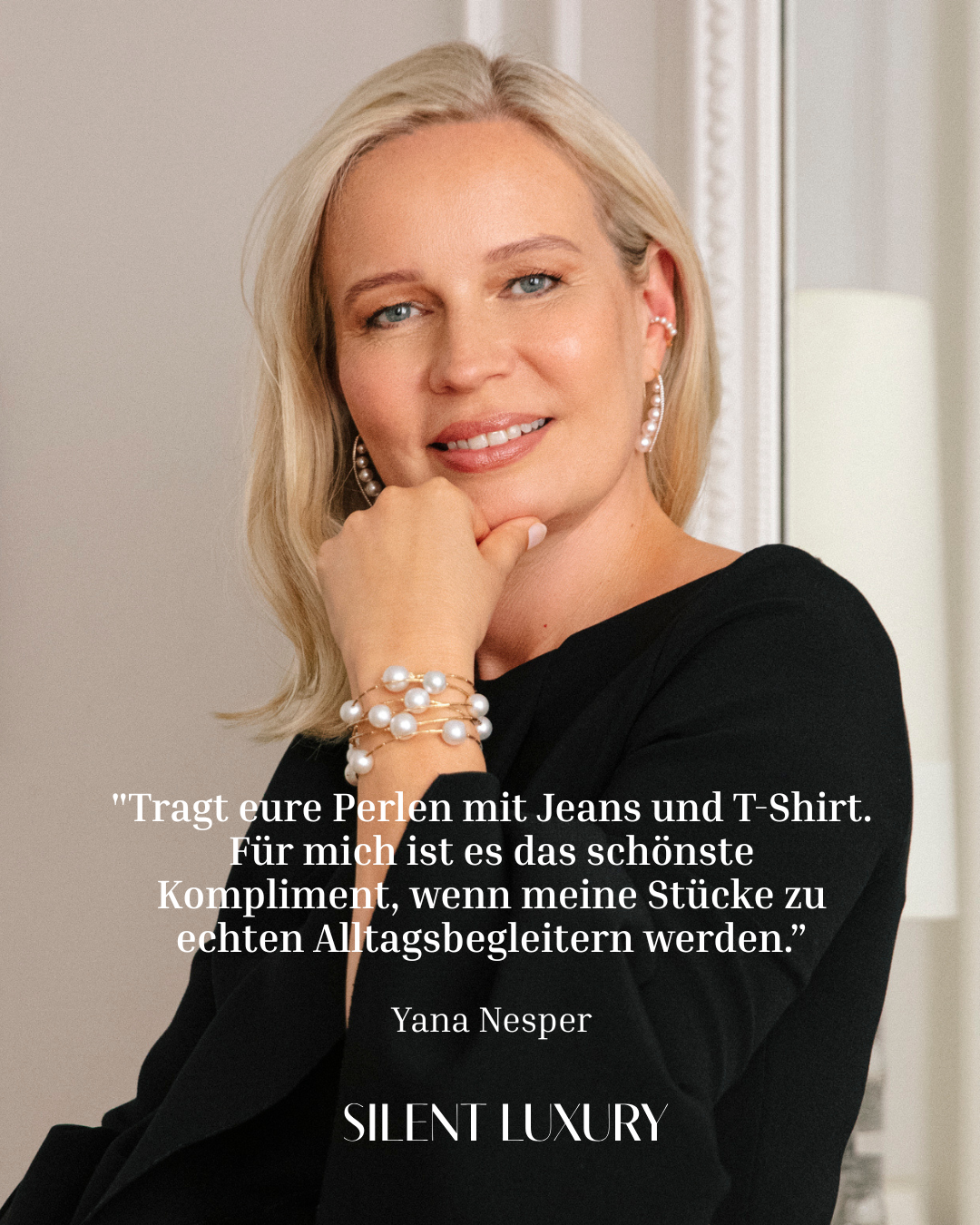
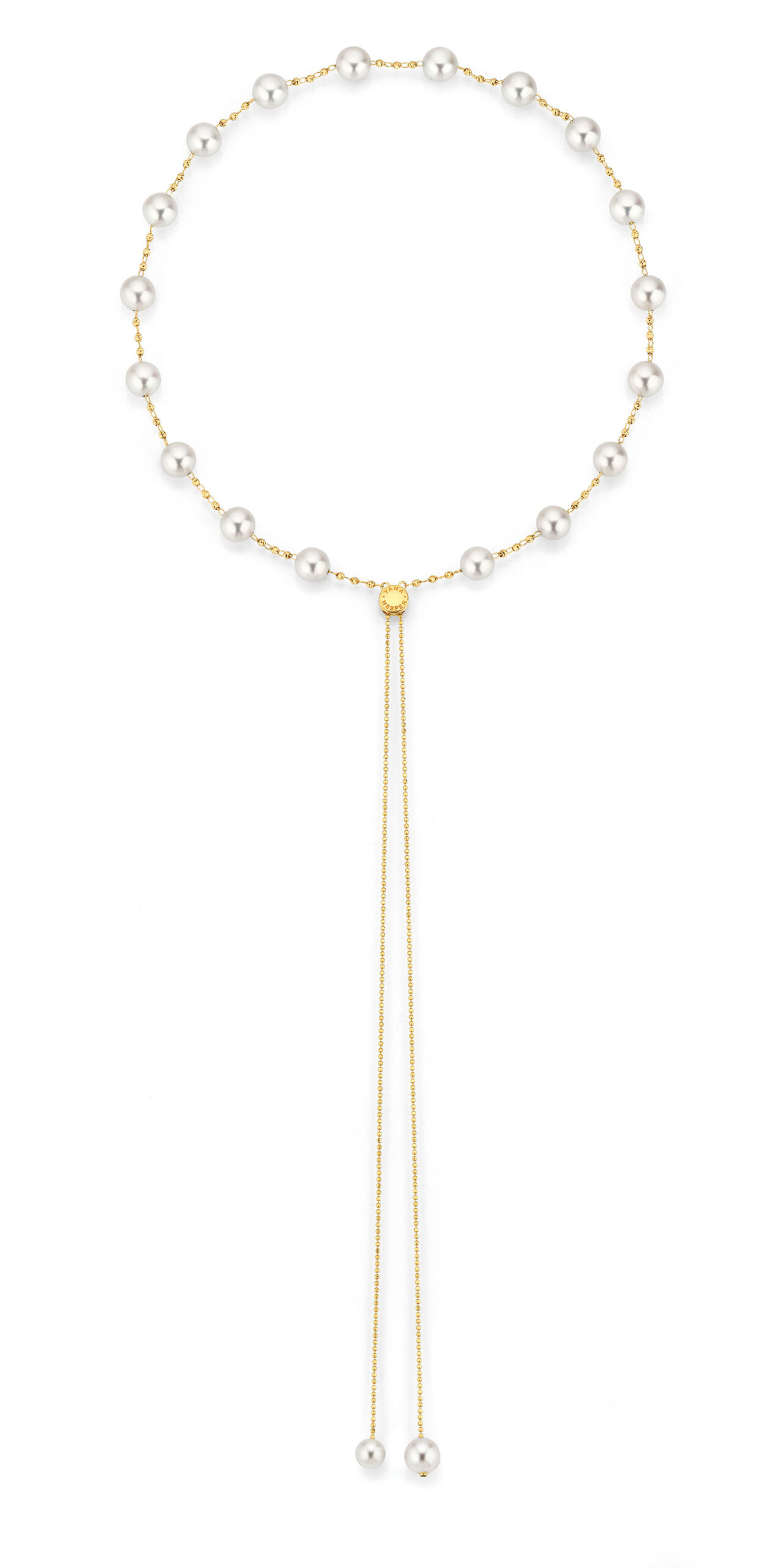
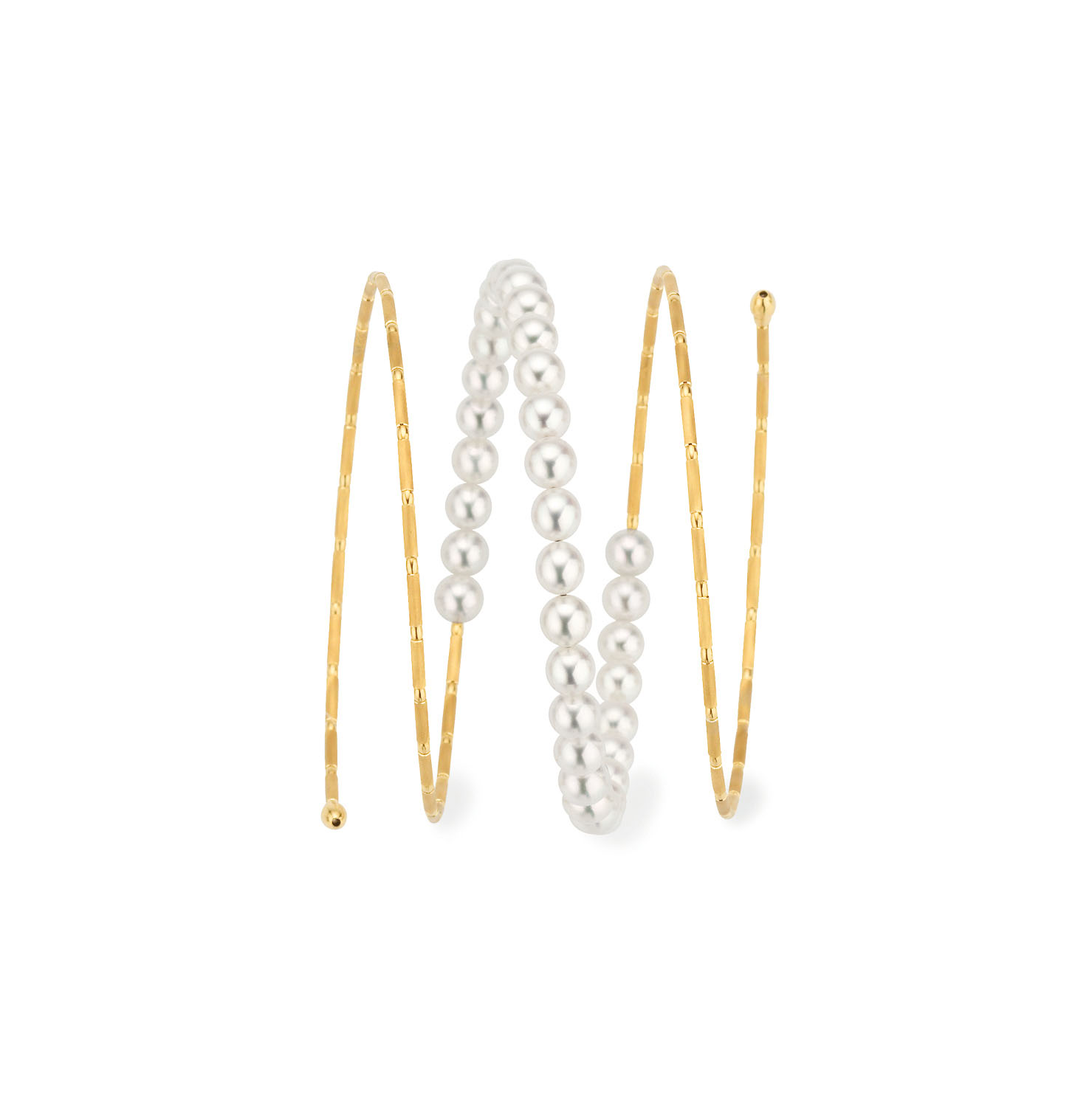
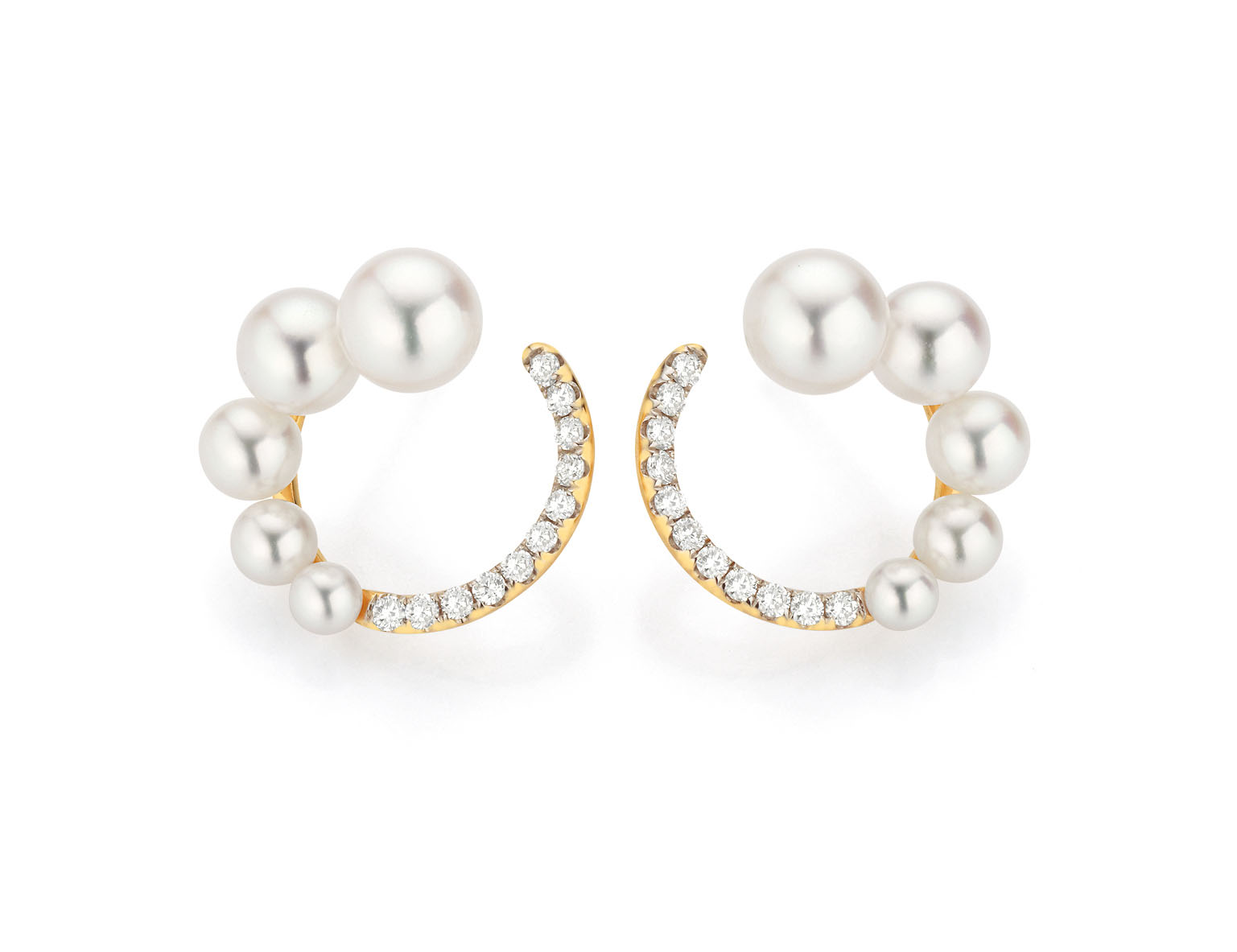
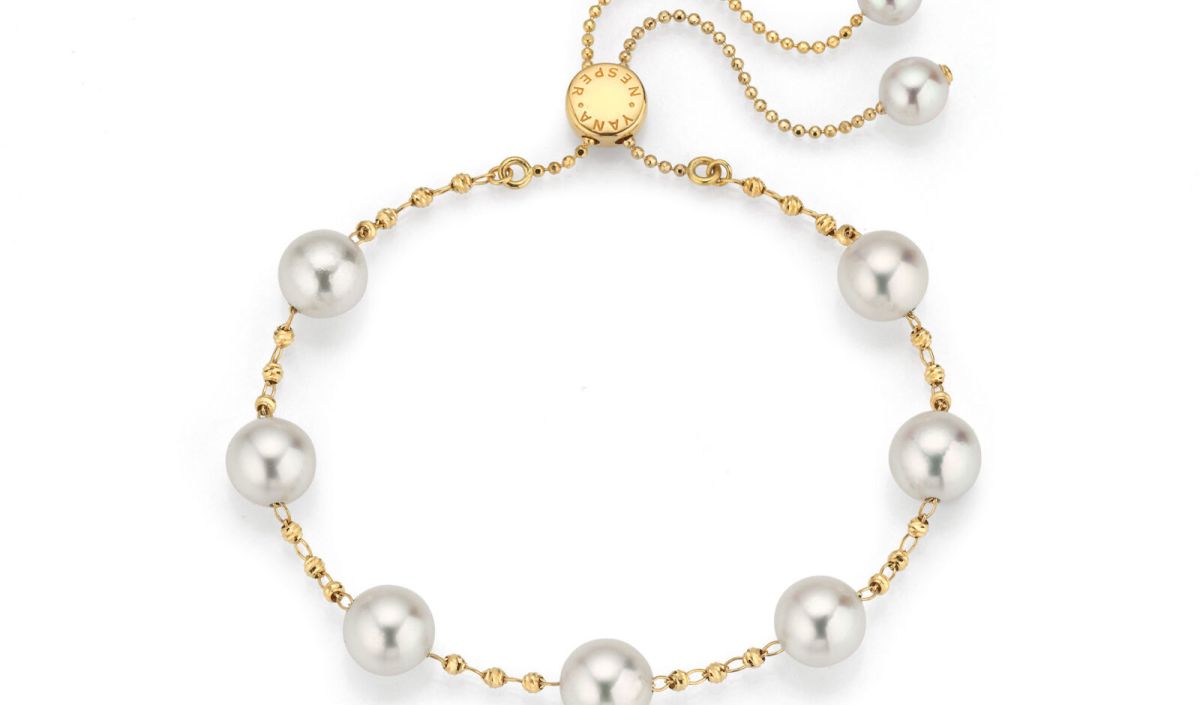
Entdecken Sie Yana Nespers wandelbare Perlen-Designs. Inspiriert von der mühelosen Pariser Eleganz , können die Stücke flexibel getragen werden – ob lässig mit Jeans oder elegant am Abend. Jedes Unikat besticht durch seine hohe Qualität und den tiefen, seidigen Lüster der Zuchtperlen. I Photo: Yana Nesper




Pariser Eleganz als privates Vergnügen: Ein in 18-karätigem Gold gefasster blauer Saphir dient als verborgenes Detail und unsichtbares Markenzeichen. Der elegante Edelstein bereitet der Trägerin jenes private Vergnügen, das aus einem Schmuckstück eine Herzensangelegenheit macht. I Photo: Silvia Markeviciute
Die mühelose Eleganz der Pariserin: Yana Nespers Perlenarmband und Ohrringe als diskretes, aber präsentes Detail. Der Schmuck verbindet Geschichte und Gegenwart und wird zum echten Alltagsbegleiter, der nicht nur zur Gala, sondern auch in intimen Momenten getragen wird. I Photo: Silvia Markeviciute
Accordion
Couture Régénérative is a paradigm shift that actively pursues a positive footprint by restoring and improving ecosystems, moving beyond “doing less harm” (sustainability). It merges the meticulous artistry of Couture (handcraft, individuality) with Régénérative practices (like regenerative agriculture and bio-circular systems), redefining luxury as a profound, ethical commitment built on temporal design and lasting material value.
External Resources:
- BCG: Spinning Textile Waste into Value – Comprehensive study on textile waste and circular economy potential
- Regenerative Organic Alliance – Standards and certification for regenerative agriculture
The current linear fashion model is unsustainable, resulting in approximately $150 billion in raw materials lost annually and low recycling rates (less than 1% of textile waste becomes new fibers). The industry is being forced to adopt regenerative systems to mitigate massive economic losses, reduce environmental damage (like the Atacama Desert waste), and meet the demands of consumers who prioritize verifiable provenance and value permanence.
The framework is built on three interconnected pillars that guide design and consumption: 1. Materials and Earth’s Renewal (e.g., regenerative agriculture, fiber-to-fiber innovation like Evrnu’s Nucycl®), 2. Craftsmanship and Enduring Value (e.g., timeless design, visible repair like Japanese Boro), and 3. Systems and Cultural Intelligence (e.g., radical transparency, Digital Product Passports, and conscious consumer discernment).
Brands demonstrate this philosophy through tangible commitments. Lotta Ludwigson, for example, created the first fully bio-circular women’s pantsuit, ensuring every component (from Corozo buttons to silk) can be traced or recycled. Other labels use Upcycling (Bonnetje), focus on materials from regenerative farms (Patagonia), or prioritize artisanal precision and timeless cuts (Freya Dalsjø, The Garment) to ensure longevity and minimal impact.
The Silent Luxury aesthetic—which values quality over quantity, timeless design, impeccable tailoring, and the eschewing of conspicuous logos—is inherently ethical. By focusing on longevity and impeccable craftsmanship, the aesthetic automatically minimizes the ecological footprint. Couture Régénérative provides the material and philosophical framework that elevates this aesthetic choice to an ethical imperative, proving that true sophistication lies in discernment and conscious taste.
Zitat Lorem ipsum dolor sit amet, consectetur adipiscing elit, sed do eiusmod tempor incididunt ut labore et dolore magna aliqua. Ut enim ad minim veniam, quis nostrud exercitation ullamco laboris nisi ut aliquip ex ea commodo consequat.
Similar Articles
Shein Shares Hit a Record Low as LVMH Falls to a 52-Week Low
Rolex Is Closing the Loop

The Gilded Divide: How Luxury Outran the American Consumer in H1 2026