Copenhagen Fashion Week: Couture Régénérative – The Most Beautiful Form of Longevity
Copenhagen Fashion Week 2025 consolidates its status as a central platform for Scandinavian fashion that places sustainability and conscious innovation at its core. Since its founding in 2006, it has evolved into a global catalyst, encouraging designers to move beyond short-lived trends and instead commit to durable, ethical practices. With a focus on regenerative approaches—from circular economy to cultural depth—CPHFW attracts brands that share this perspective.
THE SILENT LUXURY identifies four brands that exemplify these industry values: Bonnetje with its upcycling artistry, Freya Dalsjø’s craft precision, Rabens Saloner’s eclectic longevity, and The Garment’s timeless sovereignty. Let’s dive directly into the designs.
Bonnetje: Circular Intelligence Through Upcycling
Bonnetje, a Copenhagen-based brand, works with existing materials and transforms them through precise upcycling into new silhouettes. The starting point is often classic men’s suits, which are deconstructed, reassembled, and turned inside out to reveal hidden details like seams, pockets, and linings. This approach connects the past with the new and focuses on the deliberate preservation of existing resources.
The collections are characterized by clean cuts that balance severity and softness. Muted gray tones, navy blue, and black emphasize the textures of recycled fabrics, while asymmetric lines and draping give the material new interpretations. The designs follow a clear design principle: used fabrics are cut, reassembled, and formed into contemporary silhouettes that make the qualities of the original material visible.
Our verdict: Bonnetje proves itself as a pioneer of intelligent circular logic, in which used fabrics are cut, reassembled, and formed into contemporary silhouettes that make the qualities of the original material visible. The collections combine elements from past epochs with new perspectives and create a balance between tradition and contemporary sophistication.
The Architecture of Second Lives
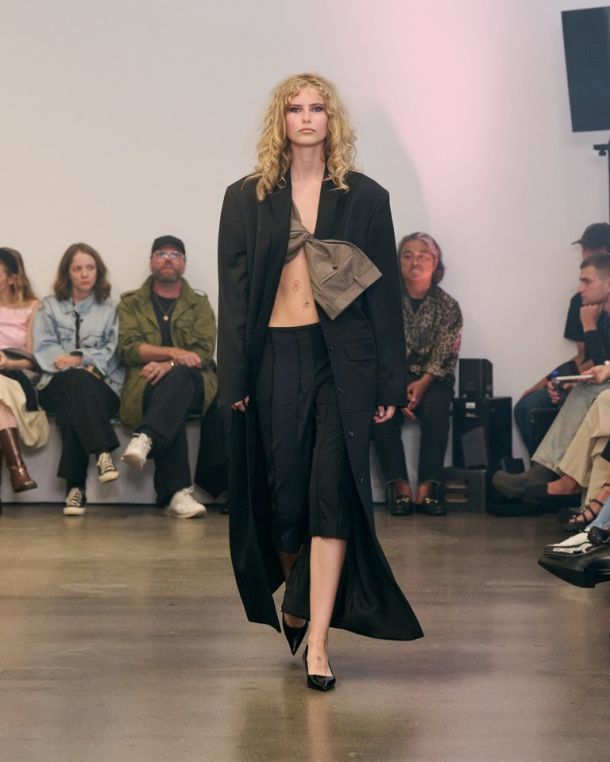
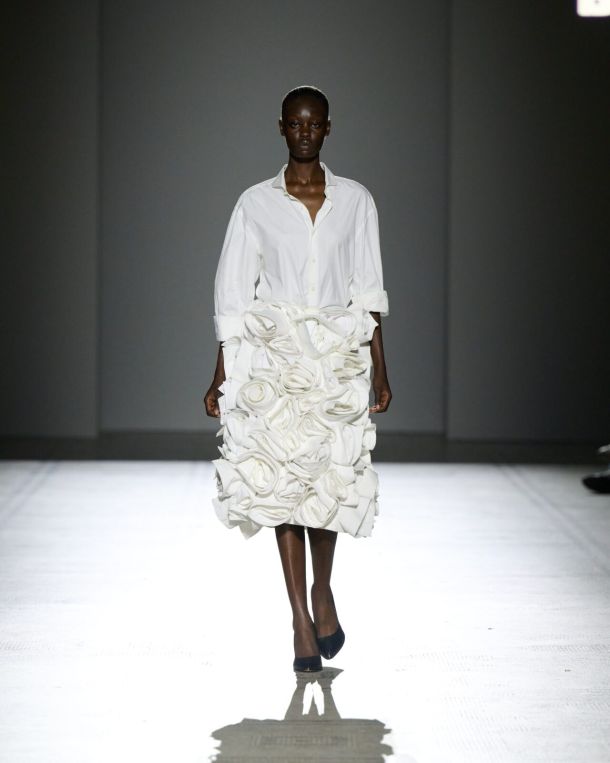
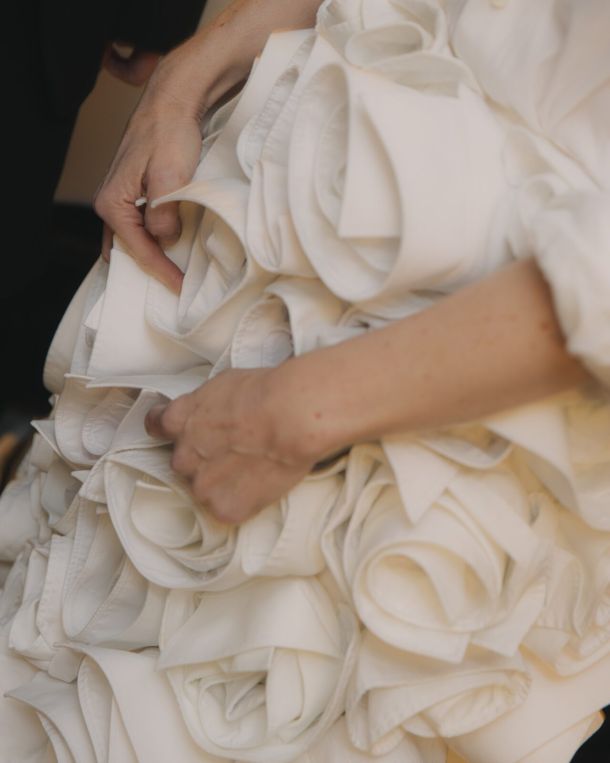
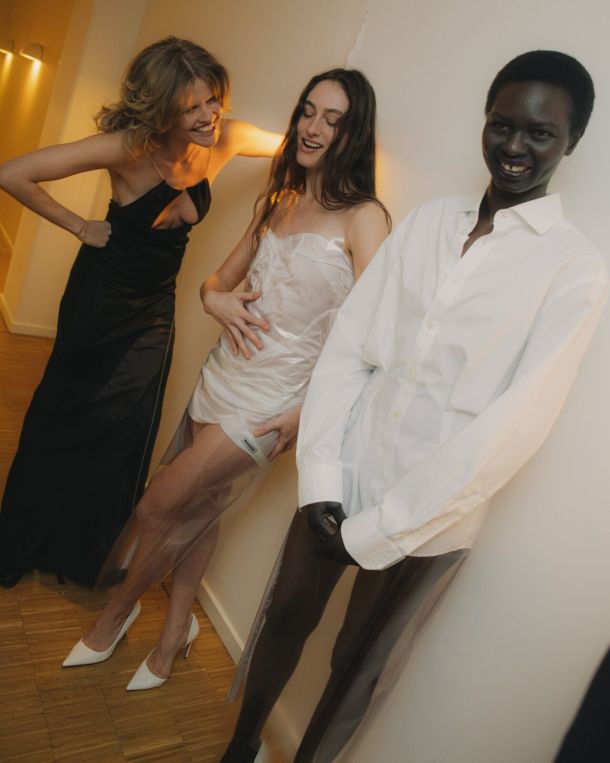
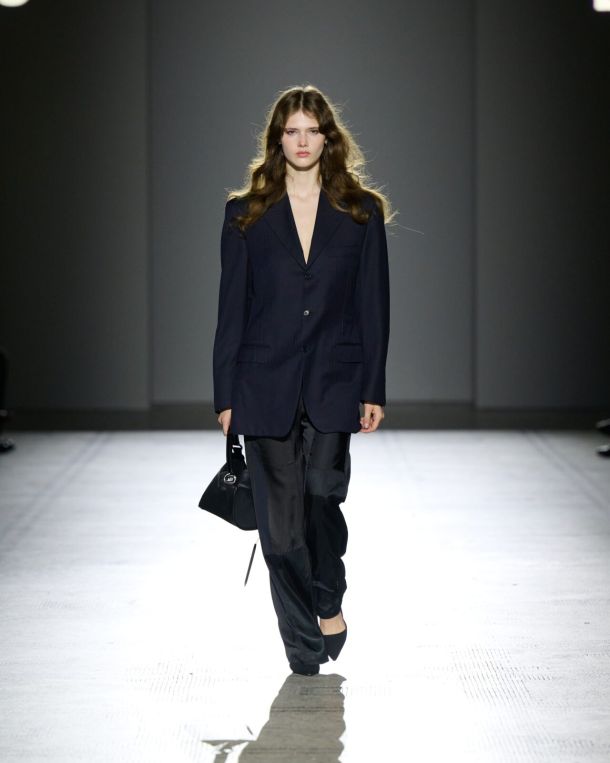
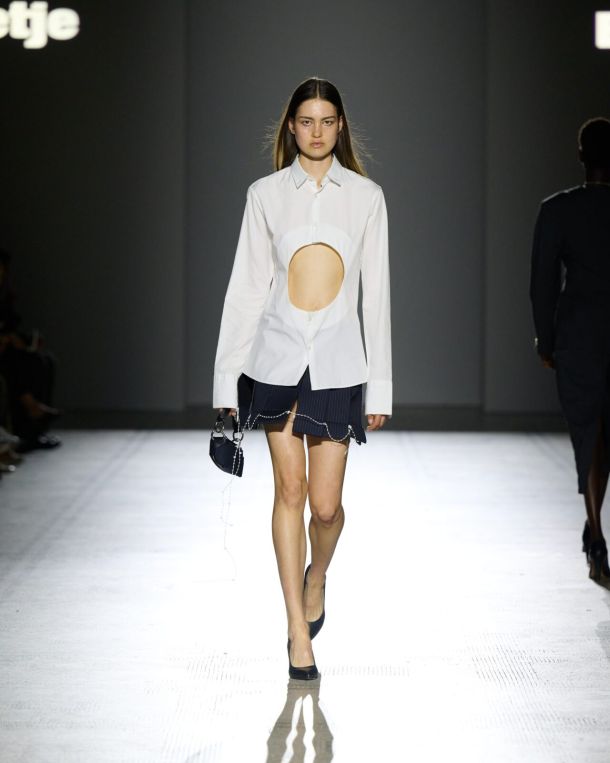
Bonnetje’s upcycling mastery transforms discarded men’s suiting into sculptural meditations on circular intelligence. Classic tailoring is deconstructed, inverted, and reimagined—revealing hidden seams, pocket linings, and construction details that become the new aesthetic. A crisp white shirt pairs with a skirt of swirling fabric roses, each petal a repurposed fragment speaking to meticulous hand manipulation. Sleek black overcoats are split and reconstructed with asymmetric draping, their original structure respected yet radically reinterpreted. Navy blazers meet trousers with deliberately exposed white linings cascading through slits—inside becomes outside, hidden becomes statement. Taupe suiting showcases the precision of deconstruction: tailored jackets retain their sharp shoulders while trousers reveal interior construction through strategic openings. This is regenerative design at its most sophisticated—where waste becomes luxury through craft, where discarded materials are elevated through thoughtful intervention, and where each garment carries the memory of its previous life while boldly inhabiting its new form. Bonnetje proves that circular fashion need not compromise on elegance; rather, constraint becomes creative catalyst, limitation becomes liberation. | Photo: James Cochrane
Freya Dalsjø: Culturally Embedded in Craft Precision
Freya Dalsjø, the Copenhagen label led by Freya Dalsjø, Karis Dalsjø, and Mikkel Schou, is deeply rooted in Scandinavian aesthetics, where precise craftsmanship and material knowledge form the core. Only natural materials of the highest quality are processed, such as wool, cashmere, silk, leather, and silver. The designs combine traditional processing techniques with contemporary cuts, creating a tangible heritage of cultural depth.
The silhouettes unfold sculpturally, inspired by the raw beauty of Nordic landscapes. Flowing folds recall fjords, silver accents capture the clear, cool light. Wool coats with draped sections unite the soft feel of cashmere with the structural firmness of leather. This design approach is also visible in light silk blouses: avant-garde cuts meet delicate patterns that subtly reference folklore without becoming decorative.
Our verdict: Freya Dalsjø’s work is a thoughtful dialogue with materials, where sustainability is anchored in every design. The collections build bridges between epochs, connecting traditional processing techniques with contemporary forms and anchoring cultural identity in a global era. Each piece displays a precision reflected in the selection of materials, processing, and constructive execution.
Nordic Landscapes Translated into Material Poetry
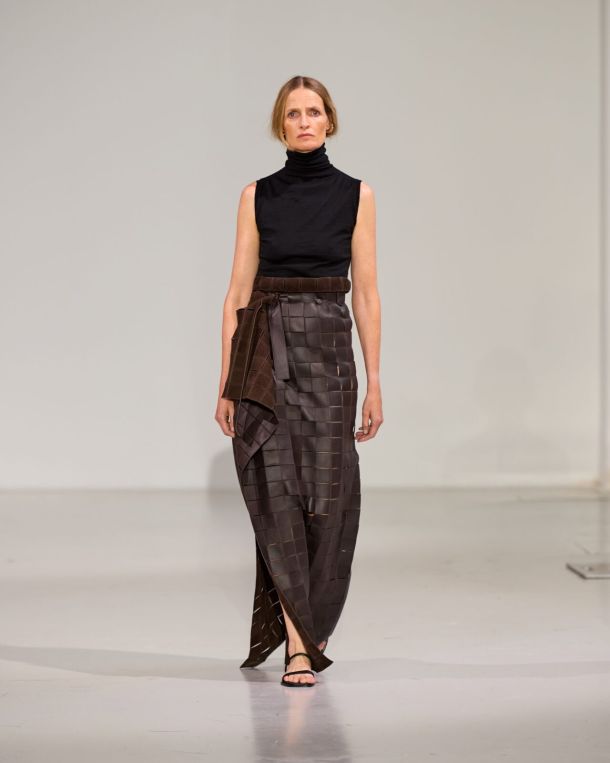
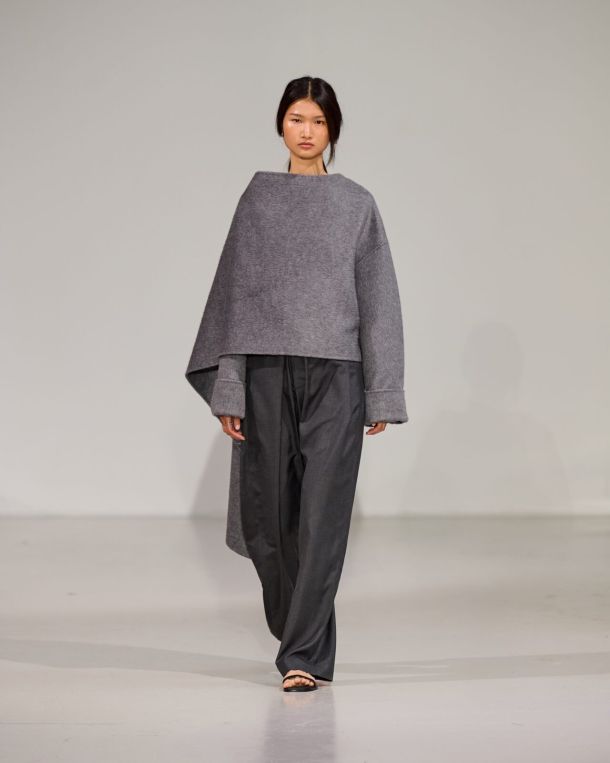
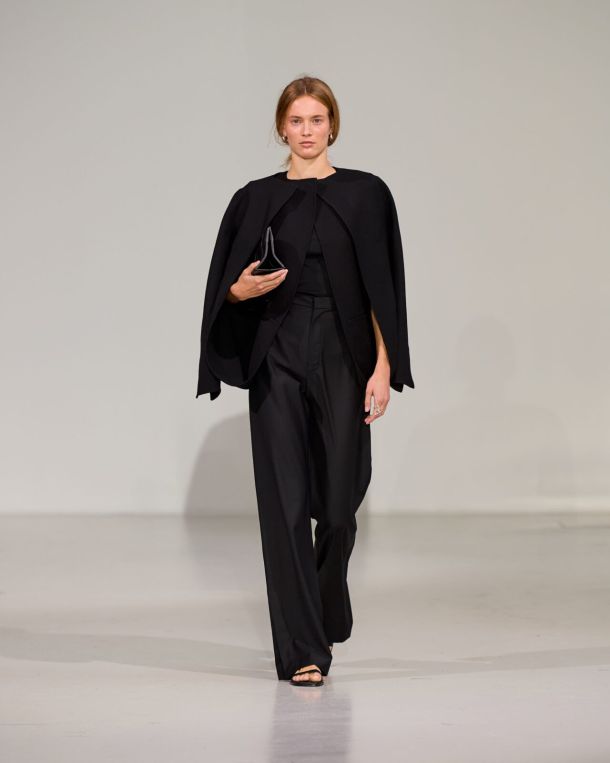
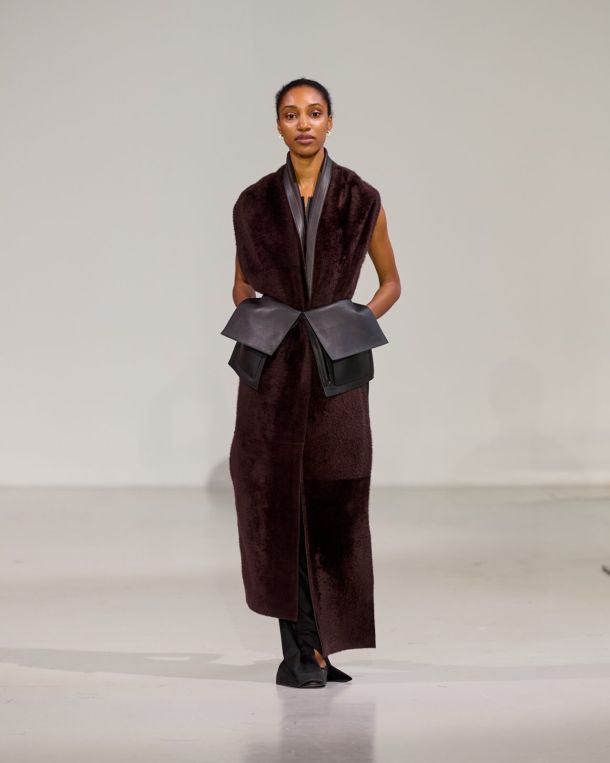
Freya Dalsjø’s SS26 collection channels the raw beauty of Scandinavian terrain into sculptural garments where material knowledge becomes design philosophy. Deep burgundy shearling meets architectural leather accents—the plush warmth of Nordic winters contrasted against structural precision, creating a vest-coat hybrid that wraps the body like protective landscape. Oversized grey cashmere unfolds with asymmetric hemlines over flowing silk trousers, embodying the tension between softness and strength inherent in fjord-carved geology. Monochromatic black ensembles demonstrate tailoring discipline: a cape jacket with origami-like folds moves like wind across water, paired with wide-leg trousers that pool elegantly. Then comes the finale—a sleeveless black turtleneck anchors a basket-woven leather skirt whose interlaced strips cascade in architectural complexity, each square meticulously constructed to create fluid movement from rigid material. This is craft as cultural inheritance: wool, cashmere, silk, leather, and silver processed through techniques passed across generations, yet worn with contemporary ease. Freya Dalsjø, alongside Karis Dalsjø and Mikkel Schou, prove that sustainability embedded in every stitch creates luxury that transcends trend—garments designed not for seasons but for lifetimes, where quality reveals itself in perfect seam placement, thoughtful proportion, and materials chosen for their ability to age with dignity. | Photo: James Cochrane
Rabens Saloner: Long-Term Thinking in Eclectic Elegance
Rabens Saloner, founded in 2007 by Creative Director Birgitte Raben, combines modernity and traditional craftsmanship into an ongoing conversation that originates in Copenhagen and Bali—a place where Raben lives and works for half the year. The brand unites adventurous eclecticism with sensual rock ‘n’ roll energy and commits to long-term thinking through natural dyeing, wearable forms, and materials that mature over time.
The collections appear casual and contemporary. Flowing dresses in earthy tones with vibrant color accents weave Balinese craftsmanship with Scandinavian simplicity. Plant-based dyeing methods create nuances that fade gently, giving the pieces dignified aging. Asymmetric silk skirts and cashmere pullovers with handcrafted details create a balance between sensuality and everyday practicality. This philosophy focuses on fair production and designs that live alongside you. Colors develop patina, forms adapt, and each piece carries traces of its individual journey.
Our verdict: Rabens Saloner unites Balinese craftsmanship with Scandinavian clarity into a durable aesthetic that gains character over time. The collections emerge from fair production processes, rely on plant-based dyeing and cuts whose proportions and color effects endure even after years. Each piece thus carries the claim to persist beyond trends.
Eclectic Longevity Between Copenhagen and Bali
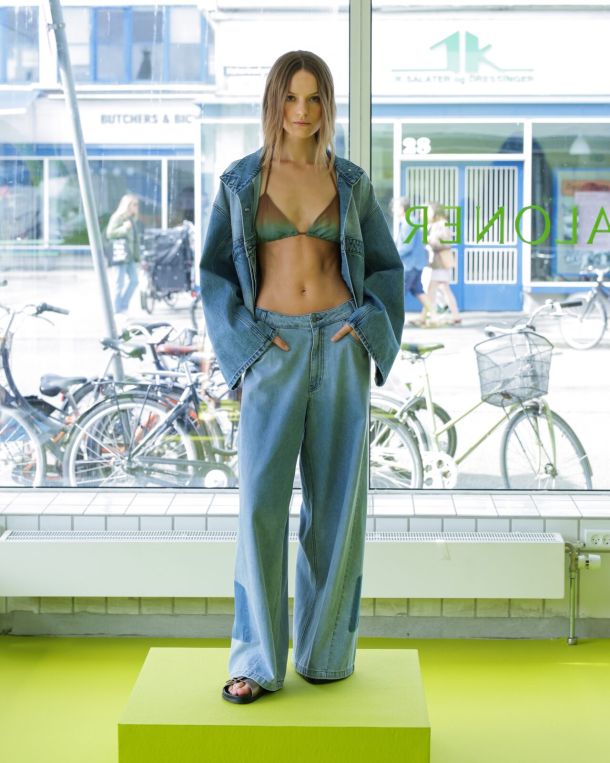
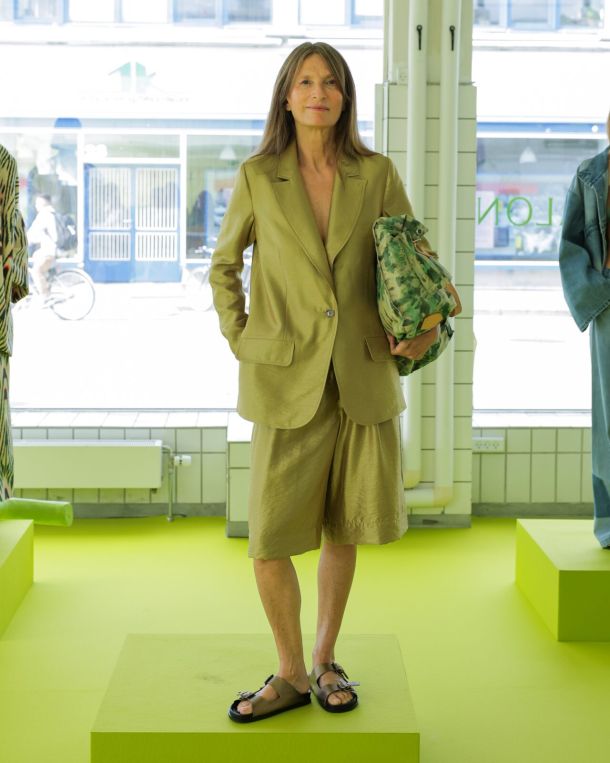
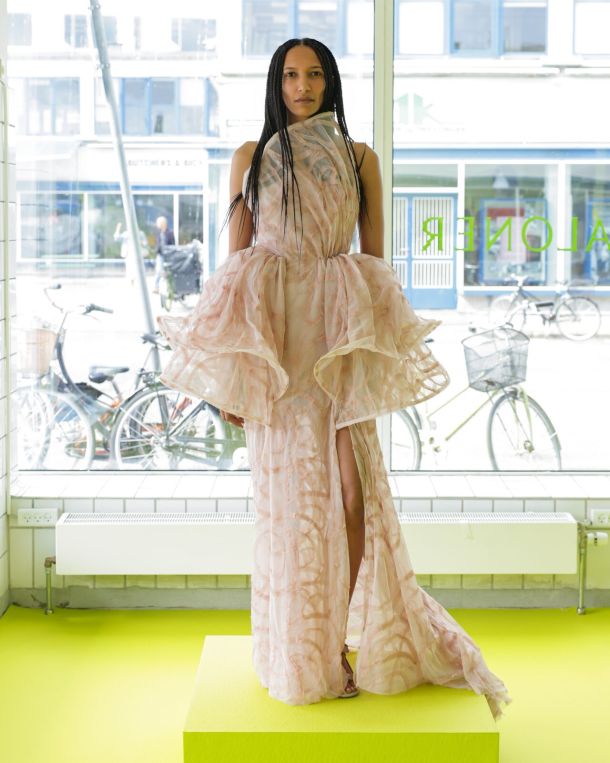
Birgitte Raben’s SS26 collection pulses with adventurous eclecticism rooted in dual geographies—Scandinavian clarity meeting Balinese sensuality in garments designed to age gracefully. Relaxed denim paired with a forest-green bralette and matching jacket channels effortless Copenhagen cool against bicycle-lined streets, the casualness deliberate rather than careless. A chartreuse linen suit speaks to plant-based dyeing methods that will fade beautifully over years, the tie-dye botanical bag echoing Balinese craft traditions. Then comes theatrical romance: a blush organza gown with exaggerated ruffled sleeves and trailing hemline proves that longevity need not mean minimalism—this piece celebrates handcrafted maximalism through delicate tie-dye patterns that whisper rather than shout. The collection’s philosophy crystallizes in garments that refuse disposability: flowing silks in earthy tones with vibrant accents, asymmetric cuts that adapt to bodies over time, and natural dyes that create patina rather than deterioration. Raben splits her year between Copenhagen and Bali, and this cultural cross-pollination produces designs with rock ‘n’ roll energy tempered by mindful production—fair wages, regenerative materials, and silhouettes whose proportions remain relevant across seasons. This is fashion that lives alongside you, gaining character through wear, where fading colors become evidence of shared history rather than obsolescence. | Photo: James Cochrane
The Garment: Quiet Language in Timeless Design
The Garment, established since 2020, dedicates itself to craftsmanship that culminates in flawless knitwear and precise tailoring. The brand creates silhouettes that radiate sovereign restraint and combine clarity and minimalism in harmonious color worlds into a quiet, confident language.
The designs unfold in clean lines. Knit pullovers in neutral tones convince through perfect fits, coats find harmony in their contours. Details like seamless transitions and high-quality yarns bring functionality to the forefront, while subtle contrasts exist between classic and modern. Monochrome looks emphasize textures and invite engagement with the essential.
Our verdict: The Garment stands for a quiet, timeless formal language that relies on flawless processing and precise cuts. The collections emerge from high-quality yarns and carefully selected fabrics, whose quality becomes visible in fit, seam guidance, and proportions. Each piece is designed to preserve its form and aesthetic over years.
The Quiet Confidence of Timeless Precision
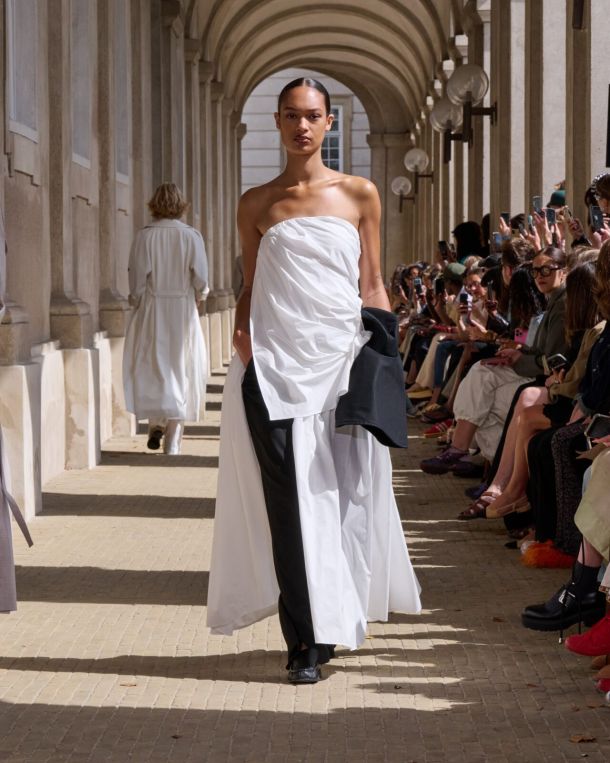
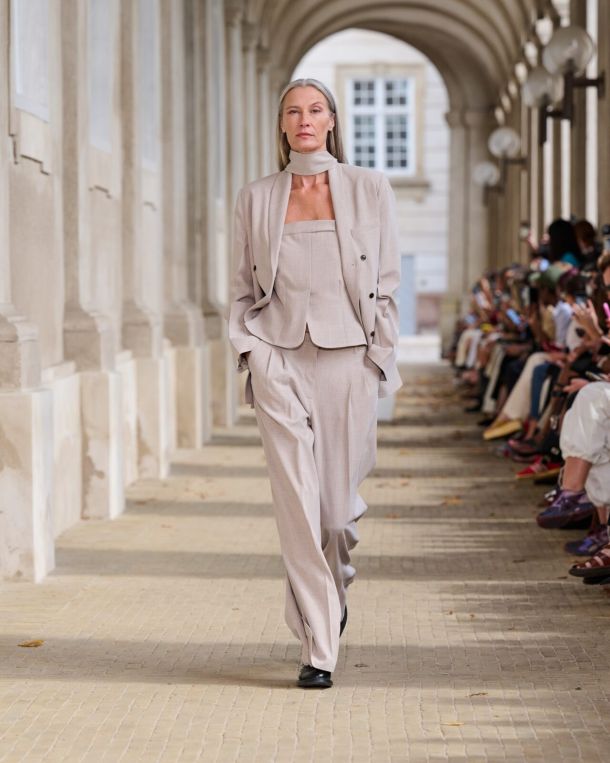
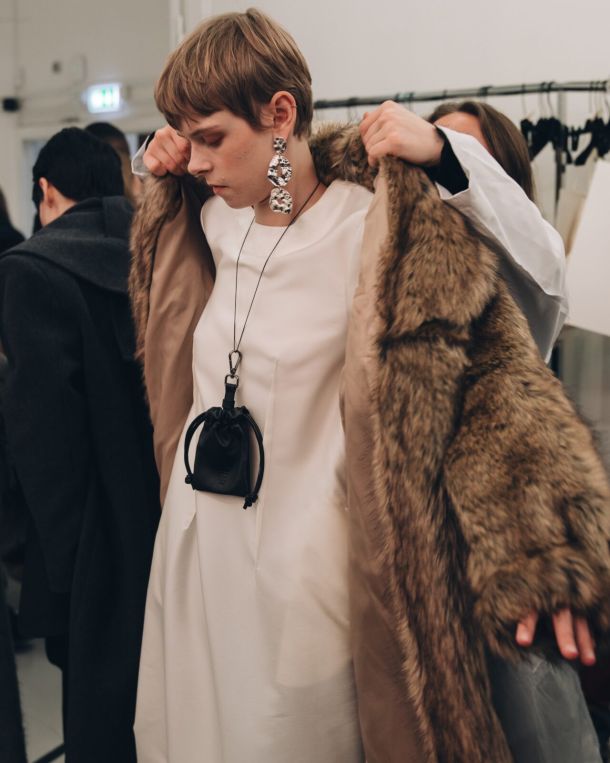
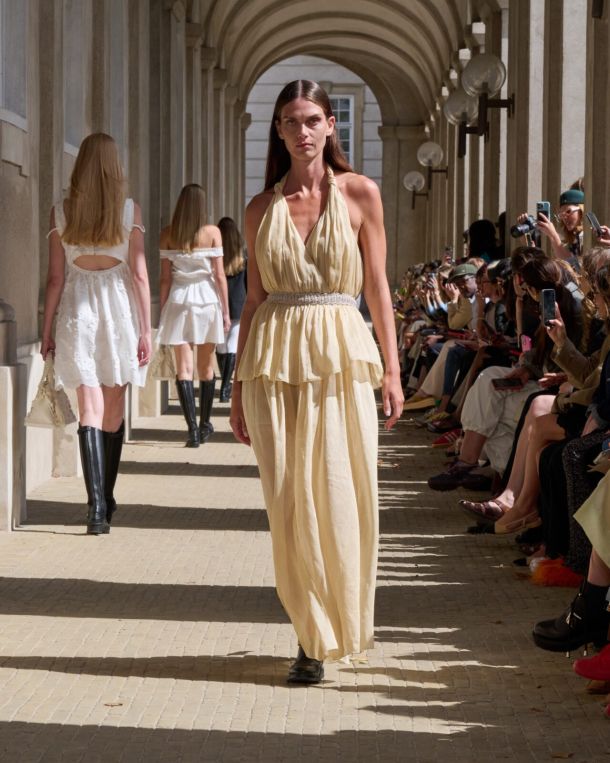
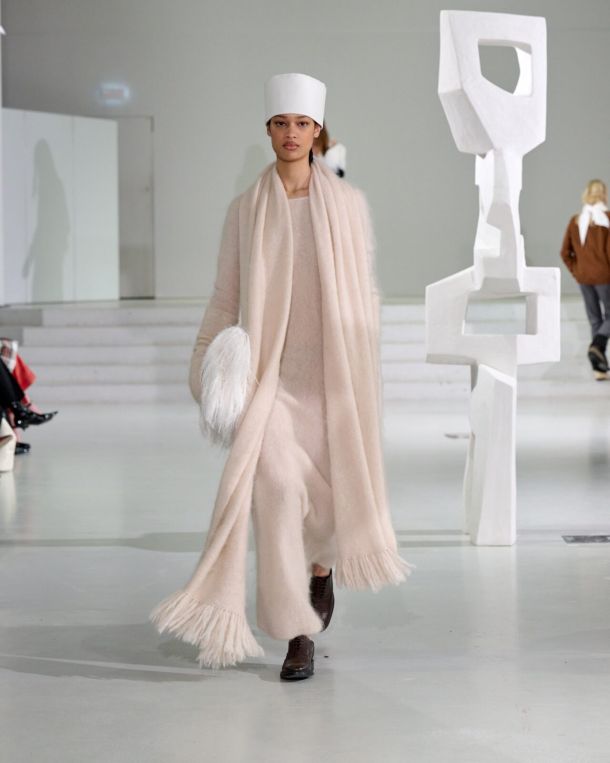
The Garment’s SS26 collection speaks in whispers beneath Copenhagen’s grand neoclassical arches—a testament to sovereign restraint where flawless execution replaces embellishment. Models line up in monochromatic harmony: whites, creams, blacks, and the palest stone creating a meditation on essential form. A butter-yellow halter gown with tiered peplum demonstrates that minimalism need not mean severity—the draped waistline with metallic belt suggests classical Greek sculpture reimagined through contemporary lens. Stark white cotton wraps the body strapless, paired with black trousers in deliberate contrast, while a designer’s joy radiates behind the scenes—proof that timeless design can spark genuine emotion. The collection’s soul reveals itself in impeccable linen suiting: dove-grey three-piece ensembles with collarless jackets, wide-leg trousers with perfect breaks, and seamless transitions between pieces. Every stitch placement matters, every proportion calculated for bodies that change over decades. Founded in 2020, The Garment dedicates itself to craftsmanship that culminates in knitwear perfection and tailoring precision—high-quality yarns, carefully selected fabrics, fits that convince through architecture rather than trend. This is fashion stripped to essence: no logos, no excess, no seasonal obsolescence. Just garments designed to preserve form and aesthetic across years, worn by women of all ages with equal authority, speaking a quiet, confident language that refuses to shout yet commands absolute attention. | Photo: James Cochrane
Conceived from Copenhagen: Impulses for a New Permanence
In Copenhagen’s light-filled halls, Fashion Week 2025 shows a clear orientation toward regenerative fashion. Brands like Bonnetje, Freya Dalsjø, Rabens Saloner, and The Garment place upcycling, natural materials, and durable forms at the forefront of their work, making them a recognizable leitmotif of Scandinavian fashion. This approach strengthens the region’s position as a catalyst in a global development.
The Danish fashion market moves in a volume of around 10–15 billion euros. Exports contribute 5–7 percent to EU fashion trade. Forecasts anticipate growth of 20–30 percent in regenerative segments for the period through 2025, driven by a clientele that understands quality as a decisive criterion. Copenhagen Fashion Week embraces “Sustainability 2.0,” a megatrend that places active renewal rather than mere preservation at the center, thereby increasing brand awareness and international visibility.
This creates an image of fashion that not only reflects seasonal currents but provides a clear developmental direction. The connection of design quality, material consciousness, and cultural embedding creates a foundation on which the sector can grow stably—in Scandinavia and beyond.
The Essence: A Cycle of Beauty
Copenhagen Fashion Week reminds us that the most beautiful form of longevity is a fashion system that gives back more than it takes. The essence of this movement is Couture Régénérative—a commitment to an aesthetic that honors the past while securing the future through mindful creation. It is the living feeling of wearing a garment that is part of a greater, restorative harmony.
It is defined as a holistic approach where design serves the ecosystem. It is not just about reducing harm, but about creating a positive impact. This involves using regenerative fibers and designing for emotional and physical durability. It is the art of making fashion a restorative force for both nature and society.
Longevity is the antithesis of the disposable. In the context of Couture Régénérative, it means a garment is crafted to be cherished for decades. This is achieved through superior material quality and a timeless aesthetic. When a piece is built to last, it honors the energy and resources invested in its creation.
Quiet Luxury at Copenhagen Fashion Week is the excellence of the meaningful. It focuses on details that are deeply felt—like the texture of hand-woven regenerative wool. It is a luxury of substance, where the value lies in the integrity of the cycle and the profound connection between the wearer and the planet.
Similar Articles

Armani Without Giorgio: The House Opens a New Chapter
Savile Row: One Block of Mayfair, Two Centuries of Bespoke Tailoring

The Caliber of the Deep: Blancpain and the Ocean Photographer of the Year 2026