
Paris Declaration: France and Botswana Reserve “Diamond” for Natural Stones
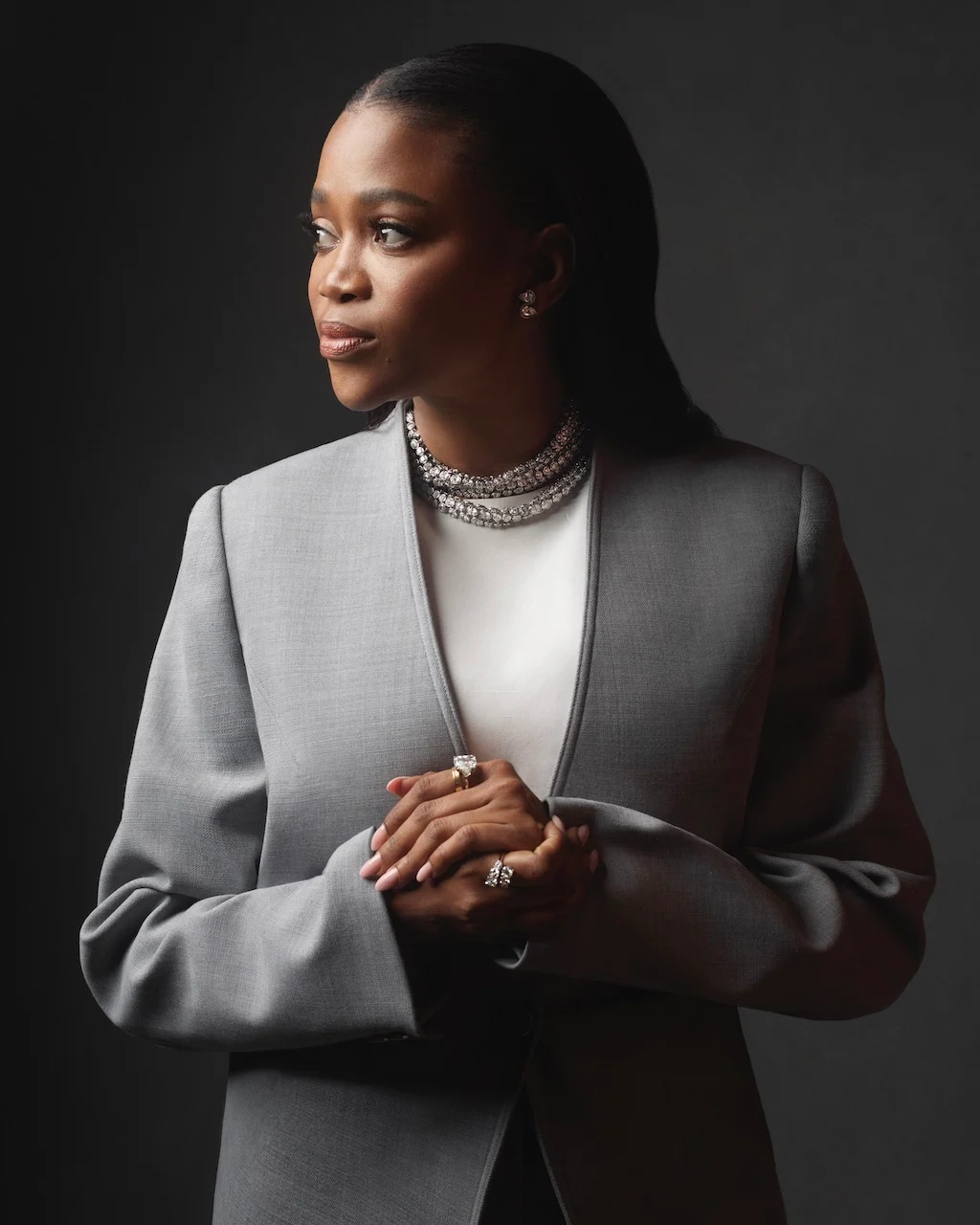
France and Botswana signed the Paris Declaration on Natural Diamonds at the Paris Peace Forum on 10 November, and with it the two governments agree that the word “diamond” belongs to the stone formed in the earth. Bogolo Joy Kenewendo, Botswana’s minister of minerals and energy, signed for Gaborone, and Nicolas Forissier, France’s minister delegate for foreign trade, signed for Paris. A stone grown in a laboratory can still be sold as long as it carries a qualifier such as “synthetic”.
Botswana announced the signing at home first. In his State of the Nation address in Gaborone on 9 November, President Duma Boko said “lab-grown” should give way to “synthetic” and that his minister would travel to Paris to sign. Al Cook, the chief executive of De Beers, was in the audience when Boko accused the company of letting demand for natural diamonds fade.
● In brief
The text. The declaration calls for “clear, accurate and consistent terminology” and links the word to the natural stone. Both governments commit to responsible and transparent sourcing through the Kimberley Process, to standards for workers’ rights, health and safety, and to respect for the communities around the mines. A joint working group of states and companies will oversee how the declaration is applied, and the first of its annual progress reports is due in 2027.
The law. France already applies the rule. In French shops an unqualified “diamond” is a natural stone, while “synthetic diamond” remains a legal description. The jewellery trade moved the same way in September, when CIBJO, the World Jewellery Confederation, confirmed “synthetic” as the term for man-made stones in its Blue Books, the guides the trade works from.
The other side. The makers of laboratory diamonds have answered sharply. The Diamond Producers Council, a coalition led by Diamond Foundry, called CIBJO’s recommendation “biased and deceptive” on 20 October and described Boko’s speech as “biased and wrong”.
The year. Botswana signed in the year it marks sixty years of independence, which is also the sixtieth year of its diplomatic relations with France.
● Why it matters
For Botswana, the word is a matter of state revenue. Diamonds made up a quarter of its GDP and 80 per cent of its exports in 2023. According to The Diamond Collective, the former Natural Diamond Council, about 80 per cent of a natural diamond’s value stays in its country of origin, where it pays for roads, clinics and schools. In the same speech that announced the signing, Boko confirmed that Botswana wants to double its De Beers stake to 30 per cent. Botswana is increasing its stake in De Beers while it defends the name of the natural stone in Paris.
Producers are under pressure. Alrosa, the Russian miner, reported a first-half loss of 9.5 billion roubles, its first in six years, and halted mining at several sites. Producers, the trade’s own confederation and a G7 government now use the same vocabulary, and what a diamond may be called is now a question for governments.
The working group decides the next step. France and Botswana have invited other states and companies along the value chain to join. Angola stood with Botswana as early as September, when its president said a diamond is only a diamond when it is natural. The first progress report, in 2027, will show how many countries have joined France and Botswana.
Send this to someone who is choosing a diamond.
Sources
- The Diamond Collective, statement on the Paris Declaration on Natural Diamonds: thediamondcollective.world
- Paris Peace Forum: parispeaceforum.org
- CIBJO, The World Jewellery Confederation: cibjo.org
- Government of Botswana: gov.bw