
Burberry After Q3 2026: A Recovery Built on the Coat
Burberry’s recovery is being carried by the coat that made its name. In the six months to 26 September 2026, which include the third calendar quarter, the British house lifted revenue by 6 per cent to £1.1 billion, and comparable retail sales rose 4 per cent, its fifth consecutive quarter of growth. Outerwear grew at a double-digit rate, and adjusted operating profit more than tripled to £62 million.
● In brief
The coat. Outerwear, helped by rainwear, grew at a double-digit rate, and womenswear, menswear, childrenswear and accessories all grew with it. Leather goods gathered pace in the second quarter. Wholesale revenue rose 17 per cent, and online sales grew in the mid-teens.
The customers. Comparable sales rose 12 per cent in the Americas, where growth came primarily from local customers, 7 per cent in Greater China and 3 per cent in Asia Pacific. Europe, the Middle East, India and Africa fell 2 per cent. Burberry pointed to fewer tourists and weaker traffic, above all in its outlets, and Joshua Schulman, the chief executive, said more Chinese and Middle Eastern customers were shopping closer to home.
The money. Adjusted operating profit rose to £62 million from £19 million, lifting the margin to 5.7 per cent from 1.9 per cent. On a reported basis, Burberry made an operating profit of £54 million, against a loss of £18 million a year earlier. It built up stock ahead of the festive season, leaving a free cash outflow of £147 million, and declared no interim dividend.
The board. Gerry Murphy steps down as chairman with these results. His successor is William Jackson, the founder of the private equity firm Bridgepoint.

Swipe for more →
● Why it matters
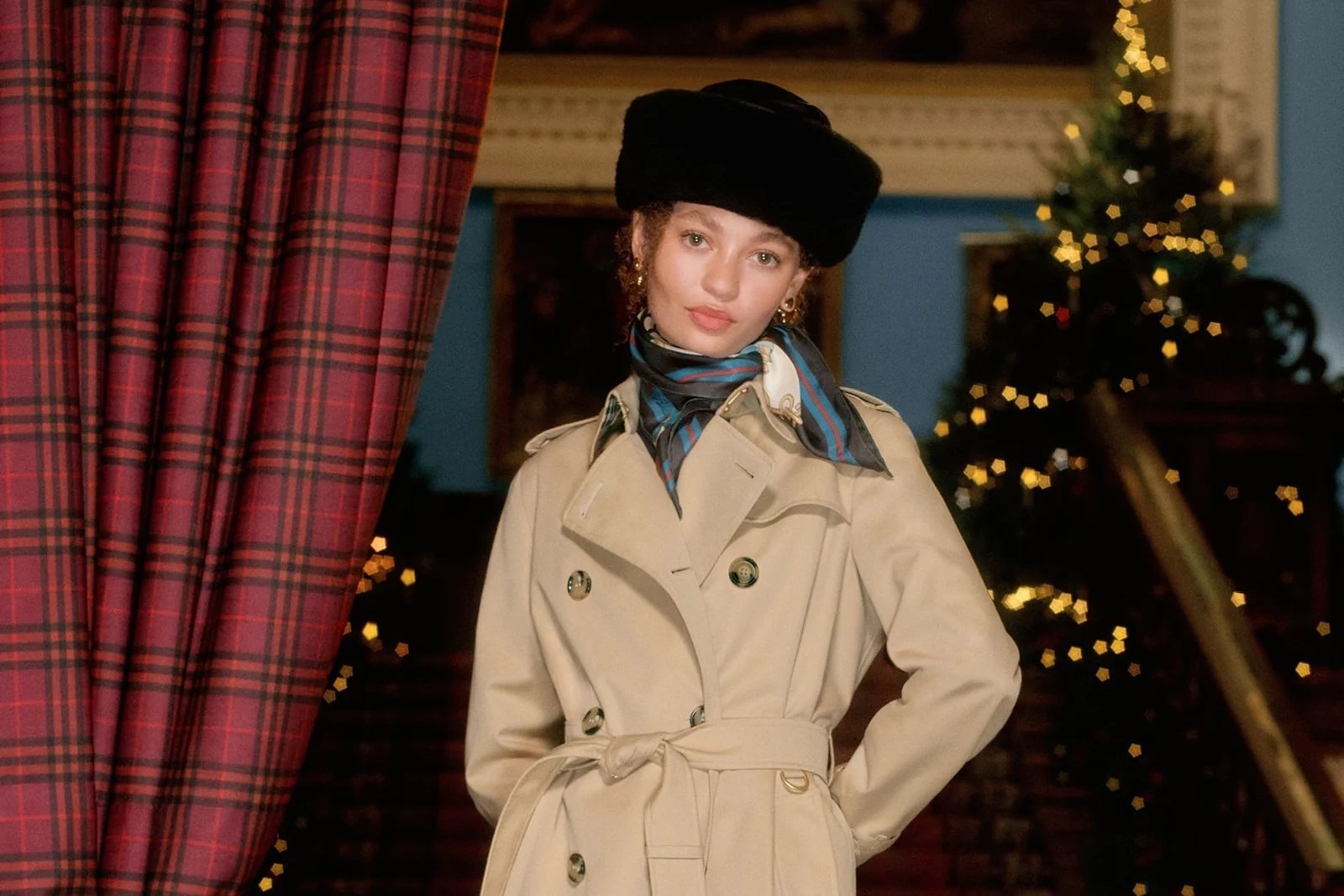
Burberry is rebuilding itself around the trench coat, and the half year shows that the bet is paying off. When Schulman took over two years ago, the company traced its slump partly to a lack of focus on outerwear. His Burberry Forward strategy put coats and scarves back at the centre. Five quarters later, the coat leads the growth and the rest of the wardrobe follows. “Today, our brand and our business are stronger,” Schulman said.
The figures also show where its clients now buy. Burberry grew where people shop at home, in the Americas and Greater China, and shrank where it depended on travellers. Richemont, which reported a day later, saw the same split: Japan and the Americas carried its growth, while tourist spending in the Middle East fell.
The recovery is real, but it is still thin. A margin of 5.7 per cent is low for a luxury house, the cash went into stock for Christmas, and shareholders received no dividend. Burberry gave no figures for the full year, saying only that it expects further progress in revenue and margins while the outlook stays uncertain. It also has a new shareholder watching: Frasers Group, Mike Ashley’s retailer, built a stake in Burberry this autumn.
Send this to someone with a Burberry trench at the back of the wardrobe.
 Continue · The reading
Who Owns Puma and Hugo Boss Now: Germany’s Brands Shift to Retailers and Brand Builders
Retailers and brand builders now own Germany’s best-known fashion names.
Read on →
Sources
- Burberry Group plc, Interim results for the 26 weeks ended 26 September 2026, 12 November 2026
- Burberry, H1 FY27 results call, transcript, 12 November 2026
- Burberry Group plc, Annual Report 2025/26