
Richemont After Q3 2026: A Jewellery Group With Watches Attached
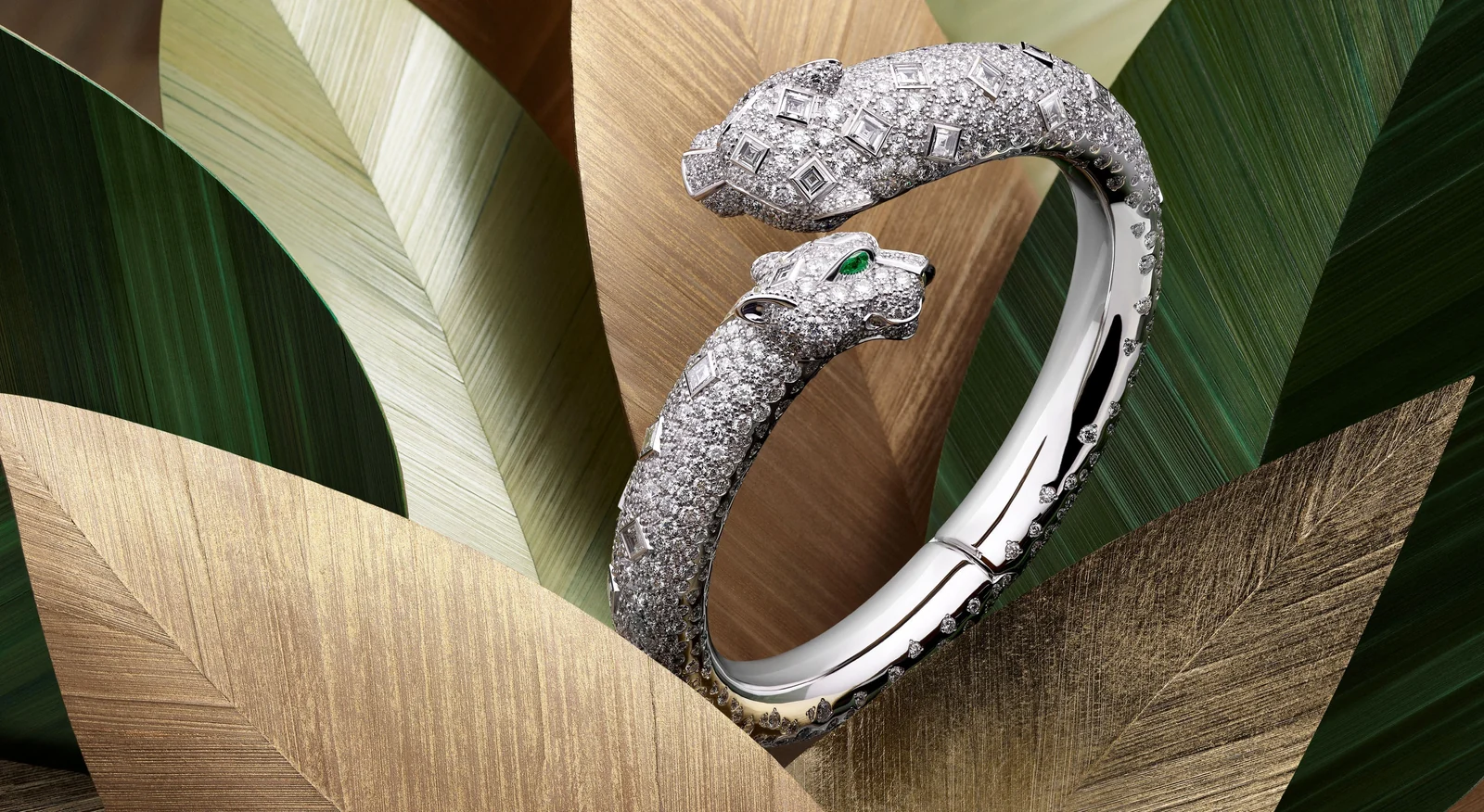
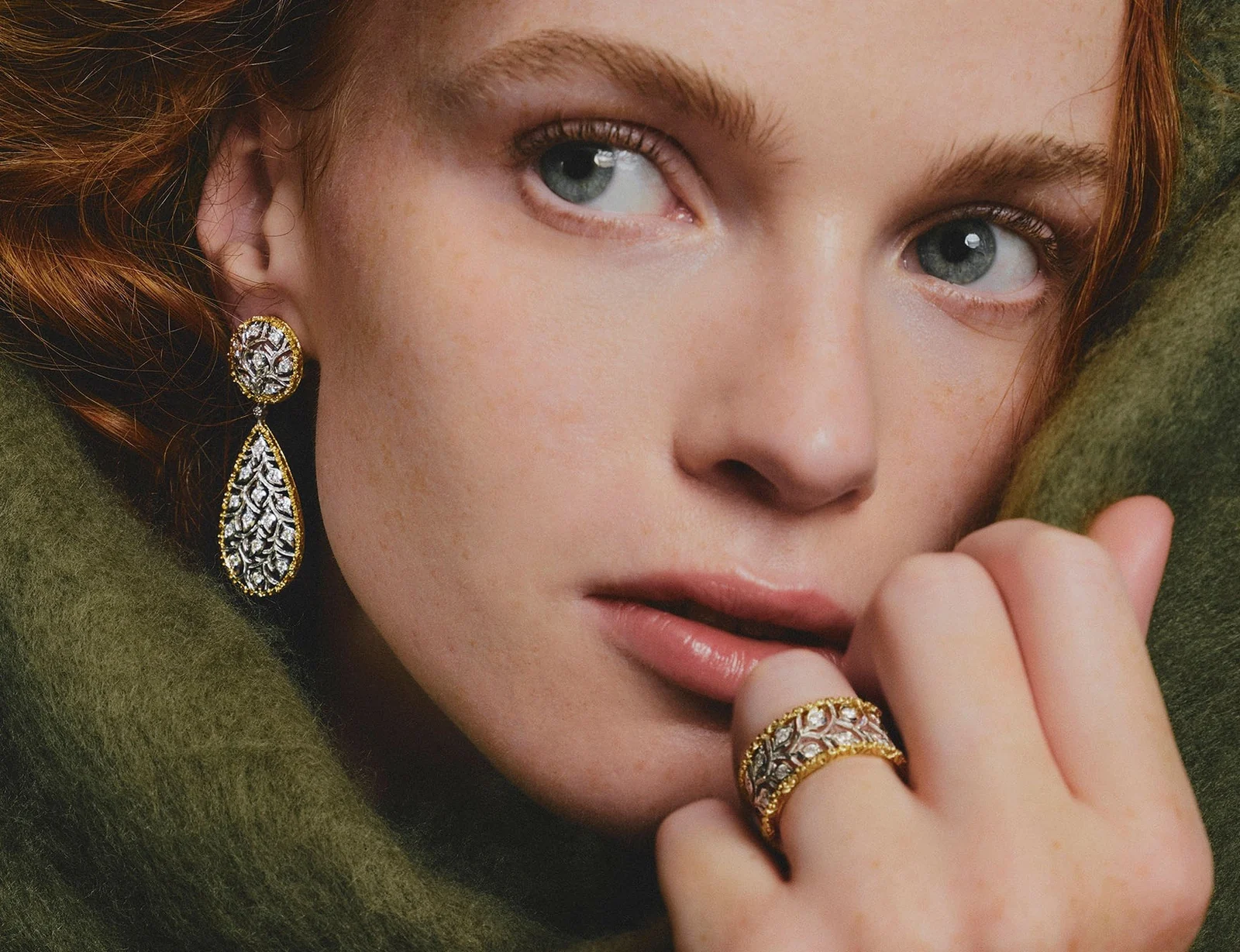
Richemont has become a jewellery group with a watch business attached. In the six months to the end of September 2026, which include the third calendar quarter, the owner of Cartier lifted sales by 17 per cent at constant exchange rates. Its jewellery houses, Cartier, Van Cleef & Arpels, Buccellati and Vhernier, now bring in about three quarters of the group’s revenue. They earned more than twenty times the operating profit of the specialist watchmakers.
● In brief
The gold. Gold became more expensive, and the jewellers passed the cost on. “Increased production costs, largely due to higher raw material prices (notably gold), were mostly offset by the combined effect of price increases over the past year and a positive sales mix,” Richemont said, adding that the Jewellery Maisons “preserved their disciplined approach to pricing”. Customers kept buying.
The customers. Sales in Japan rose 30 per cent at constant exchange rates, and the Americas grew strongly too. In the Middle East, “tourist spend was materially affected by the conflict in the region”. Mainland China stayed soft. Sales across China, Hong Kong and Macau rose only modestly in the second quarter, even as Vhernier opened its first boutiques in China.
The watches. Vacheron Constantin, Jaeger-LeCoultre and A. Lange & Söhne grew, and the watchmakers tripled their operating profit from a low base.
The deal. The only transaction in the half year was the sale of Richemont’s stake in the travel retailer Avolta.
Swipe for more →
● Why it matters
Richemont’s future is being decided in its jewellery workshops. Its jewellery houses earn the group’s money, and in this half year they showed that they can pass the rising price of gold on to their clients and keep them. That strength sharpens the question The Silent Luxury raised in October, when Cartier’s owner was linked to De Beers: whether a group that lives off gold and stones will want to own the place they come from. The half year leaves it open. The announcement does not mention De Beers, diamonds or a consortium.
The figures also show where these clients now buy. Japan and the Americas carried the growth, while the conflict cut into tourist spending in the Middle East and mainland China held back. Burberry, which reported a day earlier, saw the same pattern: its growth in the Americas came primarily from local customers, while its European outlets lost tourists.
The result also flatters the group. One-off tariff effects lifted the margin, and excluding them, the gross margin fell. The watchmakers are recovering, but from so low a base that they remain a sideline, at a time when the watch brands are making fewer watches and moving into resale. Johann Rupert, the chairman, offered no forecast. “Whilst we cannot predict what lies ahead,” he wrote, “we expect the macroeconomic and geopolitical environment to remain volatile for the foreseeable future.”
Send this to someone who still thinks of Richemont as a watch company.
 Continue · The reading
The Counter Becomes a Vault: What Japan’s Jewellery Record Actually Measures
Japanese households are buying gold jewellery while the yen sinks.
Read on →
Sources
- Richemont, Richemont posts strong results for the six-month period ended 30 September 2026, press release, 13 November 2026
- Richemont, Ad hoc announcement pursuant to Art. 53 LR: FY27 interim results (PDF), 13 November 2026