
Prato Takes Its Recycled Wool to Brussels, and Looks to Portugal and Catalonia for Allies
Prato’s textile district has asked the European Union to treat its recycling industry as industrial policy, not as waste management. A delegation from the district’s Tavolo del Distretto took that position to Brussels this month, ahead of the European Commission’s planned Circular Economy Act. The table speaks for the city, employers’ and artisans’ associations, the CGIL, CISL and UIL unions, the utility Plures and the research centre Next Technology Tecnotessile.
In brief
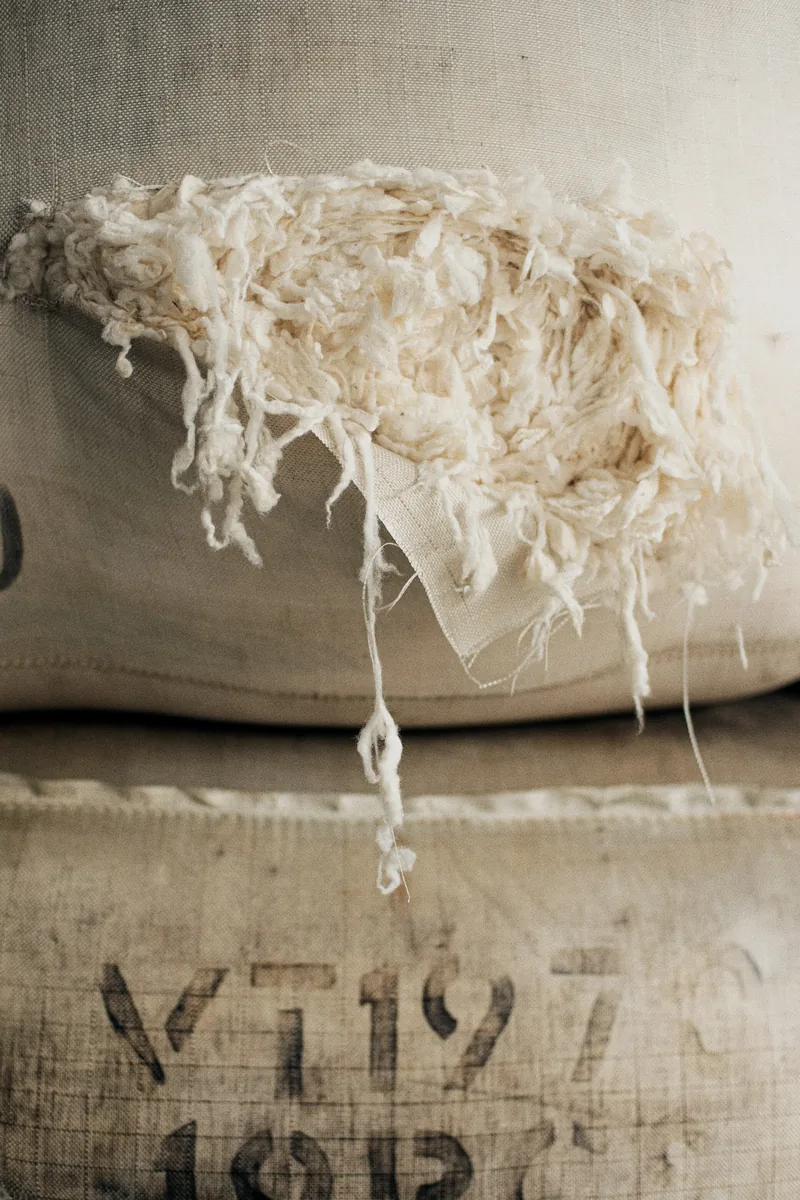
The demand. The district wants mechanical recycling recognised in EU law. Fraying and carding used cloth into new fibre is how Prato has recycled wool since the early nineteenth century, and its members also want a working market for secondary raw materials. “Standing still means having already lost,” Mayor Matteo Biffoni said, according to TV Prato.
The alliance. Prato has opened talks with textile regions in Catalonia and Portugal on joint positions for Brussels. The district wants to build a network of European textile regions that speak with one voice in the EU legislative process.
The projects. Plures is building a €30 million Textile Hub that will sort 33,000 tonnes of textile waste a year using near-infrared scanning and artificial intelligence. Producers of Cardato Riciclato Pratese, the district’s recycled carded wool, are seeking protected geographical indication status. If granted, the district says, it would be the first non-food product to hold an EU geographical indication. The supply chain employs more than 5,000 people.
Next steps. The district plans to present its position paper to Italy’s Ministry of Enterprises and Made in Italy in Rome. The longer horizon is Italy’s presidency of the Council of the EU, from January to June 2028.
Why it matters
Recognition would put a value on what recycling saves. Recycled fibres still cost more than virgin ones, the International Wool Textile Organisation told The Silent Luxury, and current footprint methods do not score circularity. “The difference is missing from the debate because it is missing from the measurement,” the organisation said.
The timing gives the district a window. The European Commission plans to adopt the Circular Economy Act in the third quarter of 2026, according to the district’s roadmap, and the EU’s producer responsibility rules for textiles take effect in stages from June 2027 and April 2028. Prato wants a common position with Catalonia and Portugal in place before those rules are written in detail.
Protected origin would give reused material a value of its own. A geographical indication would let buyers trace a recycled fibre to a place and a method, much as they trace a wine to its region. That is the principle behind Couture Régénérative: value that grows through use and repair.
Send this to someone who still thinks recycled means second best.
Sources
- TV Prato: Missione a Bruxelles, Prato chiede nuove regole che valorizzino le filiere del riciclo (20 October 2026)
- La Nazione: Cardato Riciclato Pratese, Brussels and the IGP application (14 October 2026)
- International Wool Textile Organisation, written answers to The Silent Luxury, October 2026
- IWTO: The Green Book