
The Met Restores a Tiffany Drawing: A Conservatory Designed for Havana
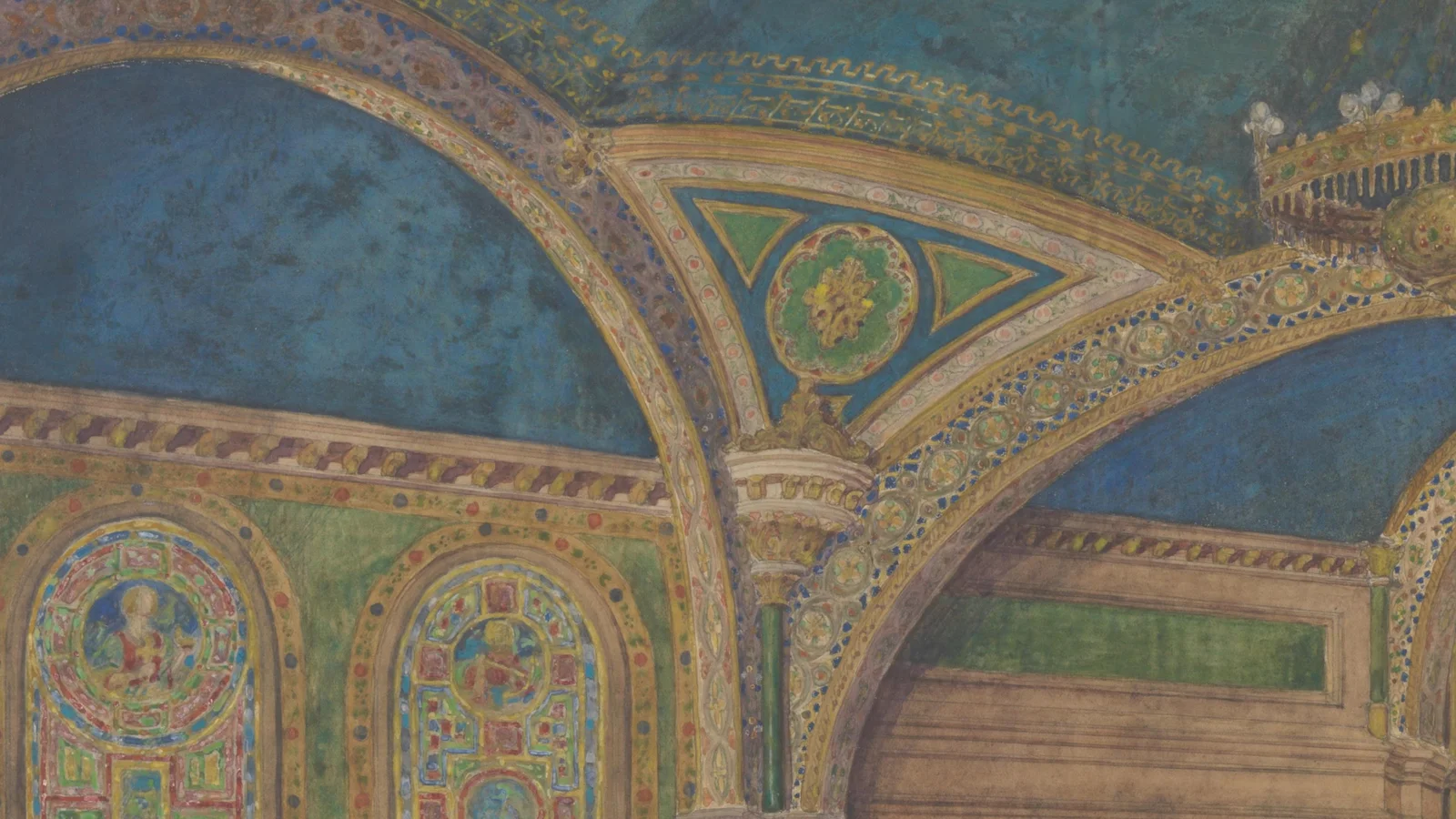
The Metropolitan Museum of Art published a 15-minute film on 14 October showing how its paper conservators saved a damaged watercolour from Tiffany Studios, made around 1915–16 and recently identified as a design for a conservatory at the residence of Josefina de Mesa in Havana.
The sheet is one of nearly 400 Tiffany design drawings in the museum’s collection, most of which arrived in 1967 already damaged. The treatment has turned a stained sheet back into the record of a room designed for a client in Cuba more than a century ago.
In brief
The film. The film, part of the Met’s Conservation Stories series, follows Marina Ruiz Molina, a conservator in the Department of Paper Conservation, and Alice Cooney Frelinghuysen, the Anthony W. and Lulu C. Wang Curator in the American Wing. It was produced and directed by Ann Collins, with Lucas Groth as cinematographer and editor.
The drawing. The sheet, Design for a Conservatory, Josefina de Mesa Residence, Havana, Cuba, is executed in transparent and opaque watercolour, ink and graphite and is attributed to Louis C. Tiffany, with the individual designer unidentified. The Met also holds a second sheet showing fixtures for the same conservatory, and both entered the collection in 1967 as a museum purchase.
The archive. Tiffany Studios produced thousands, and possibly tens of thousands, of design drawings between the late 19th and early 20th centuries, and most of them have been lost. The drawings the Met acquired in 1967 had already suffered from water, mould, dirt and acidic paper, which is why many of them require treatment before they can be studied or shown.
Why it matters
Design drawings record what a studio proposed to its clients, often for rooms that have since changed or disappeared. The identification of the Havana conservatory links the sheet to a named client and a city, information that the condition of the paper had obscured.
For a museum, conservation of this kind preserves an object and recovers knowledge at the same time. As more of the damaged sheets are treated, the collection can show where Tiffany Studios worked and for whom, well beyond the windows and lamps by which the studio is known today.
Send this to someone who loves the stories behind objects.
Sources: The Metropolitan Museum of Art, Conservation Stories: Conserving Tiffany’s Gilded Age Drawings (14 October 2026); The Metropolitan Museum of Art, collection records 67.654.115 and 67.654.29; The Metropolitan Museum of Art, Designing the Gilded Age: Drawings from the Studios of Louis C. Tiffany, press release (28 July 2026).