Future of Luxury

LVMH

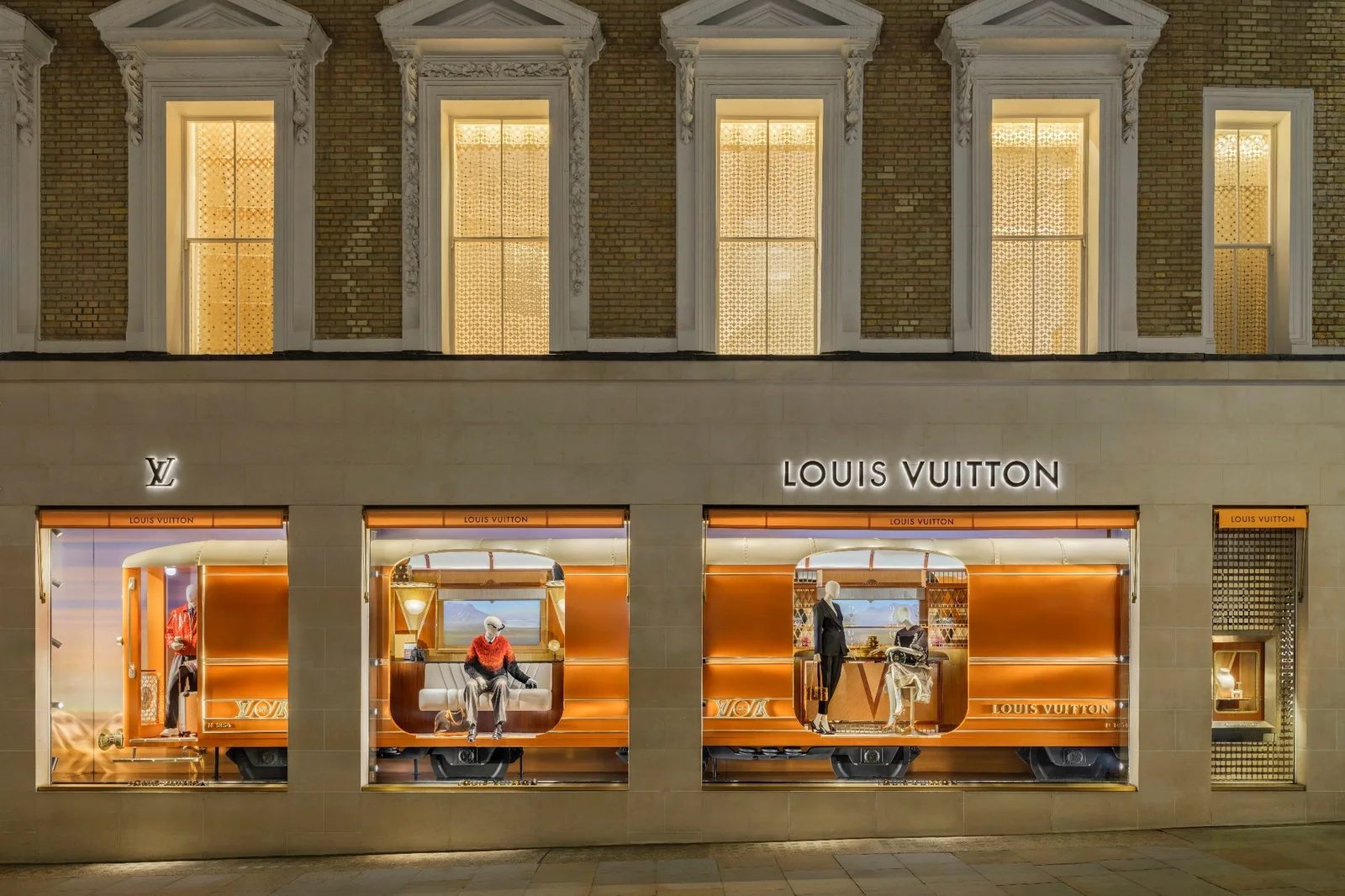
Evening view of a Louis Vuitton store, its illuminated windows framed in copper below a brick façade.
Louis Vuitton, the largest house of the group. Courtesy of LVMH

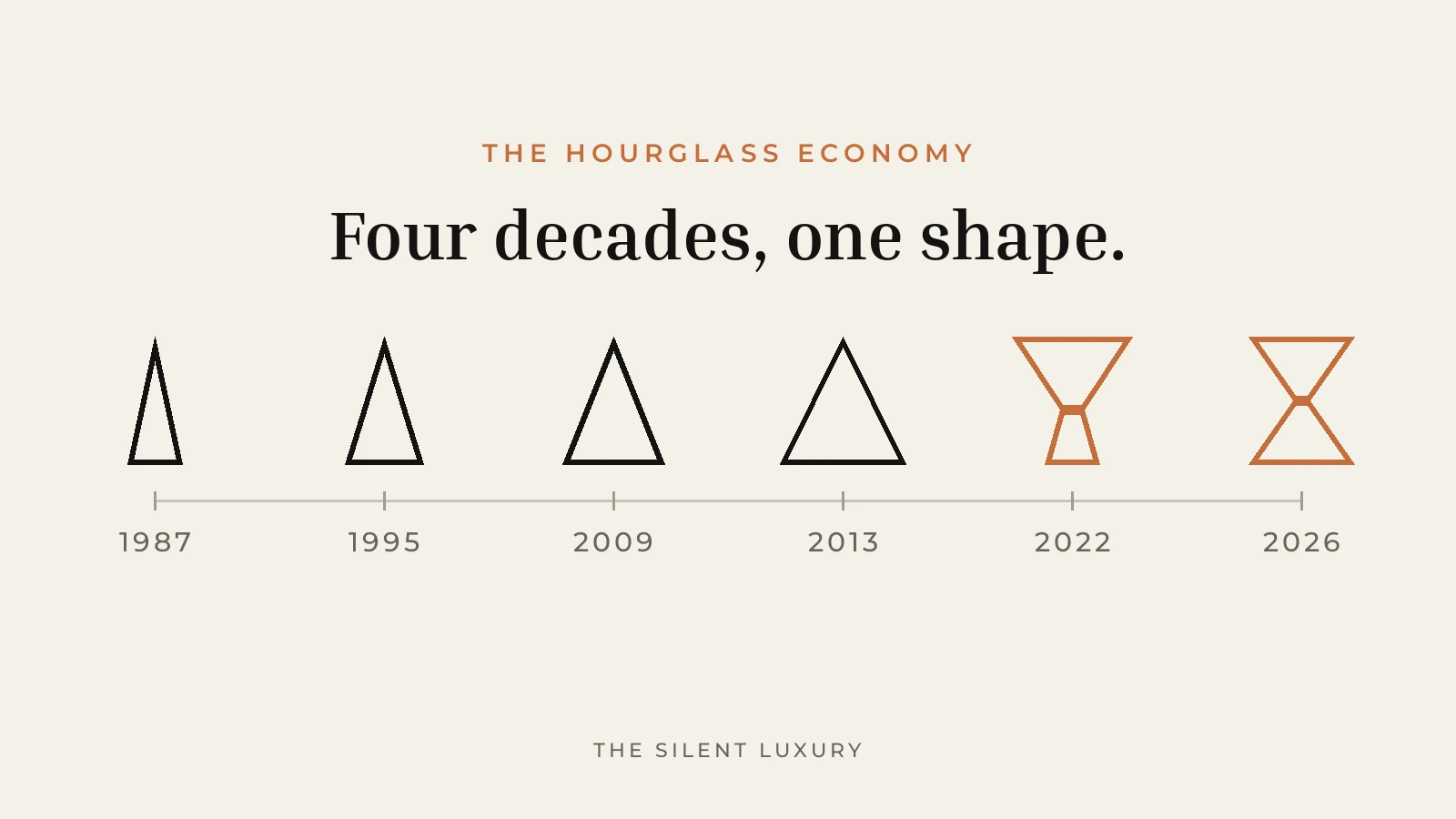
LVMH is moving from a pyramid to an hourglass: the top and the base grow, the middle sells fewer pieces at higher prices. This page follows that movement with every figure and every house.

Updated with Q3 2026 on 12 October

From pyramid to hourglass

How the shape of LVMH’s business changed since 2019, measured in revenue, prices and the houses the group bought and sold. Every figure starts from one base: 2019 equals 100.

2019: a pyramid

A narrow top of high jewellery, watches and rare materials. A broad middle of leather goods bought by many people. A wide base of beauty, perfume and Sephora.

Watches and jewellery earn €4.4 billion, fashion and leather goods €22.2 billion, selective retailing €14.8 billion. Each of them is set to 100 here.
2023: everything swells

Fashion and leather goods almost double to €42.2 billion. Prices rise as well: the Neverfull MM goes from $1,430 to $2,030 in the United States.

Revenue grows faster than the price, so more pieces leave the stores than in 2019. The middle is at its widest.

Watches and jewellery reach 247, largely because Tiffany joins the group in January 2021.

Pieces sold, fashion and leather goods: about 134. TSL calculation: revenue index 190 divided by price index 142.

2025: the middle draws in

Fashion and leather goods fall to €37.8 billion. The Neverfull MM rises again, to $2,170.

Less revenue at a higher price means fewer pieces: down from about 134 to about 112. Jewellery holds at 238, selective retailing at 124. Top and base keep their width. The waist narrows.

Pieces sold, fashion and leather goods: about 112. TSL calculation: revenue index 170 divided by price index 152.

The cause: the canvas stays, the price rises

Since May 2026 the Neverfull MM costs $2,240, 57% more than in 2019, for the same canvas bag. The Lady Dior rose 46% between 2019 and July 2023.

The logo carried much of that price. Where it sold best, it now sells less: in Asia outside Japan, LVMH revenue fell 11% in 2024.

The houses without a loud logo keep growing. Loro Piana is among the strongest houses in Q1 2026 (January to March), and watches and jewellery grow 11% in Q2 2026 (April to June) and 6% in Q3 2026 (July to September).

Who moves where

The group lets go of the logo-driven middle: Off-White in 2024, Stella McCartney in 2025, Patou in 2026 and Marc Jacobs, sold to WHP Global for $925 million in 2026.

It pulls the quiet top closer: Tiffany in 2021, the largest acquisition in its history, and Loro Piana, raised to 94% in 2025, with its vicuña supply now inside the group.

At the base, Sephora keeps opening stores while DFS sells its business in Greater China.

Three objects, one on every level

The movement shows in three things LVMH sells: one at the top, one in the middle, one at the base.

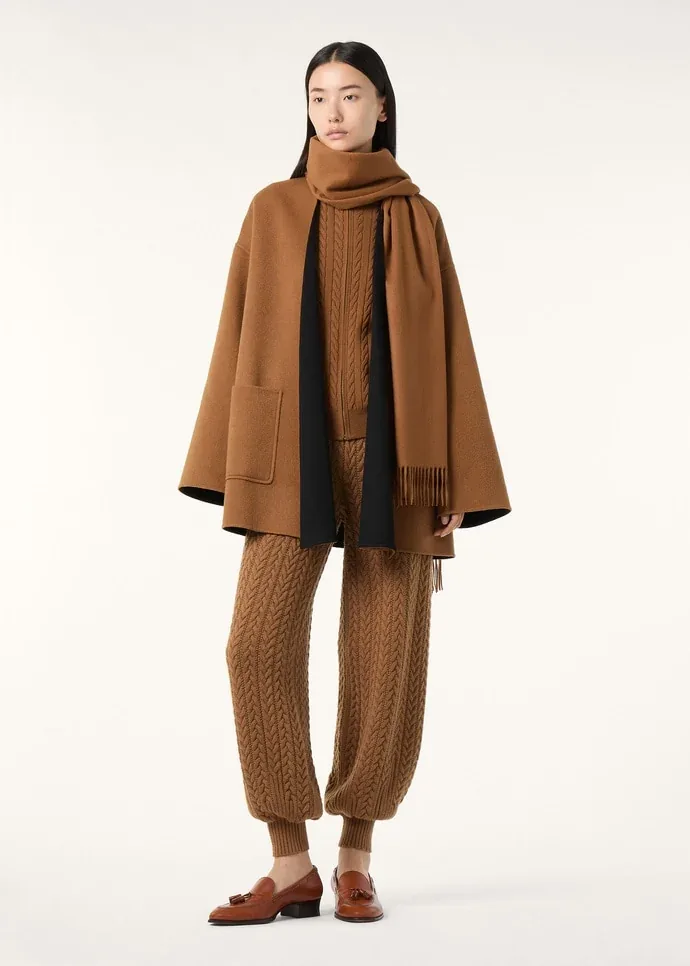
A model in a camel Loro Piana coat, scarf and cable-knit set against a pale ground.
Loro Piana. Courtesy of Loro Piana

At the top, rarity is the product

Vicuña by Loro Piana. The fibre comes from wild vicuñas in the Andes, which can only be shorn every few years. At the top of the group, watches, high jewellery and the rarest materials keep growing.

LVMH Q3 2026: The Core Slips in China, the Edges Carry the House
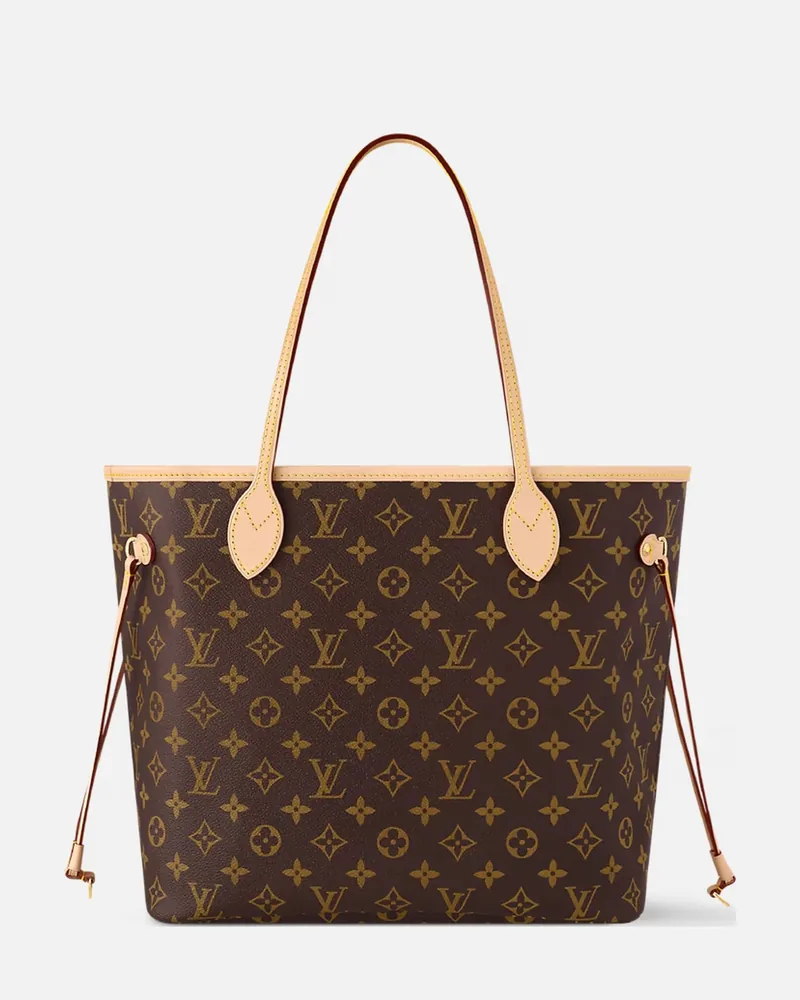
The Louis Vuitton Neverfull MM tote in Monogram canvas.
Neverfull MM. Courtesy of Louis Vuitton

The canvas is the same, the price is not

The Neverfull MM by Louis Vuitton, in the same coated Monogram canvas as in 2019. It cost $1,430 then and has cost $2,240 since May 2026. Fashion and leather goods sell fewer pieces than in 2023 and fell 5% in Q3 2026.

Why Is the Middle Collapsing?
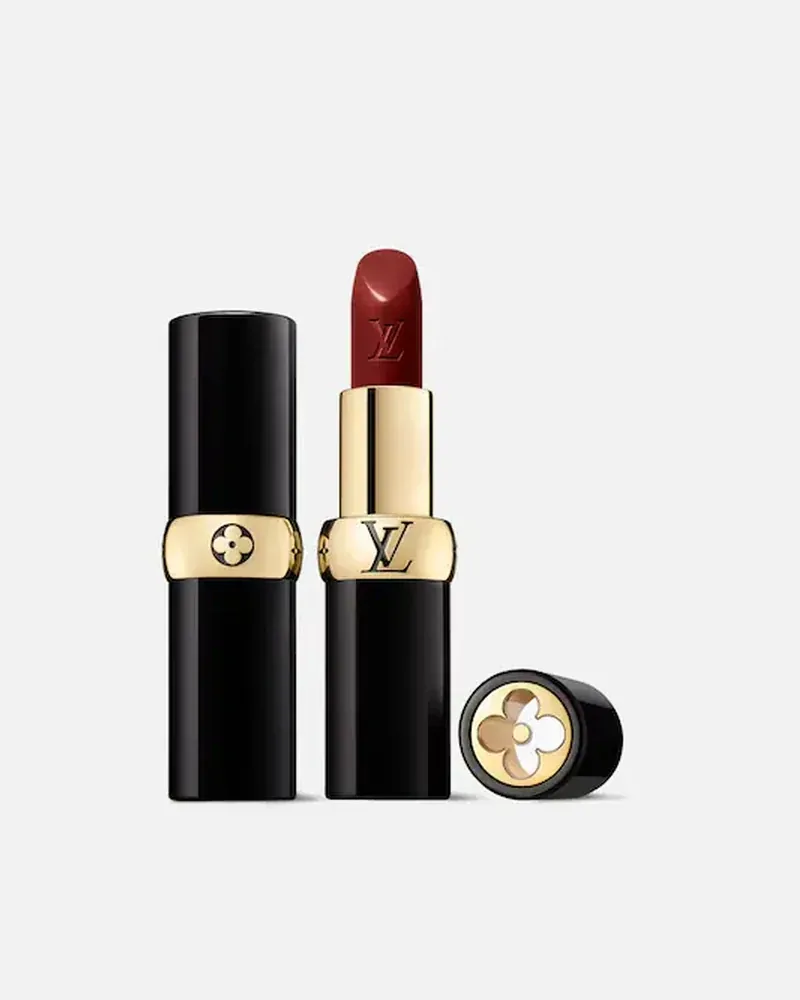
A La Beauté Louis Vuitton lipstick in deep red, its black and gold case open beside the cap.
La Beauté lipstick. Courtesy of Louis Vuitton

The way into the house now starts in beauty

A lipstick by La Beauté Louis Vuitton, launched in August 2025 at $160, with a refill at $69.

Beauty Enters Its Pincer Moment

Five worlds in motion

Each piece is one of the five worlds of LVMH. Its height is revenue, with 2019 as 100 for every world. The dark ring marks where each world started in 2019. Under each piece: growth against the year before.

2019: one base for every world

Five worlds, one starting line: 2019 equals 100 for each of them.

2023: everything swells

Watches and jewellery reach 247 with Tiffany, fashion and leather goods 190. Selective retailing grows fastest in the year, by 25%.

2024: the middle stops growing

Fashion and leather goods slip for the first time, by 1%. Wines and spirits fall 8%, while beauty and Sephora keep growing.

2025: the middle has lost ground

Fashion and leather goods fall to 170, down 5% in the year. Watches and jewellery hold at 238 and grow 3%.

Q2 2026: growth comes from the edges

In Q2 2026 (April to June), against Q2 2025: watches and jewellery grow 11%, selective retailing 6%, fashion and leather goods 1%.

Q3 2026: the middle gives way again

In Q3 2026 (July to September), against Q3 2025: fashion and leather goods fall 5% as demand in China slows. Selective retailing grows 8%, led by Sephora, watches and jewellery and wines and spirits 6% each, perfumes and cosmetics 1%.

Growth is organic, at constant scope and currency. Sources: LVMH annual results 2019 to 2025, LVMH H1 2026 results, LVMH Q3 2026 revenue release of 12 October 2026.

Where the clients are

The weight of LVMH moves from Asia towards America. Each piece is one region, its height that region’s share of revenue. The dark ring marks the share in 2019. Under each piece: growth against the year before, where LVMH reports it.

2019: Asia carries the group

Asia excluding Japan brings 30% of revenue, the United States 24%.

2023: Asia at its peak

Asia excluding Japan reaches 31% of revenue. Japan grows 28% in the year, Asia 18%.

2025: America draws level with Asia

Both stand at 26% of revenue. Asia has given up five points since 2023, the other markets have gained two.

H1 2026: Asia grows again

In H1 2026 (January to June), against H1 2025: Asia excluding Japan grows 6%, Japan 5%, the United States 4%. Europe slips 1%.

Q3 2026: China turns

In Q3 2026 (July to September), against Q3 2025: Asia excluding Japan falls 5%, after growing 4% in Q2. Japan grows 6%, the United States 5% and Europe 4%, its first growth of the year.

Sources: LVMH annual reports 2019, 2023 and 2025. Growth by region for 2023, H1 2026 and Q3 2026 as reported in the results presentations and calls; LVMH gives no figures for France and other markets. For 2025, no reliable regional growth figures are published.

In the language of Future of Luxury

What the movement means for responsibility, consciousness and time, across the houses of the group.

Responsibility

LVMH trains its own next generation

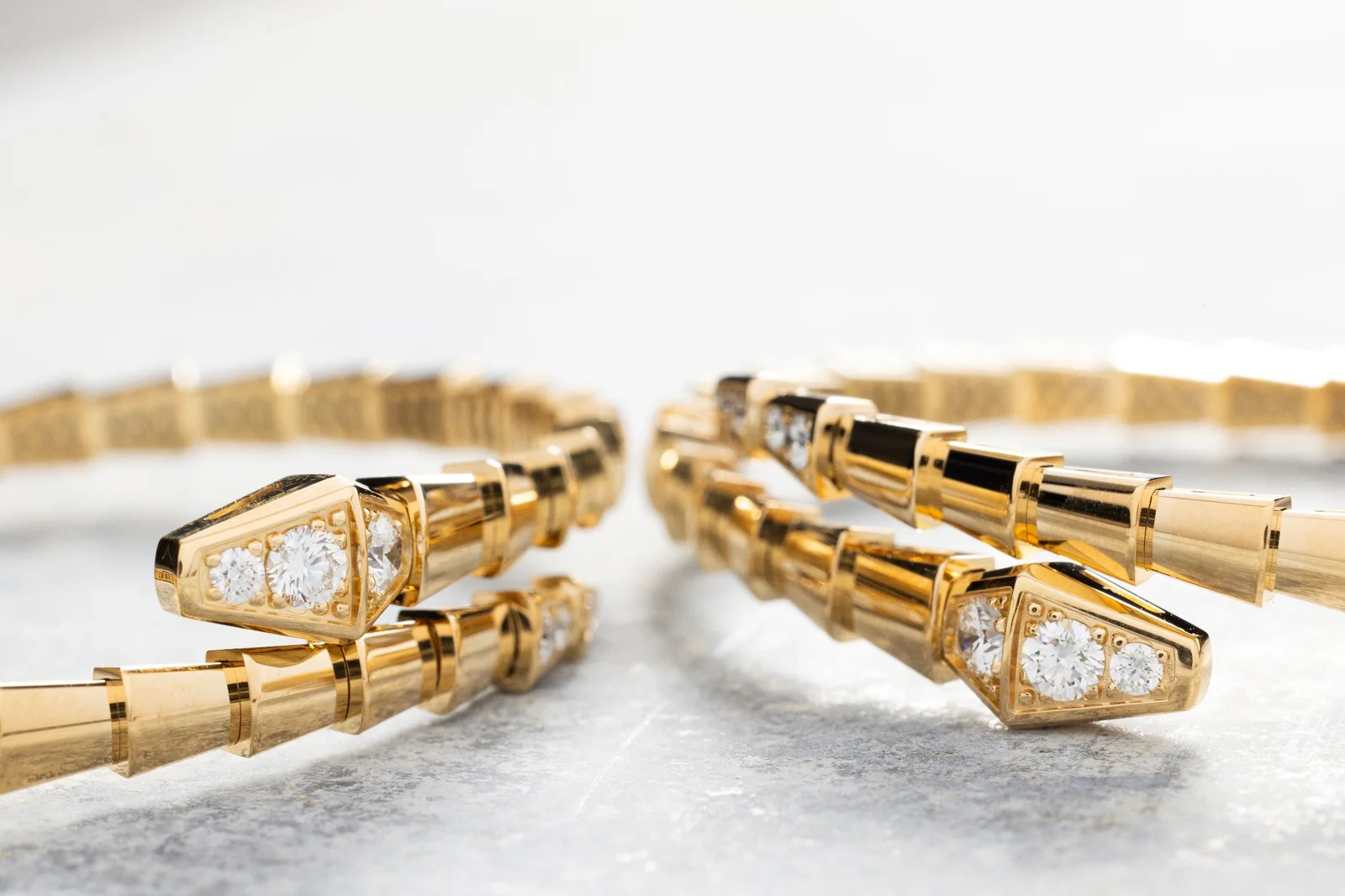
Two gold Bvlgari Serpenti bracelets set with diamonds, lying on a pale stone surface.
Bvlgari Serpenti, made in Valenza. Courtesy of LVMH
  1. Institut des Métiers d’ExcellenceSince 2014, more than 3,300 apprentices trained. 220 started in France in 2025.
  2. Bvlgari Manifattura, ValenzaExpanded to 33,000 square metres in 2025, with production and training under one roof.
  3. LIVESeven campuses, 700 people a year, more than 80% back into work.
Consciousness

The price has to explain itself

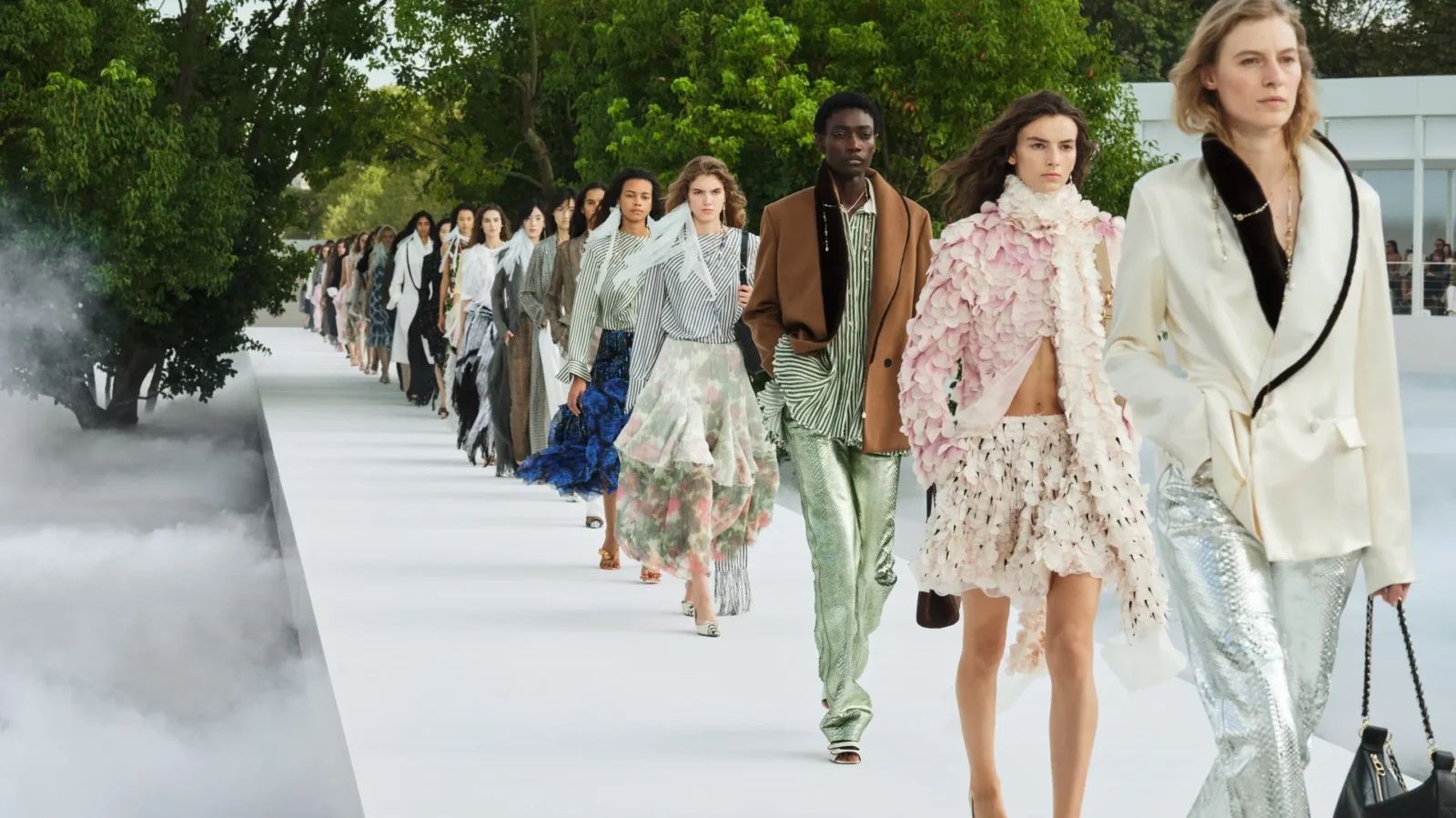
Models walking a white Christian Dior runway lined with trees, the first look in an ivory jacket and silver trousers.
Christian Dior. Courtesy of LVMH
  1. Lady Dior$4,450 in 2019, $6,500 in July 2023.
  2. Materials41% of the materials in products and packaging came from recycled sources or eco-design in 2025.
Time

What is made should stay in use

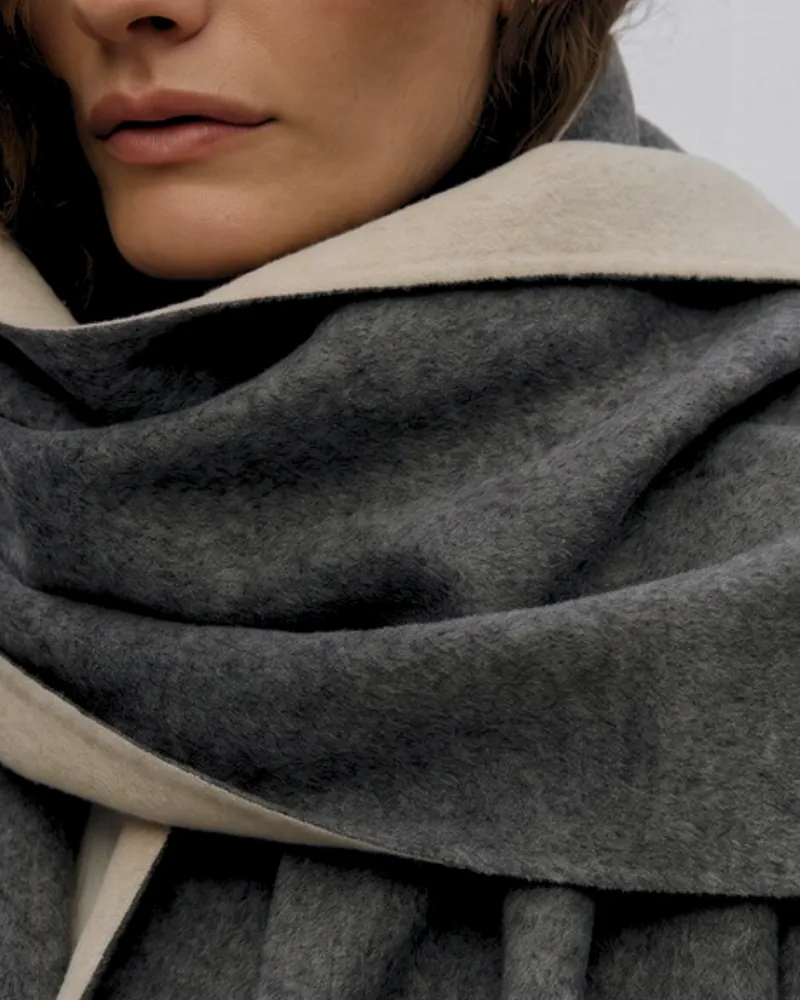
A woman wrapped in a grey and cream double-faced wool scarf against a pale grey wall.
Nona Source. Courtesy of Nona Source
  1. Repair, refill, take-back€500 million in 2025, ten million products kept in use.
  2. Nona SourceSince 2021, surplus fabrics from the group’s houses go to new designers.
  3. Biodiversity4.3 million hectares of habitat preserved or regenerated in 2025.

What we are watching

  1. When does fashion and leather goods return to growth?In Q3 2026 (July to September) it fell 5% organically, after +1% in Q2. Analysts had expected around −2%. Demand from Chinese clients fell; Loro Piana and Celine gained ground, Dior held level.
  2. Does the top keep pulling?Watches and jewellery grew 6% in Q3 2026, after 11% in Q2, carried by jewellery. Bulgari’s new Eclettica line set a revenue record.
  3. Which house leaves the middle next?Off-White, Stella McCartney, Patou and Marc Jacobs have gone since 2024. Most of DFS has been sold.

The houses

A selection of LVMH’s maisons and how each came into the group.

Louis VuittonMerged 1987
Moët & ChandonMerged 1987
HennessyMerged 1987
GivenchySince 1988
KenzoSince 1993
GuerlainSince 1994
CelineSince 1996
LoeweSince 1996
SephoraSince 1997
TAG HeuerSince 1999
HublotSince 2008
BulgariSince 2011
Loro PianaSince 2013, 94% since 2025
Christian Dior CoutureSince 2017
RimowaSince 2017
Tiffany & Co.Since 2021

Sources: LVMH annual results 2019 to 2025, H1 2026 results and Q3 2026 revenue release (12 October 2026). US prices for the Neverfull MM and the Lady Dior from documented price steps (PurseBlog, PurseBop, Petite in Paris). Pieces sold is a TSL calculation from reported revenue and the Neverfull MM price; it includes currency effects. Analyst expectations for Q3 2026 from Barclays, Jefferies and RBC (September 2026). The object is schematic: its width shows the shape of the business, not exact proportions.