Dezeen Awards 2026: The Winning Materials Were Grown, Ground and Woven
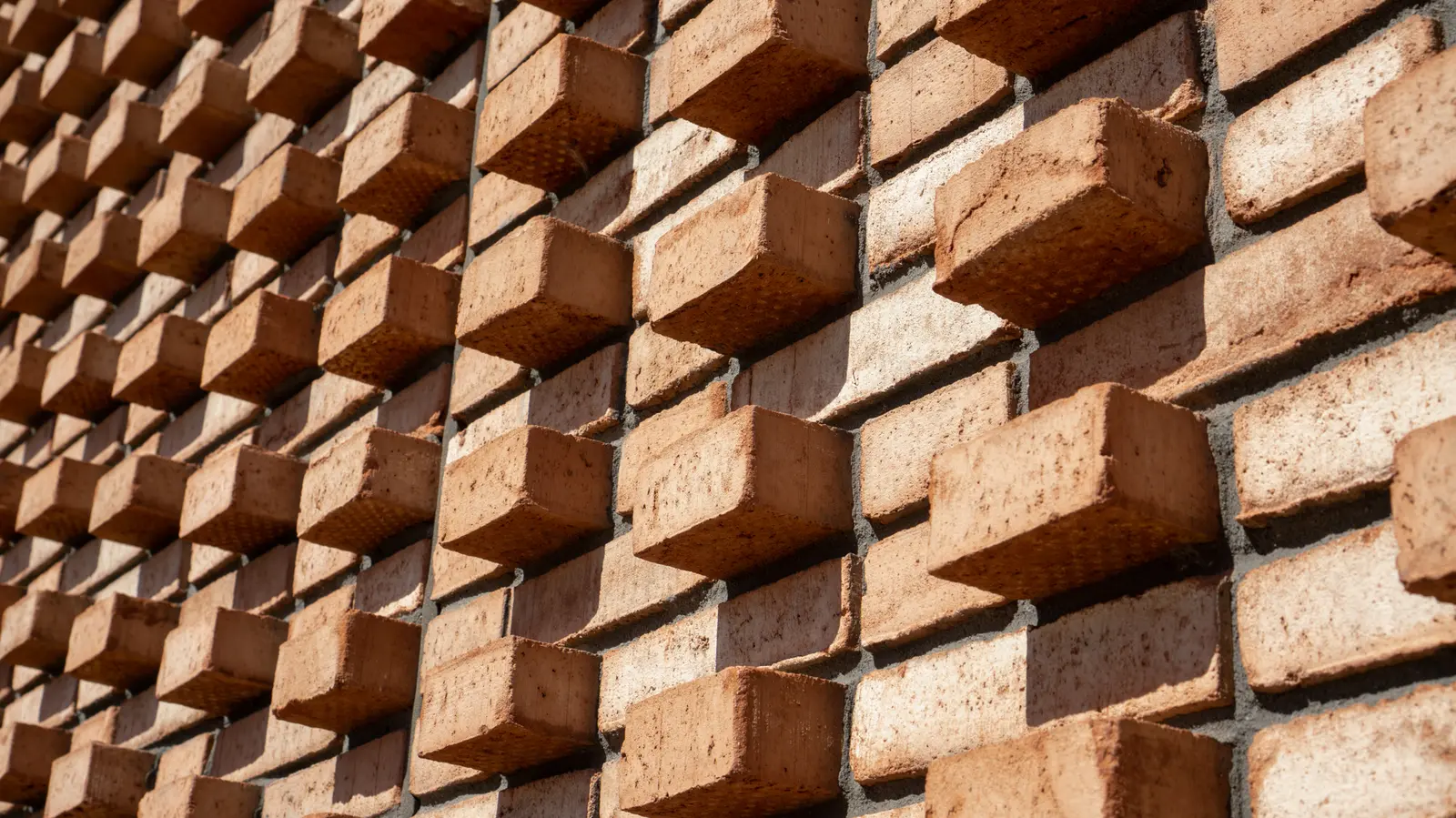
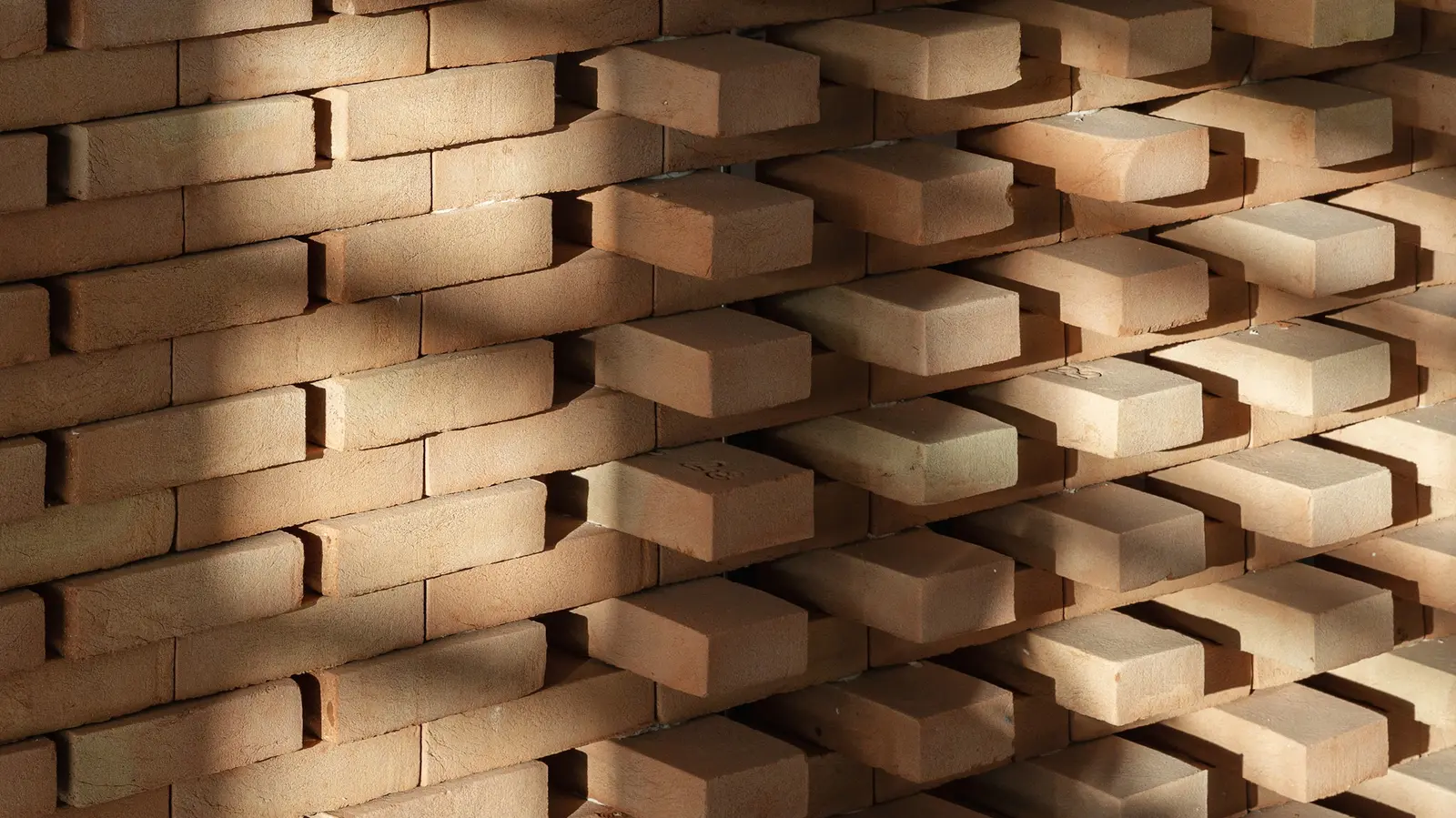
In the summer of 2019, visitors to the Federal Garden Show in Heilbronn crossed a garden paved with bricks made from construction waste. They led to the Mehr.WERT.Pavillon, designed by the Karlsruhe Institute of Technology with the architects 2hs. Every material in it had already lived at least one life. The bricks came from a Dutch company then called StoneCycling.
That company now trades as FRONT, from Amsterdam. On 16 November two of the materials it brings to market won at the Dezeen Awards 2026 in London. They were among four prizes that went to new materials this year. A third came from Teotitlán del Valle in Oaxaca, Mexico, where Arudeko turns leftover wool into paper, and the fourth from Dubai, where Datecrete grinds date pits into paving.
● Bio Concrete and Recycled PVC: FRONT at the Dezeen Awards 2026
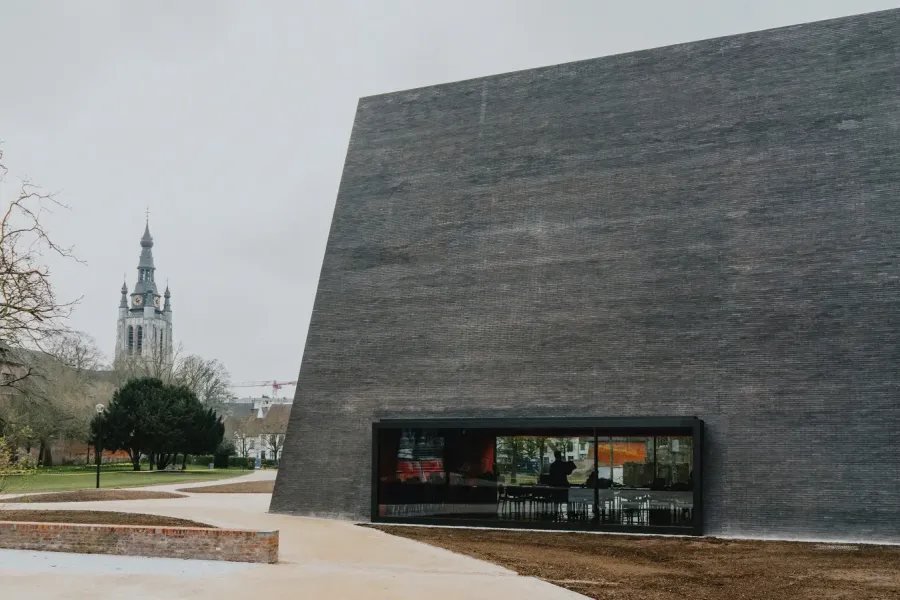
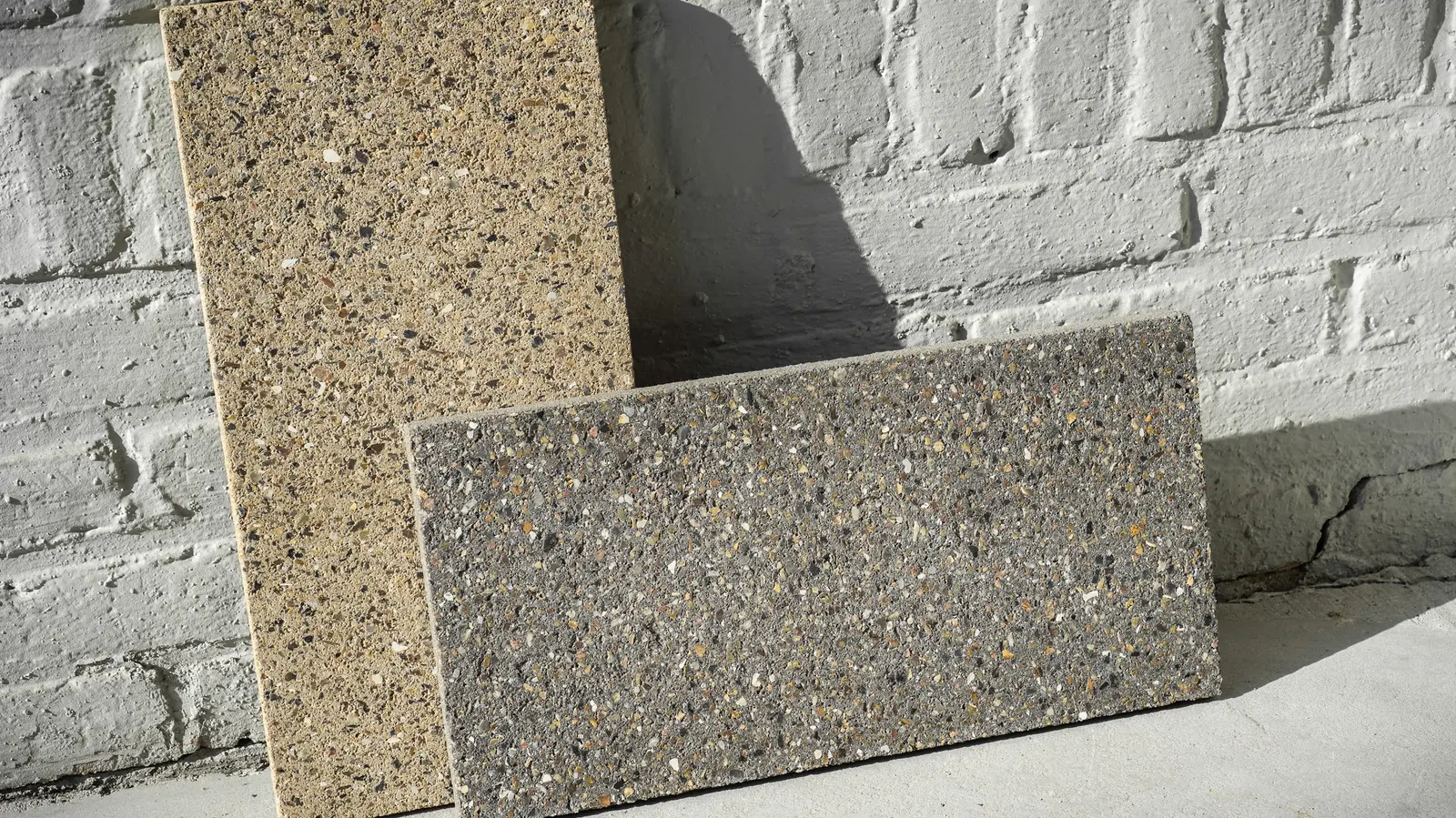
In a plant in Ikast, in the middle of Jutland, tiles harden without a kiln. Bacteria do the work. They bind carbon and calcium into calcium carbonate, which holds the stone together. The North Carolina biotech company Biomason runs the process here with IBF, Denmark’s largest precast concrete producer. The result is Mimmik Tile, which won material innovation of the year. Its makers put the emissions saving at around 60 per cent against a comparable Portland cement tile. The figure is preliminary and still being verified independently. Ward Massa of FRONT described the division of labour plainly: “They have the technology; we have the route to market.”
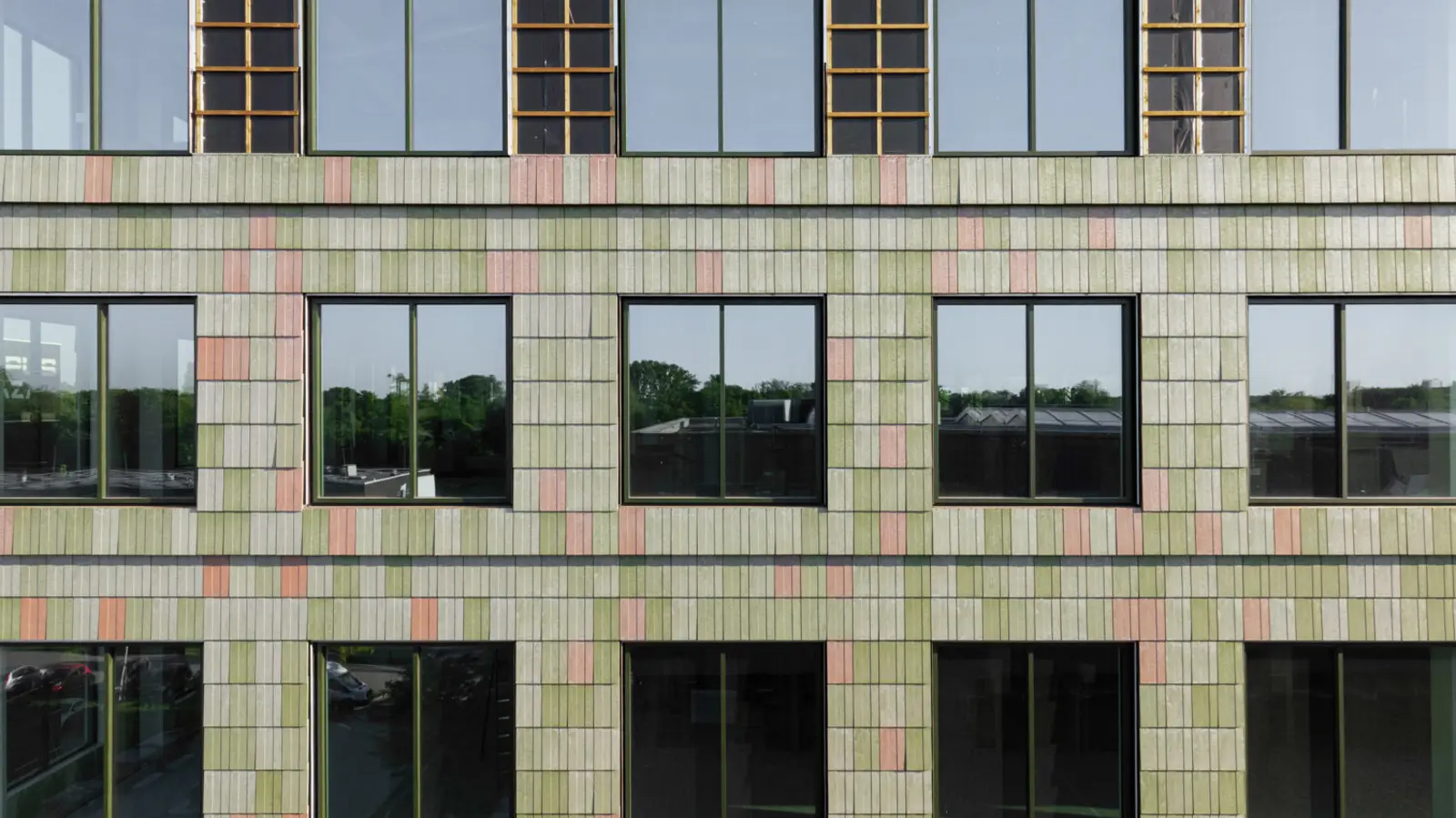
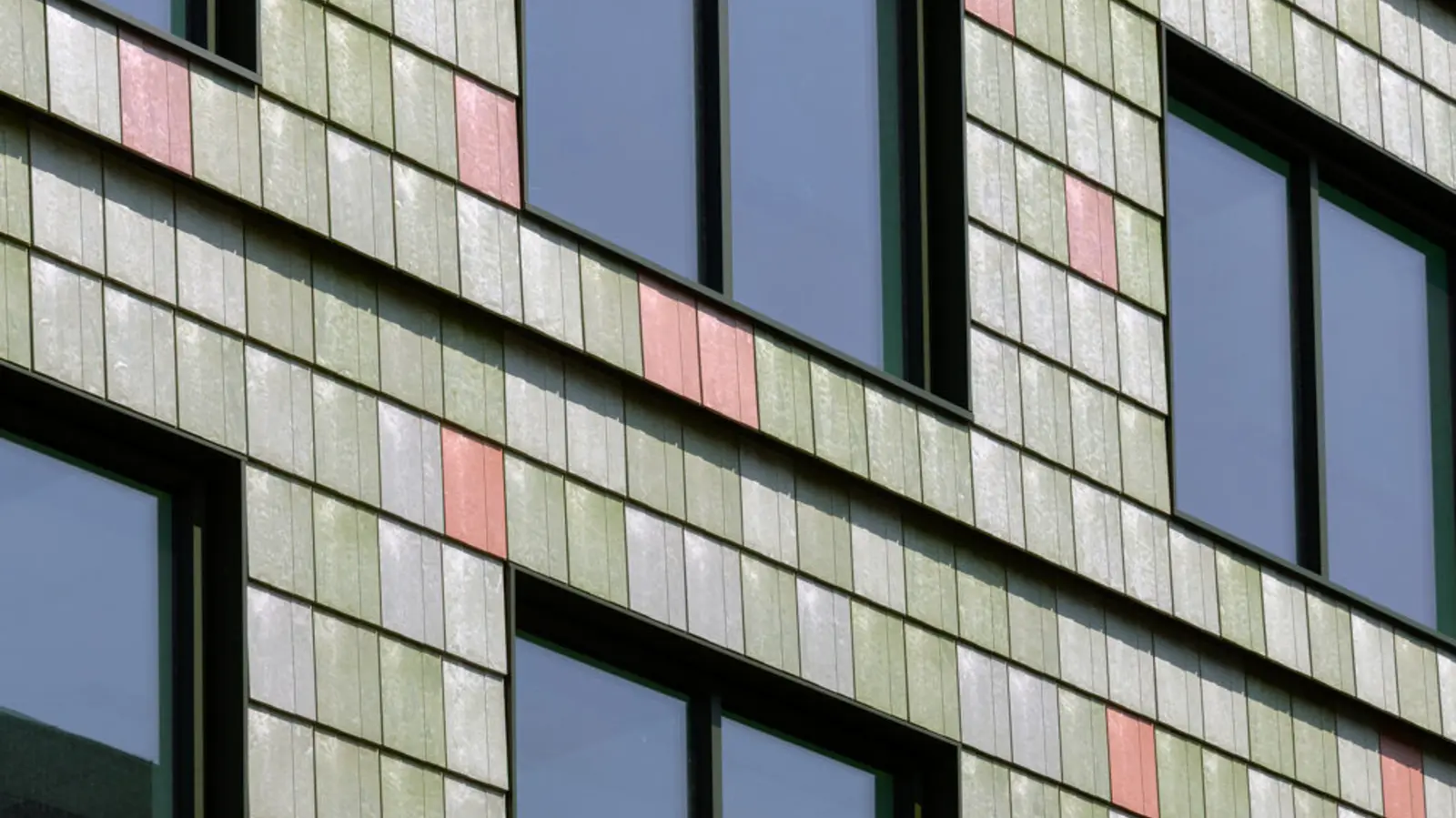
The same route carried the second winner. On the campus of Wageningen University stands Plus Ultra III, the first timber laboratory building in the Netherlands. Its facade is made of the kind of plastic that usually ends up in landfill or the incinerator. Almost 31 tonnes of rigid PVC from construction waste clad it in greens and terracotta. They take the form of Basic Third tiles, which can be taken down and recycled again. Pretty Plastic, the company behind them, was started by the architecture studios Overtreders W and Bureau SLA. The jury noted that it had chosen to work with “the worst kind of plastic”, and gave Basic Third surface design of the year.
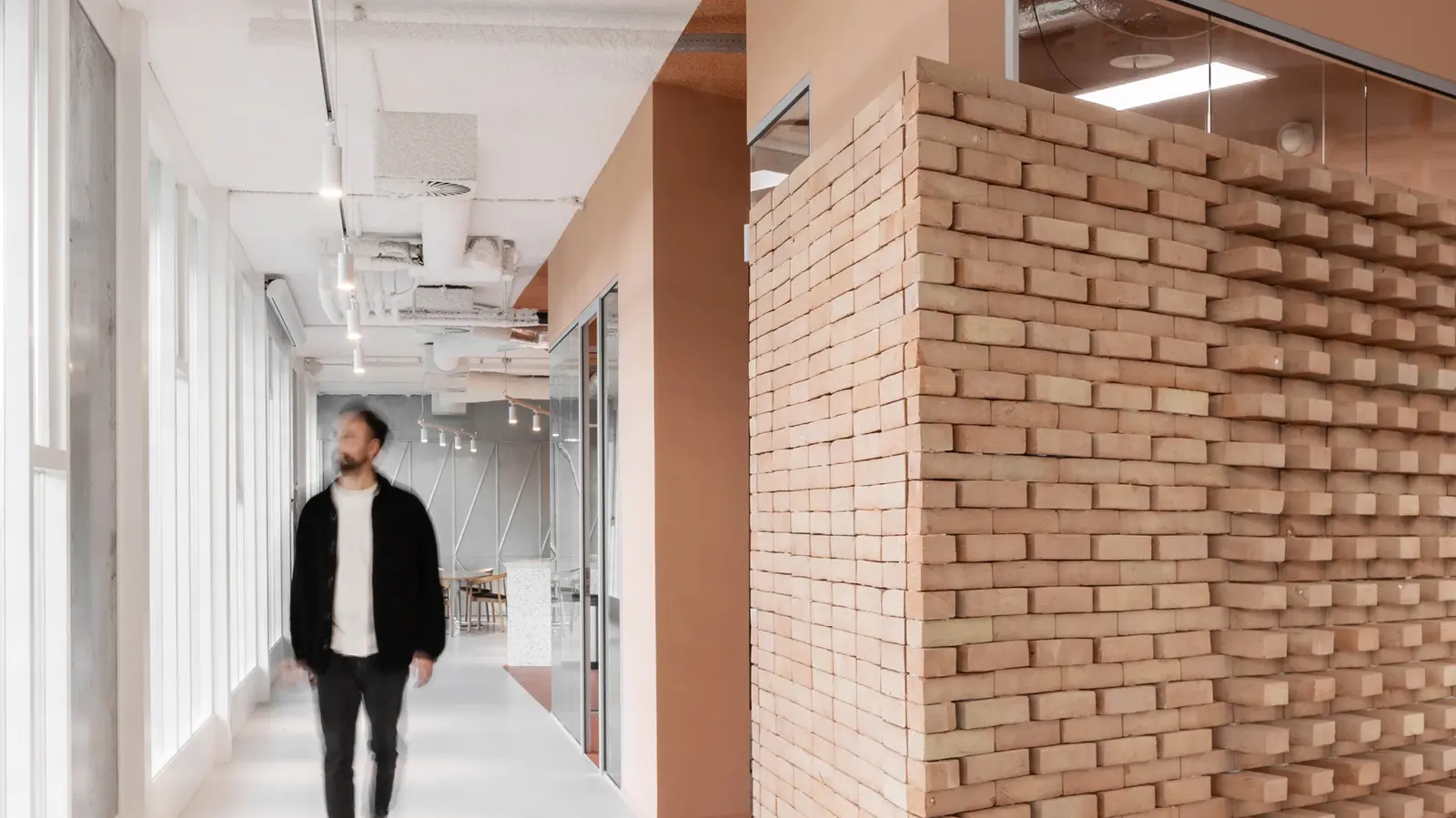
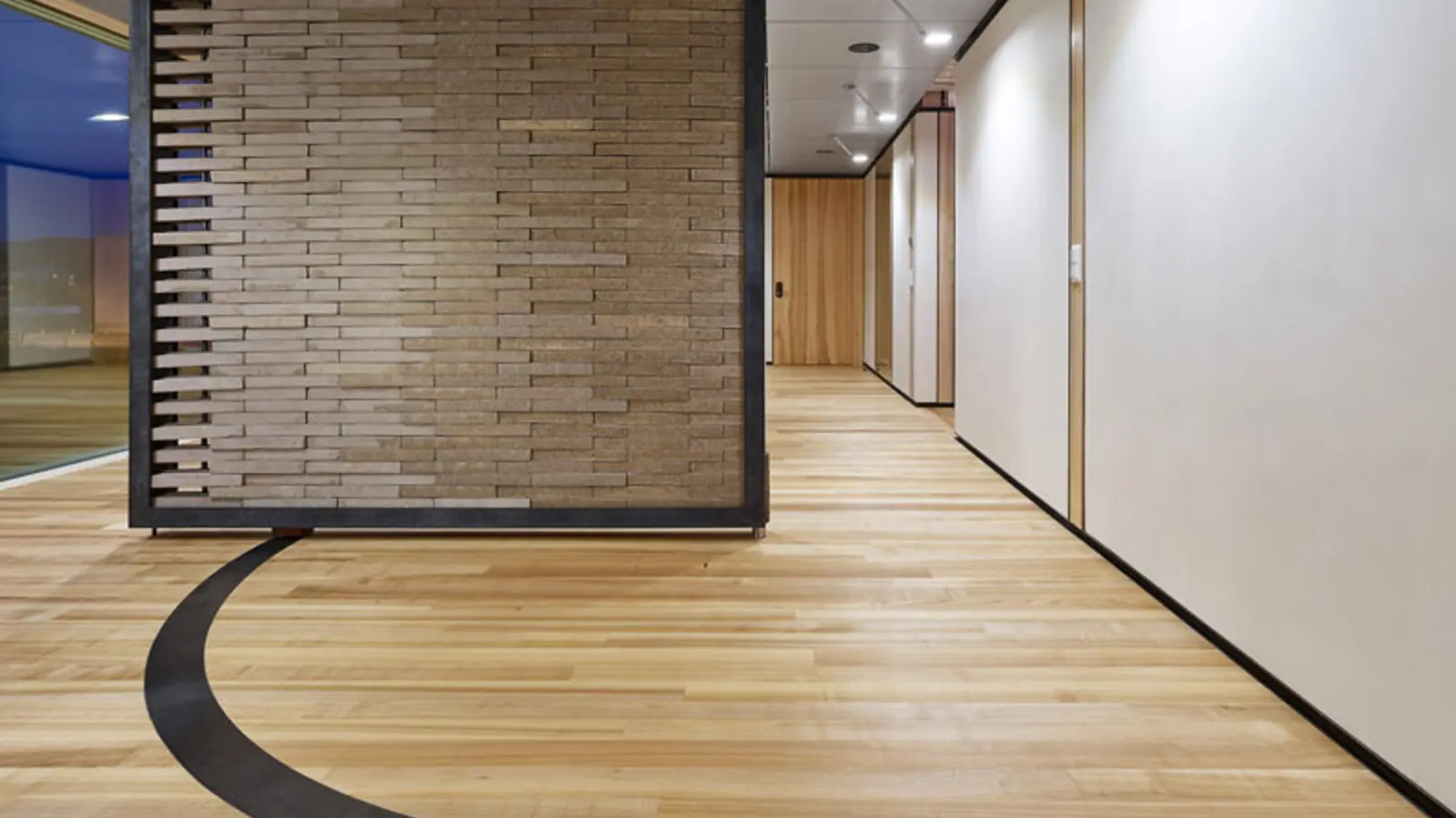
The bricks from the Heilbronn garden are still part of the range. They form the walls of an open workspace at APPM’s headquarters in Hoofddorp. For the UMAR unit at the NEST research building in Dübendorf, Switzerland, the company developed a brick that is stacked dry and can be lifted out again.
Swipe for more →
● Arudeko: Wool Waste Woven into Paper in Oaxaca
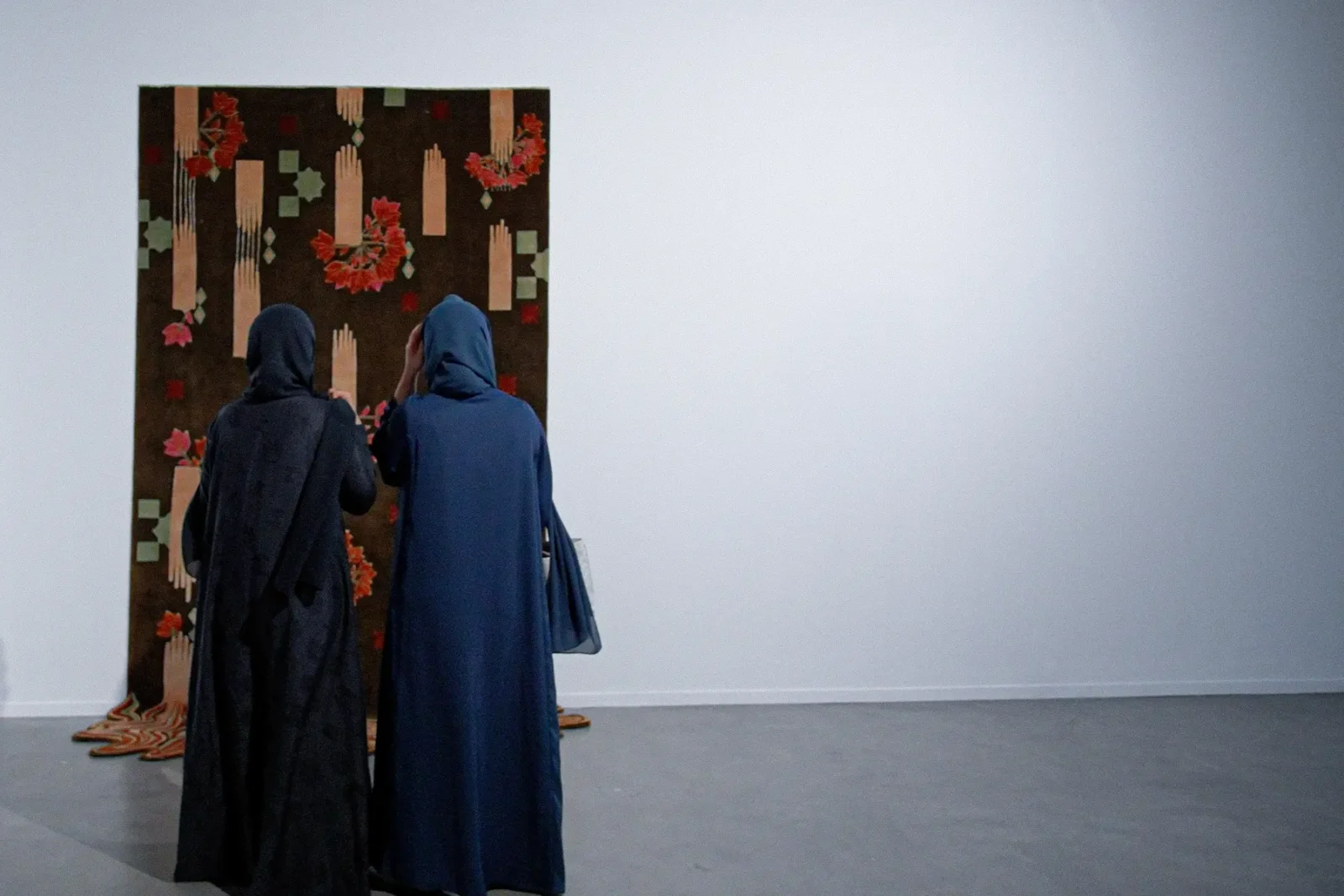
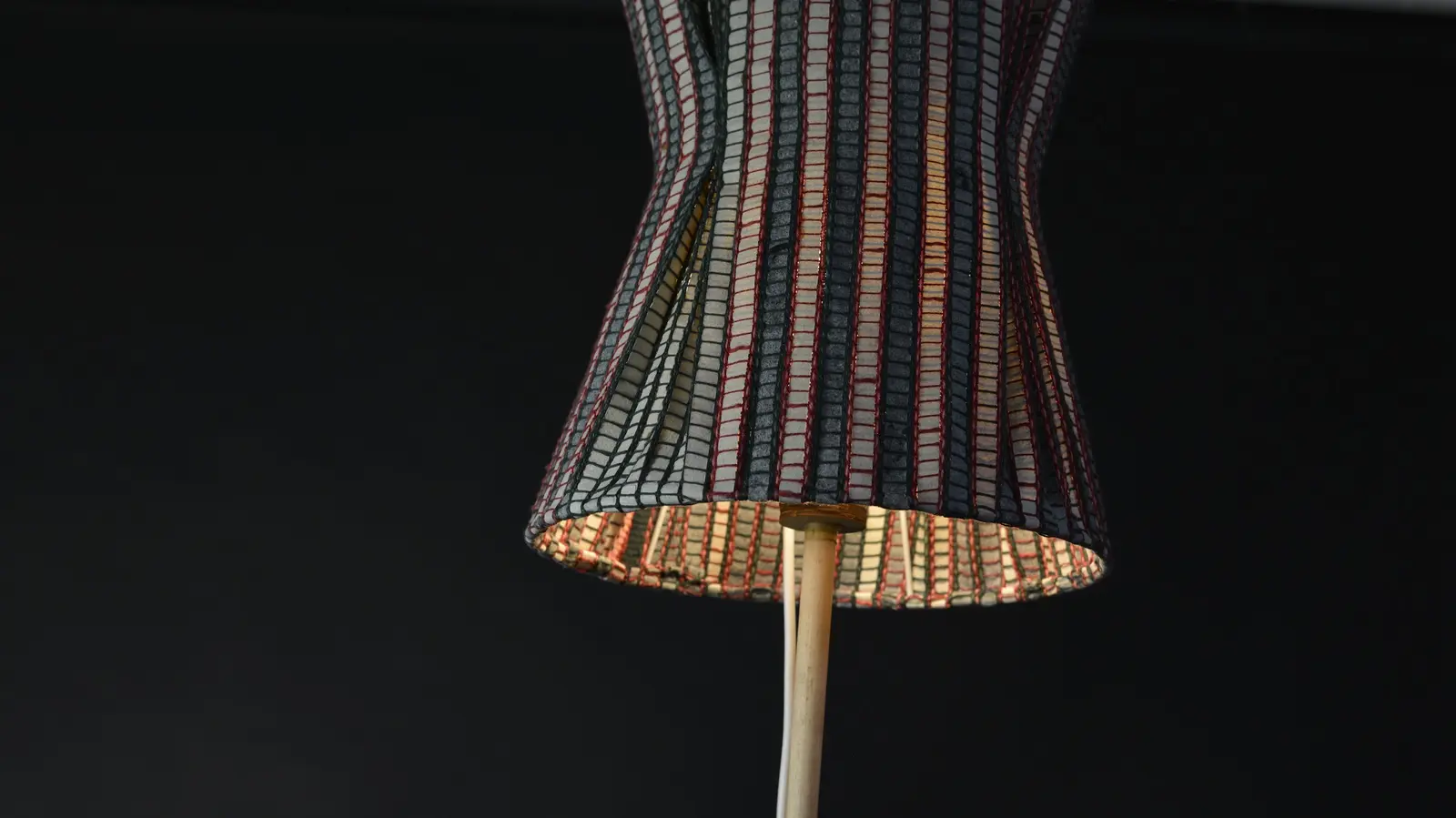
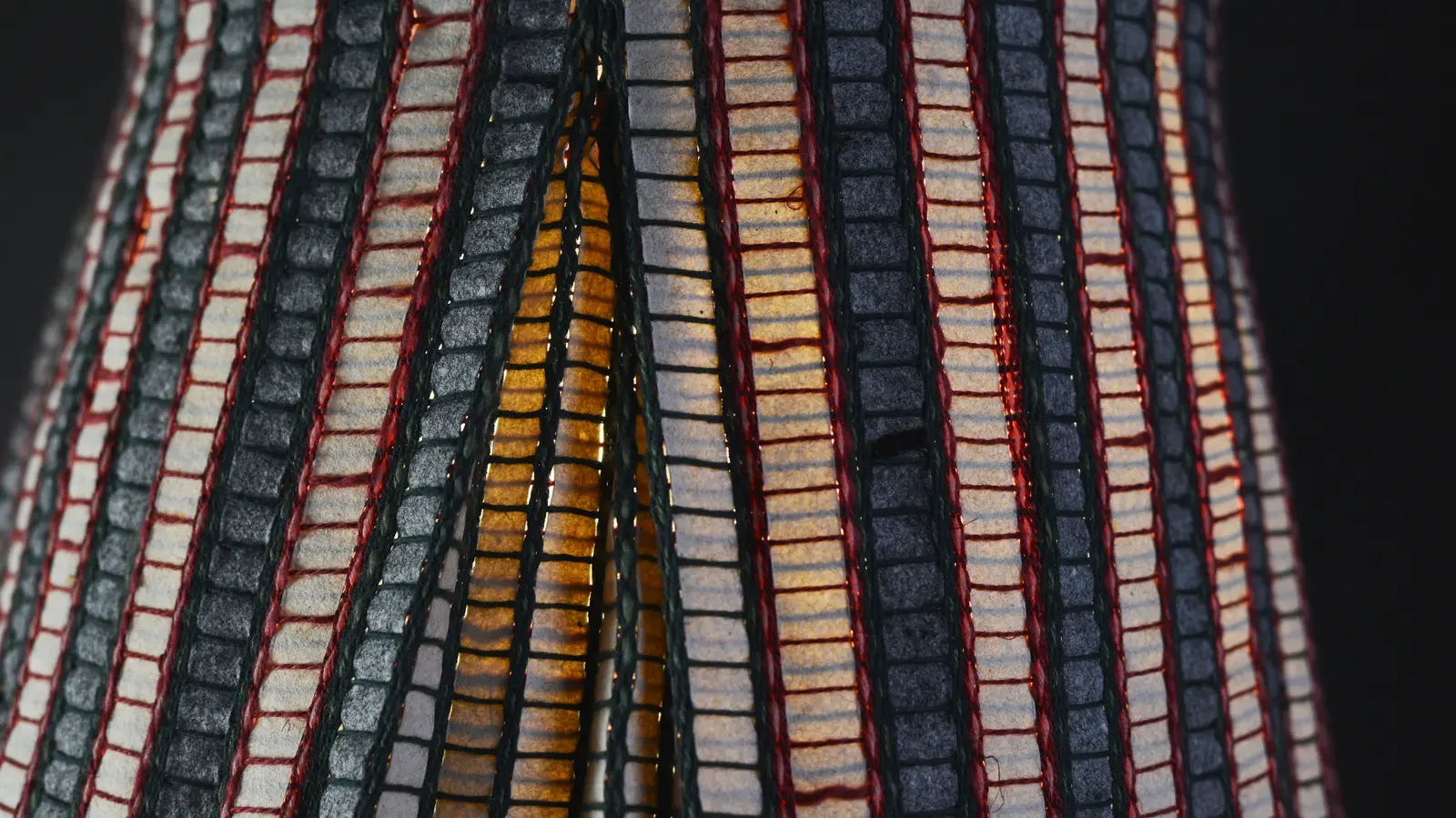
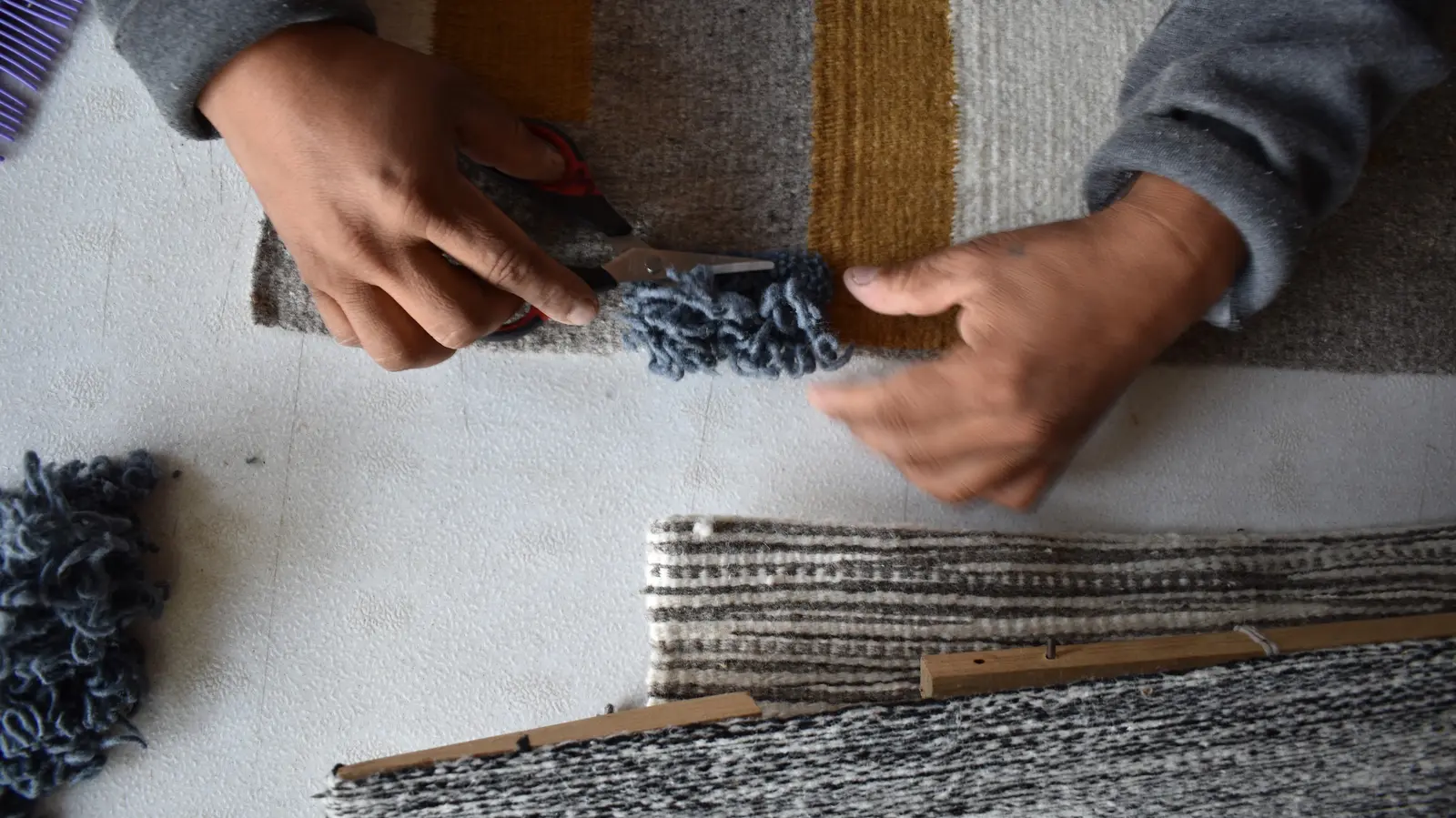
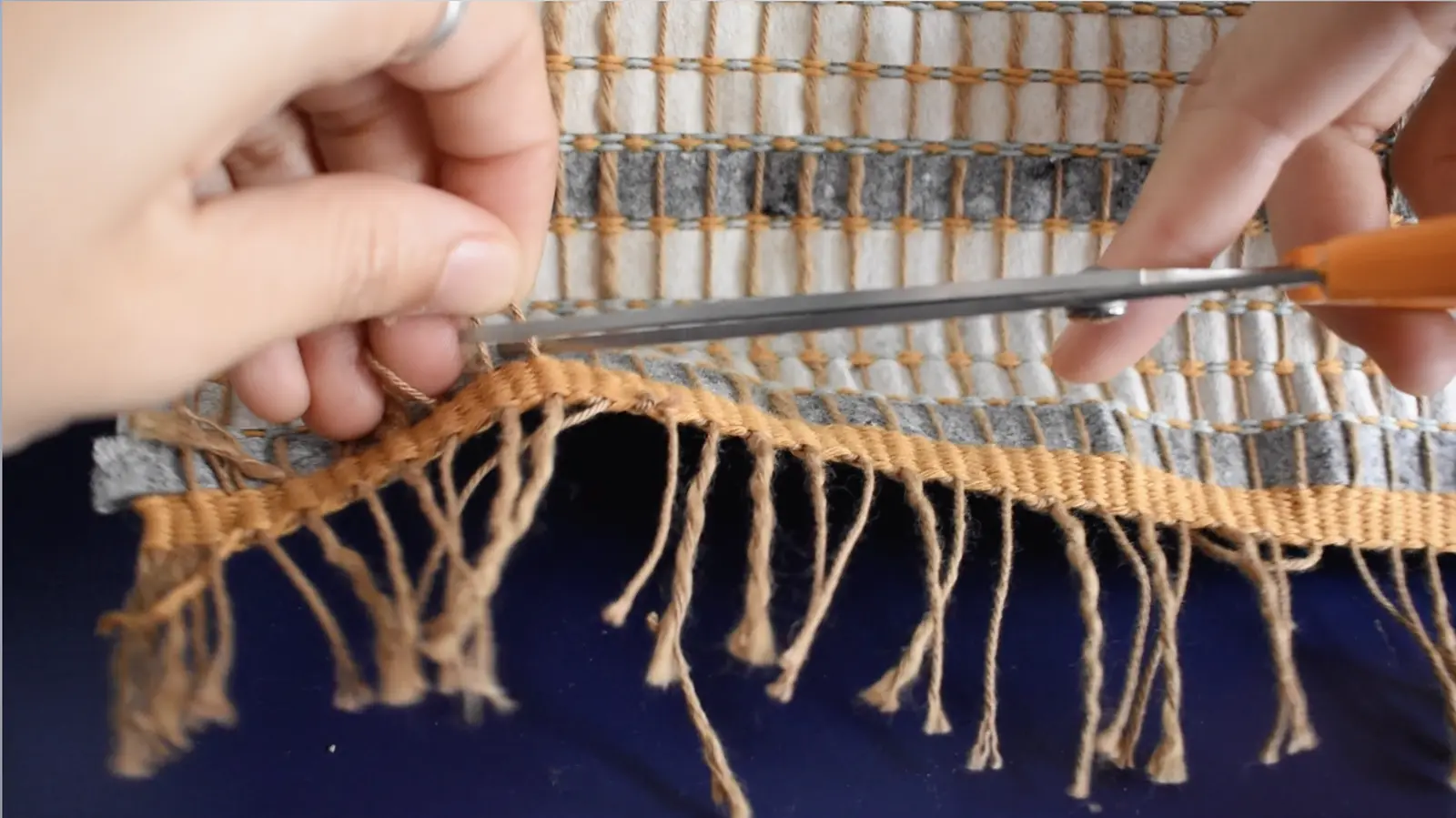
Every rug and cushion that the weavers of Teotitlán del Valle make for Arudeko leaves wool behind. The sisters Nailea and Denisse Arnaiz, who run the Mexican studio, collect it. On pedal looms, the weavers work those remnants together with cotton thread and strips of recycled paper from local papermakers. The sheets that come off the loom are translucent. Arudeko makes them into lampshades, room dividers and headboards under the name Bianni Wool Paper. The wool has a practical gift as well. “Wool brings fire resistance to the paper,” says Denisse Arnaiz. The jury, which named Bianni textile design of the year, noted that the processing “provides employment to skilled locals”.

Swipe for more →
● In Brief: The Other Dezeen Awards 2026 Winners
Datecrete, developed in Dubai by Sara Farha and Khaled Shalkha, won sustainable design of the year. Ground date pits and a natural binder replace cement, resin and petrochemicals. For six months the material paved the ground outside the UAE pavilion at Expo 2025 Osaka. The top architecture prize went to the Daichi Silent River Tree Sauna in Kanagawa, where existing trees carry two stacked timber decks and a roof. Lina Ghotmeh, Keiji Ashizawa and Yinka Ilori were named architect, interior designer and designer of the year.
● Why It Matters: Bio Concrete, Date Pits and Wool Waste as Materials
Most of these materials have already left the laboratory. Mimmik comes off a production line in Ikast, Basic Third covers a working building in Wageningen, and the waste-based bricks have stood in walls for years. The jury said Mimmik’s production “is scalable and could shift the dial in the future production of tiles and paving”.
Two of the winners also keep their waste close to home. The jury called Datecrete “a necessary regional innovation” that could scale “in communities across the date-growing region”. Bianni gives the leftover wool of Teotitlán del Valle a second use in the town where it was woven.
What these materials still need is proof. Mimmik’s emissions figure awaits independent review. Sara Farha told The National she would like Datecrete “to be seen more as a validated, real material category”. Verified numbers will decide how quickly such materials move from award lists into the specifications architects write. In Heilbronn, the pavilion was planned with that next step in mind: when the show closed, its materials were to be separated, sorted and kept ready for another building.
Send this to someone who still thinks waste is where a material ends.
Continue Reading
-
Molteni Museum: Ron Gilad Turns the Group’s Classics Into One-Off Works
“Materialized: Ideas in Matter”, curated by Ron Gilad, opened at the Molteni Museum in Giussano. Herzog & de Meuron, Patricia Urquiola, Naoto Fukasawa and other designers turned their own pieces into unique works.
-
Ellen MacArthur Foundation: Brand Trade-Ins Come Last
Only 6 per cent of shoppers surveyed in California, China, France and the UK traded in an item through a brand or retailer scheme in the past year, the least-used of the eight routes the survey tracks.
-
Harris Tweed: The Orb Vivienne Westwood Borrowed Is Now Europe’s Model
Harris Tweed belongs to no company: the Orb certifies a place and the islanders who weave the cloth at home. The Authority’s chief executive explains why that model has lasted.
Sources:
Dezeen, Dezeen Awards 2026 Designers of the Year, 16 November 2026;
Dezeen, Dezeen Awards 2026 design project of the year, 16 November 2026;
Dezeen, Dezeen Awards 2026 architecture project of the year, 16 November 2026;
Dezeen, Mimmik Tile, Dezeen Awards 2026 entry;
Dezeen, Basic Third, Dezeen Awards 2026 entry;
Dezeen, Bianni Wool Paper, Dezeen Awards 2026 entry;
Dezeen, Arudeko turns waste wool into Bianni paper;
Dezeen, Datecrete, Dezeen Awards 2026 entry;
Dezeen, Daichi Silent River Tree Sauna, 14 November 2026;
FRONT, The story of Mimmik;
FRONT, Circular pavilion, German Federal Garden Show;
FRONT, Sustainable open workspaces, APPM Hoofddorp;
FRONT, Urban mining with dry-stacking bricks, Switzerland;
FRONT, Pretty Plastic facade, Wageningen campus;
Biomason, Biobeton factory;
The National, How a Dubai studio won two international design awards for concrete alternative made from date pits, 18 November 2026;
MaterialDistrict, Bianni Wool Paper;
GreenMe, Dezeen Awards 2026
Similar Articles
Harris Tweed: The Orb Vivienne Westwood Borrowed Is Now Europe’s Model
Master of Days: Konstantin Chaykin’s Fairy Tale of the Week
Habsburg Kleidermanufaktur: A Great Name That Never Raises Its Voice