
Italian Shoemaking Bids for UNESCO Heritage Status
The art of Italian shoemaking is bidding for a place on UNESCO’s list of the Intangible Cultural Heritage of Humanity. A committee chaired by Giovanna Ceolini, president of the footwear association Assocalzaturifici, was formally set up in June at the Ministry of Enterprises and Made in Italy in Rome and is now preparing the dossier. Ceolini described the bid this month as the start of “an important journey”. It comes as the districts that practise the craft are shrinking: in the Riviera del Brenta, the largest shoemakers have lost a fifth of their revenue since 2023.
● In brief
The committee. Assocalzaturifici, the company museum network Museimpresa, the footwear school Cercal and the Politecnico Calzaturiero, supported by the UNESCO Chair at Unitelma Sapienza University in Rome.
The backers. The ministry and seven regions: Lombardy, Veneto, Marche, Apulia, Campania, Emilia-Romagna and Tuscany.
The launch. Ministers Adolfo Urso and Giuseppe Valditara spoke at the presentation on 11 June, as did Giovanna Ferragamo Gentile, president of the Ferragamo Foundation.
The precedent. Italian cuisine was added to the same UNESCO list in December 2025. According to the promoters, no shoemaking tradition has been recognised so far.
The plan. Ceolini wants to involve the communities of craftspeople, record how the technology developed and prepare material for young people.
The timeline. No date for submitting the candidacy has been published.
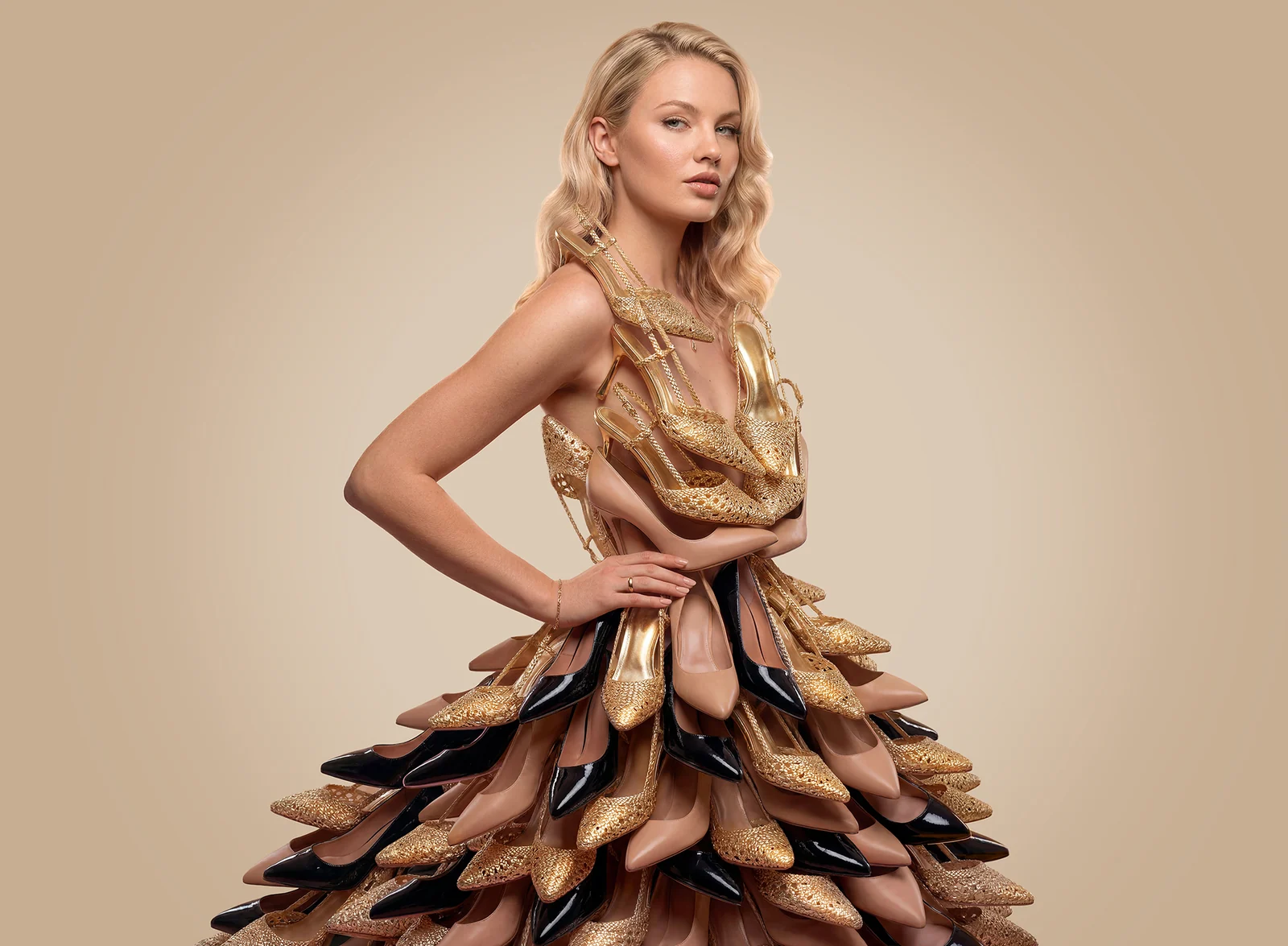
From Shoes First, the international campaign of MICAM Milano, the shoe fair organised by Assocalzaturifici. Courtesy of MICAM Milano
● Why it matters
The candidacy protects the knowledge, not the industry. UNESCO’s list recognises skills passed on from person to person, and in shoemaking those skills sit in small workshops. Ceolini describes the typical Italian shoe factory as a business of ten to 15 people.
It is a bid about who will carry on the work. Ceolini says the manual steps in shoemaking cannot be automated and that factories have to find ways to attract young people. The education minister spoke at the launch about technical and vocational training, which makes the dossier a training agenda as much as a cultural one.
The pressure is already visible. In San Mauro Pascoli, the shoe district near the Adriatic where Cercal is based, around 200 jobs were lost in the year before the bid was launched, the local press reported. The dossier is the next step. While it is being written, the districts will show how many of the workshops behind the craft are still open when it is ready.
Send this to someone who believes a craft is worth more than the shoe it makes.
Sources
- Assocalzaturifici, launch of the UNESCO candidacy, Rome, 11 June 2026, via Teleborsa and MF Fashion
- Giovanna Ceolini, interview, World Footwear, November 2026
- San Mauro Pascoli shoe district, il Resto del Carlino, 17 June 2026