Ettore Bottoli of Lanificio Bottoli in a light grey waistcoat against a dark background.
← All conversations

TSL Conversations · Episode 05

Spoken in Italian · Moments subtitled in English

Inside Lanificio Bottoli: Ettore Bottoli on Natural Colour, the Recipe and Machines Made to Measure

Why is brown the rarest colour of all? Walking Eva Winterer through Lanificio Bottoli in Vittorio Veneto in October 2026, Ettore Bottoli talks about wool in its natural colours, the eight-fibre recipe behind a plain camel, the machines his grandfather built and a cloth woven in the 1940s. The conversation is in Italian, with six moments subtitled in English.

Recorded October 2026 · 43 min · In Italian

Portrait of Ettore Bottoli of Lanificio Bottoli.

GuestEttore Bottoli
Lanificio Bottoli, Vittorio Veneto, since 1861

HostEva Winterer
Publisher, The Silent Luxury


Read the interview

TSL Conversations is The Silent Luxury’s podcast on luxury brands and the people who build them, and this episode opens the doors of Lanificio Bottoli and the knowledge behind its cloth: colour, recipes and machines designed for the house. The conversation is in Italian, hosted by Eva Winterer and recorded during a walk through the mill, not produced in a studio. The moments below come with English subtitles, and the whole conversation can be read in English as an interview.

In this conversation

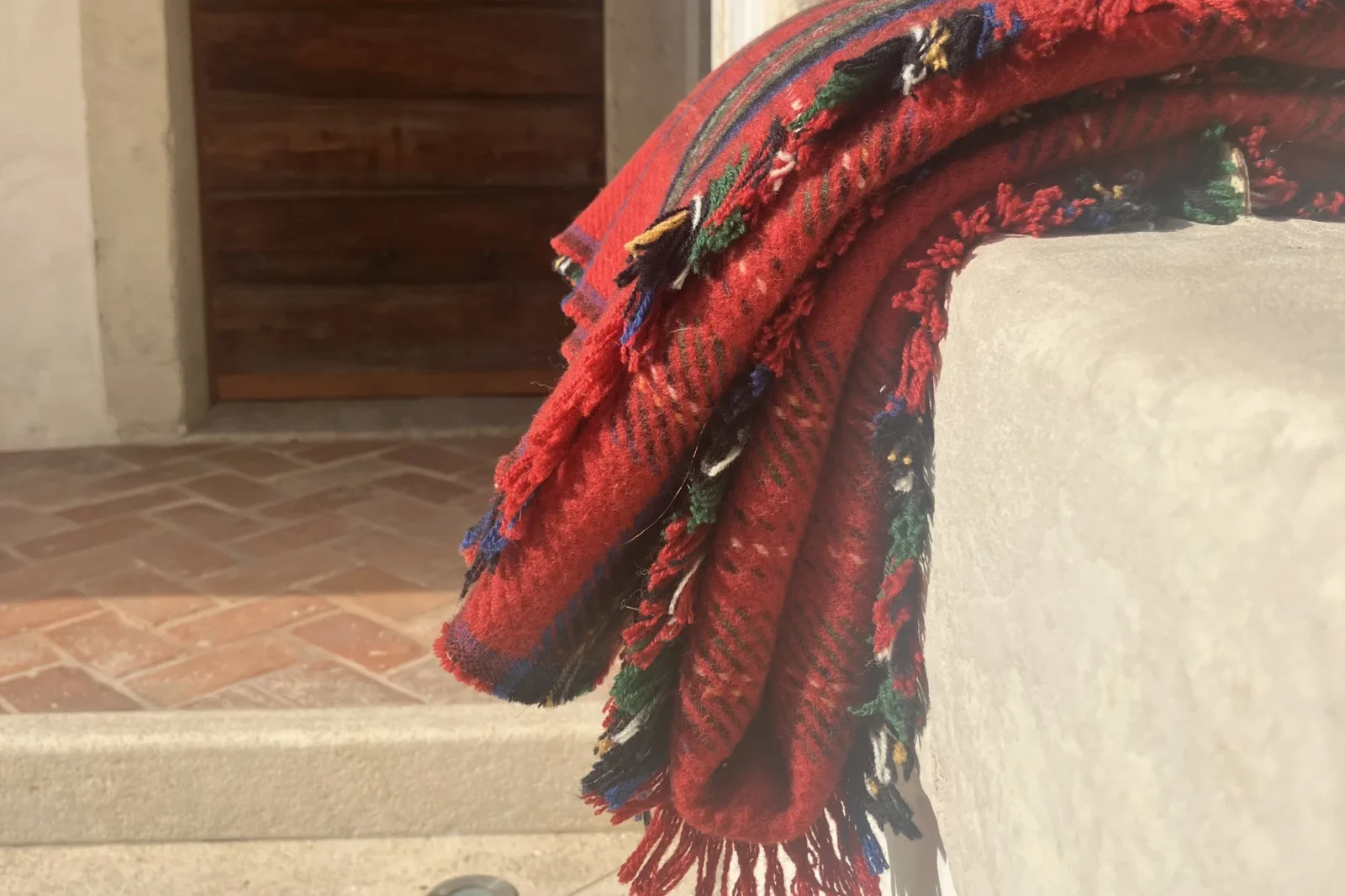
“This is the colour of nature. It isn’t dyed. It really is the colour of the sheep.”

Ettore Bottoli, Lanificio Bottoli · In conversation with The Silent Luxury, October 2026

Moments from this conversation

1 / 6

05.1 · 1:05 min · Italian with English subtitles

Brown Is the Rarest Colour

Why is brown the rarest colour of all? Ettore Bottoli on wool that is never dyed, flocks that are nine-tenths white, and a summer spent in Australia trying to persuade shepherds to breed brown sheep.

05.2 · 1:21 min · Italian with English subtitles

Eight Wools for One Plain Camel

How many wools does a plain camel take? Bottoli counts them out at the blending machine, from Spanish merino and wool from Chubut to cashmere from Mongolia, and explains why a red can take fifteen or twenty.

05.3 · 41 sec · Italian with English subtitles

You Have to Read My Father’s Handwriting

What does it take to blend a colour? An hour per blend, a machine cleaned every time, a feel for the oil, and the patience to read the recipes his father wrote by hand.

05.4 · 1:09 min · Italian with English subtitles

A Machine Only One Man Can Run

Why keep a fifty-year-old machine for one client? Bottoli on a finish only one Japanese customer asks for, and the seventy-year-old employee who is the last to know how to run it.

05.5 · 1:00 min · Italian with English subtitles

Creativity Begins With the Recipe

How many colours make a green? In the yarn store, Bottoli shows how every shade is built from many, and why creativity at the mill starts with the recipe.

05.6 · 26 sec · Italian with English subtitles

A Cloth From the 1940s

How long can a cloth last? Bottoli on a length woven in the 1940s that left Junya Watanabe in disbelief.

Swipe for more moments →

What you will hear

  1. 01Why the rarest colour is the one nature makes, and why wool and cashmere left undyed keep their softness.
  2. 02How a plain camel takes eight wools and a red up to twenty, and why creativity at the mill begins with the recipe.
  3. 03How Lanificio Bottoli keeps machines designed by a grandfather running, and why it keeps its word to a client in Japan year after year.

Send this to someone who believes the finest colour is the one nobody dyed.

WhatsApp LinkedIn Email

Ideas for a conscious tomorrow