
Ralph Lauren Drops Sustainability From Executive Pay and Rewards AI Instead
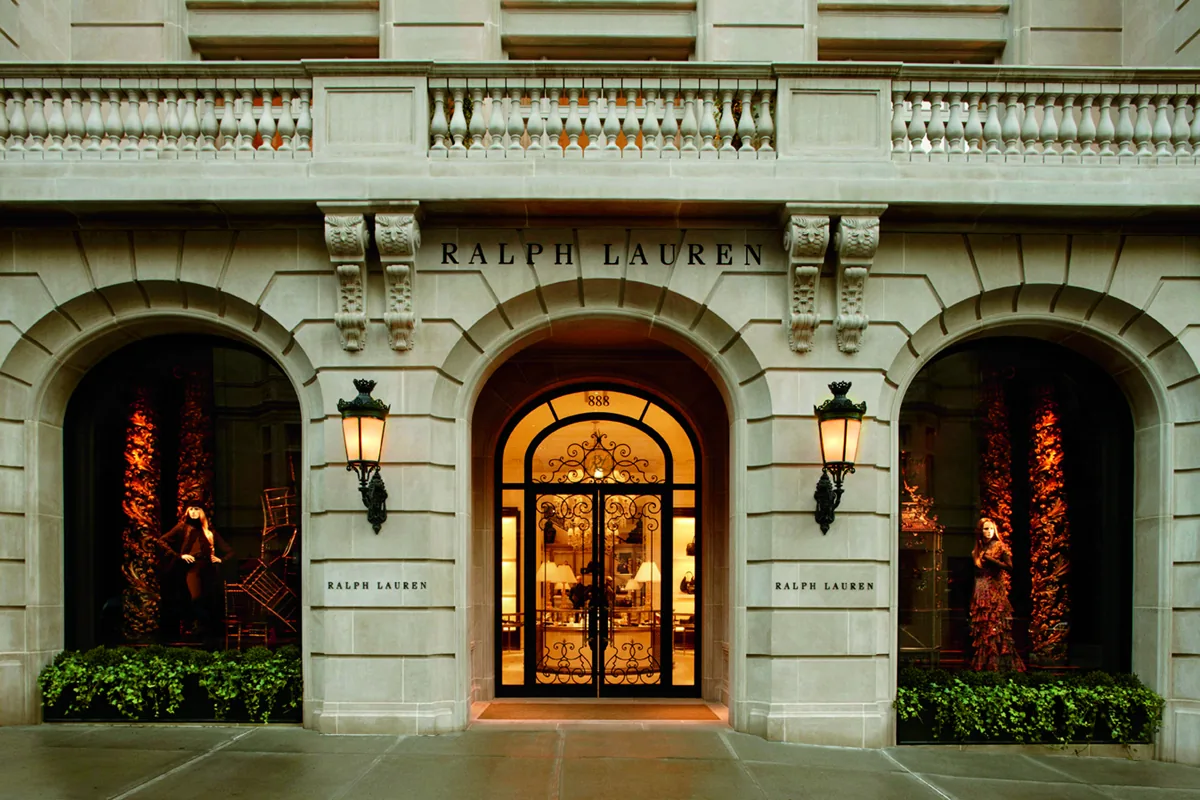
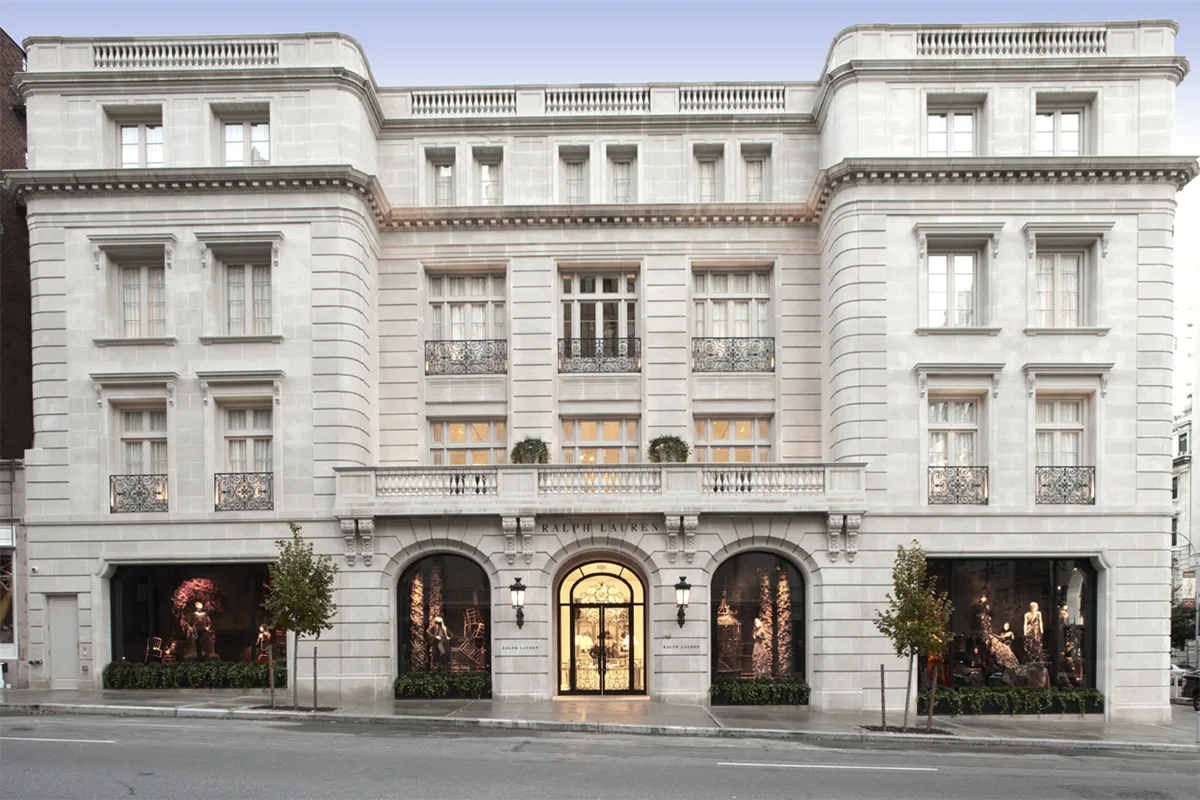
Ralph Lauren has taken sustainability out of its executive bonus and now rewards its senior executives for progress with artificial intelligence. In its proxy statement for the fiscal year that ended on 28 March 2026, the New York fashion company reports that it replaced the citizenship and sustainability metrics in its short-term incentive plan with an AI scorecard aimed at “AI literacy and enablement”. Environmental and social goals had been part of the bonus since fiscal 2022. The change drew wide attention in October 2026, after Reuters reported on the filing.
In brief
The AI scorecard adjusts a bonus that rests mainly on financial targets: revenue, operating margin, growth in women’s apparel, outerwear and handbags, and cost discipline. Ralph Lauren reported revenue of about 7.9 billion US dollars at constant currency for fiscal 2026, 109 per cent of its target. The executives exceeded their AI targets, and the board’s talent committee added 10 per cent to a formula that already stood at 197 per cent. Payouts for the named executive officers, among them the president and chief executive Patrice Louvet, reached the cap of 200 per cent of target.
A Ralph Lauren spokesperson told Reuters that the AI target reinforces the company’s opportunities “for leveraging AI to enhance our work”, and that the earlier sustainability metrics had contributed to meaningful progress on its goals. The sustainability strategy, Timeless by Design 2030, continues outside the bonus plan: on 15 September 2026, Ralph Lauren reported that its absolute emissions had fallen by 42 per cent from the fiscal 2020 base year.
Ralph Lauren’s step fits a wider shift in American boardrooms. A study by the Conference Board with ESGAUGE, FW Cook and Ropes & Gray found that environmental and human capital metrics lost ground in the incentive plans of S&P 500 companies between 2023 and 2025, while AI goals spread. About 12 per cent of S&P 500 companies disclosed AI-related goals in their executive incentive plans in 2026, up from 5 per cent in 2024, according to data from the Conference Board and ESGAUGE reported by Reuters. Across 2,500 proxy statements of public companies in all sectors, the advisory firm Pearl Meyer counted 2 per cent.
Swipe for more →
Why it matters
A bonus plan names the work a company wants its leaders to put first. For four fiscal years, part of that signal at Ralph Lauren pointed to environmental and social goals, and in fiscal 2026 it pointed to teaching the leadership to work with AI. The technology already reaches the company’s customers: since September 2025, Ask Ralph, a digital stylist built with Microsoft, has advised shoppers in the Ralph Lauren app. From 29 November 2026, Halide Alagöz, the new chief operating and product officer, will also oversee the company’s AI strategy.
In Europe, responsibility in luxury is moving into contracts and law. The French and Italian fashion chambers agreed 46 shared ESG requirements for luxury suppliers in 2026, and since 19 July 2026 the European Union has prohibited large companies from destroying unsold clothing, accessories and footwear.
In the United States, investors now ask for returns on the money companies spend on AI, in a year when the AI rally added 12.8 trillion US dollars to household wealth in a single quarter. Cory Morrow, who leads the consumer and retail executive pay practice at Korn Ferry, called AI goals in bonus plans an emerging practice and said the difficult part is to quantify what is being measured. Ralph Lauren’s next proxy statement, due in 2027, will show what its scorecard has counted.
Send this to someone who follows what companies pay their leaders for.
 Continue · The reading
Luxury Supply Chain ESG: Franco-Italian Framework Sets 46 Shared Requirements
The French and Italian fashion chambers agreed one set of requirements for their suppliers, three years before European due diligence law applies.
Read the article →
Sources: Ralph Lauren Corporation, proxy statement for fiscal 2026 (June 2026); Ralph Lauren Corporation, proxy statement for fiscal 2022 on the first ESG scorecard in the bonus plan; Ralph Lauren Corporation, annual report for the year ended 28 March 2026; Ralph Lauren Corporation, first-year progress on Timeless by Design 2030 (15 September 2026); Ralph Lauren Corporation, enterprise leadership changes (3 September 2026); The Conference Board, ESGAUGE, FW Cook and Ropes & Gray, What Companies Reward: The Changing Mix of Metrics in Executive Incentive Pay (2026); Reuters on AI goals in executive pay, with data from the Conference Board, ESGAUGE and Pearl Meyer (October 2026); FashionUnited on the launch of Ask Ralph (September 2025); European Commission, rules to stop the destruction of unsold clothes and shoes.