Sicily in Seven Notes: Spezieria Siciliana and the Perfume of an Island
La Scala del 7: A Day in Sicily in Seven Notes
Sicily has more than 3,000 species of wild plants. From that landscape, Spezieria Siciliana has chosen seven plants, each from its own part of the island, and set them in order across a single day as La Scala del 7, the scale of seven. Each perfume is named after a musical note:
DawnDO
- DODawnOrange blossomThe white flower of the bitter orange, picked in spring on the coast of Messina around Barcellona Pozzo di Gotto and distilled into neroli.
- REMorningBroomThe Etna broom, a tree-sized broom native to Sicily and Sardinia, takes root on the lava of the volcano and flowers yellow in summer.
- MIMiddaySea fennelA fleshy, salt-scented plant that grows from the cracks of the coastal rocks on the Aeolian Islands, within reach of the spray.
- FAAfternoonMannaThe sap of the flowering ash, which seeps from cuts in the bark in the Madonie mountains and dries in summer into pale crystals.
- SOLSunsetHelichrysumThe everlasting flower of dry Mediterranean slopes, with a warm, honeyed scent, from the limestone plateau of the Iblei in the south-east.
- LADuskSaffronThe red stigmas of the saffron crocus, picked by hand from the autumn flowers around Caltagirone.
- SINightCapersThe flower buds of the caper plant, which grows over the dry-stone walls of Pantelleria, an island closer to Tunisia than to Palermo.
Source: Spezieria Siciliana, La Scala del 7. Map: The Silent Luxury, after ISTAT regional boundaries (openpolis).
A History of Sicilian Perfume: From Megallos to the Citrus Essences of Messina
What Sicily forgot was a trade that once supplied the great perfumers of Europe and America. In nineteenth-century Messina, workers split lemons and bitter oranges, scraped out the pulp and pressed each half of peel against a sponge until it gave up its oil. The sponges were squeezed out into a terracotta basin, and the essence travelled in barrels to Paris, London and New York, where it went into colognes sold under other names. By 1927, the Field Museum in Chicago was describing Sicily as the world’s leading supplier of citrus products.
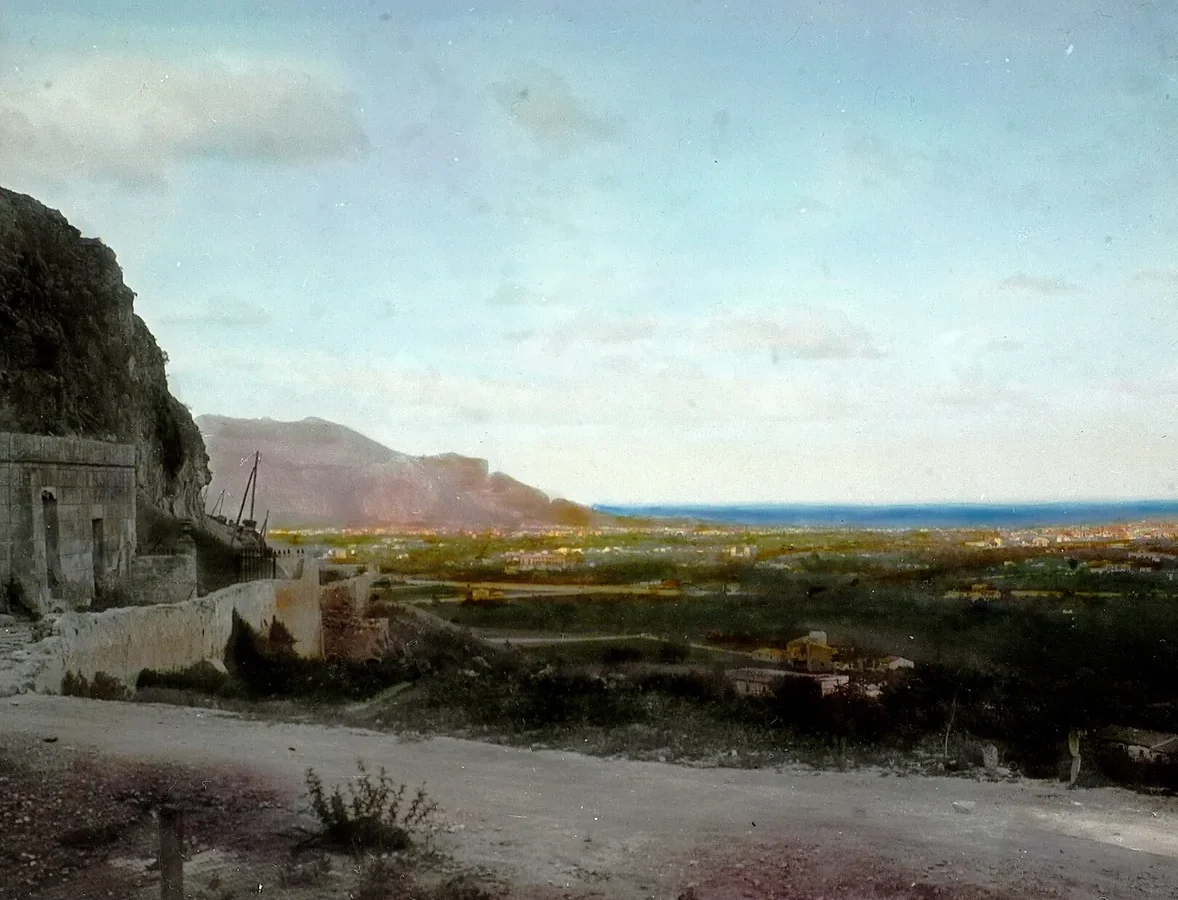
The island’s reputation for scent reaches back to antiquity. The Greek writer Athenaeus records a perfumer named Megallos, said by some to be Sicilian, whose ointment, Megalleion, was so expensive that the comic playwrights of Athens used it as shorthand for decadence. The bitter orange came much later, carried west from Asia through the Islamic world, and the Arabs who held Sicily from the ninth century to the eleventh gave its blossom the name it still carries, from the Arabic *zahr*, flower. When Ibn Jubayr, a traveller from al-Andalus, spent Christmas 1184 in Palermo, he noted that the women of the city went to church perfumed, their fingertips stained with henna. Over the following centuries the groves spread across the plain around Palermo, which became known as the Conca d’Oro, the golden shell.
Provenance ceases to be an adjective and becomes a document.
A note from The Silent Luxury
Good reading deserves to find you again.
Spezieria: Perfume in the Sicilian Apothecary
Di Pasquale chose the old word Spezieria for his new house on purpose. His family is Sicilian, and he describes the venture as a homecoming. “The speziale kept in a single place what today belongs to separate professions,” he said in an interview with The Silent Luxury. “They formed a single body of knowledge: plants, and what they become when we transform them.”
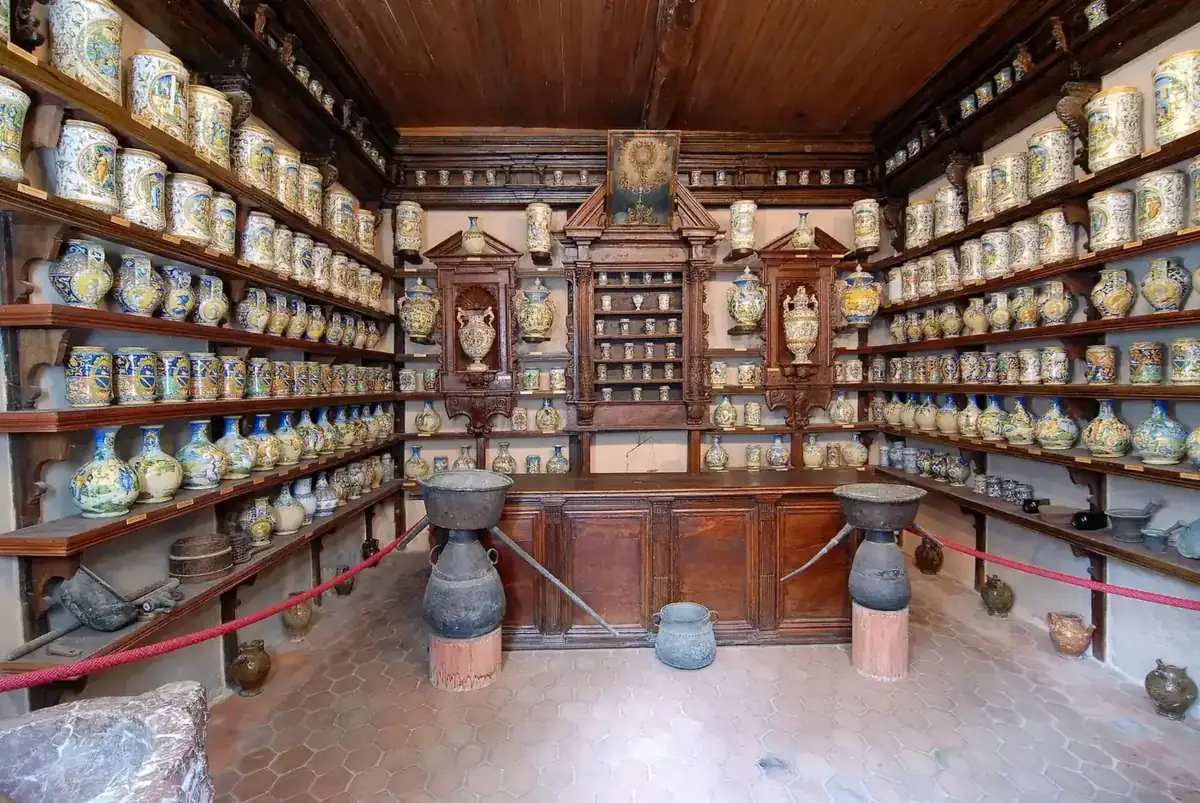
For centuries, Sicilians bought their perfume from these apothecaries. The speziale stocked medicinal herbs, kitchen spices, resins for church and fragrant waters on the same shelves. In 1564, Giovanni Filippo Ingrassia, the royal chief physician of Sicily, drew up the rules for the island’s speziali, requiring every spezieria to keep rose water, oils of myrtle and frankincense, and powders scented with amber and musk. In Roccavaldina, a hill village above Messina, the old pharmacy still holds 238 painted majolica jars on its shelves. For Di Pasquale, the obligation comes with the jars. “The apothecary was accountable for what he put into his jars. We want to be accountable for what we put into our bottles, under our own name.”
By the early nineteenth century, perfumers had arrived from Provence. The Sénès family settled in Vergine Maria, a fishing village on the bay north of Palermo, distilled the local bergamot and rose geranium, and in 1861 took silver and bronze medals at the national exhibition in Florence.
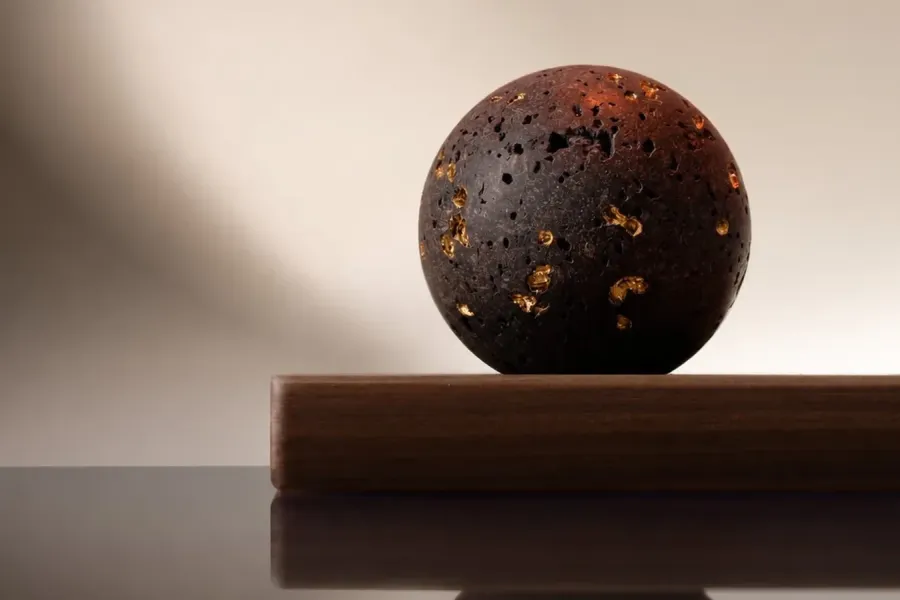
Sicilian Neroli: The Zagara of 2026
The blossom for DO · Neroli 2026 was picked in the province of Messina and distilled between April and June at Barcellona Pozzo di Gotto. Late-season mandarins from Ciaculli, a district on the edge of Palermo where the last groves of the Conca d’Oro survive, go into the blend. “A single drop,” Di Pasquale said, “containing an entire island.”
On the skin, the neroli opens bright and faintly bitter. Spezieria Siciliana has paired it with late mandarins from Ciaculli, blood orange and petitgrain, the oil pressed from the leaves and twigs of the same tree, with sage at the heart. The base is labdanum, a resin gathered from the rockrose, a shrub that grows wild across the Mediterranean. As the perfume settles, it turns warmer and more resinous, a long way, the house says, from the light citrus of a cologne.
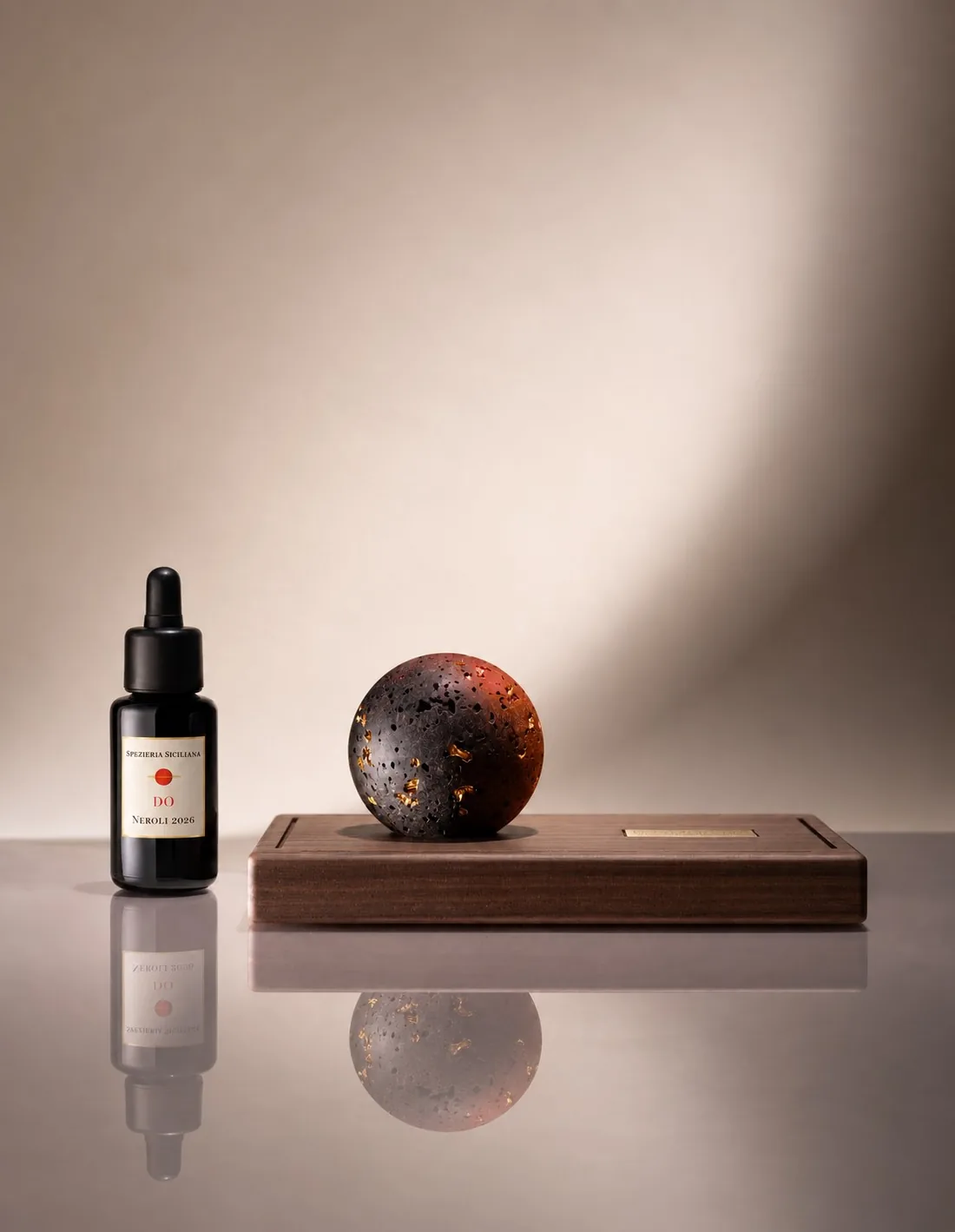
The year on the bottle means what it means on a wine label. Rain, heat and the timing of the bloom alter a natural essence from season to season, and next spring’s zagara will yield a slightly different neroli.
The number comes from the family. Di Pasquale’s brother Paolo, a racing driver, lighting designer and painter, wrote a book more than 40 years ago, *Base 7: Teorema PDP*, proposing a system of arithmetic that used seven colours in place of digits. Di Pasquale, who studied physics before turning to journalism, linked it to Isaac Newton, who divided the spectrum of light into seven colours to match the seven notes of the scale. “Seven colours, seven notes,” he said. “Seven plants, seven territories of the island. And one further dimension: time. Seven hours, from dawn to nightfall. A day in Sicily, in seven notes.”
The house motto borrows from music, too: “We do not perfume Sicily. We transcribe it.” Di Pasquale compares the work to arranging an orchestral score for the piano. “Not a single note is added. The instrument changes, and with every bar the musician must decide which voices to bring forward.”
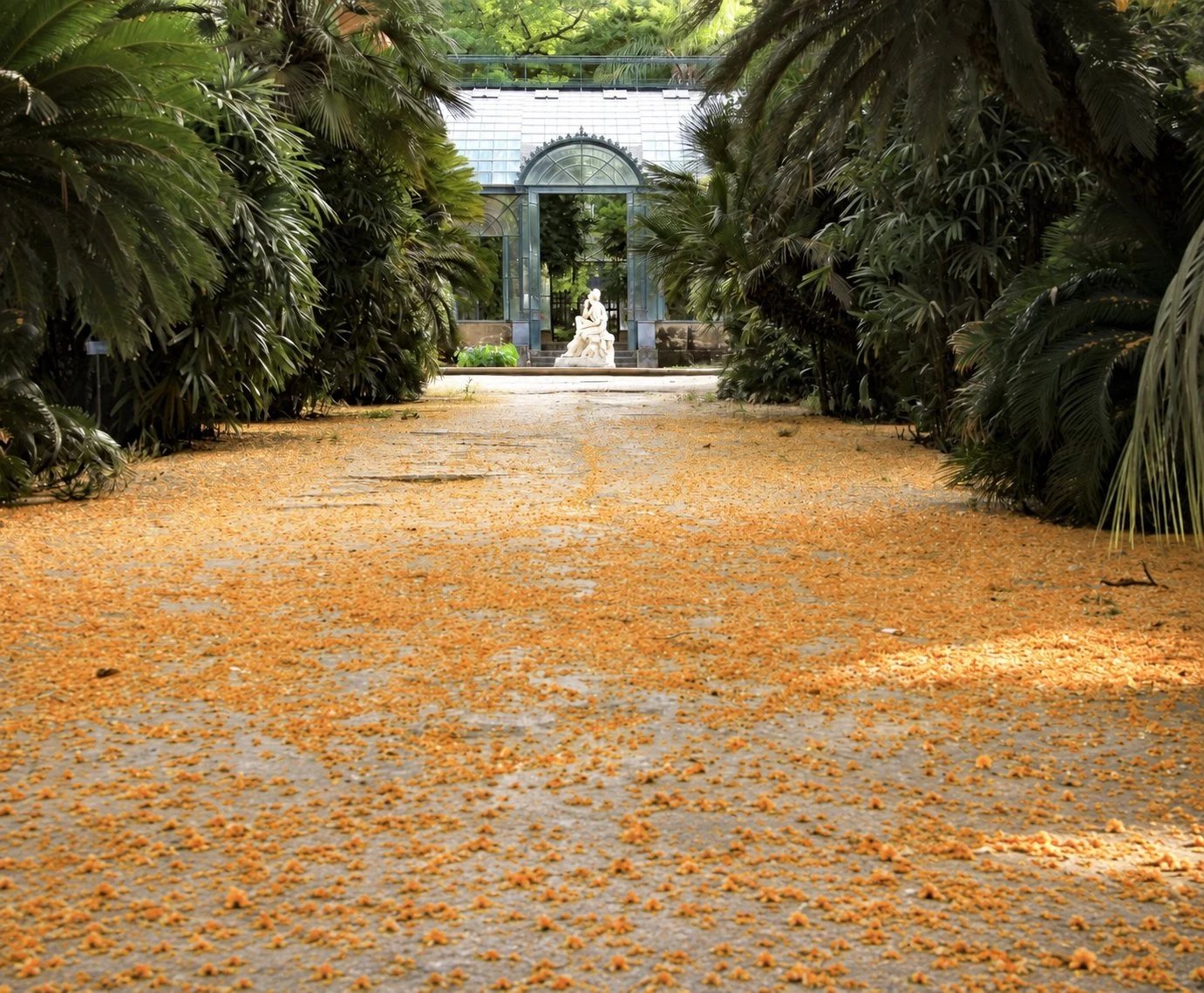
The avenue in blossom
The garden Spezieria Siciliana calls the Orto Madre, the mother garden.
Photo: Courtesy of Spezieria Siciliana
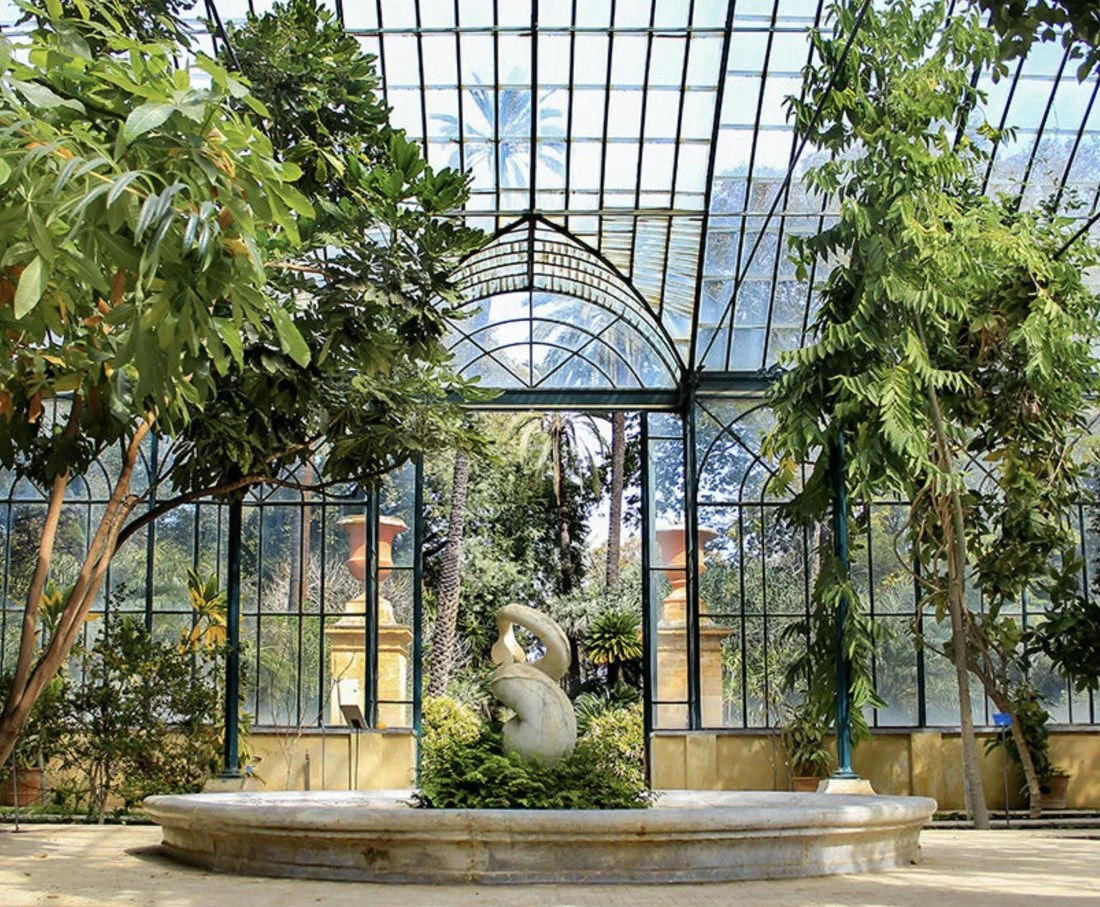
The great glasshouse
Part of the living collections the house works among, under an agreement running until 2029.
Photo: Courtesy of Spezieria Siciliana
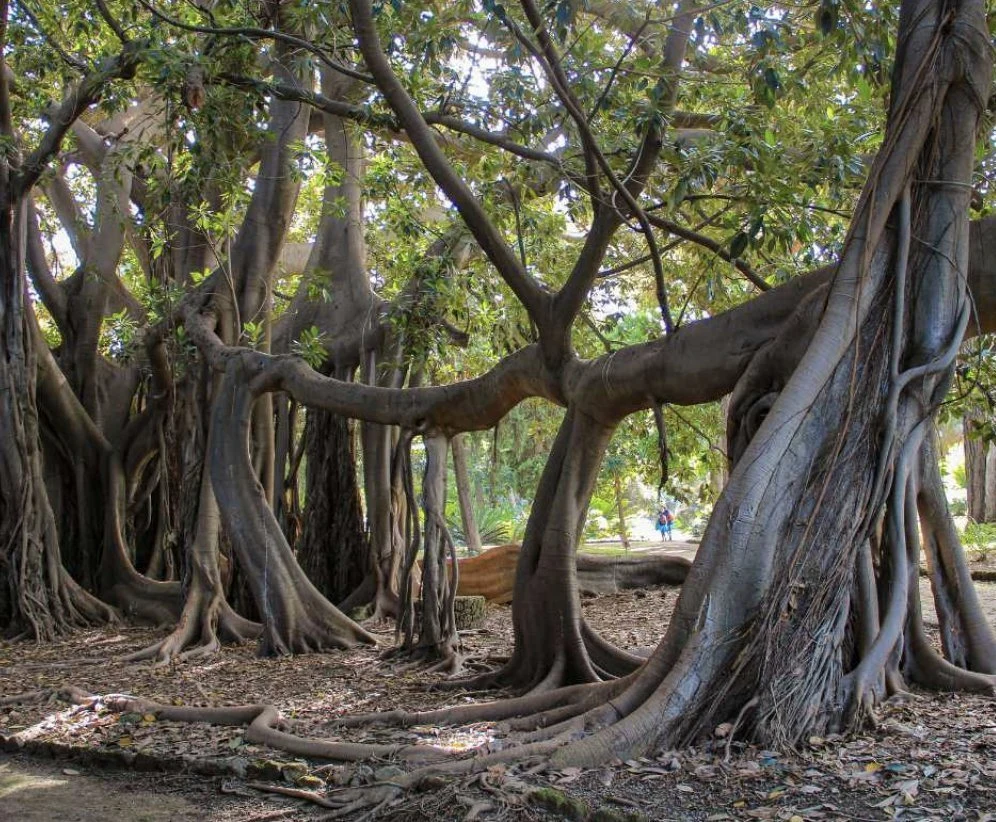
The Ficus macrophylla
A garden on its present site since 1789, where every plant has a genus, a species and a provenance.
Photo: Courtesy of Spezieria Siciliana
Swipe through the garden →
Botanical Perfume: Provenance on the Record
The botanical work happens at the Orto Botanico di Palermo, the University of Palermo’s garden, which has stood on its present site since 1789 and which Di Pasquale calls the Orto Madre, the mother garden. Under an agreement running until 2029, the house works in the garden’s historic herbarium and among its living collections. “In a botanical garden, a plant is not simply ‘a white flower’,” he said. “It has a genus, a species, a provenance.”
The house’s founding manifesto, approved in October, lists what each harvest carries into the bottle: “The orange blossom gathered that month. The manna that seeped from that bark of ash. The harvest, never the same. The hand that distilled it.”
The formula itself stays private. What the house makes public is the origin of every raw material, and when a base note has to come from elsewhere in the Mediterranean, it says so. “The formula remains confidential,” Di Pasquale said, “but the secrecy of a formula cannot be allowed to conceal the origins of its ingredients.” In luxury, he argues, the value is shifting towards what a client can verify: “Provenance ceases to be an adjective and becomes a document.”
In the Madonie, between Castelbuono and Pollina, the manna is still scraped by hand from the ash trees each summer, in pale crystals. It is the next note on the scale. “We accept that one harvest will differ from the last,” Di Pasquale said. “That variation, too, is the island speaking.” Next spring, the bitter oranges on the coast west of Messina will bloom again, and the year on the label will change.
Send this to someone who knows what Sicily smells like.
Further Reading
-
Piero Di Pasquale: “We Do Not Perfume Sicily. We Transcribe It.”
The founder of Spezieria Siciliana on composing a Sicilian day in seven perfumes, the apothecary’s accountability and why the origin of every raw material belongs on paper.
-
Beyond Paris and New York: The New Powers of the Luxury Skincare Market
Raw and wildcrafted botanicals keep the plant intact: the raw material reaches the jar chemically unchanged, pressed or distilled by mechanical means. Sold as Provenance Beauty, the segment reaches a gross margin of 82 percent.
-
Beauty Outgrows the Core: The Market the Houses Are Redrawing
Fragrance is the fastest-growing of the four core beauty segments, at eight per cent a year, and prestige and luxury hold close to two-thirds of it.
-
The Nature of Beauty: From the Mirror to the Cell
The Silent Luxury’s dossier on the luxury beauty market, from skincare and fragrance to the conglomerates redrawing their portfolios.
Sources
- Spezieria Siciliana: DO · Neroli 2026, La Scala del 7, founding manifesto
- Spezieria Siciliana: Orto Botanico di Palermo
- Piero Di Pasquale, written interview with The Silent Luxury, October 2026
- Daniela Santoro, Lo speziale siciliano, Università di Palermo
- Treccani: zagara
- Dafna Langgut, The citrus route revealed, HortScience (2017)
- Profumerie Sénès
- Vito Pellizzeri, Università di Messina: citrus essences of Messina
- Field Museum of Natural History, Citrus Products (1927)
Similar Articles
The Great Small Vintage of 2026: A Season of Concentration
The Taste of El Niño: How Drought and Heat Are Rewriting the Chemistry of Wine, Oil and Linen

A Sale That Ends in a Memo: The 2010s Stay at Estée Lauder