Puig Bets on Fragrance as the Middle of the Luxury Market Gives Way
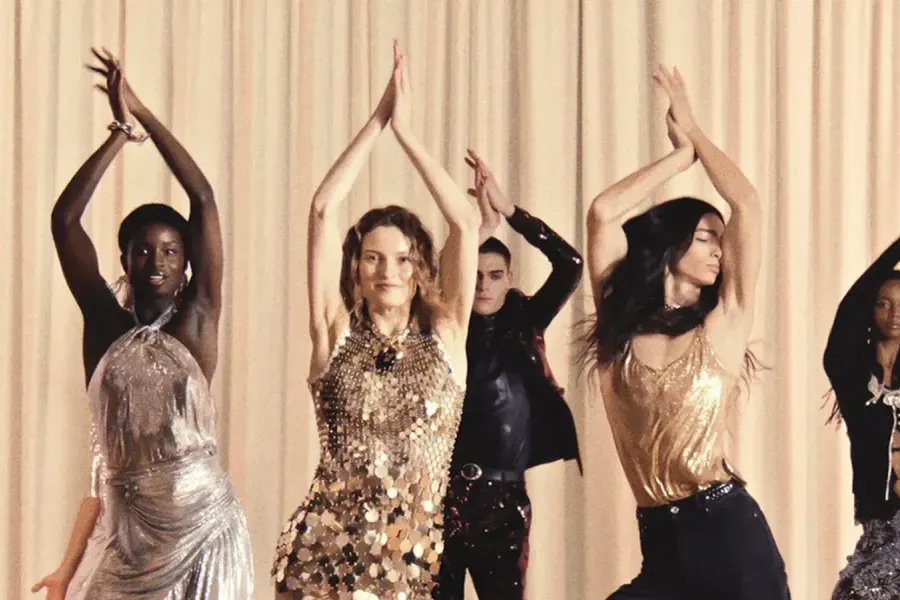
One slide in Madrid showed where luxury now begins. On 28 October Puig, the Barcelona family group behind Carolina Herrera, Rabanne and Jean Paul Gaultier, presented its plan to 2032 at a capital markets day in Madrid. One slide covered its niche perfume brands Penhaligon’s and Byredo. A Penhaligon’s hand cream at €20 stood at one end of a line, and a Byredo collector’s piece at €3,700 at the other. Puig labelled the cheap end “recruiting & gifting”. At Byredo, such exclusive pieces make up less than 5 per cent of the business, and Puig labelled them “image & branding”.
The slide describes a market that has lost its middle. For a generation, many people entered luxury through a scarf, a belt or a small leather piece. Those prices have moved out of reach for many of the clients who once paid them, and the way in now runs through fragrance. Puig is lowering the price of entry. Fragrance itself is now splitting the way skincare did, where the conventional prestige cream lost ground to clinical science on one side and plant-based brands on the other. Mass scent, dupes and brands from the Gulf grow at the bottom, while niche perfume and private collections grow at the top. The designer fragrance in between, the core of Puig’s own business, has slowed. The end of beauty where a product has to prove its effect is increasingly decided in Asia.
Marc Puig, the executive chairman, calls the family company “curators of brands, not aggregators”. Its plan to pass €8 billion in sales by 2032 is an answer to this squeeze, and fragrance stands at its centre.
The Narrowing Door: Fragrance as the Entry Point to Luxury
Fragrance has become the main entry point to luxury as clients in the middle of the market buy less of everything else. “Traffic remains the main constraint across the group,” Armelle Poulou, Kering’s finance chief, said on 22 October. At Gucci, the best clients held up in the third quarter, while clients on middle incomes came under pressure. In the same season several of the large groups pointed to perfume, eyewear and jewellery as the new way in.
The shift began with the bag. Handbag prices rose by 50 to 70 per cent between 2019 and 2025, according to Bain & Company and Altagamma. In 2025 beauty, at €78 billion, passed leather goods as the largest category in personal luxury, which stood at €74 billion. Emanuela Prandelli of Bocconi University described the change to The Silent Luxury as a luxury pyramid, once supported by an aspirational middle class, “collapsing into an hourglass”.
Puig’s plan aims at the bottom of that hourglass, with cheaper ways in. One slide promises “expanding accessibility through new formats & entry price point”. Minis already account for 38 per cent of the prestige fragrance units sold in the United States, according to Circana.
Where the groups stand as the middle gives way
Fragrance and skincare in autumn 2026. A red rule marks a company that leaves or loses ground in the middle.
Sources: Puig, L’Oréal, Estée Lauder, Coty and Kering company releases, March to October 2026; Korean trade data; Proya; Reuters, October 2026.
A note from The Silent Luxury
Good reading deserves to find you again.
Squeezed From Both Sides: The Luxury Fragrance Market Splits
The luxury fragrance market is losing its middle. At the bottom, mass fragrance in America grew 15 per cent in the first half of 2026, according to Circana, while prestige fragrance, the category above mass, sold no more units than a year earlier. Arabian fragrances grew worldwide from $2.8 billion in 2023 to $4.9 billion in 2025, according to Euromonitor. Lattafa, a house from the United Arab Emirates, sold more than $100 million on Amazon in a single year.
At the top, niche perfume grows about twice as fast as designer fragrance. Puig expects niche to rise from 15 per cent of the selective market, perfume sold only in chosen stores, to about 20 per cent by 2032. “All our four brands, Byredo, Penhaligon’s, L’Artisan Parfumeur, and Dries Van Noten, are enjoying high double-digit growth,” José Manuel Albesa, the chief executive, told analysts on 21 October. Puig wants its niche sales to near €1 billion by 2032. One slide set out what a best-selling niche scent needs to be: “easy to spot, easy to love, easy to gift”.
The middle is where growth has slowed. After the boom years, Puig says, designer fragrance has returned to its historic growth levels. Coty, which lives on designer licences, saw its prestige revenue fall 4 per cent in the year to June. Puig’s three fashion brands sit in this middle as well. Carolina Herrera, Rabanne and Jean Paul Gaultier are among the ten largest prestige fragrance brands in the world. Together with fashion they still earn most of Puig’s profit, and its plan adds weight at both ends.
2022 to 2024: everyone wears more scent
The whole fragrance market grew by more than 12 per cent a year. Designer fragrance, the broad middle of the market, grew with it.
The flacon shows the market in three layers: niche perfume at the top, designer fragrance in the middle, mass scent and dupes at the base.
2025 to 2026: the middle draws in
Growth slowed to 4 to 5 per cent a year, and Puig says designer fragrance is back at its historic growth levels.
Below, mass fragrance in America grew 15 per cent in the first half of 2026, while prestige sold no more units. Above, niche grows twice as fast as designer fragrance.
The ways in multiply
Fragrance has become a daily habit. 48 per cent of American women in a survey Puig cites wore it every day in 2025, against 30 per cent in 2017.
Arabian fragrances grew worldwide from $2.8 billion in 2023 to $4.9 billion in 2025. Niche is expected to rise from 15 to about 20 per cent of the selective market by 2032.
Both ends, one plan
Puig’s own core sits in the middle, with Carolina Herrera, Rabanne and Jean Paul Gaultier among the ten largest prestige fragrance brands.
Its plan reaches down, with hand and bath products from €20 labelled “recruiting & gifting”, and up, with niche sales planned to near €1 billion by 2032.
Who stands where
Puig moves to both ends and bids for Parfums de Marly. Coty, which lives on designer licences, gives up Gucci for about $400 million. Lattafa, from the United Arab Emirates, sold more than $100 million on Amazon in a single year.
Sources: Puig, Capital Markets Day presentation, 28 October 2026; Circana; Euromonitor; Coty. The flacon is schematic: the height of each layer shows the direction of the market, not exact proportions.
Everyday Scent and the Rare Object: Luxury Fragrance Market Trends
As fragrance becomes a daily habit, the luxury fragrance market finds its luxury in the rare object at the top. In a survey of women that Puig cites, 48 per cent of American respondents wore fragrance every day in 2025, against 30 per cent in 2017. In China the share rose from 16 to 31 per cent over the same period. In 2025 young women of Generation Z in both countries had used an average of 5.9 fragrances in the previous six months. Women of the same age had used 2.4 in America and 2.6 in China in 2017. Puig speaks of "fragrance wardrobes".
Puig answers by moving the rare part further up. Its plan aims at "driving premiumization through private collections", and at Byredo it assigns the exclusive pieces to image.
Proof Moves East: Dermocosmetics and K-Beauty in Luxury Skincare
The other end of beauty, where a product has to prove what it does, is moving east. At Puig, the operating margin in skincare fell from 12.9 per cent in 2021 to 6.0 per cent in 2025. Skincare sales fell again in the third quarter. "We see the high-end skincare market in North America decreasing at 5%," Albesa said. Puig's answer is dermocosmetics. It is paying €1.2 billion for the half of the Spanish brand ISDIN it did not own. It plans a dermocosmetics business with more than €1 billion in sales and points to a repurchase rate of 72 per cent at Uriage, its French pharmacy brand.
The science behind proof sits elsewhere. Amorepacific, LG Household & Health Care, Shiseido and Bloomage Biotech own the fermentation patents and the clinical evidence that a luxury cream now has to show. South Korea's cosmetics exports rose by half in five years, to $11.4 billion in 2025. On 13 October Proya, China's largest beauty group, opened a laboratory for longevity and skin biology near Paris. In November its skincare goes on sale in 400 Ulta Beauty stores in America.
The Western groups are buying clinical credibility. L'Oréal owns a fifth of the dermatology group Galderma, has taken a majority of Medik8 and is exploring a venture in wellness and longevity with Kering. Puig's dermocosmetics brands come from European pharmacies, and they compete with Asian groups that build on their own research.
Who Owns the Name: Licences and Ownership in the Luxury Fragrance Market
Whether a group owns its brands decides where it can stand in this squeeze. Puig came to fashion through fragrance. It created the fragrance division of Paco Rabanne in Paris in 1968 and bought the fashion house in 1987. Carolina Herrera launched her first perfume with Puig in 1988, and Puig bought her fashion business in 1995. In Madrid, a slide on Jean Paul Gaultier called fashion "our creative laboratory" and fragrance "our growth driver". Fragrance and fashion earned €683 million of Puig's €812 million in operating profit in 2025.
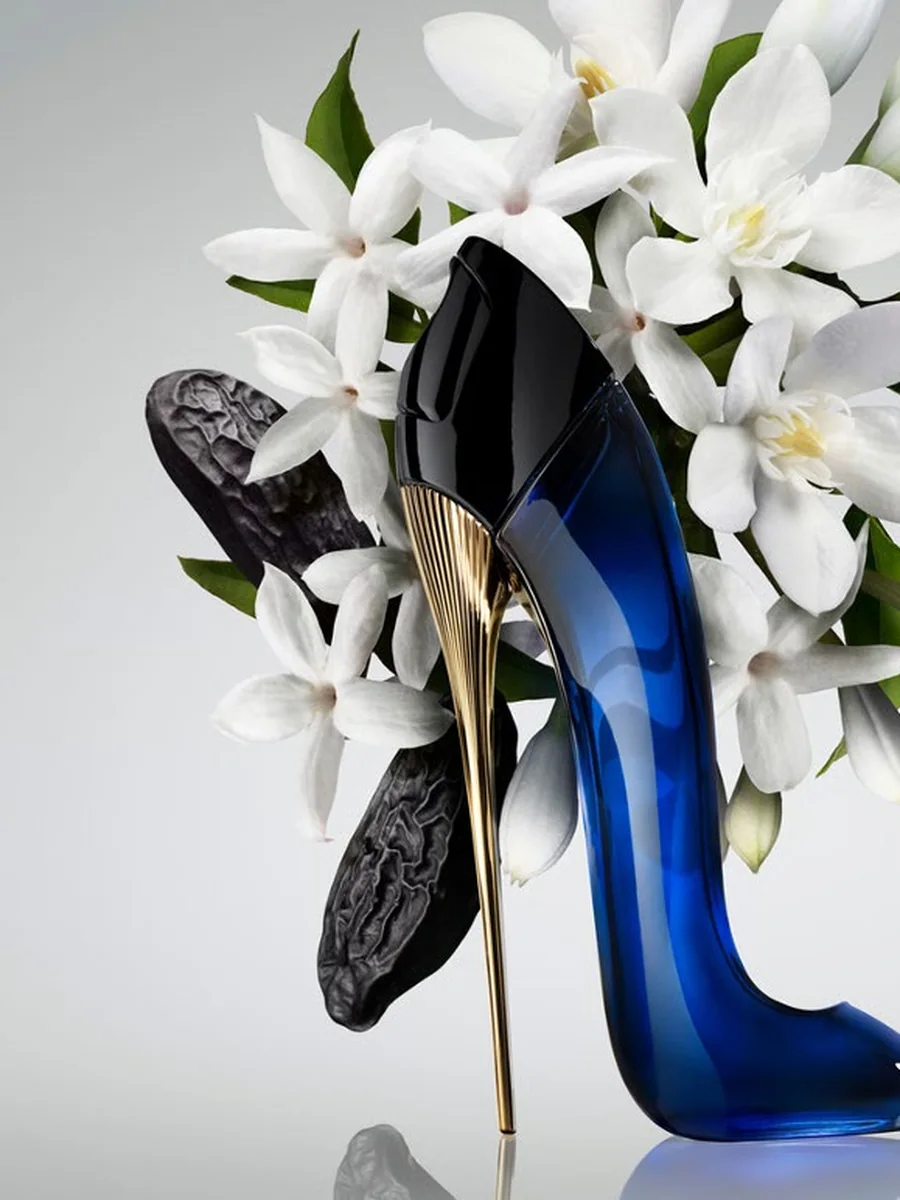
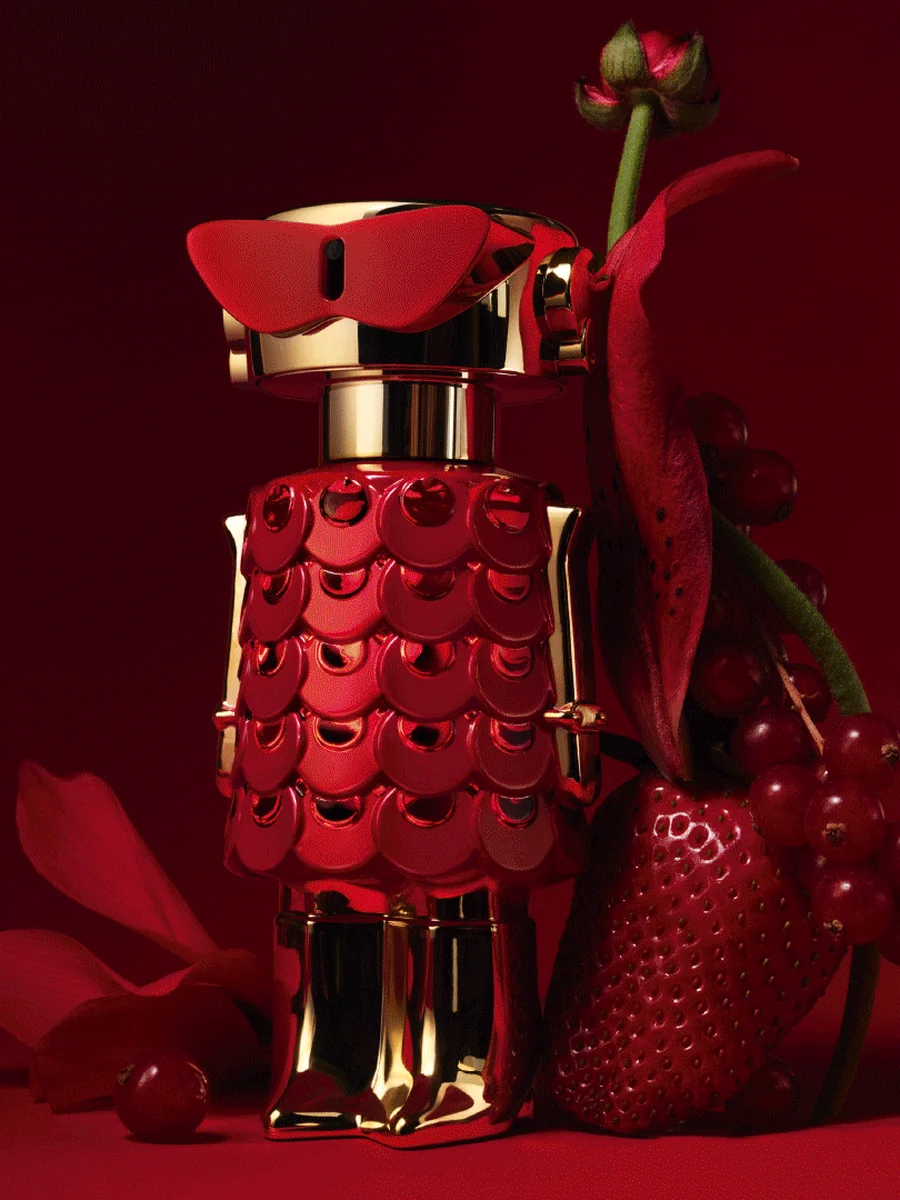
Kering took the opposite course. It sold its beauty business to L'Oréal for €4 billion, and with it fifty-year licences for Bottega Veneta and Balenciaga. Gucci follows in July 2027, after Coty agreed to give up its licence a year early for about $400 million. Puig presents itself as the only group with three brands of its own among the ten largest prestige fragrance brands. L'Oréal has one of its own and four under licence. After the merger talks with Estée Lauder ended in May, Marc Puig said the company was "not for sale".
After the Boom: The Future of the Luxury Fragrance Market
After the boom, the luxury fragrance market will be decided at its two ends. Puig puts the growth of the whole fragrance market at more than 12 per cent a year from 2022 to 2024 and at 4 to 5 per cent since. In July 2027 Gucci's fragrances move to L'Oréal. Parfums de Marly, a niche house founded in 2009, is up for sale, with Puig among the bidders.
Three questions will decide the coming years. The first is whether fragrance still leads people further into luxury now that its own middle is slowing. The second is how long niche perfume stays rare as it grows toward a billion euros. The third is whether European pharmacy brands can compete with the research of Asian groups. Puig's answers will show in its results long before 2032.
Send this to someone whose first luxury was a perfume.
 Continue · The reading
The Nature of Beauty: From the Mirror to the Cell
The luxury beauty market moves from appearance to health, and aesthetics, longevity and well-being redraw the field.
Sources
- Puig, Puig presents Vision 2032, its roadmap to exceed €8bn in net revenues through profitable growth, Capital Markets Day, Madrid, 28 October 2026
- Puig, Vision 2032, Capital Markets Day presentation, Madrid, 28 October 2026
- Puig, Net revenues for the third quarter of 2026, 21 October 2026
- Puig, Puig acquires the remaining 50 per cent of ISDIN from Esteve, September 2026
- Kering, Revenue for the third quarter of 2026, 22 October 2026
- L'Oréal, L'Oréal completes the acquisition of Kering Beauté, 31 March 2026
- Coty, Agreement with Kering for early transition of the Gucci beauty licence, July 2026
- Circana, US beauty industry posts solid first-half growth, 2026
- Euromonitor International, The rise of Arabian fragrances, September 2026
- The Estée Lauder Companies, Statement on the end of discussions with Puig, May 2026
- Reuters, CVC, Cinven, Puig eye luxury fragrance maker Parfums de Marly, sources say, October 2026
Similar Articles
Who Owns Puma and Hugo Boss Now: Germany’s Brands Shift to Retailers and Brand Builders

Luxury Trends 2027: From Hermès to Zegna, the Second Purchase Decides
The Future of Luxury After Q3 2026: The Members’ Club Era