LVMH Q3 2026: The Core Slips in China, the Edges Carry the House
LVMH’s growth in the third quarter of 2026 came from the edges of the group while its core paused in China. Revenue rose 1 per cent on an organic basis to 18.5 billion euros in the three months to 30 September, the world’s largest luxury group reported on 12 October, and every business grew except Fashion & Leather Goods, the division of Louis Vuitton and Christian Dior that still brings in close to half of group revenue. It fell 5 per cent, after returning to growth in the spring.
The quarter continues the movement that LVMH’s half-year figures had already made visible, when growth followed new wealth and jewellery produced more than half of the group’s organic gains.
Cécile Cabanis, the chief financial officer, told analysts that LVMH would answer the weaker quarter with patience and new products, and that lower prices were no part of the plan.
-
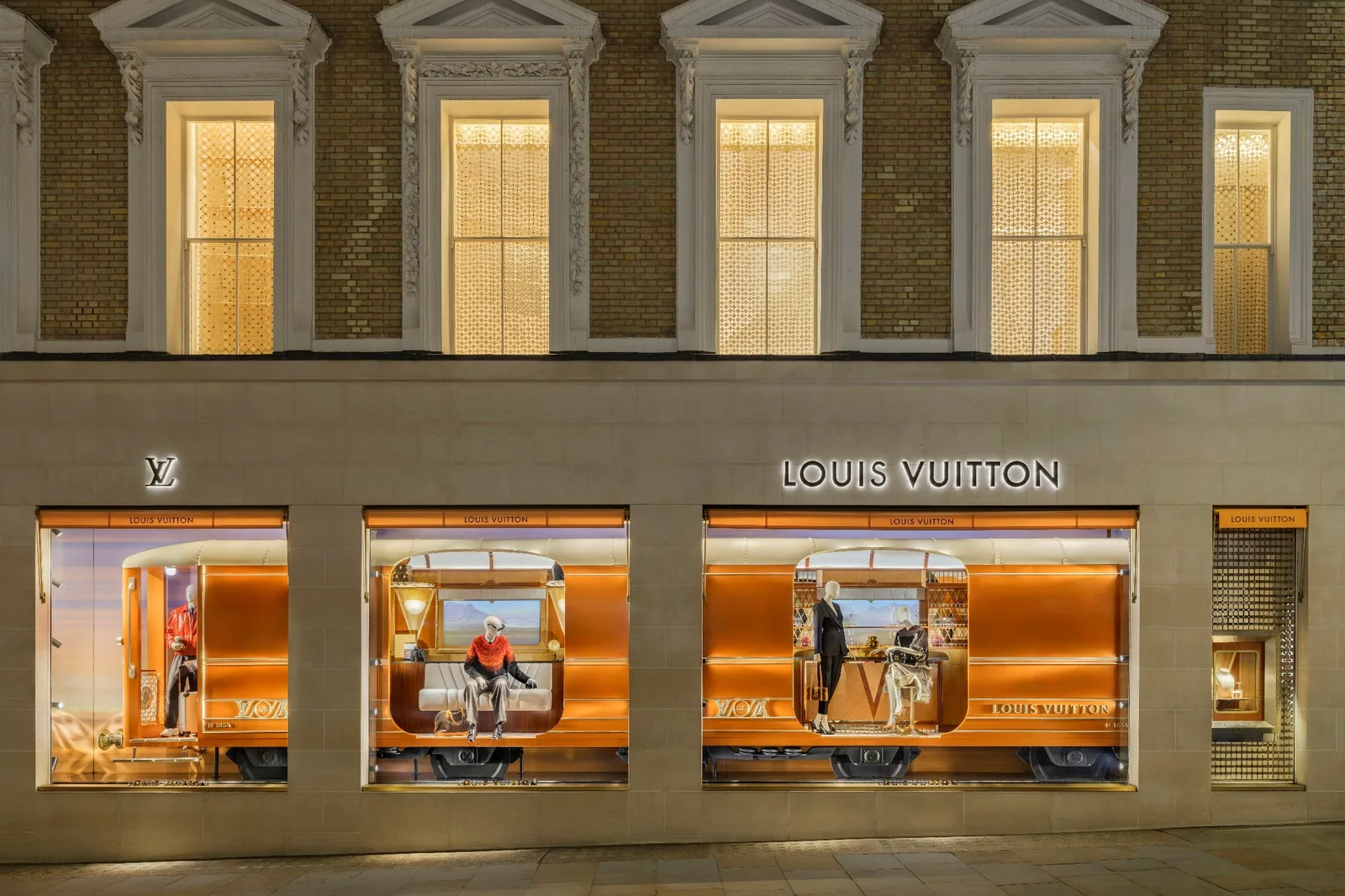
Louis Vuitton, the largest house in LVMH’s Fashion & Leather Goods division, which fell 5 per cent in the third quarter of 2026. Photo: Courtesy of LVMH -
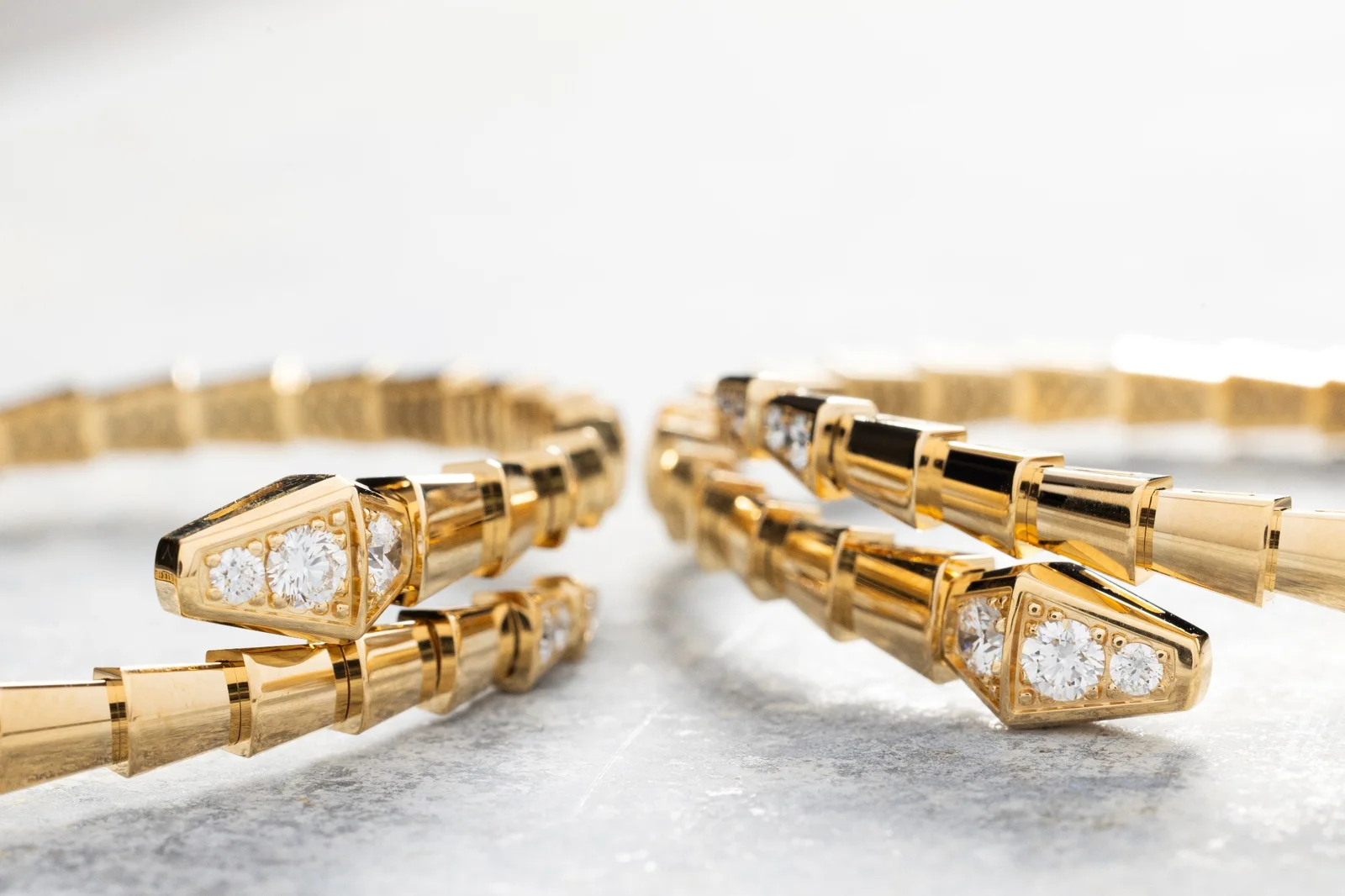
Bvlgari’s jewellery helped Watches & Jewelry grow 6 per cent in the quarter. Photo: Courtesy of LVMH -
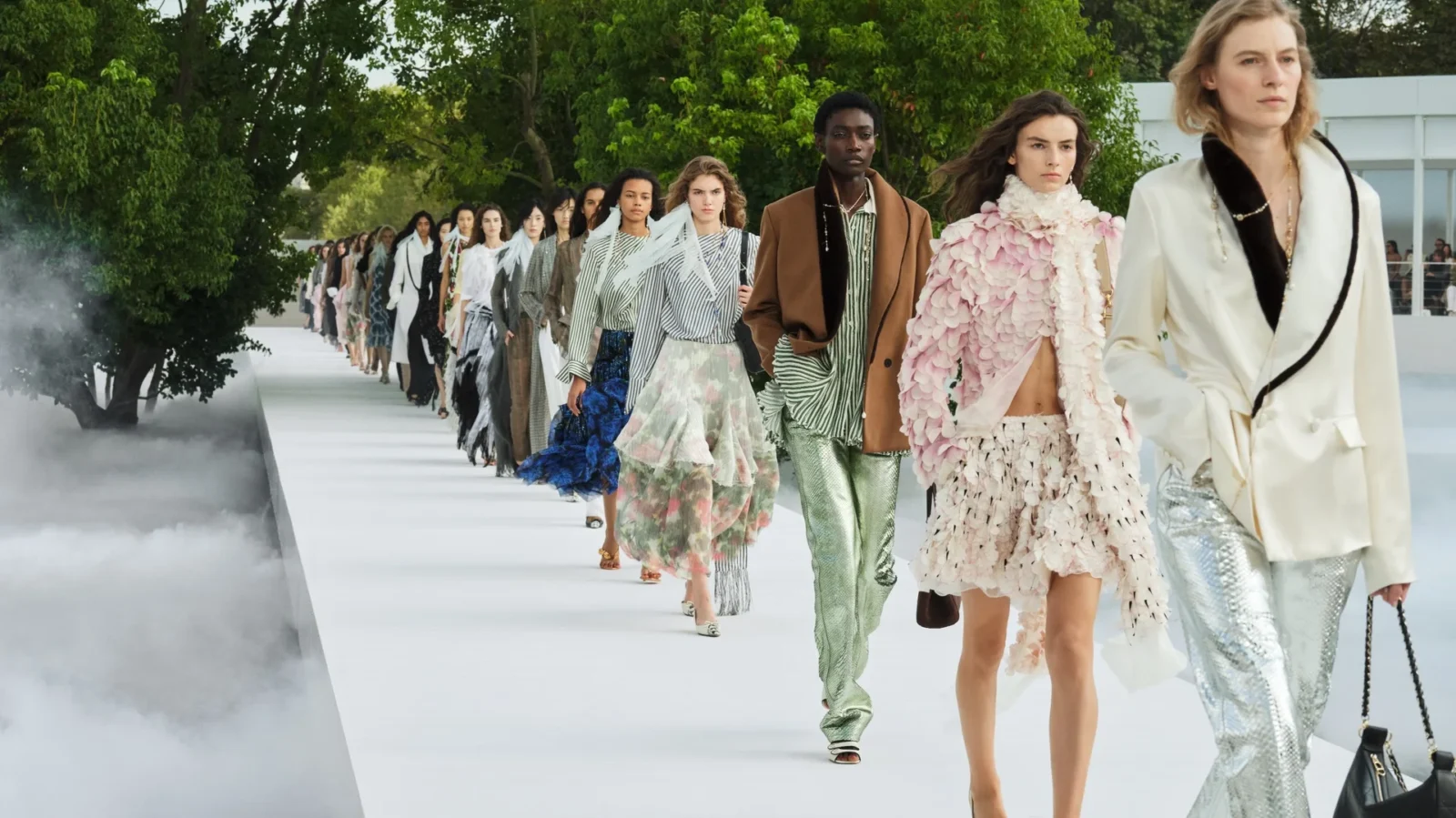
Christian Dior held level in the quarter as Jonathan Anderson’s collections built momentum. Photo: Courtesy of LVMH
The quarter. LVMH reported revenue of 18.5 billion euros for the three months to 30 September 2026, 1 per cent higher on an organic basis after 3 per cent in the second quarter. Currency, which had weighed on the group all year, turned positive for the first time. Over nine months, revenue reached 57.1 billion euros, 2 per cent higher organically and 2 per cent lower as reported.
China. The decline comes from one region. Asia excluding Japan, where LVMH earns 27 per cent of its revenue, moved from growth of 4 per cent in the second quarter to a fall of 5 per cent, while the United States grew 5 per cent, Japan 6 per cent and Europe 4 per cent, its first growth of the year. In Fashion & Leather Goods, Cabanis said, demand from Chinese clients fell by a percentage in the mid-teens. Purchases in mainland China declined by double digits, and purchases by Chinese travellers abroad by a mid-single-digit percentage. American clients grew by a mid-single-digit percentage and Europeans modestly.
Louis Vuitton. The largest house of the group faced a one-off logistics problem during the quarter, which LVMH names in its presentation, and Cabanis left open whether the lost sales will return in the fourth quarter: “We hope we will.” The house continued to work its icons, revisiting the original trunk canvas for the 130th anniversary of the Monogram with the new Monogram Emblème jacquard, while the ready-to-wear of Nicolas Ghesquière and the men’s collections of Pharrell Williams kept their momentum. When Louis Vuitton closed a store in China, it opened another one a week later, and its retail space in the country is unchanged over twelve months.
Christian Dior. Dior held level in the quarter and remains ahead since January, growing by double digits with American clients. Cabanis said that Jonathan Anderson’s women’s ready-to-wear shows the strongest appetite for his designs, while his bags, “more permanent products,” take longer to build. In September Dior opened a House of Dior on Via Monte Napoleone in Milan, its second this year after Osaka.
The other houses. Celine under Michael Rider is growing on new soft bags and by double digits in shoes, and Cabanis called it ready “to become a growth driver.” Fendi’s Baguette, reworked by Maria Grazia Chiuri in a softer material, is selling well. Loewe, under Jack McCollough and Lazaro Hernandez, shows the first pockets of momentum. Loro Piana grew strongly and opened a centre for knitwear in Ghemme in Piedmont, and Rimowa and Berluti held their pace.
Jewellery. Watches & Jewelry grew 6 per cent. Bvlgari’s Eclettica line of high jewellery and watches generated record revenue, and Tiffany kept growing on HardWear, Knot and Sixteen Stone, while its silver and older lines remain weaker. Bvlgari faces a tougher comparison in the fourth quarter.
Sephora. Selective Retailing grew 8 per cent, carried by Sephora, which gained market share in several countries, entered Belgium and Croatia and added exclusive brands such as Rhode and a group of Chinese beauty labels. About half of its growth comes from existing stores and half from new space.
Wines & Spirits. The division grew 6 per cent. Champagne continued its recovery, above all in Europe, and Hennessy gained momentum in China in the same weeks in which Chinese demand for the group’s fashion fell. In the United States, Hennessy launched a range of ready-to-serve cocktails.
The portfolio. LVMH completed the sale of Marc Jacobs to WHP Global on 1 September and has sold most of the DFS travel retail business. After nine months, Fashion & Leather Goods represents 46 per cent of group revenue, against 47.5 per cent a year earlier.
● In brief
● Why it matters
The quarter shows LVMH choosing time over price at the moment the market asks for proof. Luca Solca of Bernstein asked on the call whether Louis Vuitton has the products the moment requires. Cabanis answered that the group had heard the debate about price cuts and does not consider them advisable, “because whatever you do, you need to keep in mind the desirability of your brand.” She described the task as finding “the sweet spot between desirability on one hand and perceived value on the other hand,” with designs that stay fresh, materials in tune with the times and attention to every group of clients by region, age and income. “I don’t think there are a lot of shortcuts here.” The market has been less patient: LVMH’s share closed at 380 euros on Friday, close to 40 per cent below where it began the year.
The patience has a cost the group states openly. Cabanis said that short-term cost cutting “has its limits” and that she was not sure LVMH could fully offset the pressure on sales in the short term. Marketing spending stays stable as a share of revenue, and the group is avoiding cuts that could weaken desirability for the sake of a quarter’s margin. The shift in weight adds to the pressure, because the businesses that grow earn less per euro: in the first half, Watches & Jewelry earned an operating margin of 15.9 per cent and Fashion & Leather Goods 34.1 per cent.
China sets the pace of the answer, and the shift there began inside the country. A property market that holds much of household wealth has weighed on the urban middle class for several years, and since 24 July the wealthiest families have faced a 20 per cent tax on offshore trusts, with undeclared income from 2021 to 2025 due by 22 October. LVMH spoke only of a less buoyant environment. Cabanis called the deterioration “abrupt” and the group’s response “more gradual,” saw nothing structural in it, and said that September was better than the quarter as a whole, including among Chinese clients.
Her strongest argument stands in Shanghai. The Louis, Louis Vuitton’s building in the shape of an ocean liner, opened in June 2025 and remains fully booked, she said: “When traffic is subdued, if you are able to create real experience, you can get the customers to come to you.” LVMH is taking the same idea to its workshops this week: from 16 to 18 October, Les Journées Particulières open 71 venues in 13 countries, including a new event in Shanghai. The fourth quarter will show whether that kind of attachment can return to the leather at the heart of the house as quickly as it has reached the jewellery, the beauty counter and the champagne around it.
Send this to someone who still thinks luxury runs on handbags.
Sources: LVMH, Q3 2026 revenue, press release, presentation and results call with Cécile Cabanis (12 October 2026); LVMH: Continued growth in the third quarter of 2026 (12 October 2026); CNBC on China’s tax on offshore trusts (5 August 2026); Bolder Group on the 22 October deadline; FashionUnited on the opening of The Louis (June 2025); LVMH, Les Journées Particulières 2026; Euronext closing price of 9 October 2026.
Similar Articles
Titan Q2 2026: Grown at Home, Bought Abroad
Shein Shares Hit a Record Low as LVMH Falls to a 52-Week Low
Rolex Is Closing the Loop